PhD, Stem cell researcher. Interested in Neuroscience & Tissue engineering. Asst. prof. at @upvehu in the Basque Country. Signaling Lab. Ezina Ekinez Egina.
New paper out 🚀
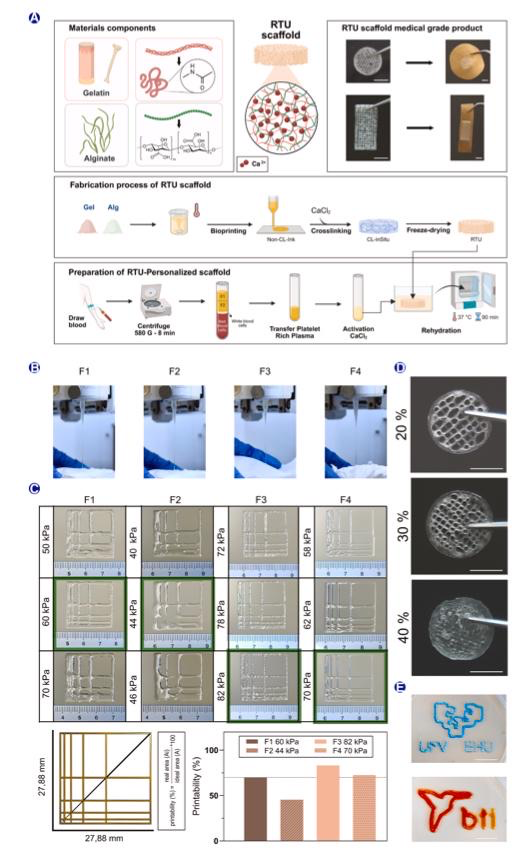
Exploration of the potential of PRGF combined with 3D bioprinting for skin regeneration 🧬🖨️, a promising strategy integrating biomaterials and biological cues to enhance wound healing.
Congratulations to BSPB (@gorka_orive & @LidiaMaeso )
Acabamos de publicar un trabajo experimental sobre sistemas 3D bioimprimibles cargados con PRGF para la regeneración de lesiones dérmicas. Un trabajo entre EHU y @BTIBiotech liderado por @LidiaMaeso. Enhorabuena al equipo BSPB y gracias a @aldo369369369.
https://t.co/zZUoWNtSZi
Peter Higgs no estaba hablando únicamente de física cuando confesó que hoy no conseguiría un puesto académico. Estaba describiendo la transformación silenciosa de la universidad contemporánea: de un espacio para pensar a una maquinaria obsesionada con medir.
La ironía es brutal. El hombre que ayudó a explicar por qué la materia tiene masa, uno de los descubrimientos intelectuales más importantes del último siglo, sospechaba que el sistema actual lo habría considerado “improductivo”. Publicó menos de diez artículos después de su trabajo mas importante en 1964, evitaba el espectáculo académico y desconfiaba profundamente de la cultura de la hiperactividad científica.
La ciencia moderna proclama que busca originalidad, pero sus incentivos premian otra cosa: velocidad, volumen y visibilidad. El investigador contemporáneo no sólo debe pensar; debe producir métricas. Publicar constantemente, acumular citas, gestionar redes, obtener financiamiento, alimentar algoritmos institucionales y demostrar impacto cuantificable en ciclos cada vez más cortos. El resultado no es necesariamente mala ciencia. Es, quizá, una ciencia incapaz de tolerar el tiempo lento que requieren las ideas verdaderamente disruptivas.
El problema no es únicamente administrativo; es epistemológico. Los grandes avances rara vez aparecen bajo condiciones de vigilancia permanente. La física teórica que condujo al bosón de Higgs necesitó décadas de especulación, errores y espacios intelectuales sin utilidad inmediata. Incluso el propio ecosistema que permitió confirmar experimentalmente el bosón dependió de generaciones enteras de trabajo acumulativo cuyo valor era incierto durante años.
Hoy, sin embargo, la academia funciona cada vez más como un mercado financiero del conocimiento: se privilegia lo que genera retornos rápidos y visibles. La curiosidad radical compite contra indicadores de desempeño. El investigador joven aprende pronto que sobrevivir puede ser más importante que arriesgarse intelectualmente.
Y aun así, la figura de Higgs tampoco debe romantizarse por completo. Parte de la reacción contemporánea ha señalado algo incómodo: el modelo del “genio solitario” también puede ocultar privilegios institucionales y exclusiones históricas. La ciencia siempre ha sido colaborativa. El problema no es la colaboración; es cuando la burocracia sustituye a la imaginación y la productividad reemplaza al pensamiento profundo como criterio de valor.
Quizá la advertencia de Higgs sea más relevante hoy que en 2013. Mientras múltiples sistemas universitarios enfrentan recortes, precarización y presión por resultados inmediatos, la pregunta no es si estamos produciendo más artículos científicos. Claramente lo estamos. La pregunta es más inquietante: ¿estamos construyendo un entorno capaz de producir el próximo cambio conceptual que transforme nuestra comprensión del universo? #ciencia
https://t.co/vHzVssbgNP
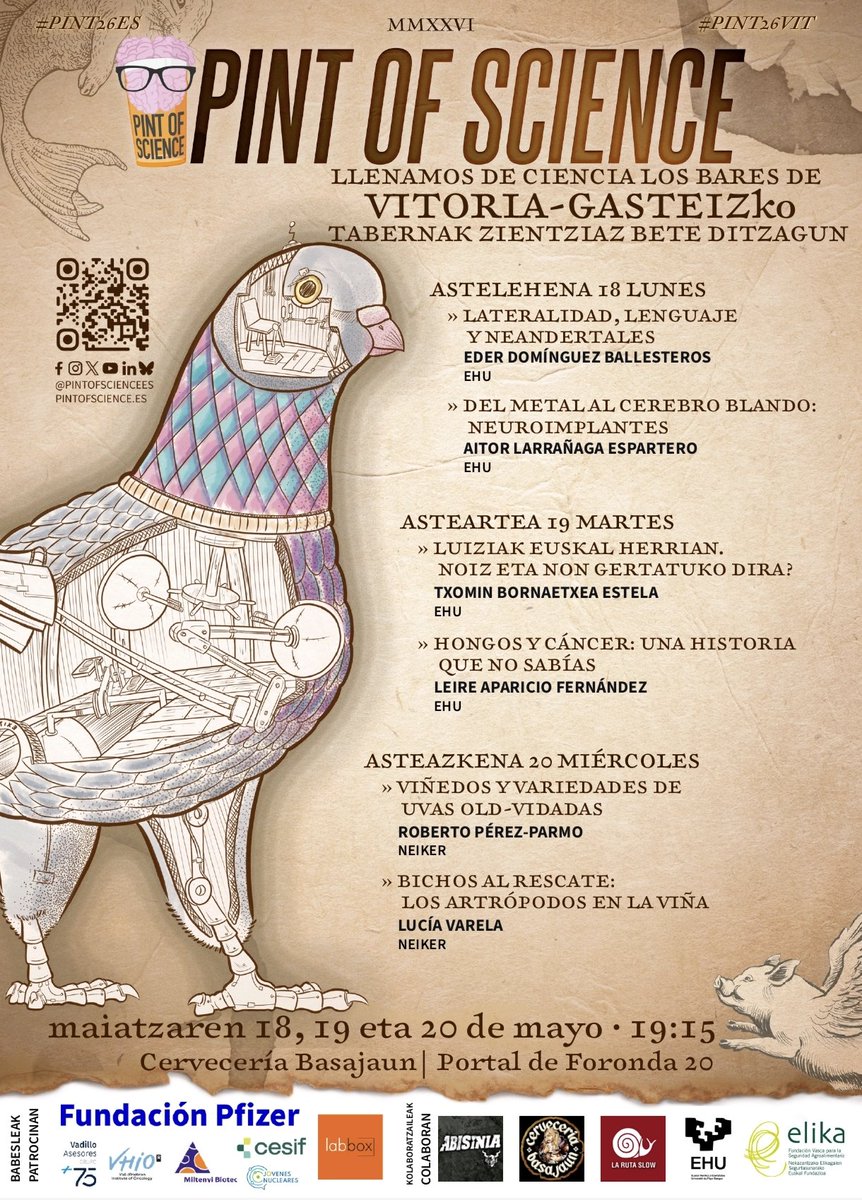
Egun itzela atzokoa Pint of Science-n lehenengo egunean. Eskerrik asko Abisinia eta Basajaun tabernetara hurbildu zineten guztioi 🍺😁 Eta zorionak hizlari guztiei, festa hasiera paregabea 🐦⬛⭐🧠🗣️
Gaur ere baditugu aurkezpen interesgarriak, hurbildu!
Surprisingly (to me, at least), CODA 3D mapping shows that the density of cells in a pancreatic tumor is massively lower than in healthy tissues.
Tumors are first and foremost WMDs: they destroy acini and ducts.
Ya hemos presentado los carteles de Pint of Science de Vitoria-Gasteiz para este año! 🍺🧠 Animate a disfrutar de un poco de ciencia en los barea 📍Basajaun y 📍Abisinia, las tarde del 18,19 y 20 de mayo.
#Pint26VIT
Nos vemos allí!
Atera ditugu dagoeneko Gasteizko aurtengo Pint of Science-ko programazio kartelak 🍺🧠
Botaiozue begirada bat eta pasa zaitezte zientzia pixkat dastatzera 📍Abisinia eta 📍Basajaun tabernetatik maiatzaren 18,19 eta 20an.🔬🧫🌳🏞️
Animatu!
From pipettes to PhD 🎓🧠
After years full of laughs, tears, joys, and struggles (and yes… definitely talking to cells), we can finally celebrate our brand new doctor! Couldn’t be prouder. So lucky to be part of Signalinglab 🍀 Zorionak @irmaneror doktorea, oso harro gaude!! 🥳
Hoy hemos celebrado una nueva reunión BSPB en Amvisa en Crispijana. Gracias a Iker y Batxi. Hemos abierto las puertas a Maite, Jon y Edurne de otros grupos de investigación. Gracias Saioa e Izaro por venir. ❤️
Ayer me organizaron una maravillosa fiesta sorpresa por mi reciente indice H 100. No puedo ser más afortunado de contar con tantos grandes amigos. Gracias de corazón a todos por venir, por hacerme pasar una noche especial y a mis queridos Lidia y Vlad por organizar. ❤️❤️❤️
Observe this mouse blastocyst's transformation. At first, it seems as though the cell is almost self-destructing. But these fracturing mechanisms are actually constructive, creating a cavernous space for a mouse fetus to grow in.
https://t.co/5o0yV5wypt
A cancer cell videoed through a microscope. It has 3 nuclei (magenta). The powerhouse/overlords of the cell, mitochondria, are also shown (green). #CellBiology
New paper out! 🚀
Super happy to see this work on nanopatterned bioresorbable scaffolds for human stem cell (iPSCs & ESCs) differentiation finally published 🧫. Amazing job by Irene Romayor, @JRPineda78 (@upvehu) and Cristina Eguizabal et al!Take a look 🔬 https://t.co/PpPcFnnnOj
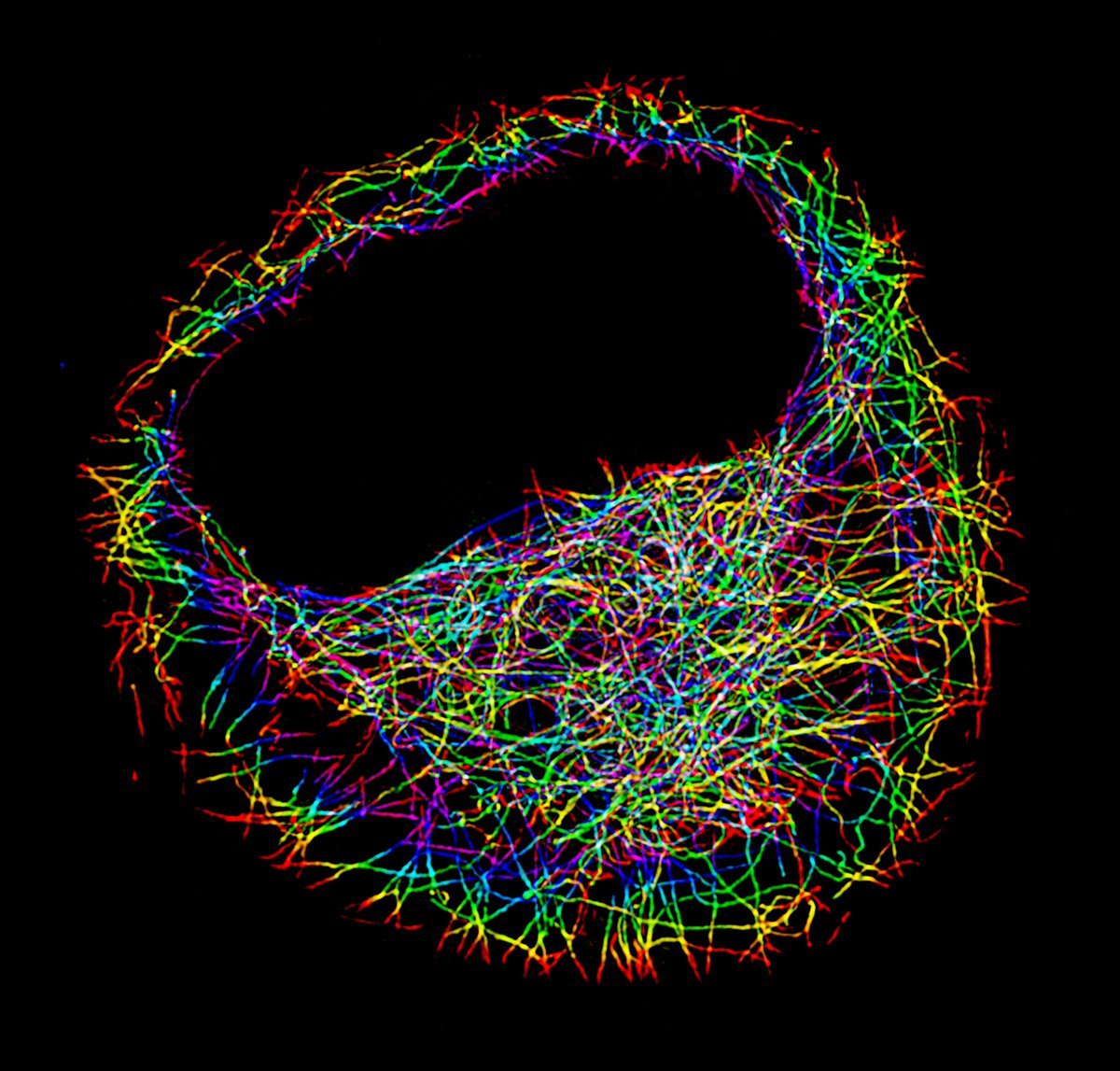
CELL BODY MICROTUBULES
Among other things, microtubules are the tracks used by cells to traffic membranes (e.g., next to the nucleus where the #Golgi resides). It takes super-resolution microscopy to resolve and study this complex microtubule-network (image).
#CellBiology
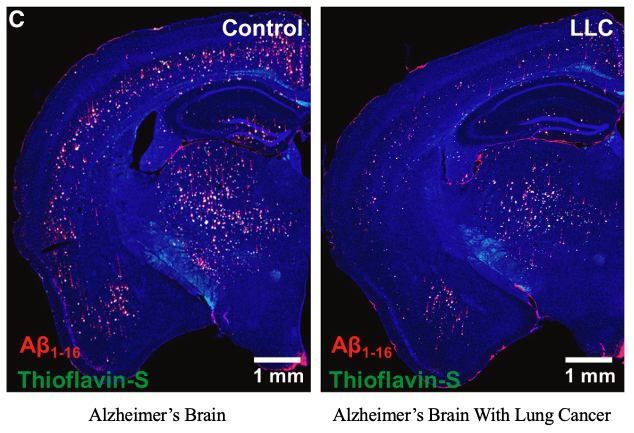
Cancer patients rarely get Alzheimer's.
And a 15-year study in @Cell just explained why. They found a protein that clears brain plaques in mice - by activating the brain's own IMMUNE CELLS 🧵
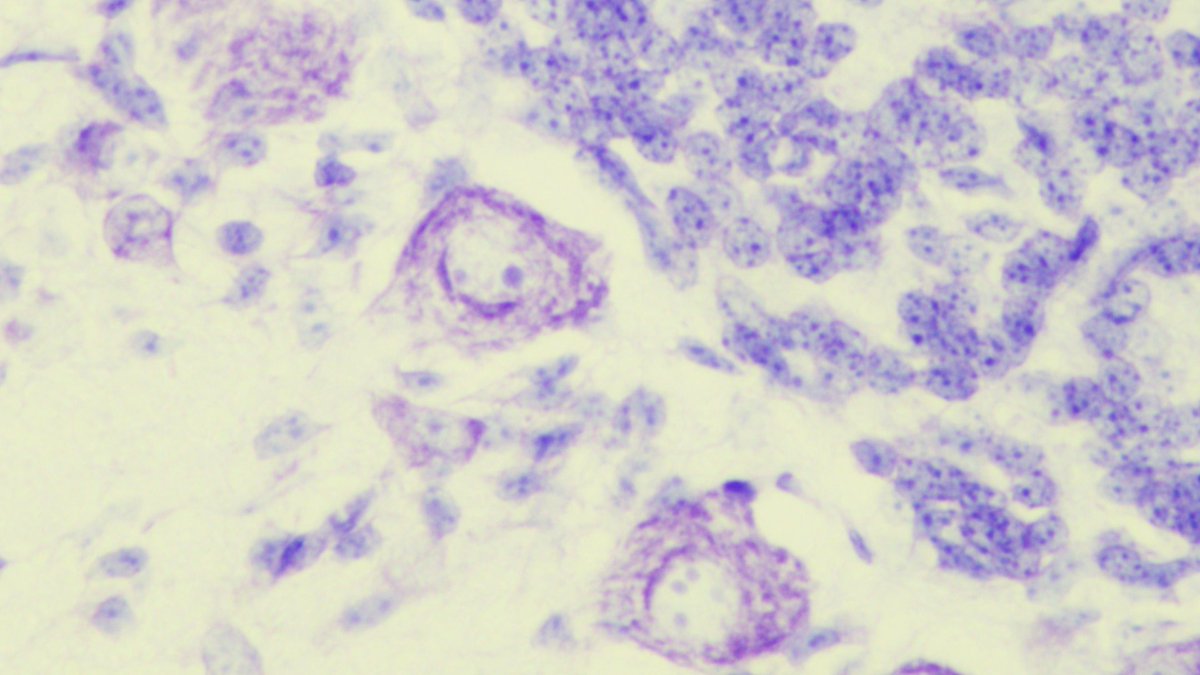
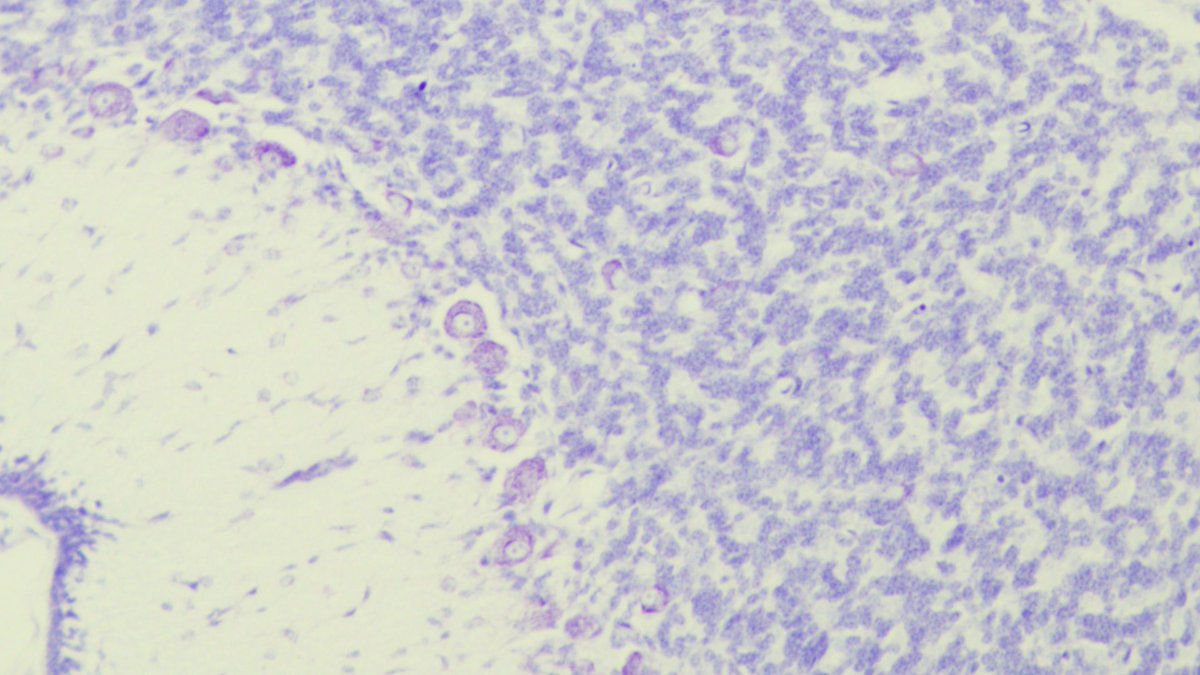
🔬✨ This month I bring a cerebellar histology in H&E and Nissl stain. #MonthCellPic 🧠A closer look at the Purkinje cells, the master integrators of cerebellar circuits.
Gaur zerebeloaren irudia: koordinazioa, oreka & ikasketa motorra fintzen dituzte Purkinje neuronek!🤸♀️
Dear friends,
We are excited to share some details for the 8th International Symposium on Peripheral Nerve Regeneration.
Dates: 22nd June -24th June 2026.
City: Granada, Spain
Host institution: Faculty of Medicine, University of Granada, Spain.
Feel free to contact us!
An iPSC-derived heart muscle cell assembling sarcomeres videoed through a spinning disk confocal microscope by Burnette Lab graduate student, @EmmaKoory. Alpha-actinin-2 is shown. Colors denote Z slices (red-bottom; green-middle; blue-top). Movie length- 40 hours.
By popular demand — the next edition of our hands-on @Stanford@BrOrganogenesis course is coming in 2026!
This year, the focus turns to neural #assembloids, reflecting the growing movement toward modeling circuit-level and complex cell-cell interactions in brain disease.
The course remains free (including lodging) and is taught by my lab for a full week.
We look forward to welcoming another cohort of 20 participants from all over the world selected from hundreds of applications each year.
Organized by an amazing trio of scientists: @RebeccaJLevyMD, Sabina Kanton, and Merve Avar.
Supported by @BrOrganogenesis, @StanfordBrain, @StanfordBioX, and @NIH_NINDS.
🧠 Deadline: mid-December