Does trait choice change the outcome of hybrid Species Distribution Models under climate change? We tested this and fond that correlative & hybrid models converged, both pointing to future range shifts.
Read at: https://t.co/YXyJg6Tj4c
#Marinebiology#climatechange
Our new study shows that ocean currents are a major limiting factor for species shifting their distributions under climate change. Expansions are reduced by up to 48% for marine forests when accounting for dispersal.
Read: https://t.co/cXlc7l38SV
#biodiversity#datascience
80% of marine Species Distribution Models ignore acidification and deoxygenation. We show that by considering these drivers, predicted range contractions for cold-water corals can scale up to 21.4%!
#datascience#climatechange#corals
Read: https://t.co/Uv1ohTq0wM
PhD opportunity in Marine Macroecology 🌍
Global mangrove biodiversity: drivers, patterns, and resilience under climate change. Strong mentorship and support for a competitive FCT PhD fellowship application.
Send a brief CV: https://t.co/Nr0orS8HtT
Our new study found that Ocean currents connect macroalgae to deep carbon sinks. In Greenland, floating seaweed mats travel via surface currents to deep ocean sinks, where winter mixing forces them to sink and sequester carbon for centuries.
Read: https://t.co/NFMd2AGug1
Our new study found: marine #aquaculture can resist #ClimateChange if we meet the 1.5°C #ParisAgreement target, but higher emission scenarios threaten 100% of current high-value producing zones.
Read: https://t.co/JTakSSC94M
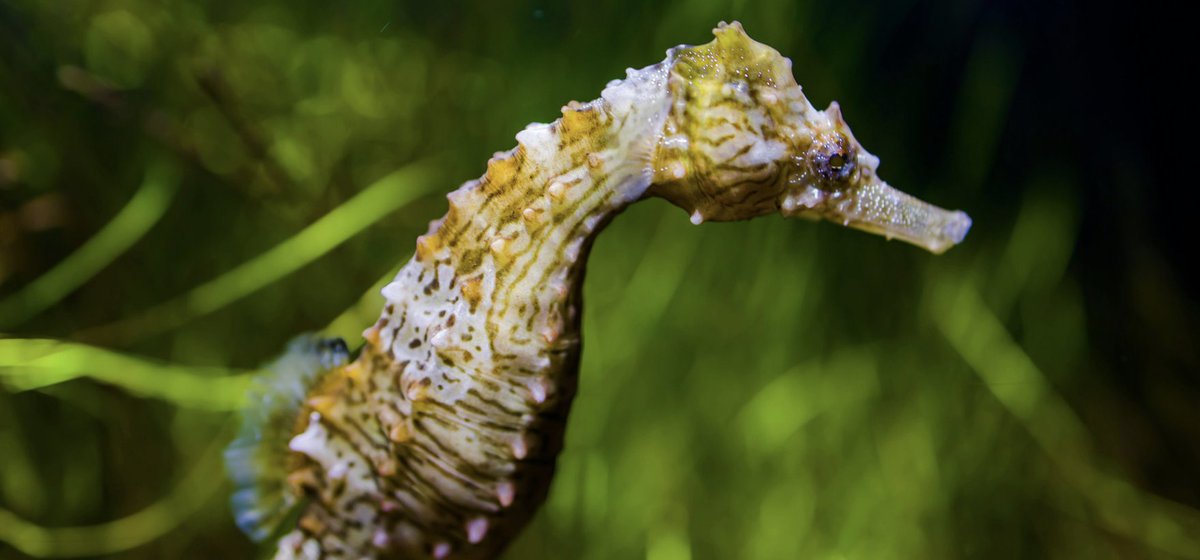
New research. #Seahorse species won't just "shift north" with #climatechange. Integrating ocean current modeling with habitat forecasting shows that limited dispersal potential creates a massive conservation risk (habitat contract by 45%).
Read at: https://t.co/w5Zj0L2h0X
We mapped the global shipless areas and conflict zones between intense shipping and marine megafauna like cetaceans, sea turtles, pinnipeds, and seabirds severely impacts.
Read the paper at: https://t.co/JoVY5sHNy0
New research paper: Future #climatechange will force cold-water #corals to shift poleward and deeper, causing significant #biodiversity loss in shallow, low-latitude regions unless global emissions are drastically reduced.
https://t.co/n5eSxcHL6J
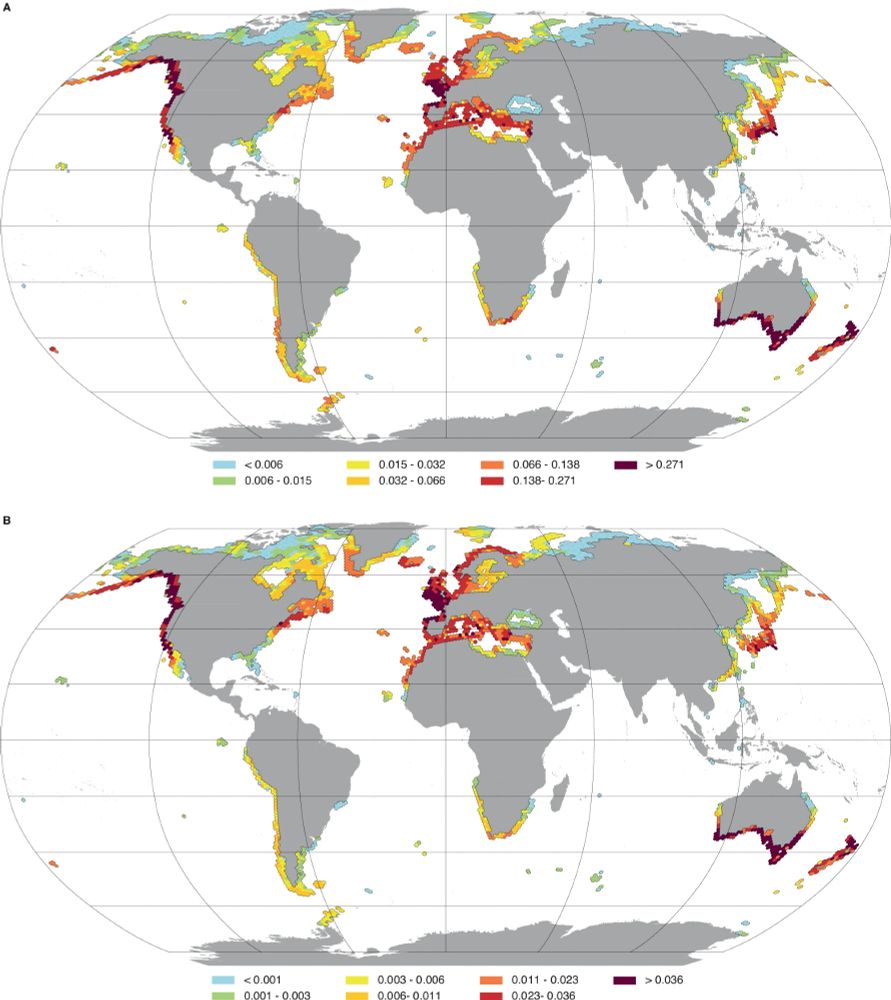
New publication! We mapped the global genetic diversity of marine forests of brown macroalgae. Using genetic data, machine learning & past climate projections, we identify hotspots of diversity that shape resilience & conservation priorities.
https://t.co/XY0vQAugBg
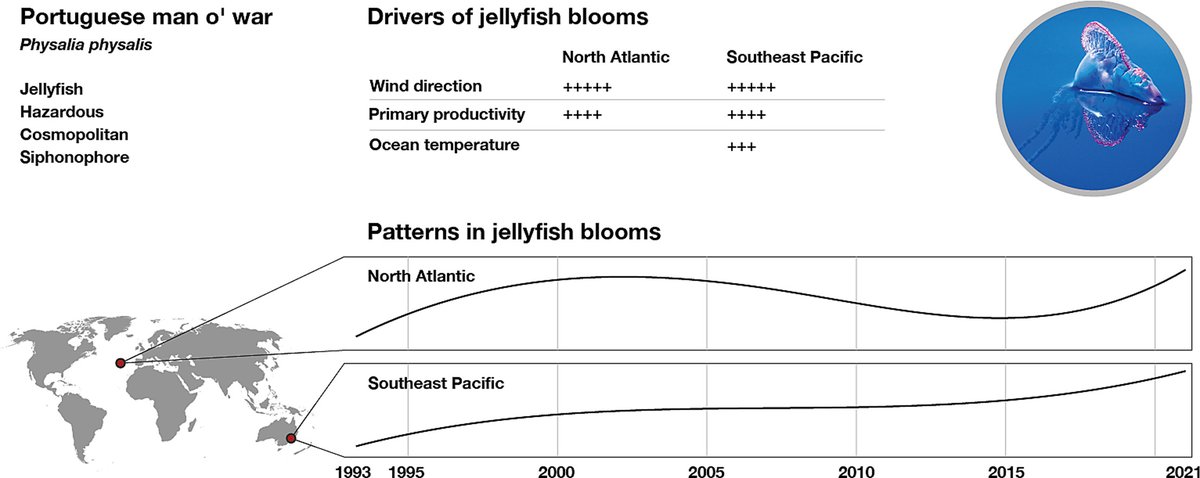
🪼Portuguese man o’ war blooms disrupt ecosystems, human health, and economies. We provide a better understanding on its drivers and patterns, supporting the development of coastal management strategies.
https://t.co/uWS96HBy6C
#MarineScience#ClimateChange
Sea Change Ep. 1: How subsurface marine heatwaves threaten ocean life.
The #podcast unpacks how species are being pushed to their thermal limits, endangering biodiversity in ways previously overlooked.
https://t.co/RtDiASs9Fv
[new study] Climate change can produce global shifts in #seagrass ecosystems: expect Arctic expansions, tropical losses, and major community composition changes by 2100. These findings highlight the urgent need to reduce carbon emissions.
https://t.co/Ye4nx5w4bo
We are hiring a Post-doc Researcher to aid designing a network of MPAs in Europe. The selected candidate will work on critical topics like climate change effects and connectivity modelling.
https://t.co/Gq20wLOBaE
Daru & Rock's paper on seagrass range shifts under climate change has serious flaws. Their species distribution models (SDM) misuse the concept of model transferability, leading to inaccurate results.
#marinescience#conservation#seagrass#natureplants
https://t.co/bYS9WXYVJp
Our recent publication shows that climate change could put up to 80% of key species at risk by 2100 under high emission scenarios. Urgent action is needed to meet the Paris Agreement and safeguard our marine ecosystems.
https://t.co/iRfd8E2jfn
#ClimateChange#ParisAgreement
Our latest study dives into the impacts of past and future climate change on surfgrass species in the Northeast Pacific. We explore how historical range shifts and future climate change affect genetic diversity.
https://t.co/XMThyQlRvj
#ClimateChange#GeneticDiversity#Seagrass