We’ve disaggregated our CPD to make it shorter and more frequent throughout the year at @HaggerstonSch.
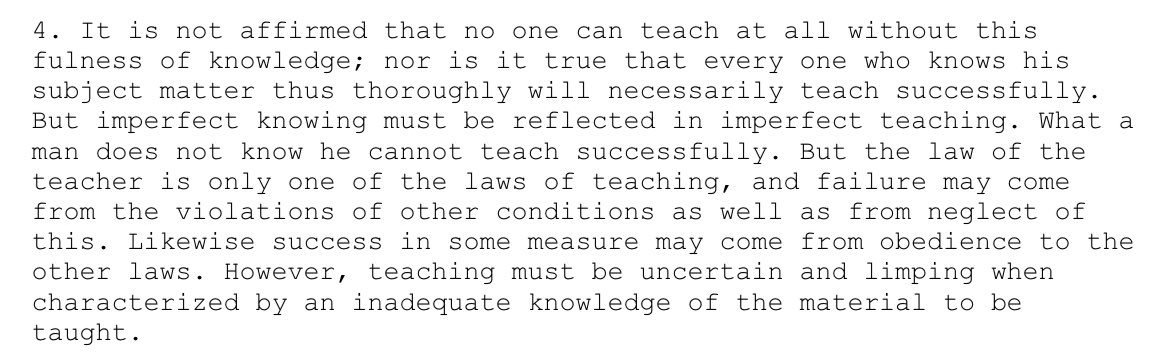
On Friday we used our Twilight to explore ‘adaptive expertise’ and what that practically means in the classroom. Some shares below👇🏽
One of our school values is aspiration, which we define as striving to be the best you can be.
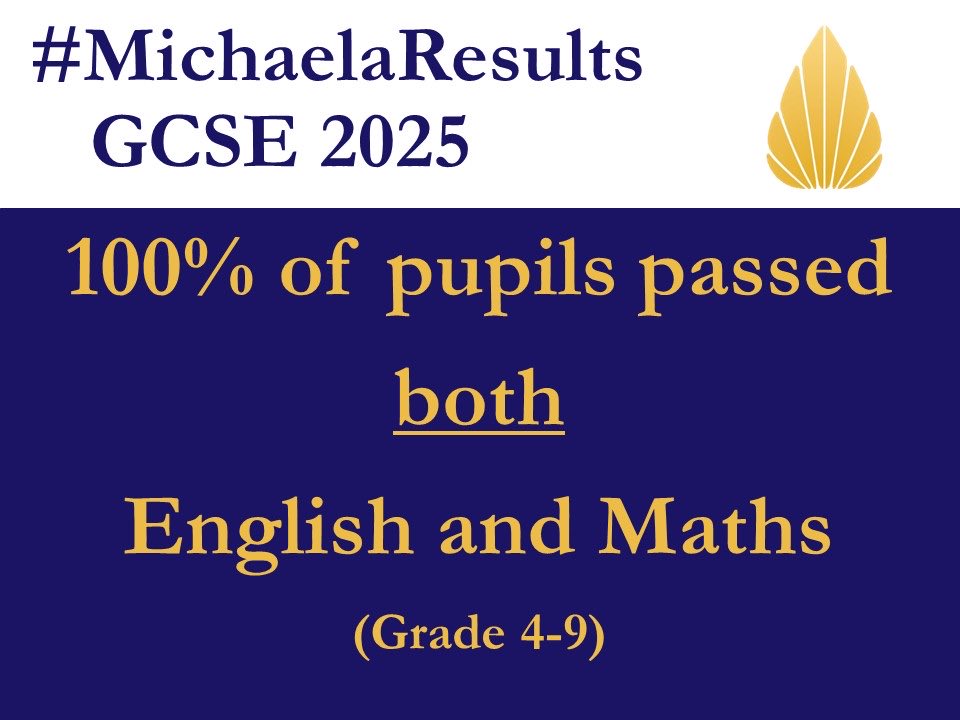
In wider society, there is often a narrative that achieving a Grade 4 particularly in English and Maths is “all you need” for the next steps. In my view, this is a risky message. It risks placing a ceiling on what students believe they can achieve, and limits the knowledge, skills and opportunities they leave school with.
At our school, we want to challenge that ceiling. We believe in promoting high aspirations in everything we do, so that every student has the opportunity to reach and even exceed their potential, regardless of prior attainment or target grades.
This is why I believe target grades can sometimes be more of a distraction than a motivator. They can narrow focus for students, teachers, and parents, when our shared goal should always be about growth, ambition and unlocking the very best in every individual.
Oracy is yet another educational fad/distraction that doesn’t work.
Focus on Oracy forces a school to organise itself around a mistaken concept, making it harder to succeed - not impossible, but harder.
We do NOT do Oracy at Michaela.
1/15
Procrastination can be a major threat to independent study.
Despite having the desire and the strategies, many students (and adults) struggle to get started.
We can help reduce this risk by pre-empting procrastination.
↓
Many students recognise the power of spacing their study.
However, few manage to make it work consistently in practice.
@examstudyexpert suggests that spacing rituals can help students overcome this knowing-doing gap.
↓
Last call for parents, governors, pupils, teachers and support staff to contribute to our consultation on the future of inspection.
This link will take you through all of our proposals.
https://t.co/4uIoiAURVN
Coming in July: The TLAC Guide to the Science of Reading.
What's in it you ask?
Seven arguments about what the research tells us reading should look like after students have mastered phonics. 🧵
NEW ‘Power and Conflict - The Interpretations’ revision booklet. I always get my students to consider 3 interpretations of each poem and ask them to consider which they agree with the most. It’s a great springboard for debate and considering new ideas. I have collated these into a new revision resource. Use/chuck/change as you see fit! @Team_English1
https://t.co/fXTHf0WjkR
What every teacher needs to know about assessment.
eBook on how effective teaching requires ongoing professional development in assessment.
Download now: https://t.co/jGq3np7O1Z
How the words students hear changes significantly at the transition to secondary school.
Really interesting research with specific examples via Prof Alice Deignan & Marcus Jones.
https://t.co/c6rN0CAn8E