Lake Victoria's vast shoreline holds significant untapped potential for trade, transport, fisheries and livelihoods.
Through its Blue Economy agenda under the Bottom-Up Economic Transformation Agenda (BETA), the Government is investing in infrastructure to turn this potential into productive economic activity.
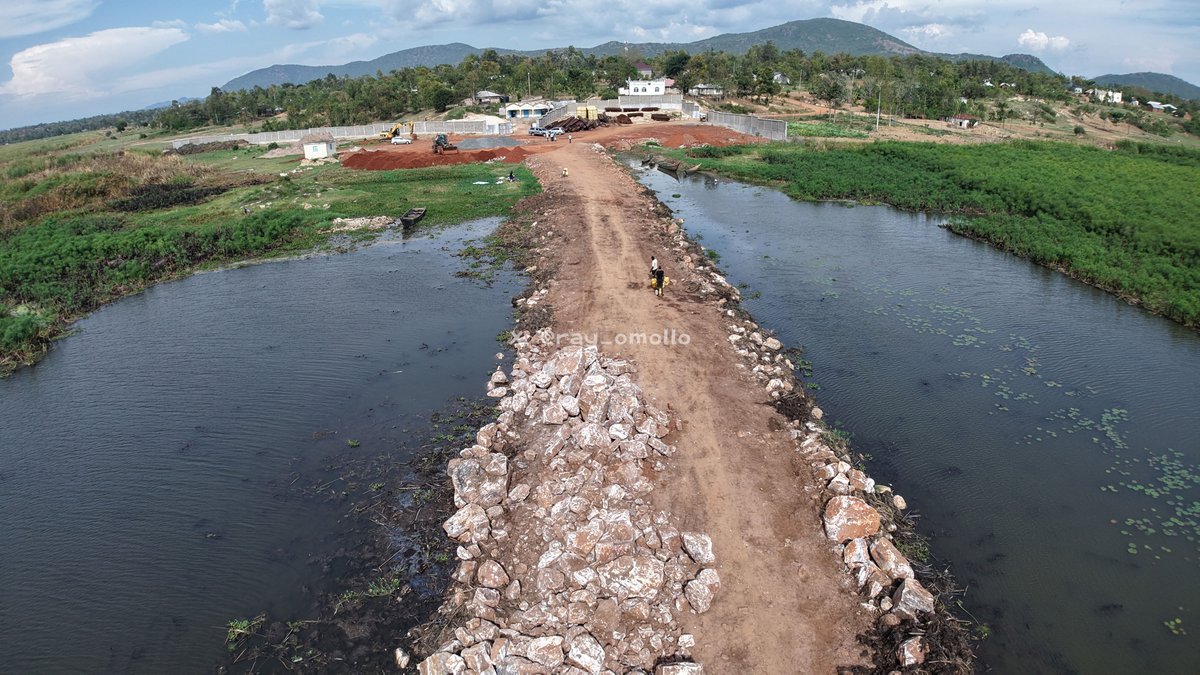
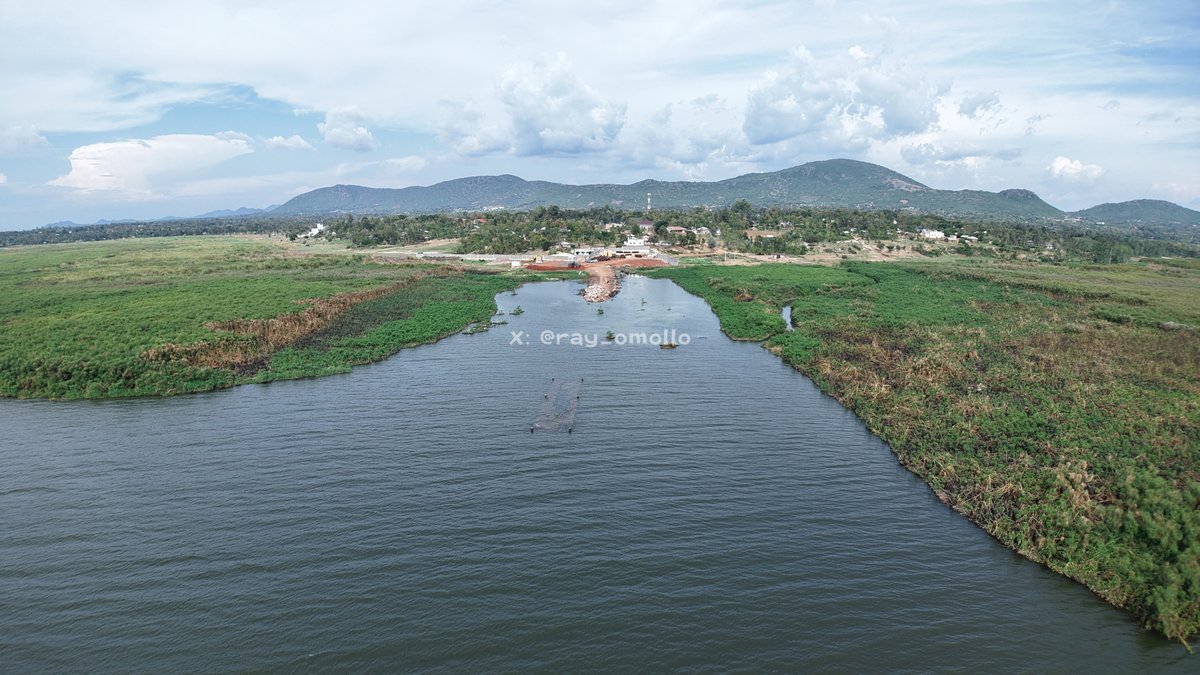
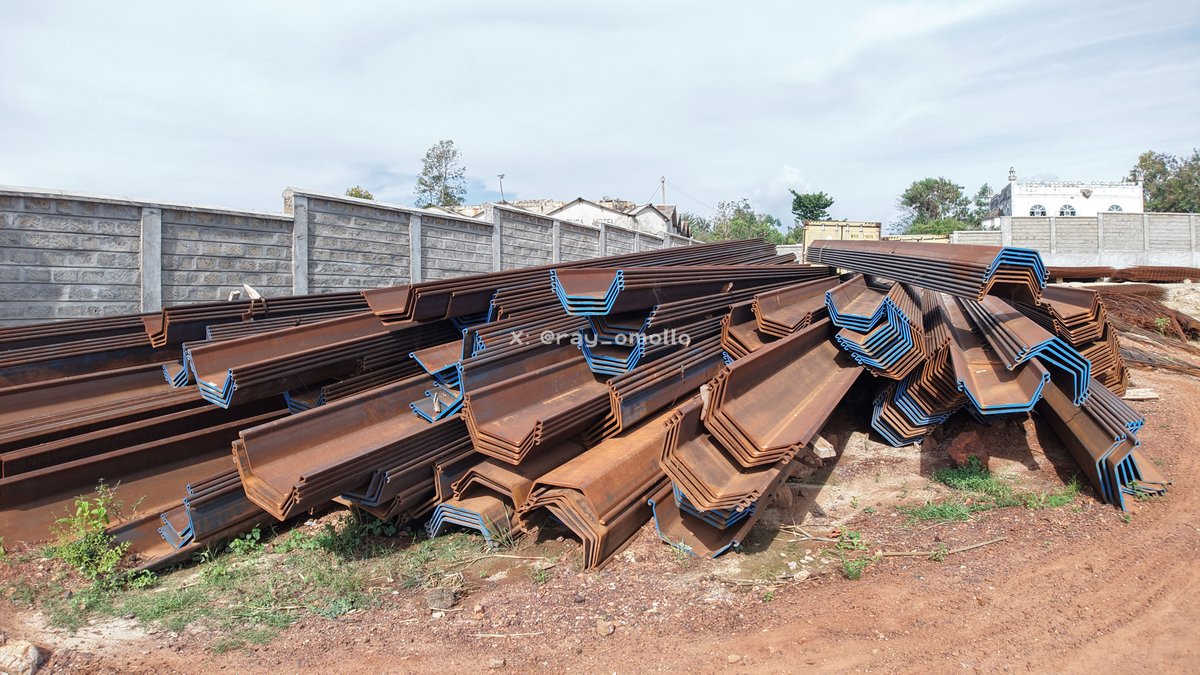
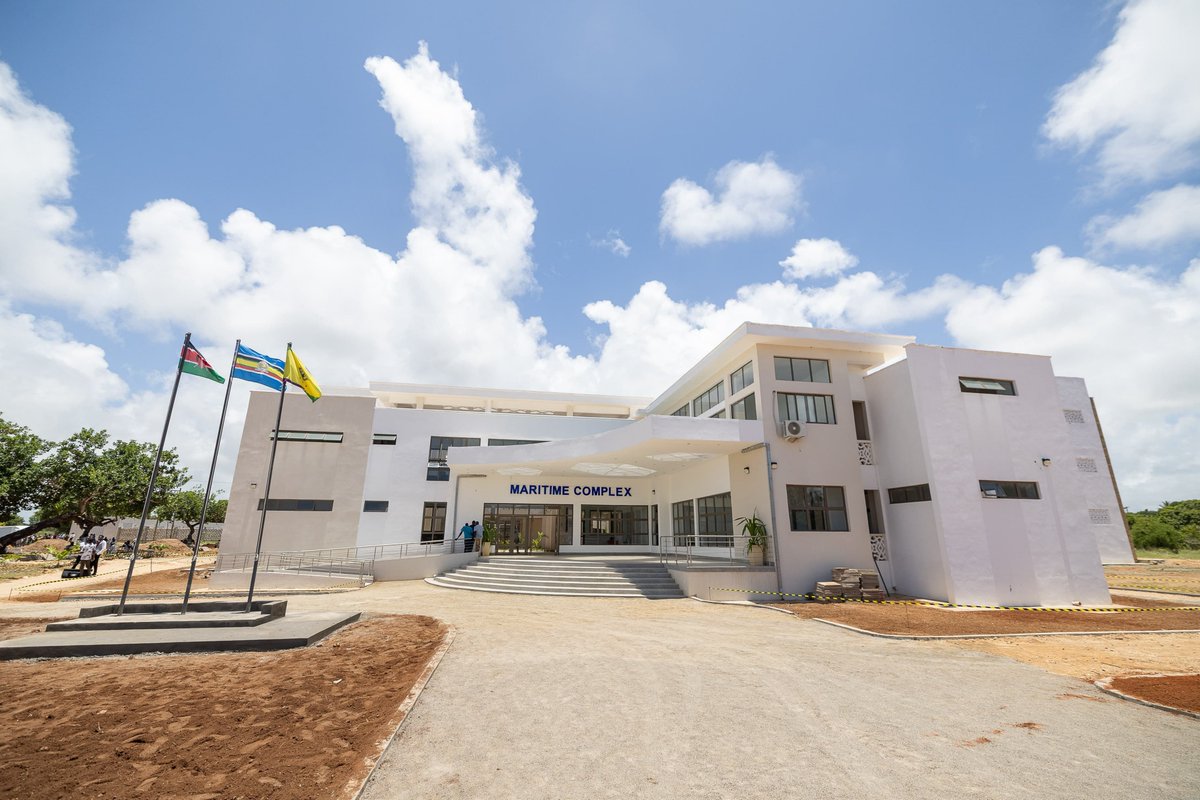
The redevelopment of Sio Port Pier in Busia County is part of this effort, positioning the lakeside facility as a stronger gateway for commerce and connectivity.
The project includes a modern pier and jetty, strengthened waterfront, improved navigation channels, cargo handling and storage facilities, a passenger waiting area and offices for agencies supporting trade and border operations.
Separate berthing areas will serve small boats and commercial vessels, improving safety and efficiency on the water.
Implemented by the Kenya Ports Authority (KPA) and constructed by Kenya Shipyards Limited, the development will support inland water transport, cross-border trade and new livelihoods around the Lake Victoria Basin.
The State Department for Internal Security and National Administration is contributing through enhanced border surveillance, maritime security coordination and multi-agency operations to support safe and efficient port activities.
The Economic Stimulus Programme (ESP) is among the most tangible initiatives under the Bottom-Up Economic Transformation Agenda (BETA), expanding opportunities for small and medium-sized traders and strengthening grassroots enterprise.
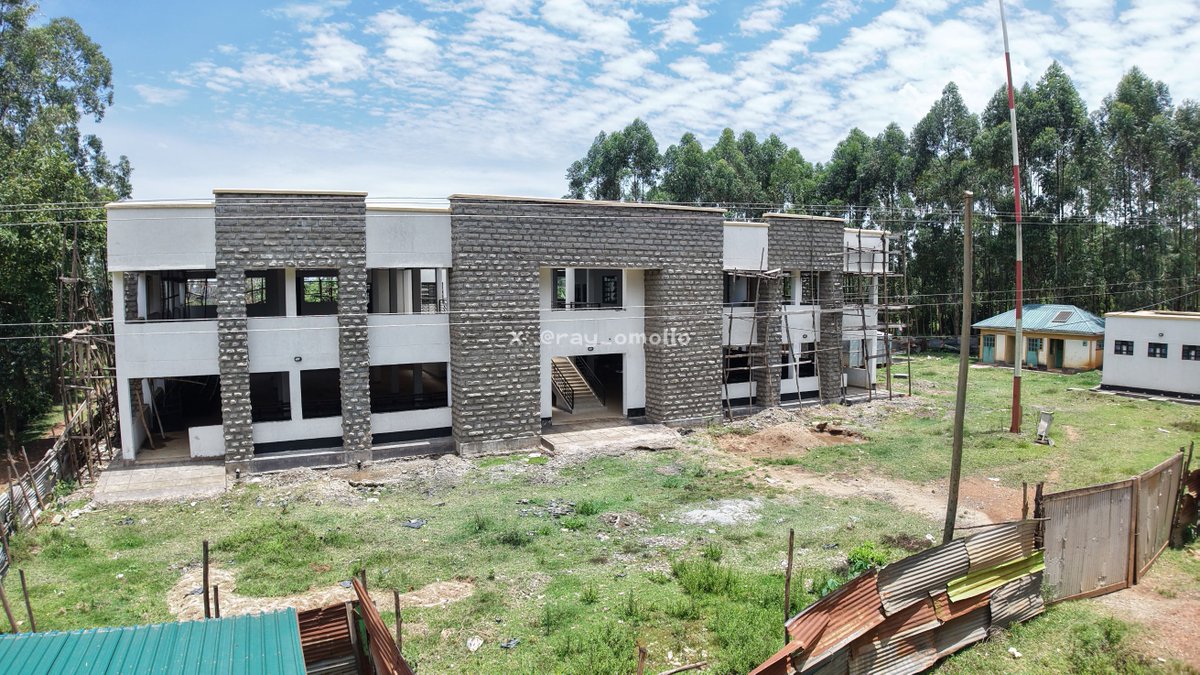
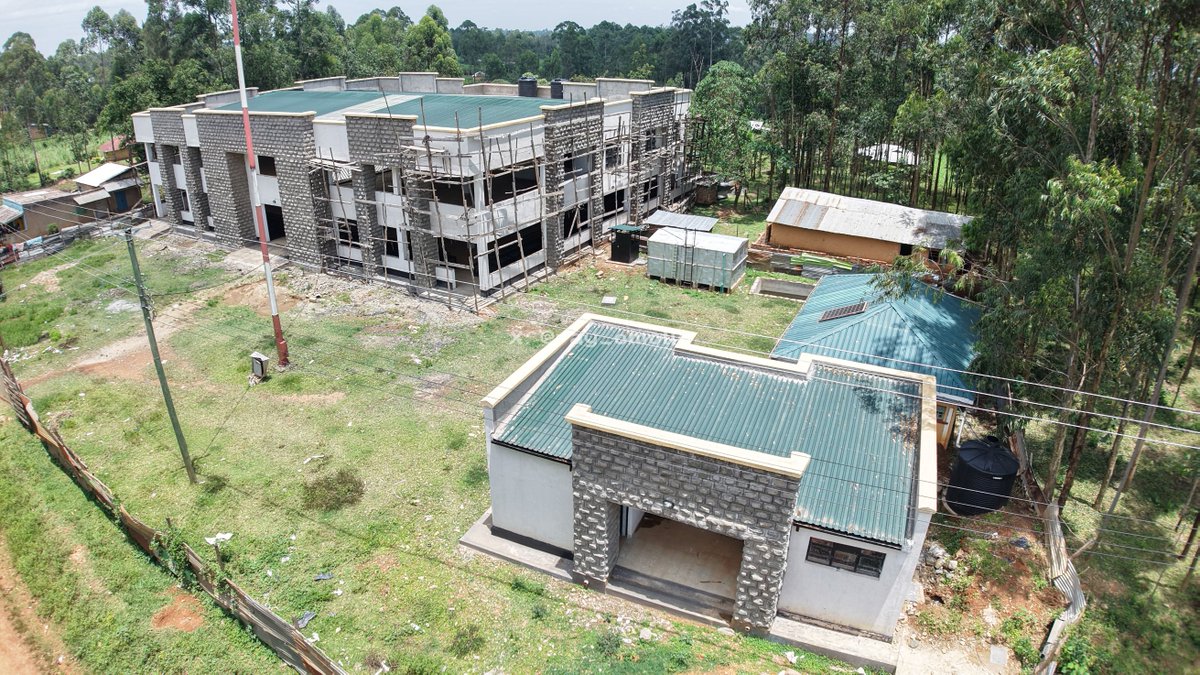
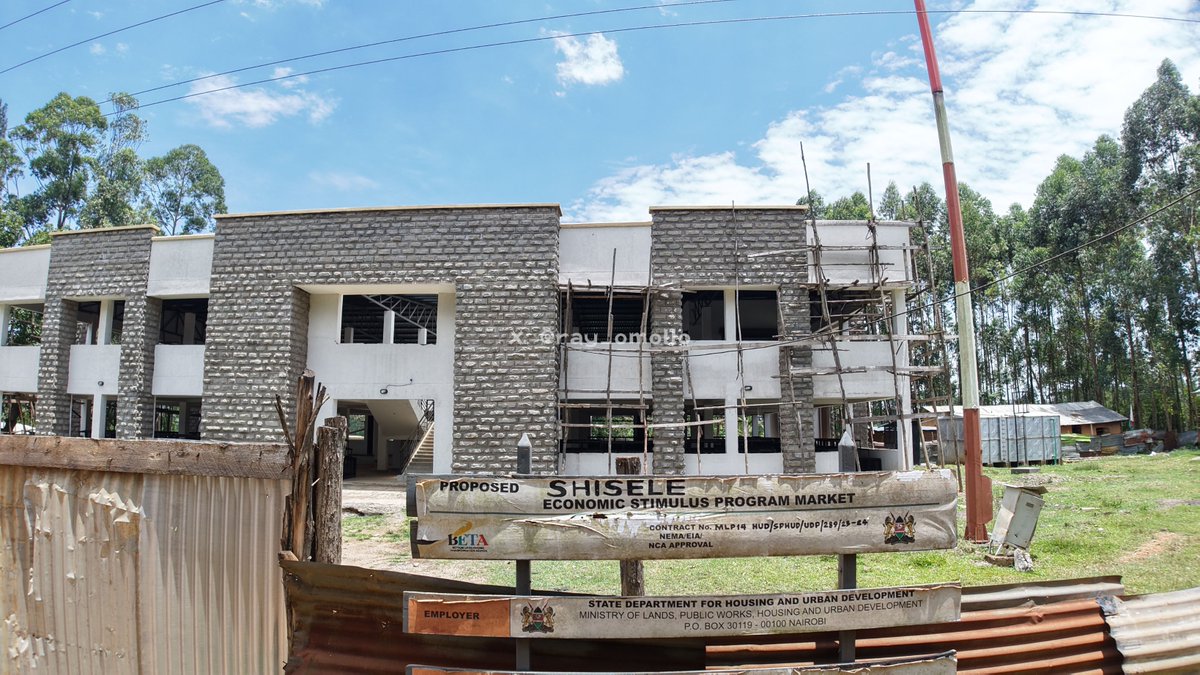
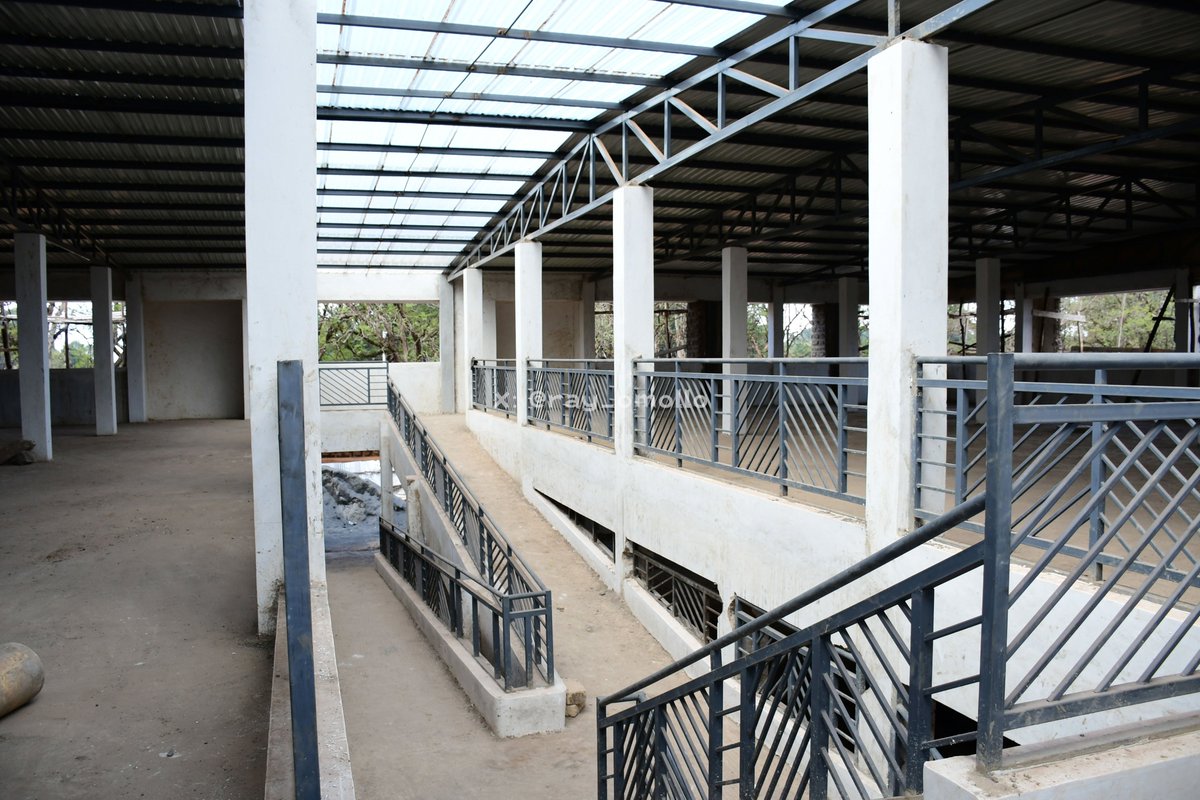
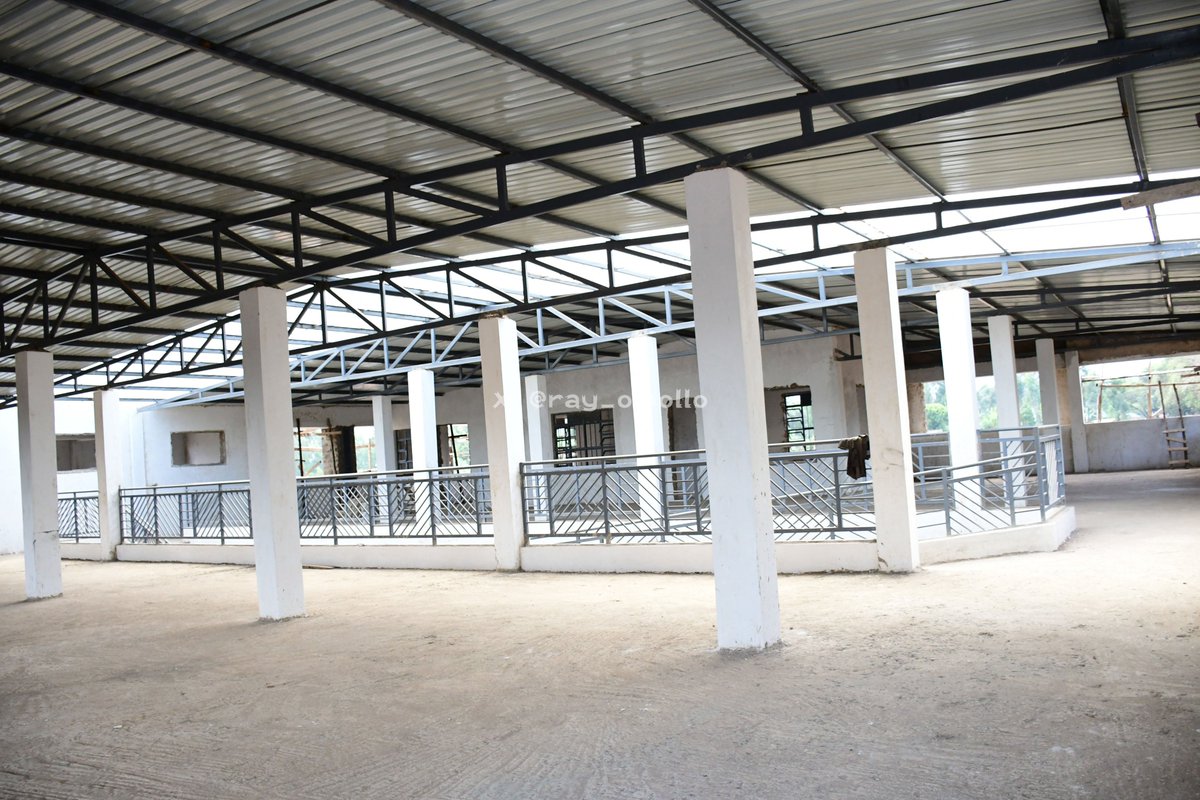
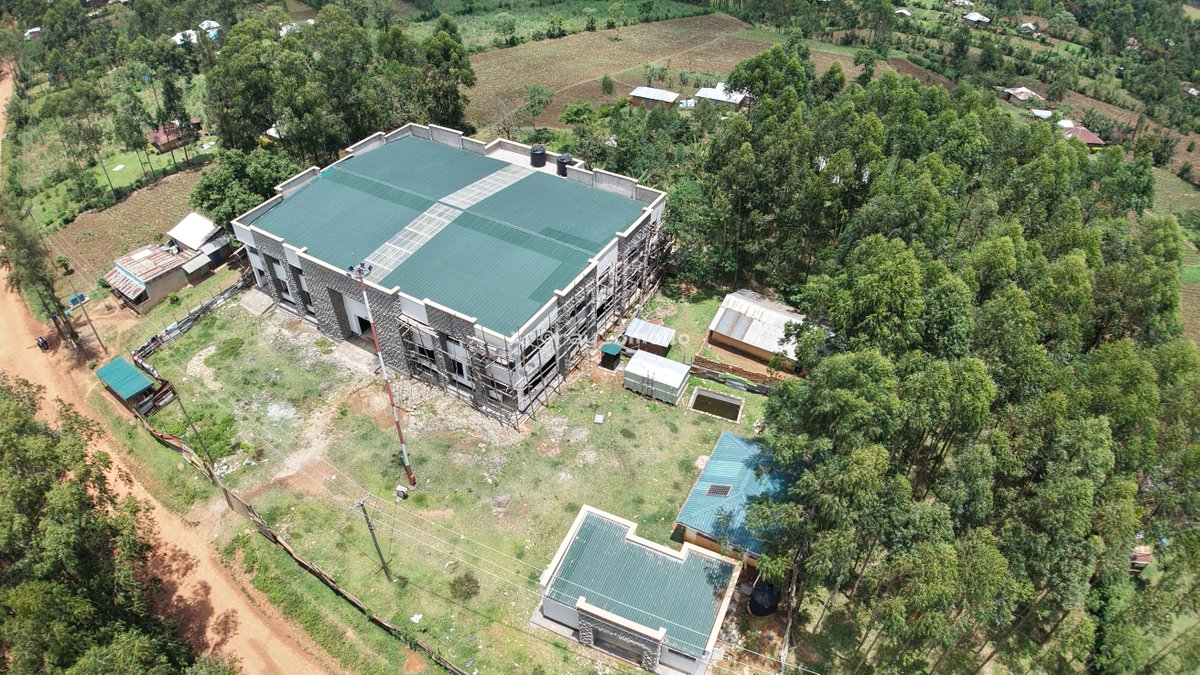
The almost completed Shisele ESP Market in Kakamega County, which began construction in July 2024, is a practical expression of this commitment.
With only minor finishes remaining, the market provides a modern and orderly space for local traders.
Completed facilities include terrazzo flooring, an ICT room, social hall and fitted kitchen, while the project has already created employment and is expected to expand commercial activity once fully operational.
A secure trading environment is essential to a thriving local economy. The State Department for Internal Security and National Administration is therefore supporting coordinated project implementation and security, helping protect the facility, traders and economic activity it will support.
To realise the goals of Kenya Beyond Vision 2030, we must also advance the wider African aspiration of transforming our continent from primarily a consumer of finished products into a continent that produces, processes and exports. That transformation will require deliberate investment and, importantly, intentional leadership by African leaders.
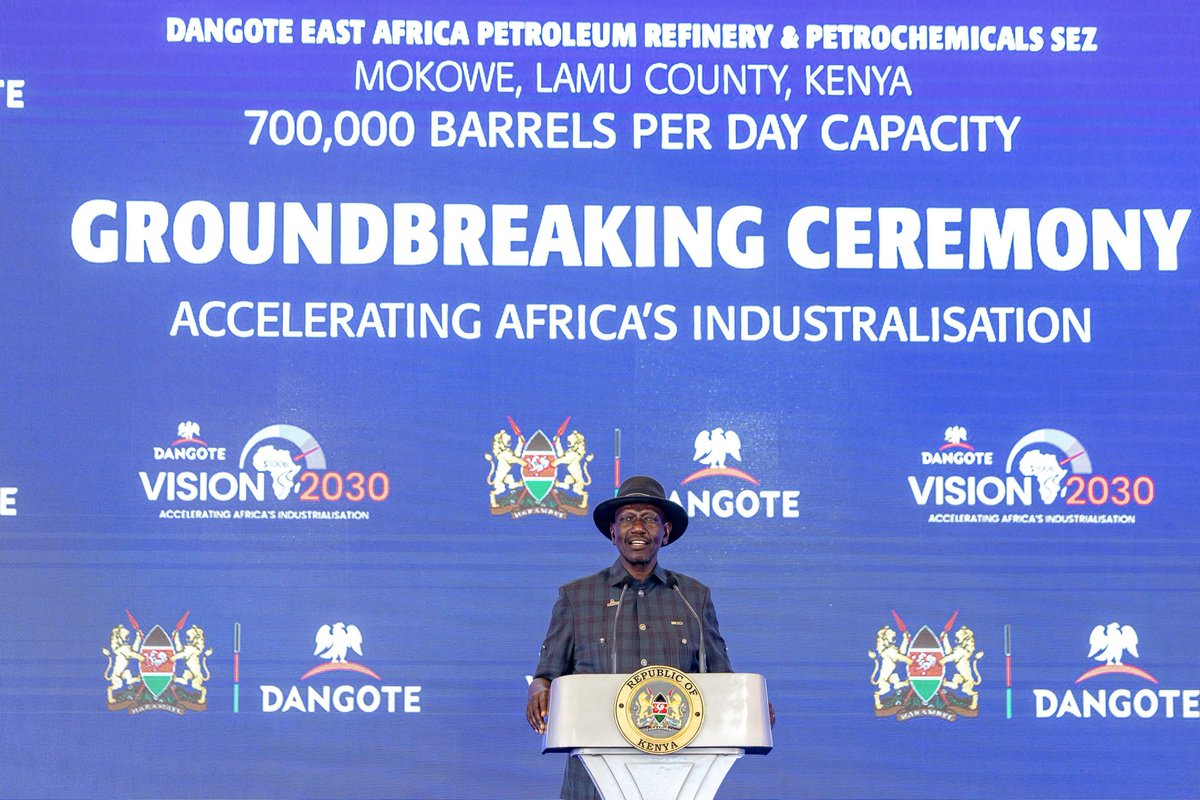
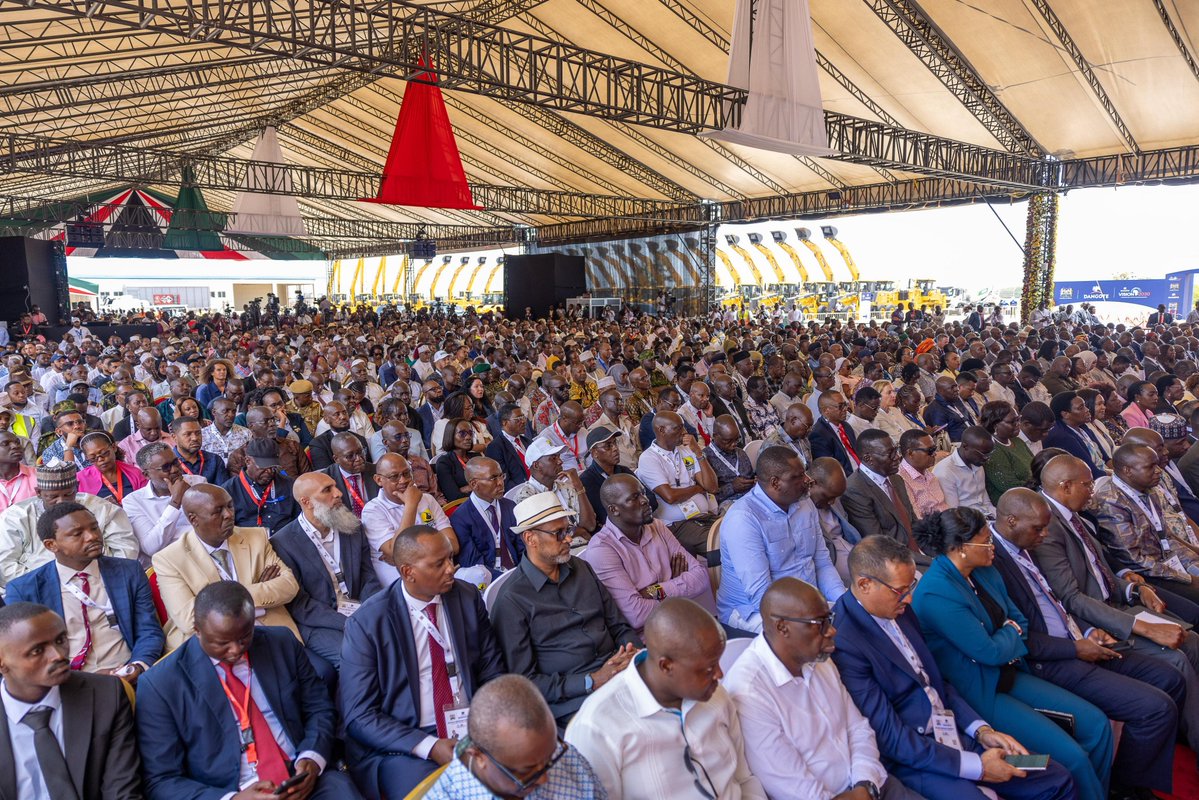
The Dangote East Africa Petroleum Refinery and Petrochemicals SEZ in Lamu is a step in that direction.
With a planned capacity of 700,000 barrels per day, it will process crude oil from Lokichar in Turkana, other parts of Africa and international markets, supplying refined petroleum products to Kenya and the wider East and Central Africa markets.
The project is expected to create more than 60,000 jobs while opening opportunities in storage, logistics, shipping, manufacturing and petrochemicals.
Located along the Lamu Port, South Sudan and Ethiopia Transport (LAPSSET) Corridor, it will also strengthen Lamu's position as a regional gateway for energy, trade and investment.
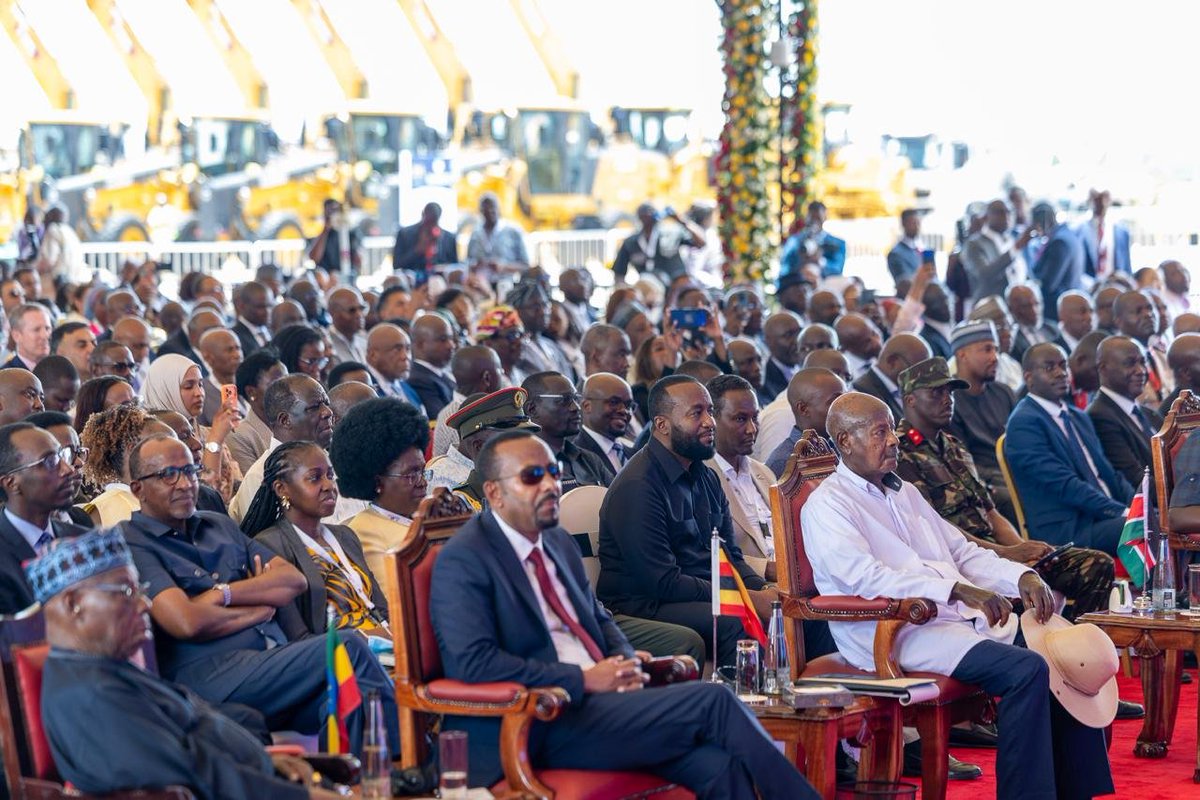
Presided over by H.E. President @WilliamsRuto and @AlikoDangote, CEO of Dangote Industries Limited, we joined other Heads of State, national leaders and high-profile dignitaries from across the continent for the groundbreaking ceremony of the Dangote East Africa Petroleum Refinery in Mokowe, Lamu County.
The Bottom-Up Economic Transformation Agenda (BETA) is not only about uplifting livelihoods; it is also about restoring hope and giving a new lifeline to communities that endured years of economic decline and limited public investment.
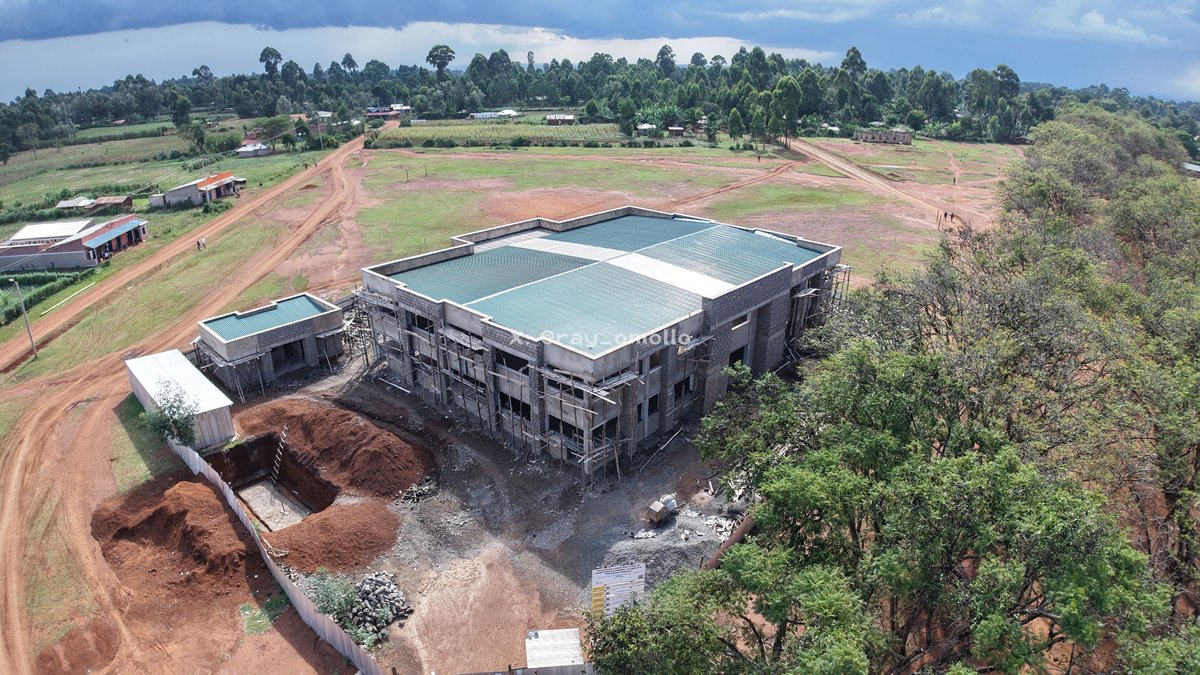
In Lugari Constituency, Kakamega County, the Panpaper ESP Market is helping write that new chapter in an area whose fortunes were deeply affected by the collapse of Pan-African Paper Mills in 2009.
Construction is now at an advanced stage, with painting, floor finishes, mechanical and electrical installations, fittings and other final works underway.
The facility will provide 200 permanent stalls and an open trading area for up to 600 traders during regional market days.
Designed to support modern commerce, the market also includes a refrigeration centre for fresh produce, an ICT hub, breastfeeding room, administration boardroom and modern ablution facilities.
The investment is creating a new commercial platform for traders, farmers and small enterprises in a community seeking to rebuild its economic base.
Project delivery is being coordinated by the State Department for Internal Security and National Administration through local institutional linkages that help protect the continuity of implementation and safeguard the conditions necessary for trade and commerce.
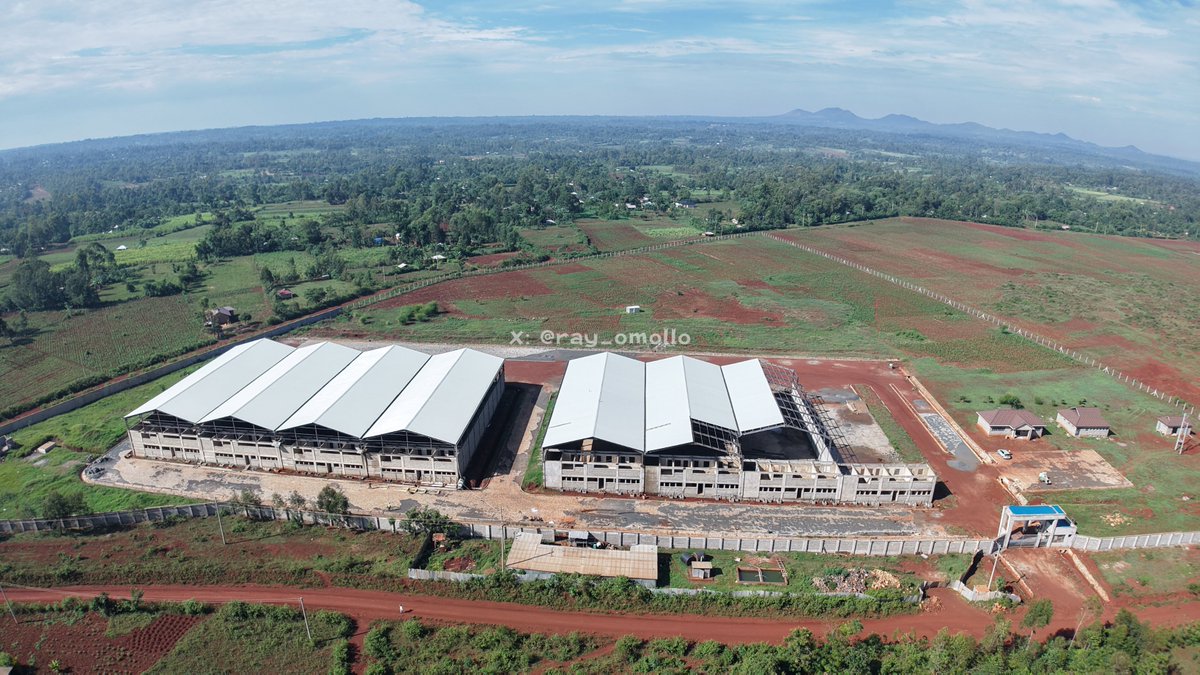
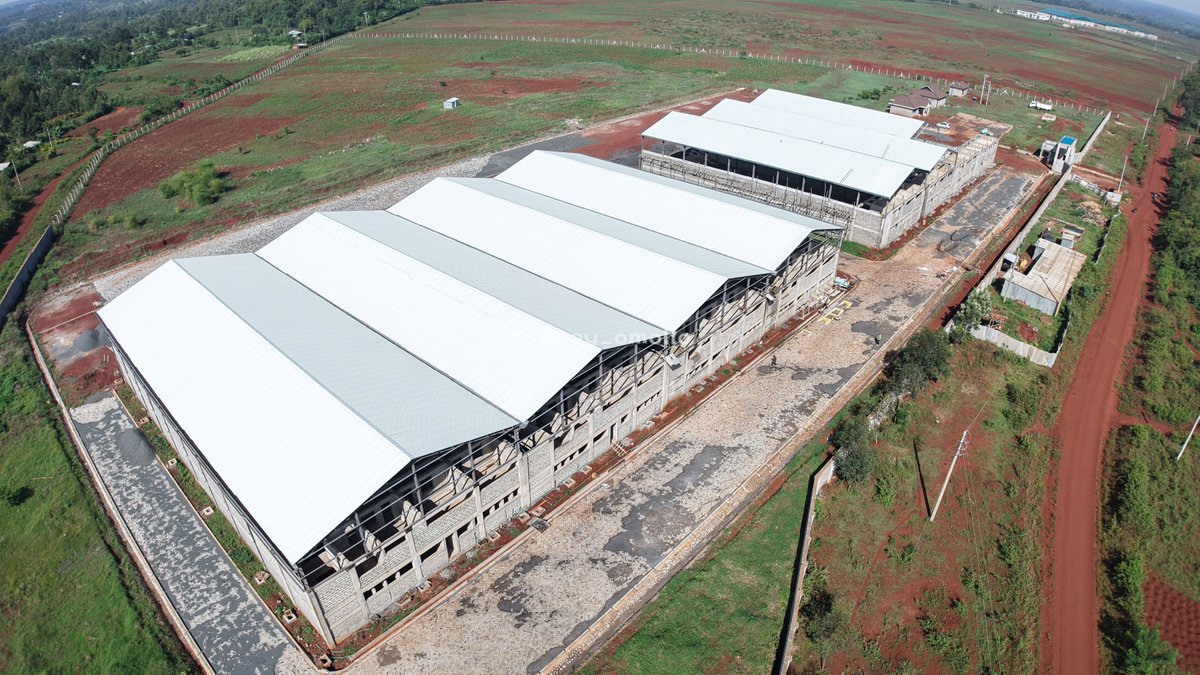
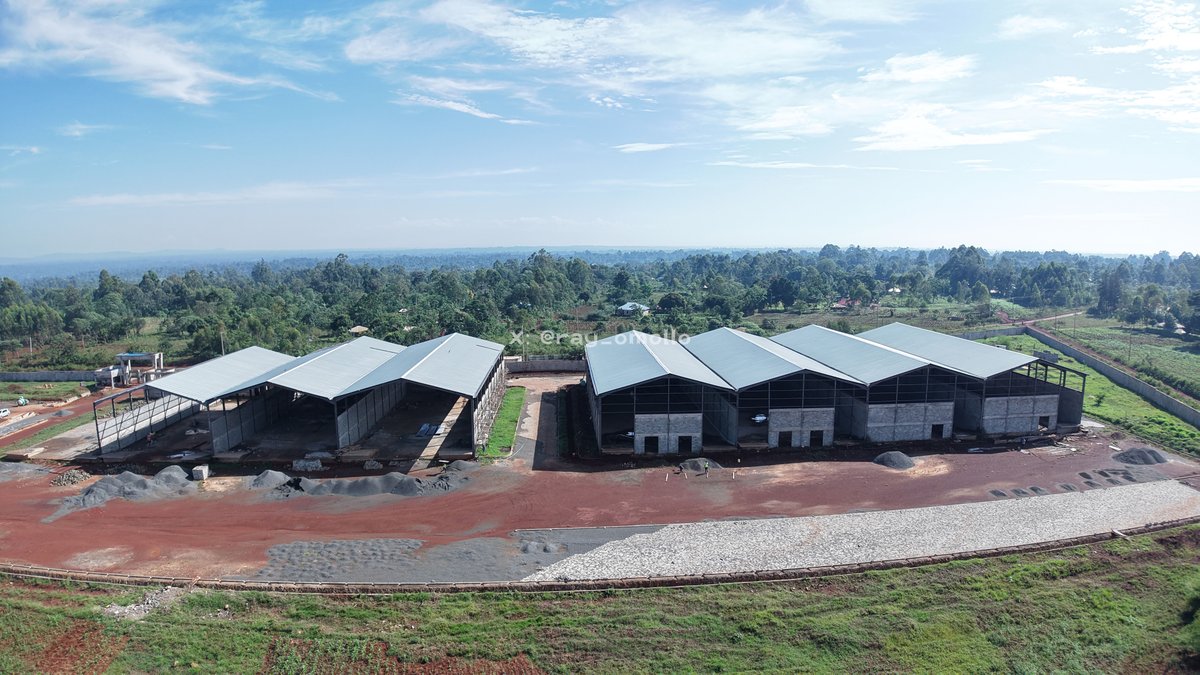
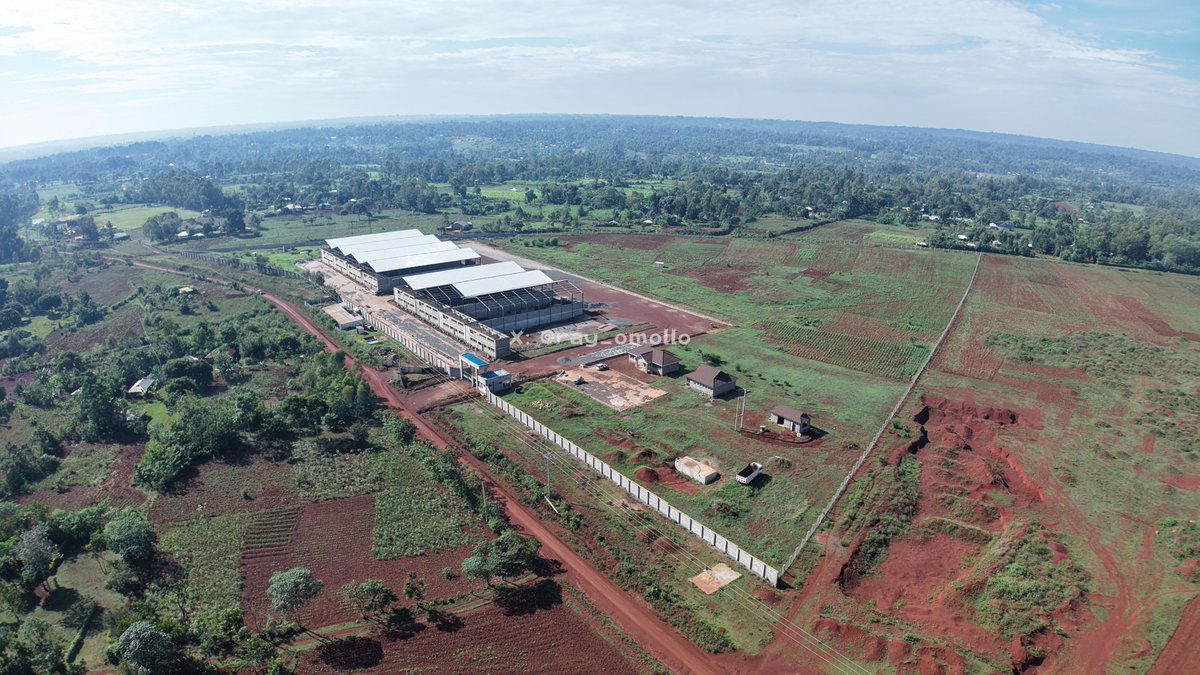
With agriculture supporting the livelihoods of a large share of Busia's population, the operationalisation of the Nasewa County Aggregation and Industrial Park (CAIP) is set to inject new value into the local economy.
Jointly funded by the National and County Governments, the park advances the Bottom-Up Economic Transformation Agenda (BETA) by bringing aggregation, processing and value addition closer to farmers.
The facility is nearing completion, with eight godowns comprising aggregation centres, value-addition units and cold-storage facilities, alongside an administrative block and power house.
Processing equipment for cassava and edible oils will be installed upon handover, creating a platform for farmers to access structured markets, reduce post-harvest losses and earn more from their produce.
The park will support key value chains including cassava, edible oils and cotton, while creating jobs and opportunities across farming, processing, transport and trade.
Its integration with the wider industrial corridor is expected to deepen Busia's participation in regional and international markets.
Implementation is being coordinated with the State Department for Internal Security and National Administration to strengthen security, inter-agency coordination and community engagement around the emerging industrial hub, restoring investor confidence in the region and country at large.
A leader who worries first about the safety of the chicken risks ending up with a brood of fowls instead of a thriving community.
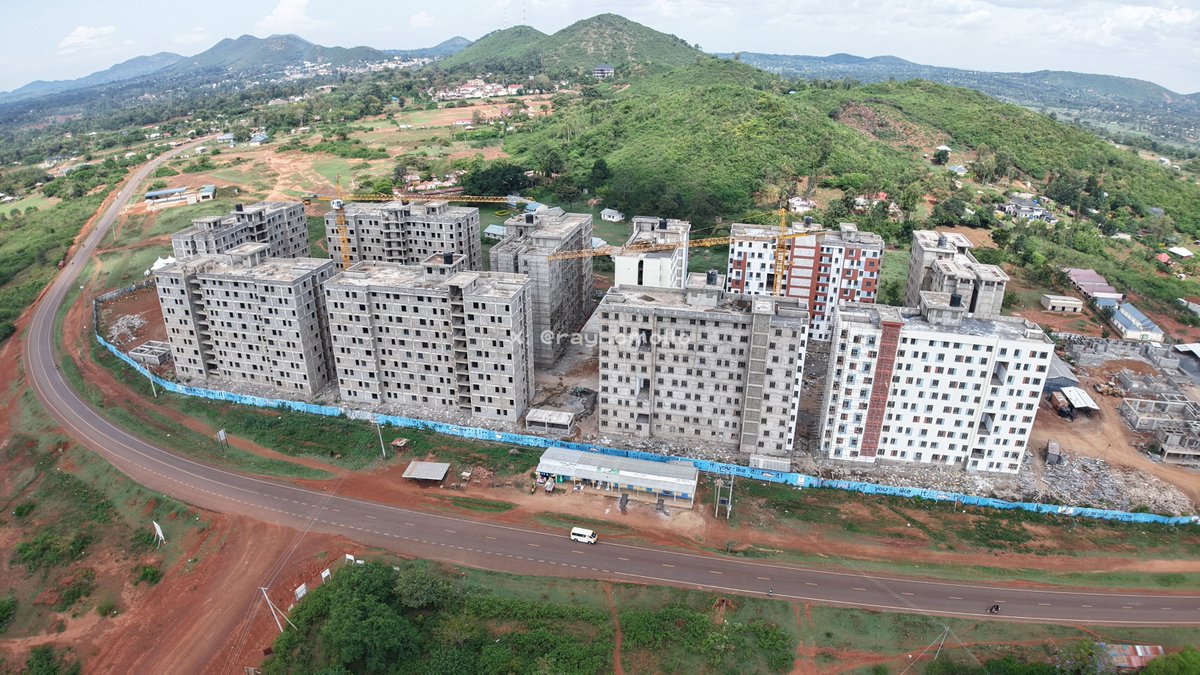
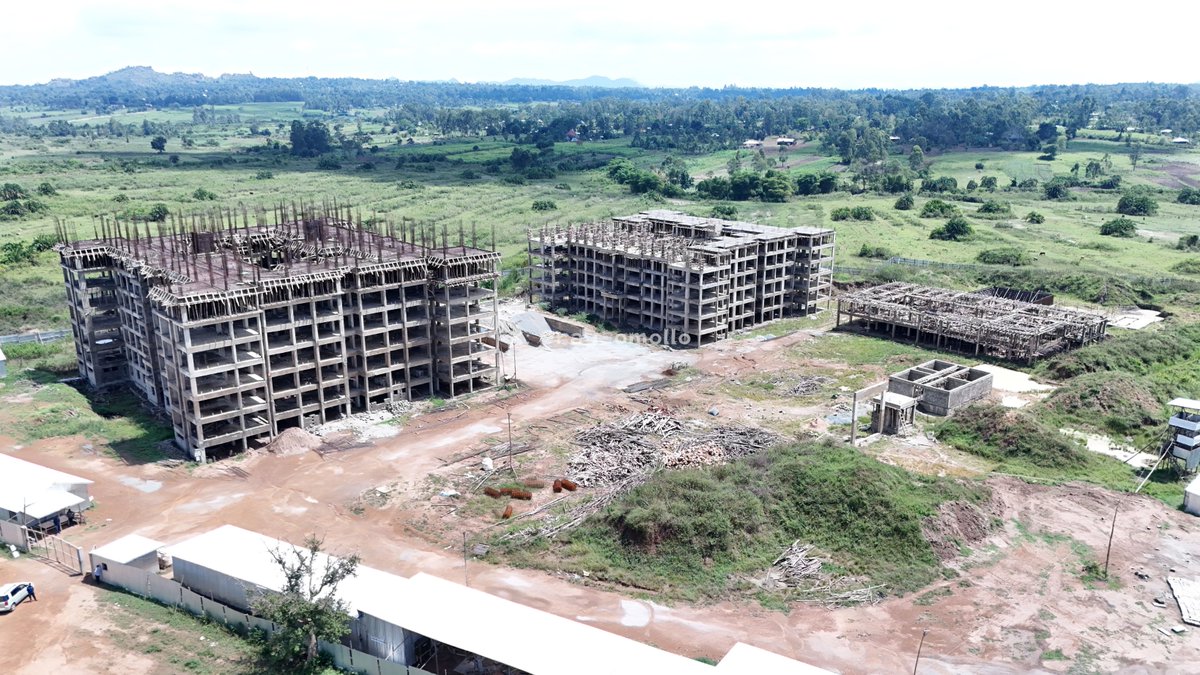
The Funyula Affordable Housing Project (AHP) in Busia County takes the opposite approach, placing decent housing, safety and the well-being of citizens at the heart of development.
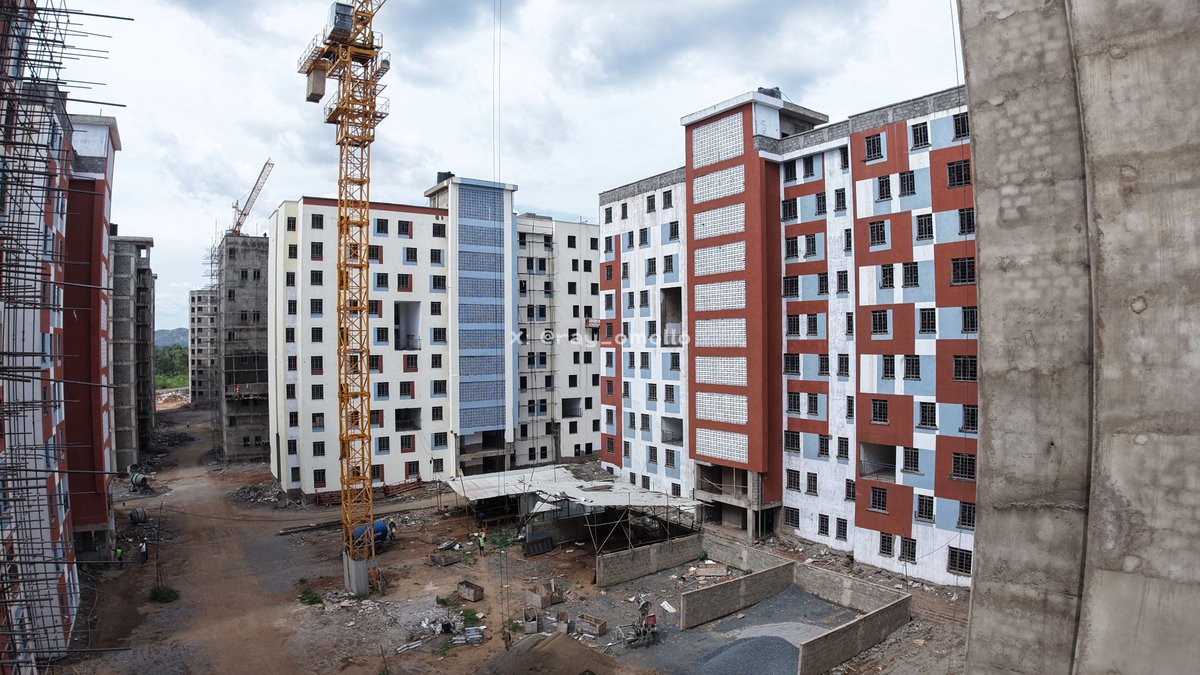
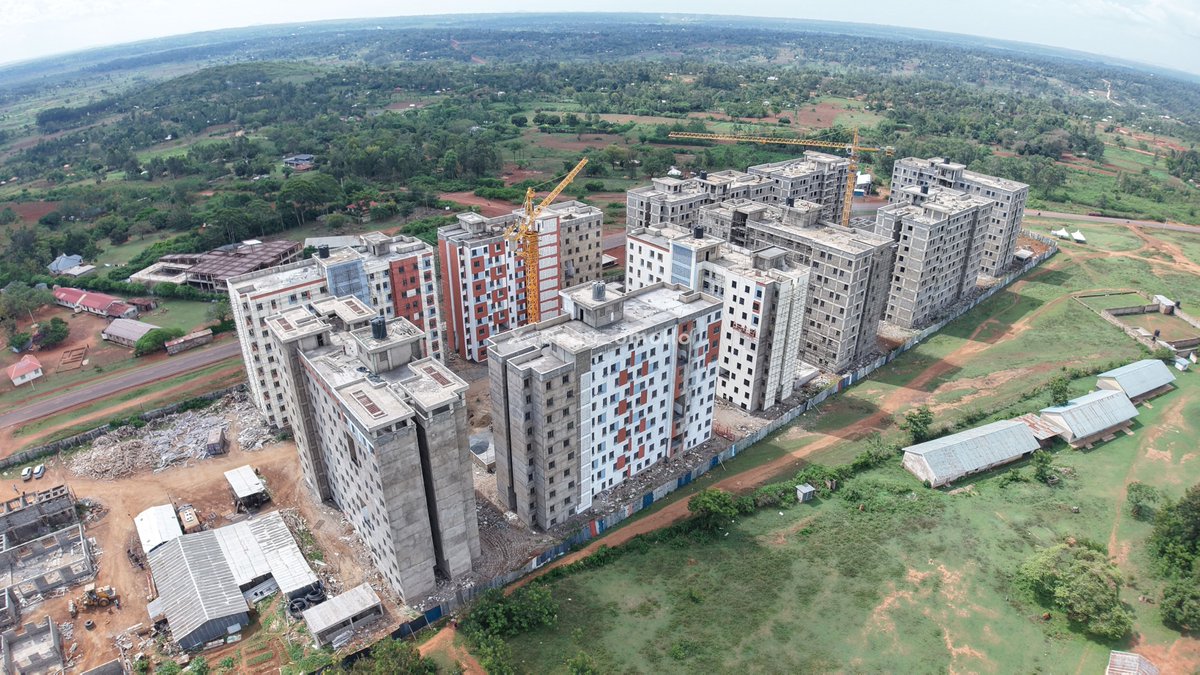
Construction of the 955-unit development across 10 residential blocks is complete, with painting and final finishes underway, ahead of official commissioning and handover to new homeowners.
The estate combines social, affordable and market-rate homes, widening access to dignified housing for different income groups.
Residents will enjoy a fully serviced community with reliable water, secure perimeter walls, cabro-paved roads, landscaped spaces, a children's play area and commercial facilities.
The State Department for Internal Security and National Administration is also supporting the project by strengthening community safety measures around the emerging estate, helping create conditions for a secure and stable residential environment.
As university enrolment continues to rise, the Government is investing in infrastructure to accommodate the growing number of learners and expand access to quality higher education.
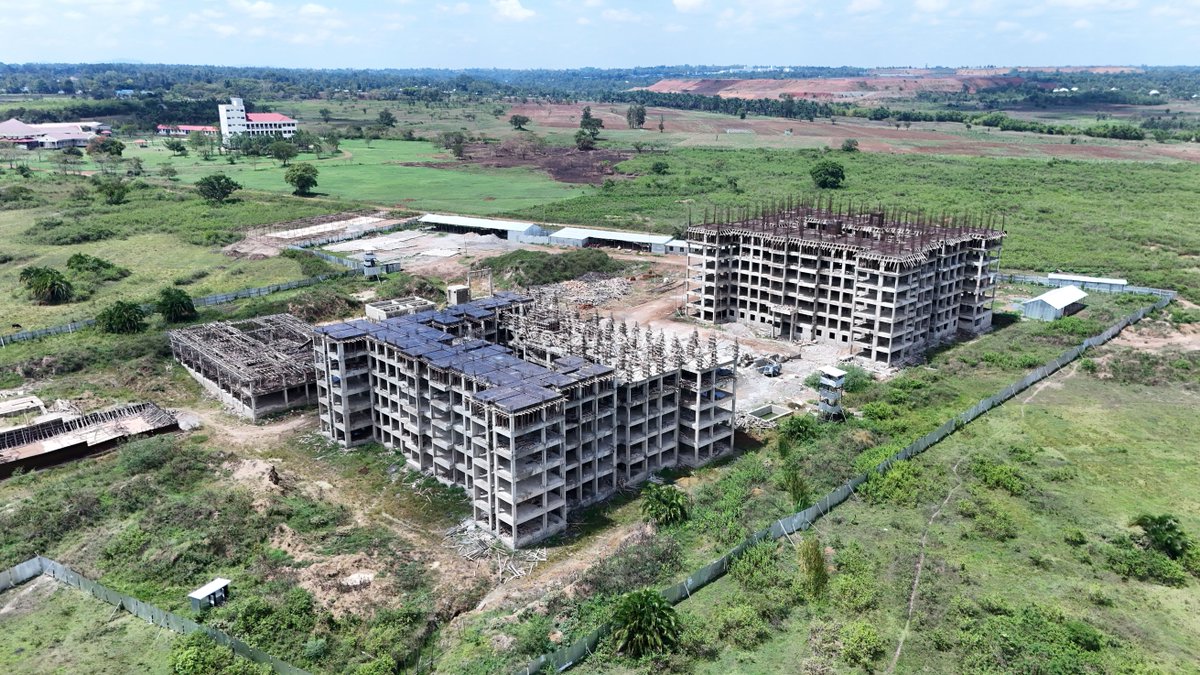
At Alupe University, the response includes two modern hostel blocks being developed under the Affordable Housing Programme (AHP).
The project will provide 840 units with capacity for more than 2,000 students, offering safe and affordable accommodation close to learning facilities.
The hostels will feature studio, double and quad rooms, alongside shared kitchens, laundry areas, lifts and other essential amenities.
Beyond easing pressure on existing accommodation, the development will lower students' daily living costs, create employment and support local businesses during construction.
The State Department for Interior and National Administration is also working with the university and local security teams to maintain a safe environment around the institution, enabling students to learn, live and participate in university life with greater security.
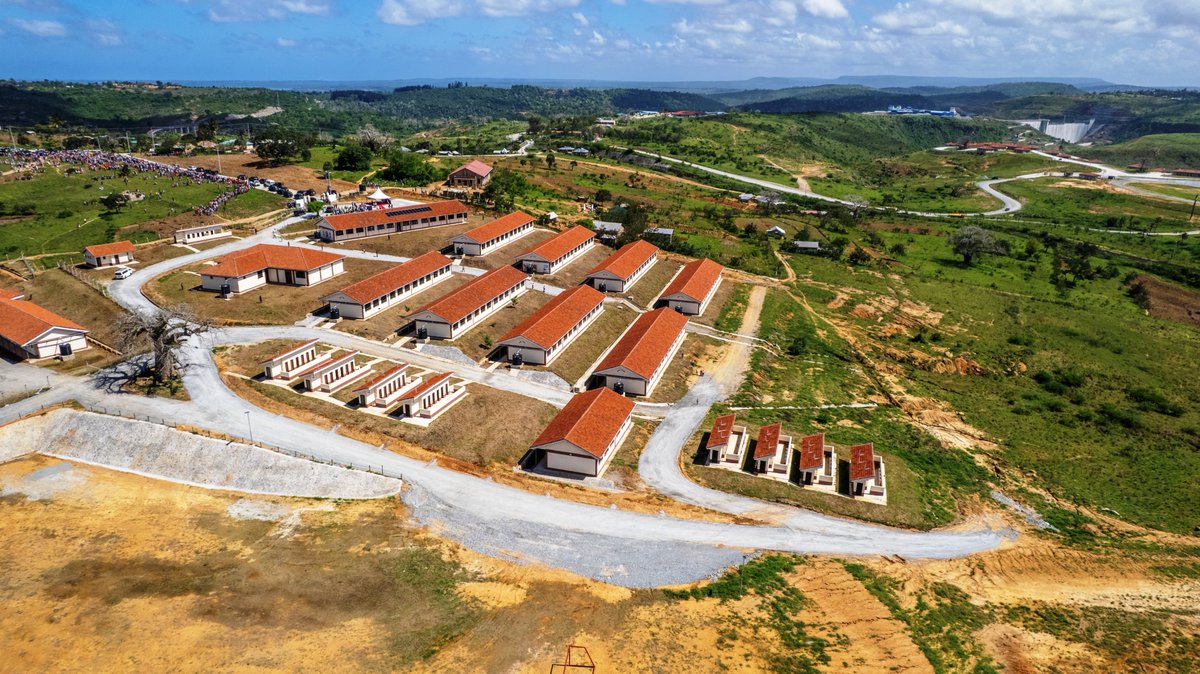
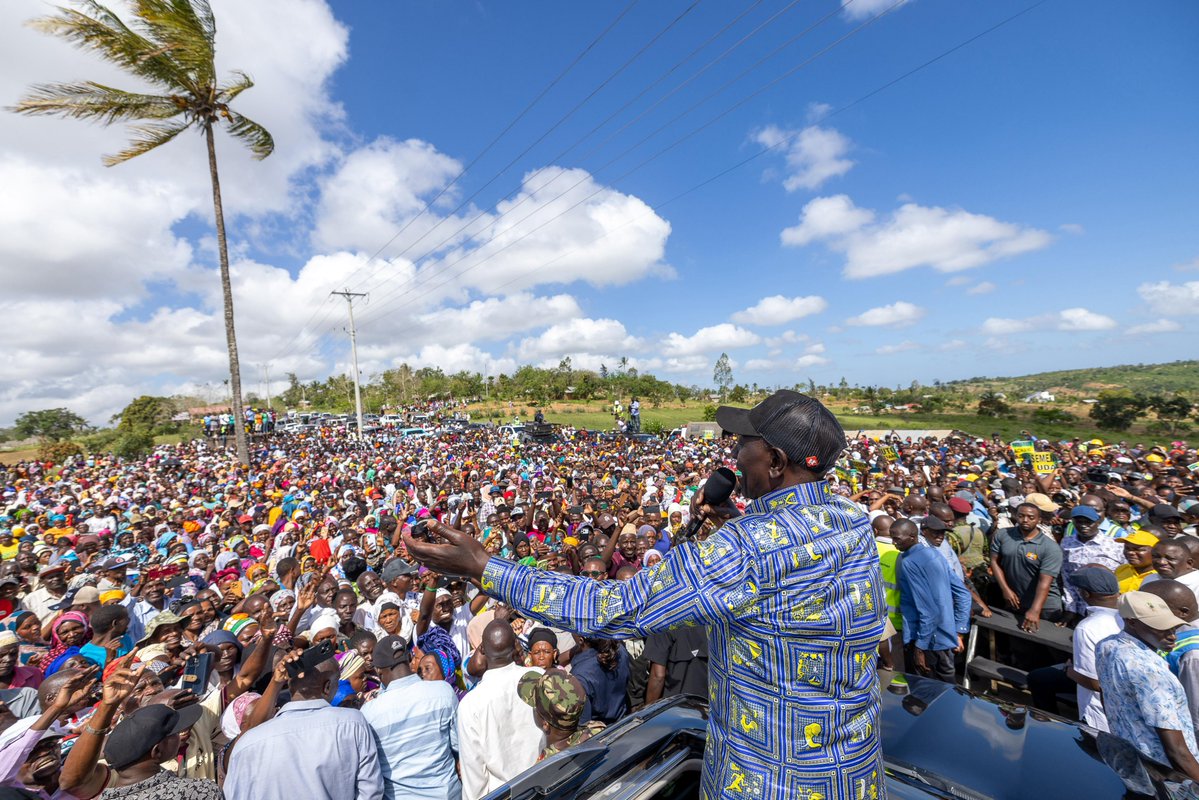
On the third day of his working tour of the Coast Region, we joined H.E. President @WilliamsRuto for engagements in Kwale County, including the commissioning of Fulugani Comprehensive Primary School, an inspection of the Kenya Coast National Polytechnic, Kwale Campus in Matuga and the Milalani–Funzi Road in Msambweni.
The projects will expand access to quality education and skills training, while improving connectivity, access to markets and essential services for communities across the region.
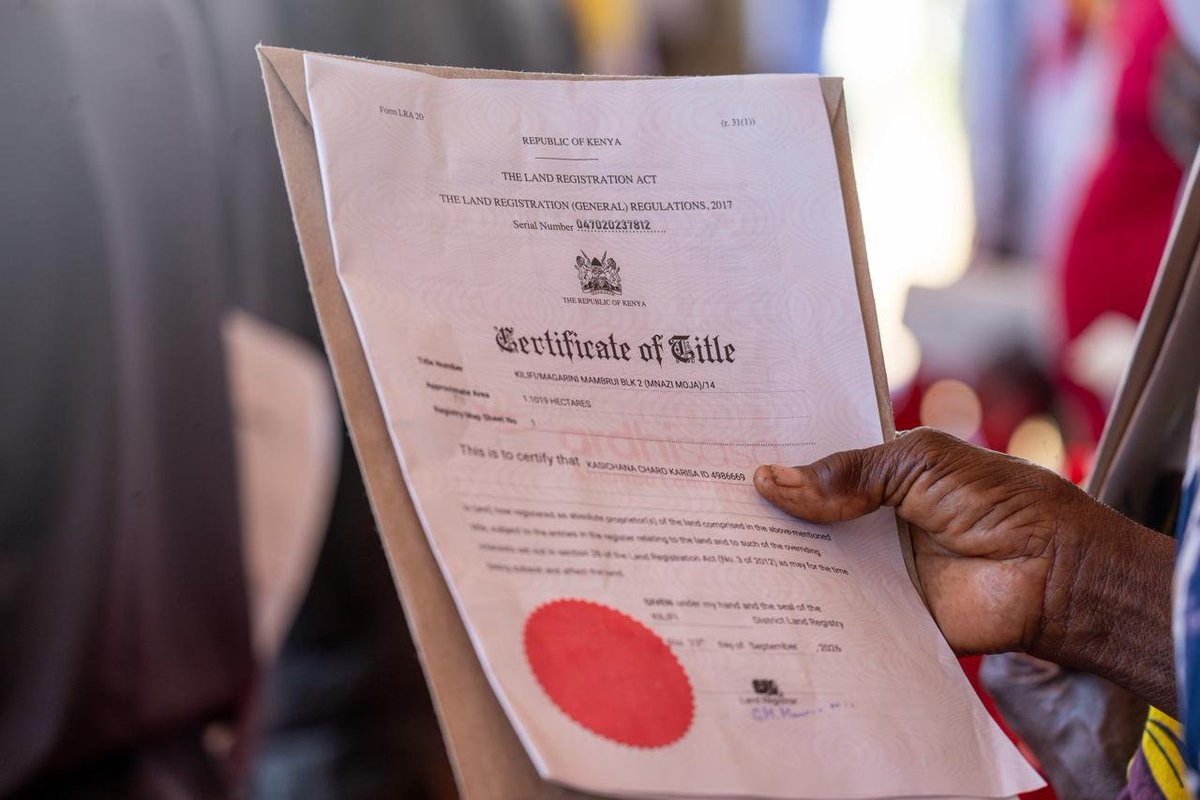
For over 63 years, across many generations, unresolved land questions have constrained investment, livelihoods and stability along the Coast Region.
The Government is now advancing measures to secure tenure, resolve ownership disputes and accelerate land registration, giving communities greater certainty over their most important economic asset.
The intervention is part of the Bottom-Up Economic Transformation Agenda (BETA) approach to inclusive development; turning land from a source of uncertainty into an asset that can support enterprise, unlock investment, strengthen livelihoods and contribute to lasting security.
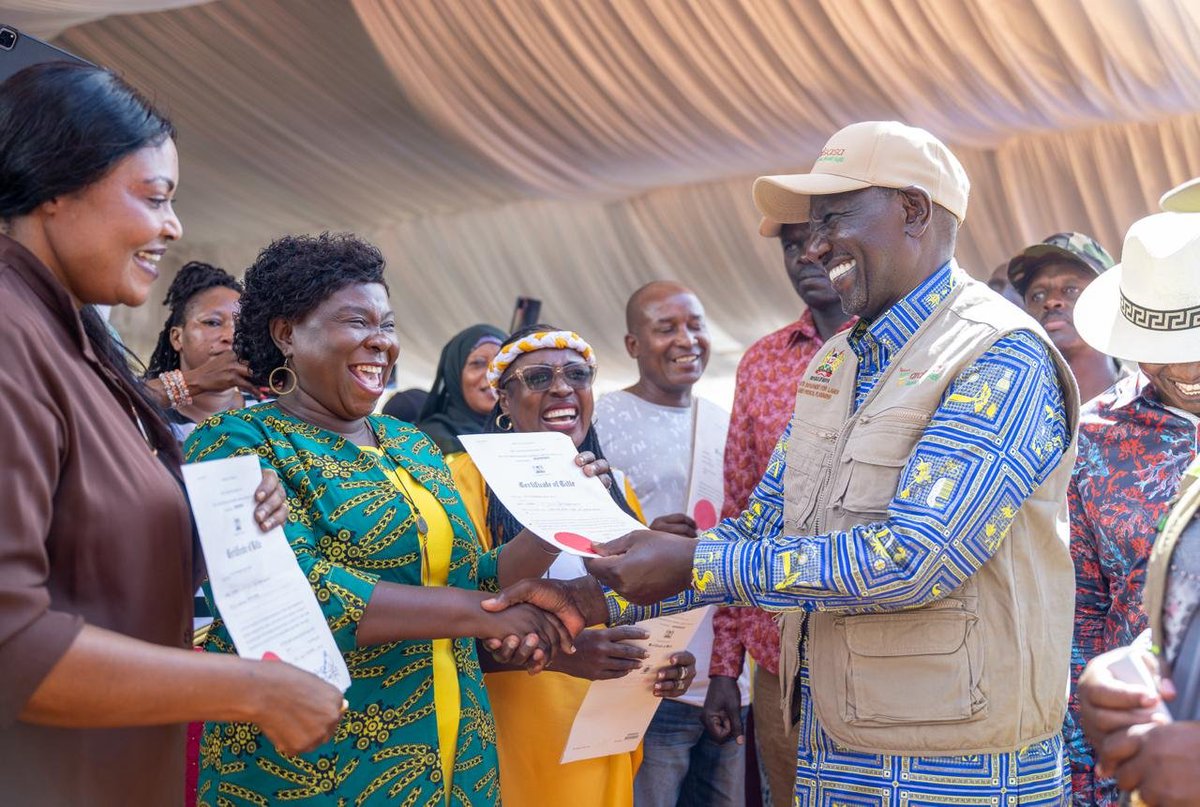
Joined H.E. President @WilliamsRuto at Karisa Maitha Stadium in Kilifi Town, as he presided over the issuance of over 36,000 land title deeds to residents of Kilifi County.