This might be the one to decrease HIV cases in the Philippines.
Is it free? If not, how much? What is the criteria to get it?
Continue protecting yourself.
Condom always.
HIV test at least once a year.
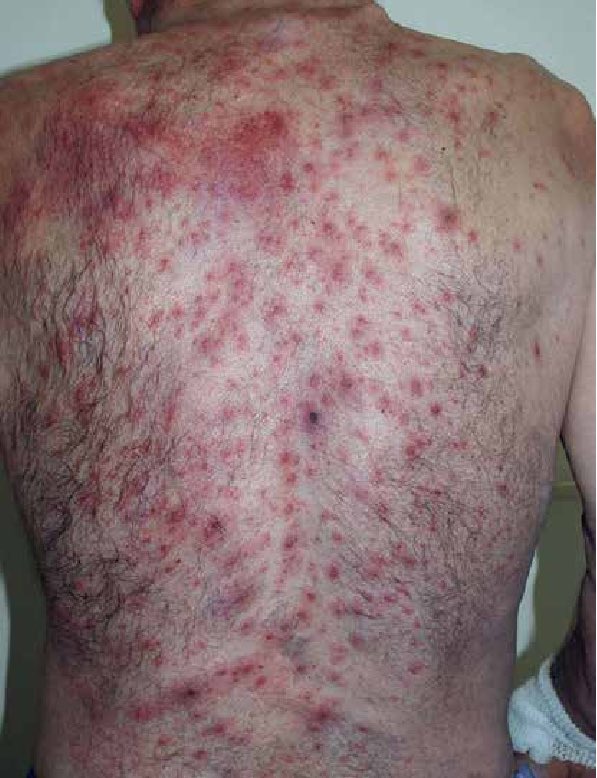
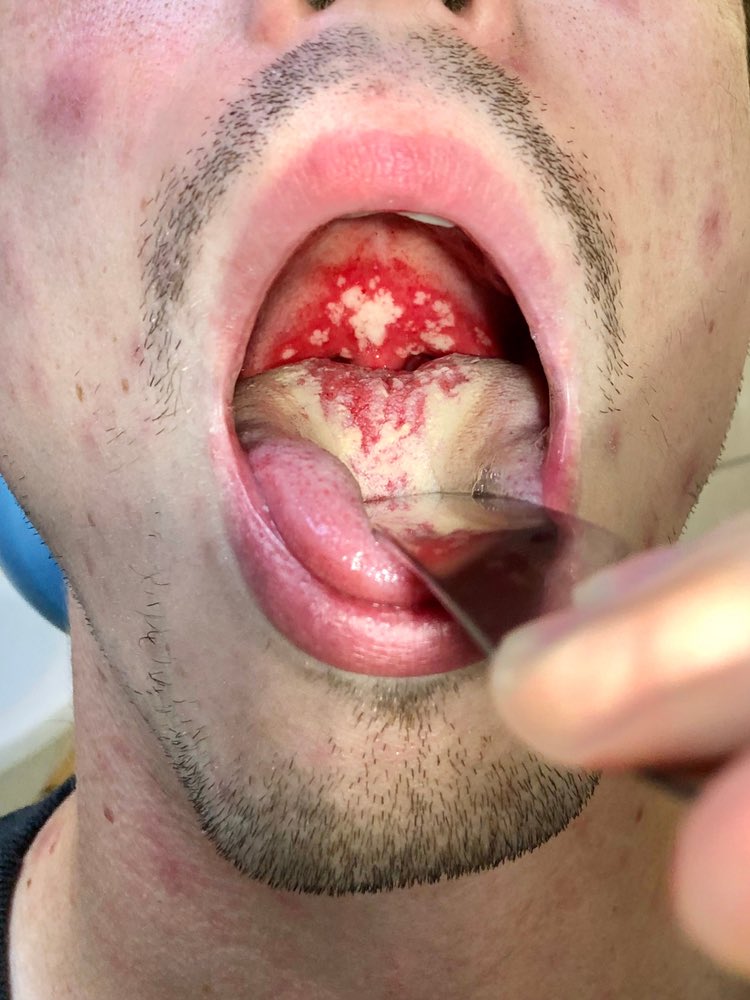
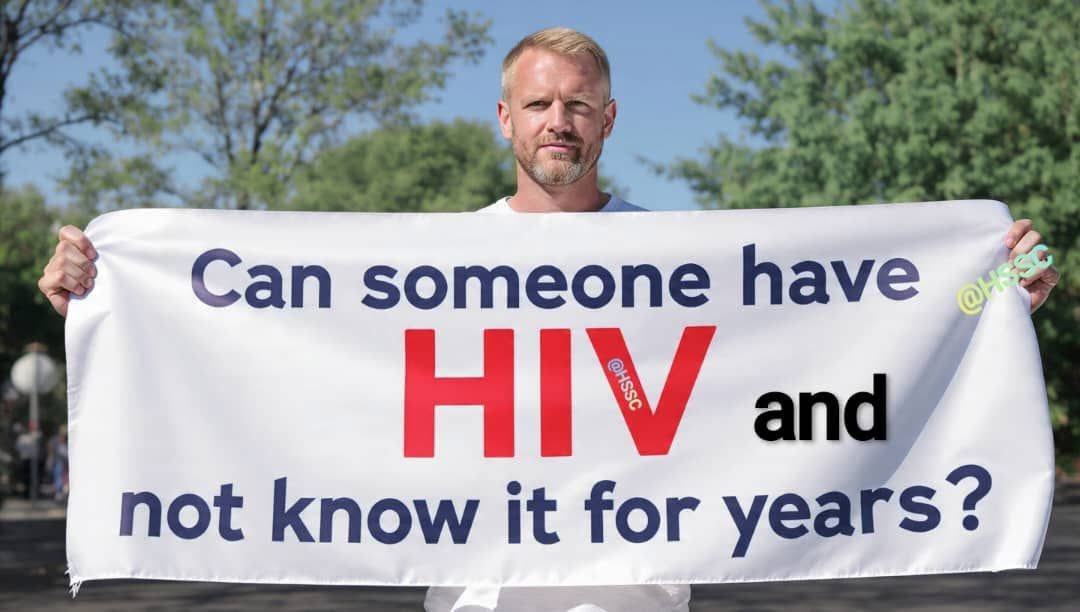
I am HIV positive and how I got it will shock you so this is to warn people to be careful out there....
HIV IS REAL.
l've been married to my husband for a long time, and we've got three children together. I'm currently pregnant with our fourth child.
Right now, I go to my routine prenatal checks, and as part of it, they said I have to do tests for STDs and any sexually transmitted diseases—you know, for the safety of me and the baby.
POR QUÉ EL VIH AÚN NO TIENE CURA
¿Alguna vez te has preguntado por qué el VIH es tan difícil de vencer?
Este hilo explica - en términos simples - cómo el VIH infecta el cuerpo y por qué sigue siendo tan difícil de curar.
Un hilo
🚨 SCIENTISTS MAY HAVE FOUND A WAY TO SILENCE HIV FOREVER
In a breakthrough that sounds almost unbelievable, researchers discovered a way to force HIV into a permanent “sleep mode” using the virus’s own hidden genetic code.
Unlike current treatments that require lifelong medication, this method could stop HIV from waking up, spreading, or causing disease again. Early lab tests are showing promising results, giving hope to millions around the world.
Could this be the beginning of the end for HIV? The future of medicine just got very interesting.
Source:
Le Douce, V., et al. Nature. Retrieved from Nature Publishing Group.
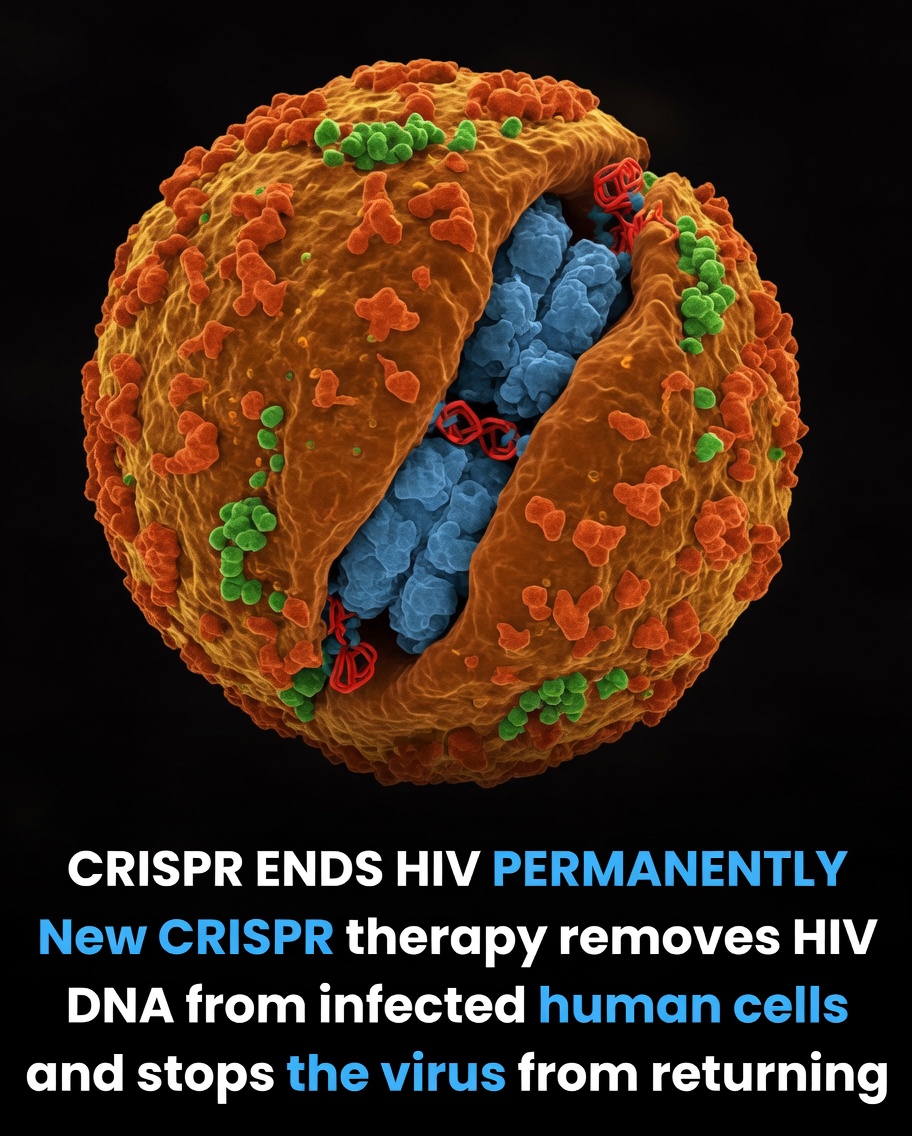
HIV just got cut out of human cells. Like, surgically removed.
Scientists at the University of Amsterdam used CRISPR, the gene-editing tool that works like microscopic scissors, to slice HIV straight out of infected cells.
Yes. Out. Gone. Erased from the DNA itself.
For decades, the problem with HIV has been brutal.
Antiretroviral drugs can suppress the virus, but they can't evict it. It hides inside cells, waiting.
CRISPR doesn't suppress. It deletes.
The team programmed the tool to find HIV's genetic code, cut it apart, and remove it from the cell's DNA entirely. Early lab results show the virus can be eliminated this way.
Here's the honest part: this is still "proof of concept." It worked in cells in a lab, not in patients walking around.
Years of testing stand between this discovery and a real cure.
But the door just cracked open on something massive.
Around 39 million people are living with HIV worldwide. A future where the virus can be cut out, not just managed for life, suddenly looks less like science fiction.
The scissors are real. The science is moving. And one day, "HIV-positive" might not be a life sentence at all.
Source: BBC Science Focus
🚨 The Hantavirus can survive in the human reproductive tract for nearly six years, challenging previous assumptions about how long survivors remain potential carriers of the deadly pathogen.
Researchers have identified viral RNA in the semen of a 55-year-old survivor 71 months—nearly six years—after his initial infection. While the virus had long since disappeared from the patient’s blood, urine, and respiratory tract, the study suggests the testes may act as a "viral reservoir." This protected site allows the virus to hide from the immune system, a characteristic previously seen in other high-consequence pathogens like Ebola and Zika. Although it remains unconfirmed if these long-term viral traces remain infectious, the discovery significantly extends the known window of viral persistence for hantaviruses.
In response to these findings, health experts are now recommending that male survivors of Andes virus infection adopt Ebola-style safe-sex precautions, including consistent condom use and semen monitoring well beyond the typical 42-day quarantine period. The implications are particularly relevant as global health officials monitor individuals linked to the recent MV Hondius outbreak. Because the Andes strain is unique among hantaviruses for its ability to spread person-to-person, understanding these long-term "reservoirs" is critical for preventing future community transmission and protecting public health.
source: Züst, R., et al. (2026). Presence and persistence of Andes virus RNA in human semen. Viruses.
A recent breakthrough might provide a ‘functional cure’ for HIV
Scientists at Caring Cross infused immune cells engineered to target HIV, and after 2 patients were injected, the virus was undetectable
The end of HIV infections may be closer than we think.
Scientists cut HIV out of immune cells using CRISPR.
And the cells stayed HIV-free even after re-exposure. A cure could finally be within reach.
In a groundbreaking advance, scientists at Temple University have successfully used CRISPR/Cas9 gene editing to eliminate HIV-1 DNA from the genomes of human immune cells.
Unlike existing treatments that suppress the virus, this method completely removes the genetic blueprint of HIV from infected T-cells.
WHY HIV HAS NO CURE YET
Have you ever wondered why HIV is so tough to beat?
This thread explains - in simple terms - how HIV infects the body and why it’s still so hard to cure.
A thread 🧵🧵
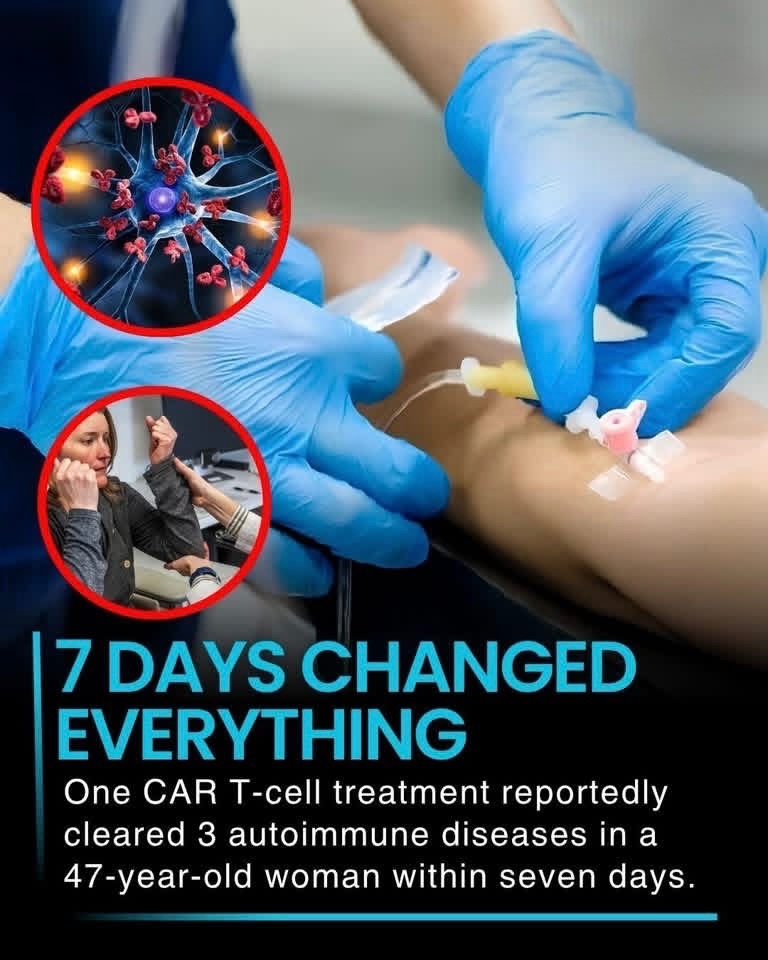
🚨 7 DAYS. 3 DISEASES. ONE TREATMENT.
A 47-year-old woman reportedly saw three autoimmune diseases disappear within just seven days after a single CAR T-cell treatment. Scientists reprogrammed her own immune cells to stop the body from attacking itself and the results stunned researchers.
For millions living with chronic autoimmune conditions, this could be a glimpse into the future of medicine. But experts say more research is still needed before it becomes widely available.
Source
Nature Medicine. Nature Medicine. CAR T-cell therapy for refractory autoimmune diseases.
🚨 HIV MAY HAVE A SECRET WEAPON… AGAINST ITSELF
For decades, HIV has been one of the world’s most difficult viruses to stop. It hides inside human cells, escapes treatments, and keeps scientists searching for answers. But now, researchers may have uncovered something shocking…
HIV might actually carry the trigger for its own destruction.
Scientists discovered that under certain conditions, the virus can activate a hidden mechanism inside infected cells that causes those cells to self-destruct before HIV fully spreads. In simple words, the virus may accidentally turn the body against itself — and against the infection at the same time.
This discovery is creating major excitement because researchers believe it could open the door to future treatments designed to force HIV into activating this “self-destruct” pathway on purpose.
The biggest mystery now? If scientists learn how to control this switch, could HIV one day be stopped in a completely new way?
Source: Cell Reports. Researchers discover HIV can trigger its own destruction mechanism inside infected cells.
🚨 HIV Scientists Just Made a Discovery That Sounds Impossible
HIV has always been dangerous because it hides inside human DNA — making it nearly impossible to fully remove.
Now, scientists using CRISPR gene-editing technology have successfully cut HIV DNA out of infected cells in early studies. In some animal experiments, the virus didn’t return, raising hope for a future permanent cure.
Researchers say it’s still not a confirmed cure for humans yet, but this breakthrough could change the future of HIV treatment forever.
References:
AIDSmap. CRISPR gene therapy EBT-101 does not prevent HIV viral rebound. AIDSmap.
CRISPR Medicine News. CRISPR and HIV: Progress Toward a Cure. CRISPR Medicine News.