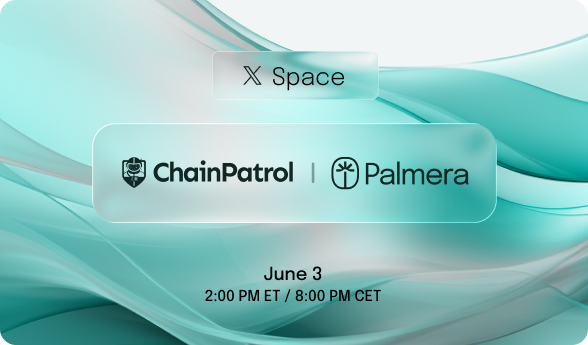
Reminder: Tomorrow we'll be hosting an X Space with @ChainPatrol:
"From Infrastructure to Interface Monitoring"
Join @JuanAriel98, @umariomaker, and @jozer_eth.
⏰ 2:00 PM ET / 8:00 PM CET
👉https://t.co/8D4Vc5jrVx
🧑🚀🌴 Next week, June 3 at 2:00 PM ET / 8:00 PM CET, we’re hosting an X Space with @ChainPatrol
🎙️ “From Infrastructure to Interface Monitoring.”
With:
@Juan_ChainPatrol
@umariomaker@jozer_eth
We’ll discuss the importance of monitoring from multisig infrastructure to front-end interfaces as ecosystems scale.
See you there.
👉https://t.co/GGuTFq0wJM
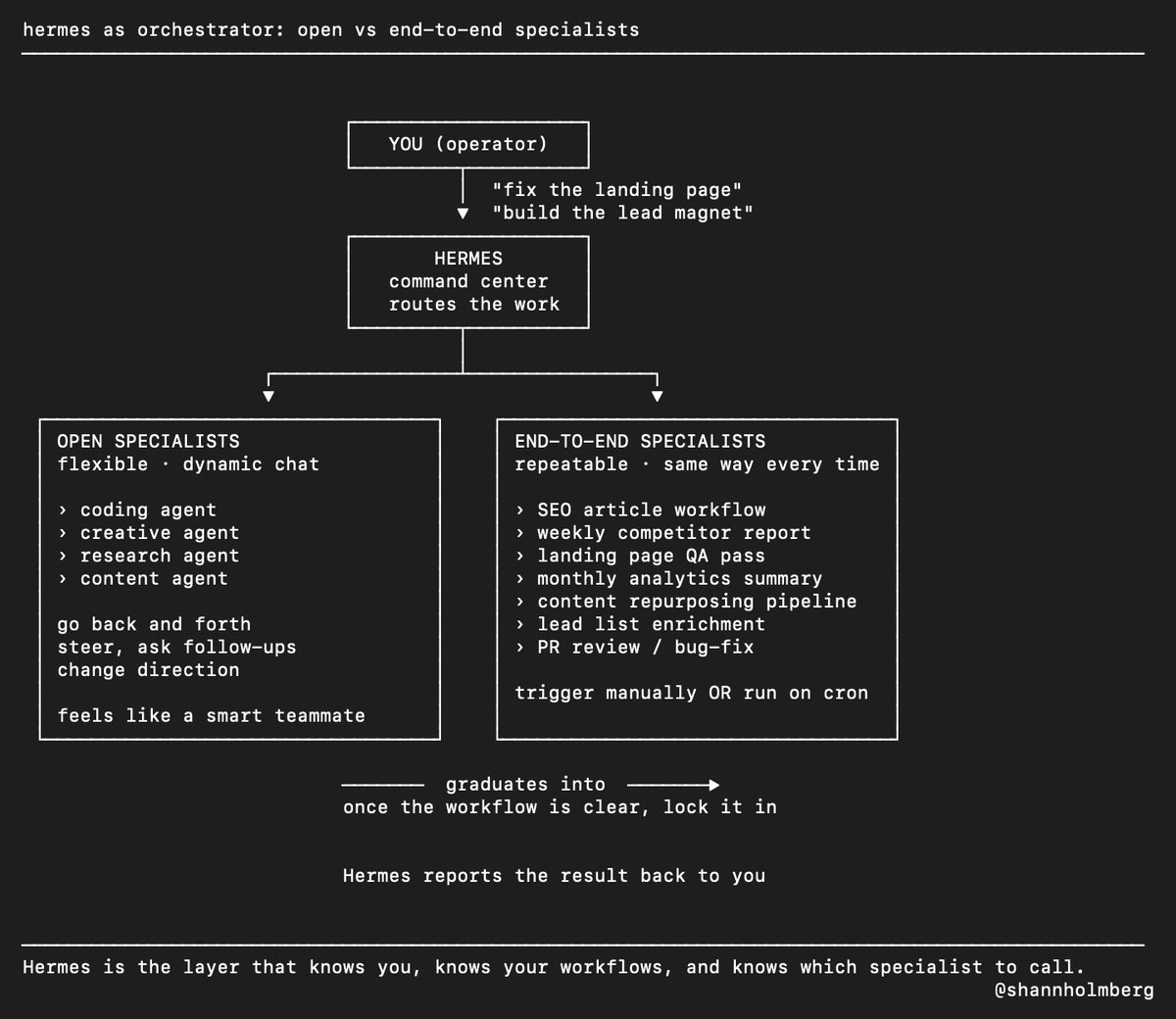
Hermes Agent as an Orchestrator and "open" vs "closed" specialist agents
ideally you want to be able to prompt:
> "fix the landing page"
> "build the lead magnet"
> "update the analytics"
> "turn this idea into a working tool"
> "check why the form is broken"
and have the right agent do the work.
that is why I like the Hermes + specialist agent setup.
Hermes becomes the command center, specialist agents do the execution
sometimes that specialist is Claude Code or Codex for coding tasks.
other times it is a research agent, SEO agent, creative agent, content agent, ops agent, or analytics agent.
the useful part is that you do not need one giant AI trying to do everything.
you can build a small team of specialists.
I call them vertical agents.
there are two types I run:
1. open specialists
flexible agents you talk to directly when the work is dynamic:
> a coding agent when you are building or debugging
> a creative agent when you are exploring directions
> a research agent when the question is still fuzzy
> a content agent when you want to jam on positioning, angles, or drafts
the workflow is not rigid. you go back and forth, steer, ask follow-ups, change direction. it feels more like working with a smart teammate.
2. end-to-end specialists ("closed")
agents for repeatable workflows. they do the same kind of job the same way every time:
> an SEO article workflow
> a weekly competitor research report
> a landing page QA pass
> a monthly analytics summary
> a content repurposing pipeline
> a lead list enrichment workflow
> a PR review or bug-fix workflow
these agents should have a dedicated model, dedicated context, and a clear process. they know the steps, the standards, and what "done" looks like. you can trigger them manually or schedule them as recurring tasks.
most open specialists eventually graduate into end-to-end specialists. you run them dynamically for a while, find the shape that works, then lock it in as a repeatable agent that runs the same way every time.
the mental model:
> you talk to Hermes
> Hermes routes the work
> specialists execute
> Hermes reports back
for marketers, this matters because marketing is becoming operational. it is no longer just campaigns and content calendars. it is landing pages, tracking, dashboards, research systems, SEO workflows, content engines, internal tools, conversion experiments, automations, and reporting loops.
imagine a place where context lives, where recurring workflows run, where you can talk directly to specialists when the work is messy, and trigger end-to-end agents when the work is repeatable.
the benefit of Hermes as the orchestrator: it does not have to be the one doing every task. it can be the layer that knows you, knows your workflows, and knows which specialist to call.
Check the Centaur repo, and please give us a star!
Feel free to open issues and PRs with questions, bug reports or feature requests.
https://t.co/QutIpWtmeF
Introducing deepsec, an open source coding security harness.
• CLI-first
• Sandbox-based scaling
• Pluggable coding agents
• Designed for large-scale repos
• Use AI Gateway or your own subscription
After months of successful internal use, we put it to the test on some of the largest open source codebases.
https://t.co/sPxZ6izJVV
Hypersig plans have been upgraded.
We’ve increased limits across Free, Starter, and Growth, giving Hyperliquid teams more transactions, wallets, sub-accounts, and agent wallets to manage execution together.
Live at https://t.co/7sNv9YpW8o
Look guys, it's actually really straightforward, a bunch of people staked their ETH on the Ethereum blockchain to earn yield, except they didn't want their capital to be locked up, so they actually staked with a liquid staking protocol called Lido who provided them a liquid staking receipt token called stETH, except they decided to juice their yield further by depositing their stETH receipt tokens into a restaking protocol called Eigenlayer, except they didn't want to lock up their capital, so they actually restaked with a liquid restaking protocol called KelpDAO who provided them with a liquid restaking receipt token called rsETH, except they decided to juice their yield further by depositing their rsETH tokens into a lending protocol called Aave so that they could open a leveraged looping position that borrows ETH against the rsETH collateral and restakes the ETH into rsETH which is then deposited as collateral, except it turns out rsETH used a cross-chain bridge called LayerZero that was hacked by north koreans causing rsETH to become undercollateralized and now these looping positions are stuck and unprofitable, and everyone is pointing fingers at each other, and also DeFi is a very serious industry
A new wave at Palmera 🌴🌊! We’ve updated our brand and website.
This is not a change in direction. It’s a clearer representation of how we operate.
Palmera supports chains with smart account deployments and the infrastructure required for ecosystems to operate with multisigs. The new site is designed to better communicate the scope, structure, and level of service we provide.
If you’re looking for a multisig provider, explore our services and book a call.
https://t.co/roIywnwcuI
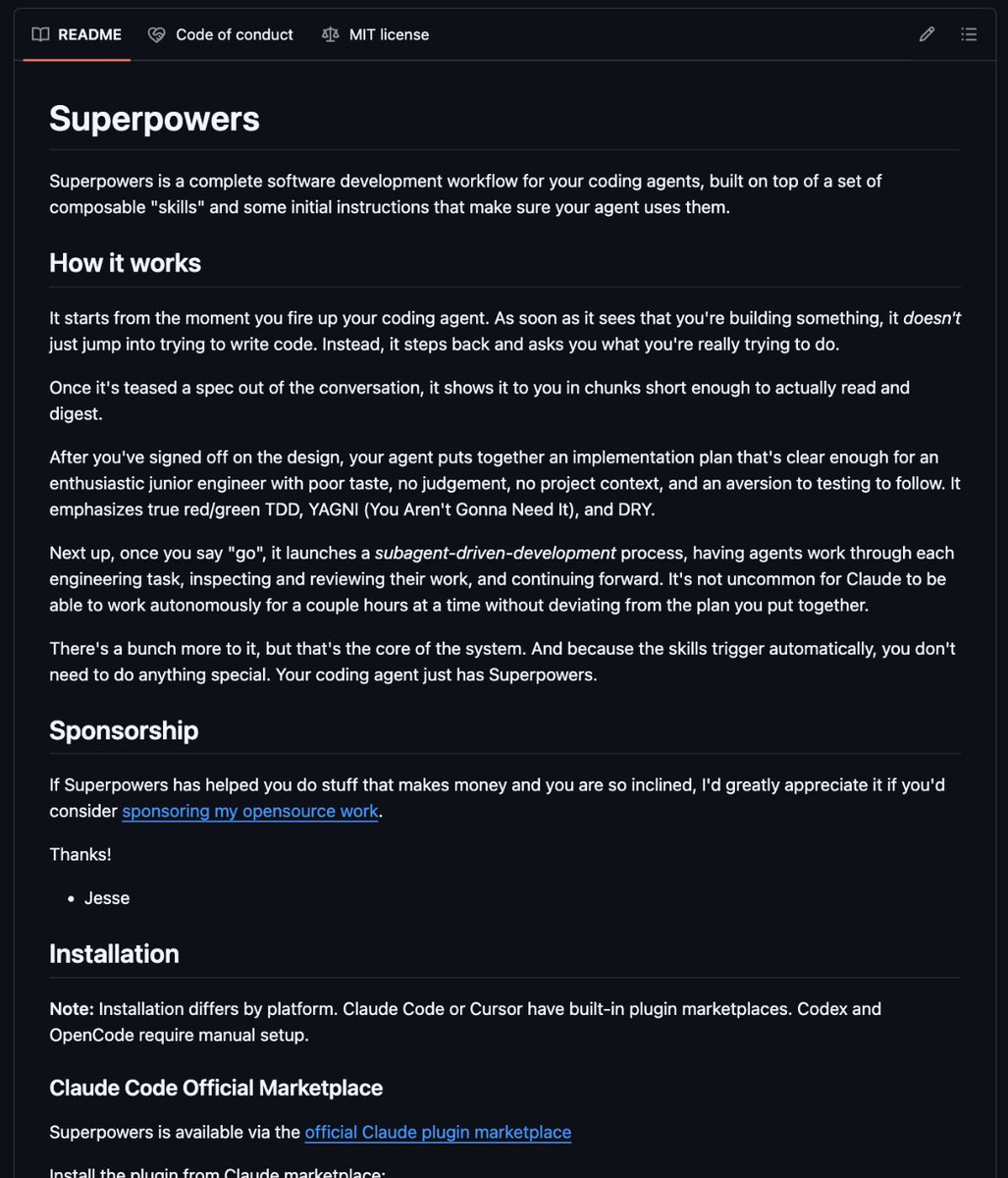
Best GitHub repos for Claude code that will 10x your next project:
1. Superpowers
https://t.co/U5Y4BK9Lap
2. Awesome Claude Code
https://t.co/qcgoxU3Up2
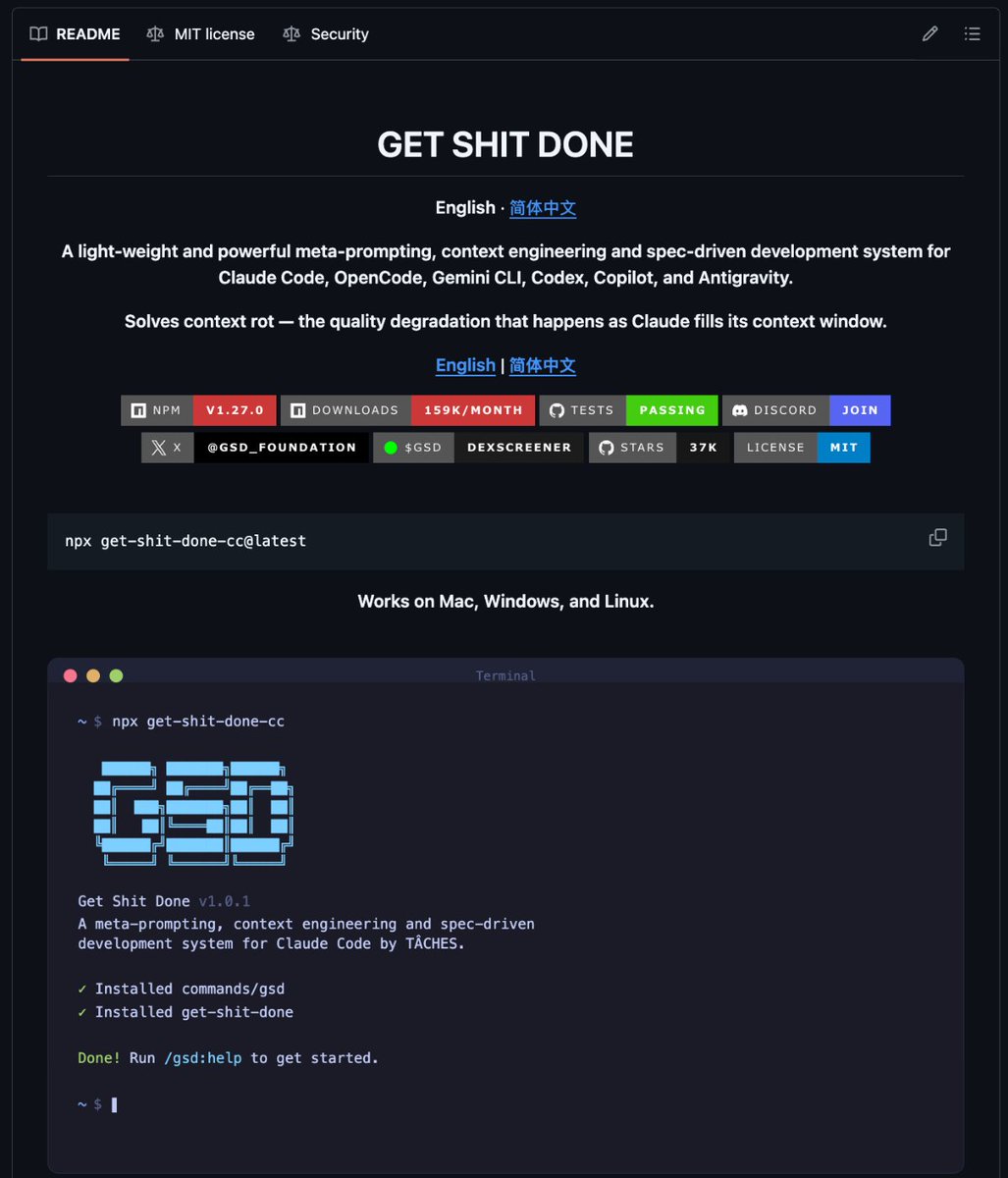
3. GSD (Get Shit Done)
https://t.co/WfAhllWnTR
4. Claude Mem
https://t.co/XLQpwdnIWN
5. UI UX Pro Max
https://t.co/aQtGjMzKus
6. n8n-MCP
https://t.co/7le1aluZXH
7. Obsidian Skills
https://t.co/MUaoyUnasw
8. LightRAG
https://t.co/ye8z4UqaMc
9. Everything Claude Code
https://t.co/OAU9JE46Uz
Knowing true north.
I want to be direct about this.
The EF Mandate is a 180 from the direction the Foundation was heading under the recent leadership changes. A few months ago, the signal was clear -- lean into real-world adoption, support stablecoins, engage with institutions, help Ethereum win the race for relevance. Tomasz was brought in to operationalize that pivot. This document effectively undoes most of it.
Some key quotes that make the shift explicit:
"We are NOT Opportunists: We do not actively assist in adoption of Ethereum in ways that compromise trustlessness."
"We are NOT a Casino: We do not encourage people to take life-changing, and possibly life-wrecking, amounts of risk by going into personal debt hyper-gambling."
"Our priority, and the default path for decisions, in line with our mandate and the Only-EF Rule, is the CROPS-native approach."
"We leave space within the Foundation for the incrementalist approach only in tightly bounded circumstances."
"Right association also means we prefer to focus on individuals, teams, and projects that share our principles but operate in different domains, over those individuals, teams, and projects who are in crypto, but operate according to a very different set of standards."
Translation: the EF will deprioritize supporting stablecoin infrastructure, institutional onboarding, RWA tokenization, and broadly anything where the path to adoption runs through centralized intermediaries -- which is essentially everything that has product-market fit on Ethereum today.
This is a combination of d/acc philosophy and a broader leftward ideological pull within the EF. If you've been paying attention to the defense acceleration discourse, none of this is surprising. The framing is pure sanctuary tech -- Ethereum as digital refuge, not financial rails.
I respect the intellectual coherence. But the thing that strikes me most is the ability to hold two contradictory views simultaneously. The entire platform -- the treasury that funds the EF, the ecosystem that gives these words weight, the network effects that make Ethereum worth writing a 38-page manifesto about -- was built on financialization, speculation, DeFi, stablecoins, and yes, things with centralized access points.
Every application with real PMF on Ethereum today exists because someone made pragmatic compromises on the CROPS spectrum.
It was built by people who are willing to make compromises and see the world as it is, bringing product and people to Ethereum. The very people that this mandate is trying to alienate.
I will end with this quote from Lincoln: "A compass will point you true north from where you're standing, but it's got no advice about the swamps, deserts and chasms that you'll encounter along the way. If in pursuit of your destination, you plunge ahead heedless of obstacles, and achieve nothing more than to sink in a swamp -- what's the use of knowing true north?"
CROPS is true north. Nobody disputes that. The question was never the destination -- it was always whether you can get there without engaging the world as it actually is.
Claude Code skill files for smart contract auditing
@pashov: https://t.co/kgw25wrTkA
@trailofbits: https://t.co/ia8ySvmQFD
@cyfrin: https://t.co/pXLEsEmUbf
@0xkaden: https://t.co/QTKW0bq8dj
@QuillAudits_AI: https://t.co/KZy7dhlC1o
@archethect: https://t.co/wJ2s9WhRmq
Did I miss any? 🧐
JUNE 2028.
The S&P is down 38% from its highs. Unemployment just printed 10.2%. Private credit is unraveling. Prime mortgages are cracking. AI didn’t disappoint. It exceeded every expectation.
What happened?
https://t.co/JzzwCrbJgS
Introducing EVMbench—a new benchmark that measures how well AI agents can detect, exploit, and patch high-severity smart contract vulnerabilities. https://t.co/op5zufgAGH
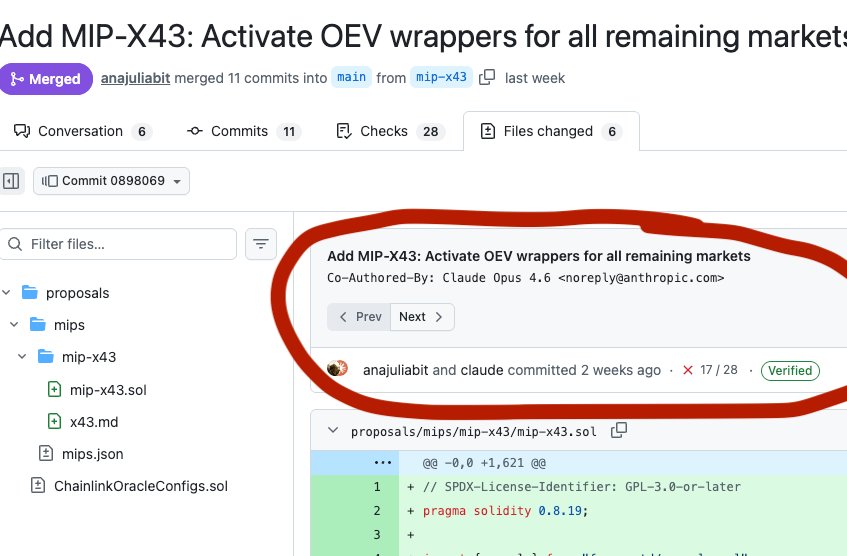
🚨Claude Opus 4.6 wrote vulnerable code, leading to a smart contract exploit with $1.78M loss
cbETH asset's price was set to $1.12 instead of ~$2,200. The PRs of the project show commits were co-authored by Claude - Is this the first hack of vibe-coded Solidity code?
0/ I’m excited to publish our updated investment thesis for @Multicoin.
Together with @spencerapplebaum_ and @shayonsengupta, we refined our core thesis and crystallized 8 themes we believe will define the most exciting investment opportunities over the next ~5 years.
People are freaking out thinking the L2 roadmap got dismantled.
It didn't.
It evolved, literally !
The old roadmap:
L2s were branded shards aka mini-Ethereum but cheap. Aka “your job is to scale and that’s it.”
But! L2s did amazing things, they outcompeted, they spread what’s possible, they made people believe and actually USE this thing.
So!
The new roadmap: L2s are specialized chains that inherit Ethereum's security.
The goal is now to be the best at somETHing.
Privacy.
Gaming.
DeFi.
Speed.
AI.
Social.
Institutional.
Whatever your USERS need.
The politics, the “acknowledgment” does not matter, the proof is much realer (literally).
This IS NOT Ethereum stepping back from L2s.
ITS L2s stepping Forward.
Stage 1 = minimum if you're handling ETH.
Beyond that?
Differentiate.
Get weird.
Build what only YOU can build.
by the way the native rollup exists and is a REAL effort !
AKA ZK verification built into the protocol itself.
This is literally Ethereum investing deeper in L2s, not walking away.
The roadmap DID NOT get dismantled.
It got upgraded.
IT GOT FREER
IT GOT MORE REAL.
WE HAVE A JOB TO DO
and the job is to bring this to the world
togETHer.
If you're building on an L2 right now, nothing changed except your ceiling.
It just got higher.