Are these people actors? I feel embarassed to be associated with people like this representing this illness. They clearly have not faced any real challenges and it does not reflect the majority of ME/LC
Save your spot at the global premiere of Unbound, a dance film created by twenty people living with #MECFS, #LongCovid, and other disabilities.
July 29 at 6:30 PM ET
REGISTER FOR FREE:
https://t.co/N5ew0vFfmx
#UnboundFilm#DisabilityCulture#LongCovid#MECFS
There’s a problem I see with ppl on here. Why when someone is venting something from their own experience, someone has to one up them. This has happened to me multiple times in replies. Support is key, not “oh I’ve been doing it longer” or “I wish I was lucky enough for x,y,z”
There has been a discussion on X lately about biomarkers for #LongCOVID, so I thought I would share some blood markers available that might point to immune, clotting and endothelial dysfunction. Encouragingly, all of them are available at specialised pathology labs worldwide.
These are also the molecules we keep finding trapped in fibrinaloid microclot complexes across our various (proteomics) analyses: fibrinogen, von Willebrand factor, Factor VIII, serum amyloid A, complement proteins (C3, C4, C5, C1q, factor B), platelet factor 4, P-selectin, myeloperoxidase, neutrophil elastase, transforming growth factor beta-1, endothelin-1, vascular endothelial growth factor, Serum Amyloid A, and many more. We also know that many of our collaborators have also find these molecules in the soluble fraction of plasma, when when they have done proteomics and ELISA tests.
We have known for a while that these proteins are present in both the soluble and the insoluble fraction of plasma, mostly, we have just been searching inside the insoluble fraction of blood plasma for possible dysregulated inflammatory molecules that might in future, be targeted by treatment regimens. What is new in our approach, is that we have only recently started looking at post-translational modifications (PTMs), on proteins and we have found that some are extensively modified: glycated, oxidised, deamidated, citrullinated.
What is PTMs? A post-translational modification (PTM) is a small chemical change made to a protein after it has been built, that slightly alters the protein without changing its underlying identity.
A simple way to picture it: the protein is the basic product, and PTMs are the stickers, tags and add-ons attached to it afterwards. The item is still the same item, but the additions can change how it looks and behaves, whether other things can grab onto it, and how long it lasts.
In the body, these tags get added in response to conditions like inflammation, high blood sugar or oxidative stress. Common examples are sugar molecules stuck on (glycation), oxygen damage (oxidation), or other small chemical groups. The protein's amount in the blood can look completely normal, while these tags quietly change how it works, which is exactly why a routine test can read "normal" and still miss the problem.
Also note that much earlier work by well-known researchers in the fibrinogen field has found post-translational modifications on fibrinogen in various inflammatory diseases.
More to come from our research group! Please, in the mean time see a the table below. These might be some valuable biomarkers that might to used in clinical investigations and might assist clinicians to target some symptoms.
@dbkell and I have also discussed possible devices like capillaroscopy for detecting vascular damage. @ImmunoFever has recently discussed the applications in numerous posts.
Lastly, this is in no way suggesting that these are the only biomarkers, it is just a small snapshot molecules our lab is finding and studying. There are numerous more biomarkers that can be looked at for neuro-immunology, muscle and many more systems.
TW: Sterbehilfe / #PostVac#MEcfs
Eltern kämpfen für ihren Sohn
Bielefelder war schwer an ME/CFS erkrankt: Elias’ selbstbestimmter Abschied
Nach der zweiten Corona-Impfung erkrankte der Student mit 24 Jahren an der schweren neuro-immunologischen Krankheit ME/CFS. Er war bettlägerig, konnte nicht mehr sprechen, wurde künstlich ernährt. Seine Eltern pflegten ihn aufopferungsvoll bis zum Ende.
(PayWall)
https://t.co/sBZyJgvnTz
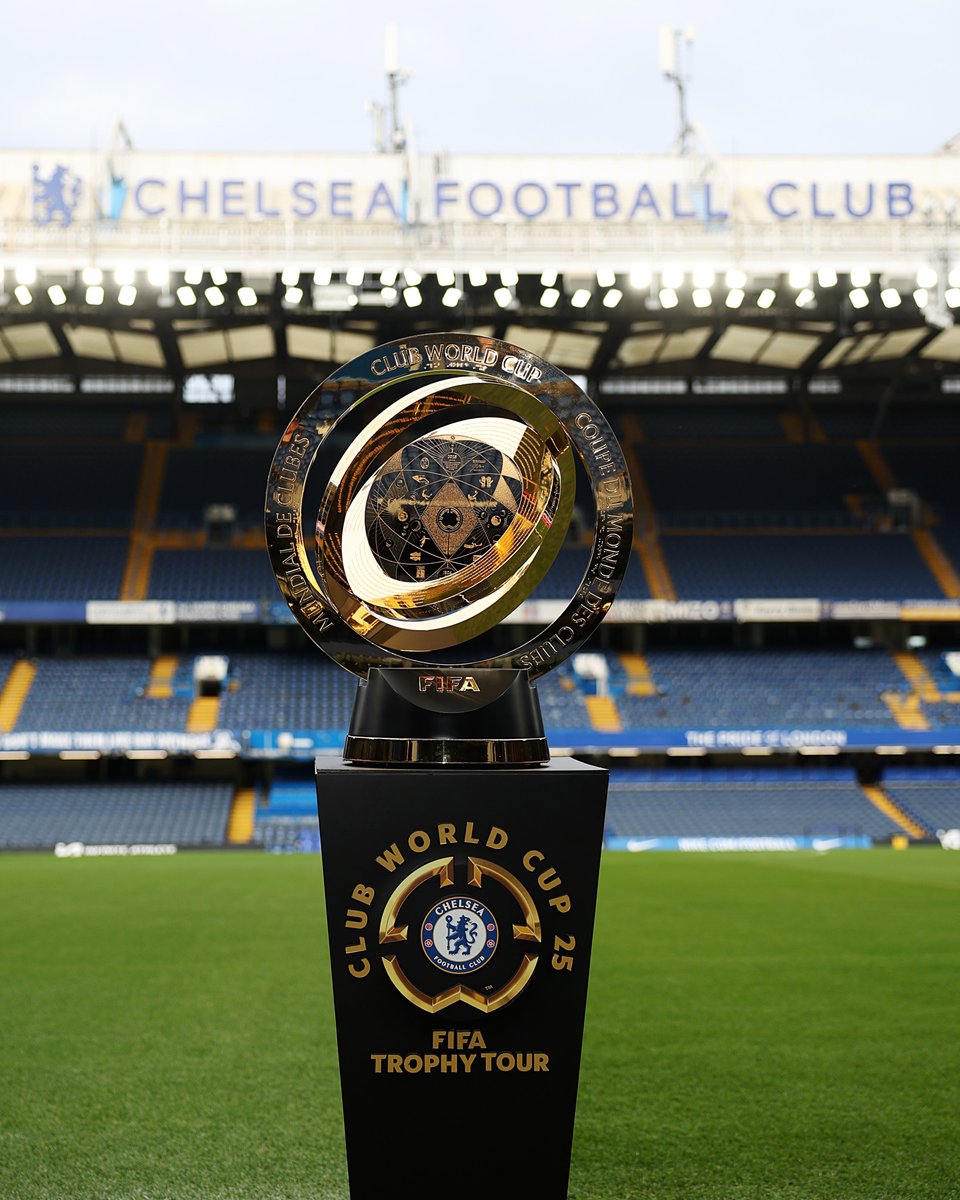
Come and visit London’s Home of Trophies. 🏆
Book your Stadium Tour at Stamford Bridge now. ⭐️⭐Come and visit London’s Home of Trophies. 🏆
Book your Stadium Tour at Stamford Bridge now. ⭐️⭐Come and visit London’s Home of Trophies. 🏆
Book your Stadium Tour at Stamford Bridge now. ⭐️⭐Come and visit London’s Home of Trophies. 🏆
Book your Stadium Tour at Stamford Bridge now. ⭐️⭐Come and visit London’s Home of Trophies. 🏆
Book your Stadium Tour at Stamford Bridge now. ⭐️⭐Come and visit London’s Home of Trophies. 🏆
Book your Stadium Tour at Stamford Bridge now. ⭐️⭐️
I am a patient with very severe ME/CFS. After a neurology hospitalization and negative tests for other neurological causes, my illness is still being questioned and interpreted as psychiatric. I am now on high-dose psychiatric medication that is making me significantly worse
Very severe #mecfs should be the poster child for the disease. Not its most “mild” stage. The messaging needs to shift. I worked on a post for weeks to represent stage 3 & 4, & asked for input from other sick people and healthy people. This post is now up on insta.
#longcovid
In the hospital for an extra day having a very hard time, if anyone could please share my neurosurgery fundraiser even if you can’t donate so more people see it, appreciate you, thank you
Doctors found more issues, I will update when I know more https://t.co/lts1LL4Qnp