Cognitive scientist who explores how we make sense of this wonderful, complex, and chaotic world. I mostly study beliefs, values, religion, and spirituality.
According to #Census2021, 37% of England & Wales are non-religious, and the non-religious outnumber Christians in Wales. Collective worship laws do not represent us. Want to help replace collective worship with inclusive assemblies? Sign our petition. https://t.co/OdlQEwPayL
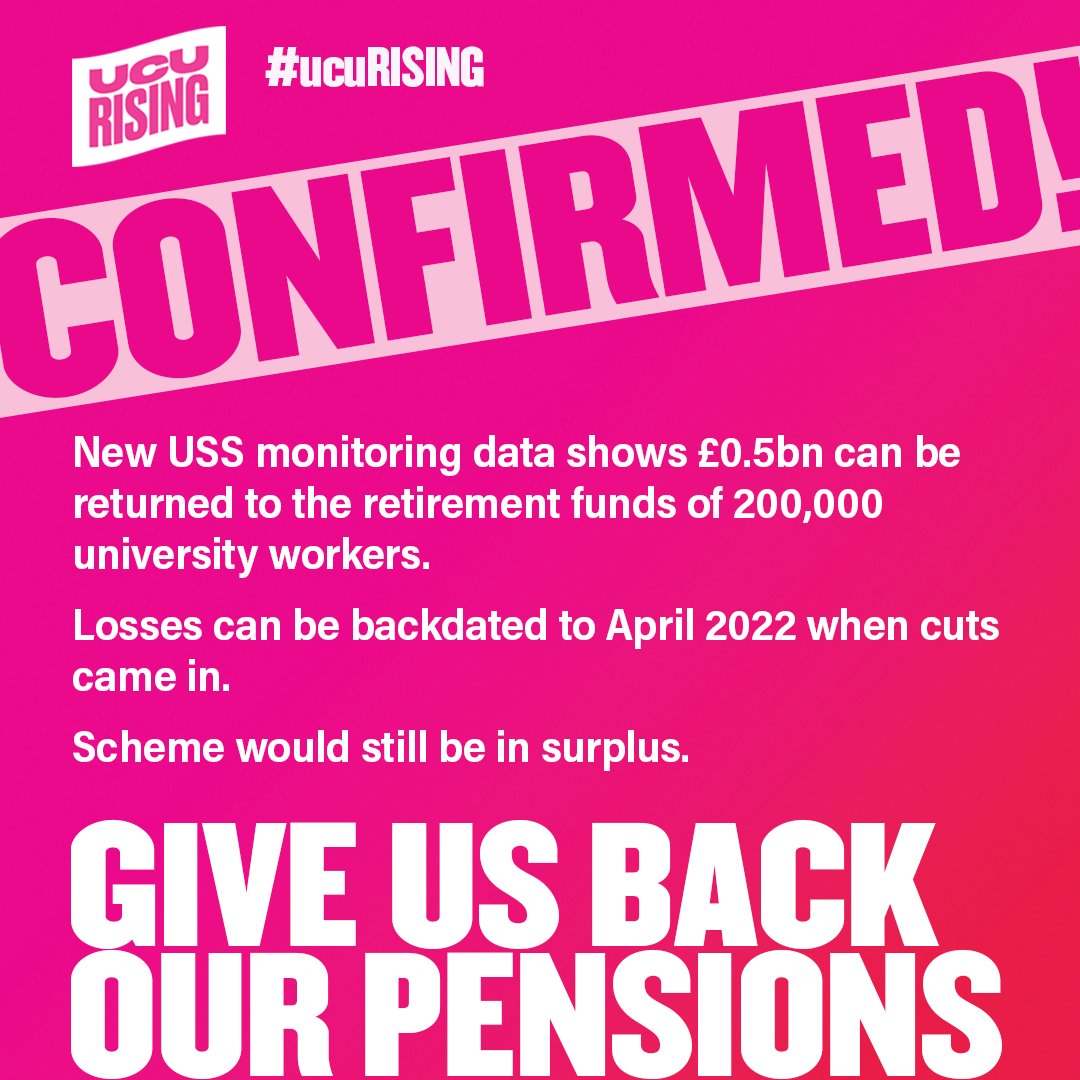
Every single university in the UK will strike for 3 days at the end of Nov if the employer does not resolve our disputes
The ball is now firmly in their courts
Let’s build for the strikes
The longer the picket line, the shorter the strike
#ucuRISING
I'm very excited that we've now started recruiting participants for this project! I'm hoping we'll be able to make a real difference in the support offered to people leaving religion. Please share it with any suitable groups!
Ex-JWs, can you help? We are looking to interview people about their experiences leaving, or being disfellowshipped, and what support needs they have.
Visit https://t.co/ipzYIDfZlh or email [email protected]#exJW, #exJehovahsWitnesses#BestLifeEver
New Statistics Canada data suggests that ~37% of the Canadian population now has no religion. Quite the increase from ~24% in 2011. Christians now represent 53% of the population, down from 67% (2011) #nonreligion#secular#religion
I finally made a website for my stats/DS/R artwork (thanks for dealing with my unruly ReadMe for so long, everyone😅).
I hope the site makes it easier to explore, find & use the artwork in your materials. This is where I'll add new stuff from now on.
https://t.co/XpvKvFmavV
At long last, a meta-analysis of aspects of religion/spirituality and life satisfaction (i.e. well-being) is finally out. Results consistent with prior meta-analyses over the decades, overall r = .18.
I find it fascinating that the effect size is so small!
https://t.co/Rsm1DRCdVV
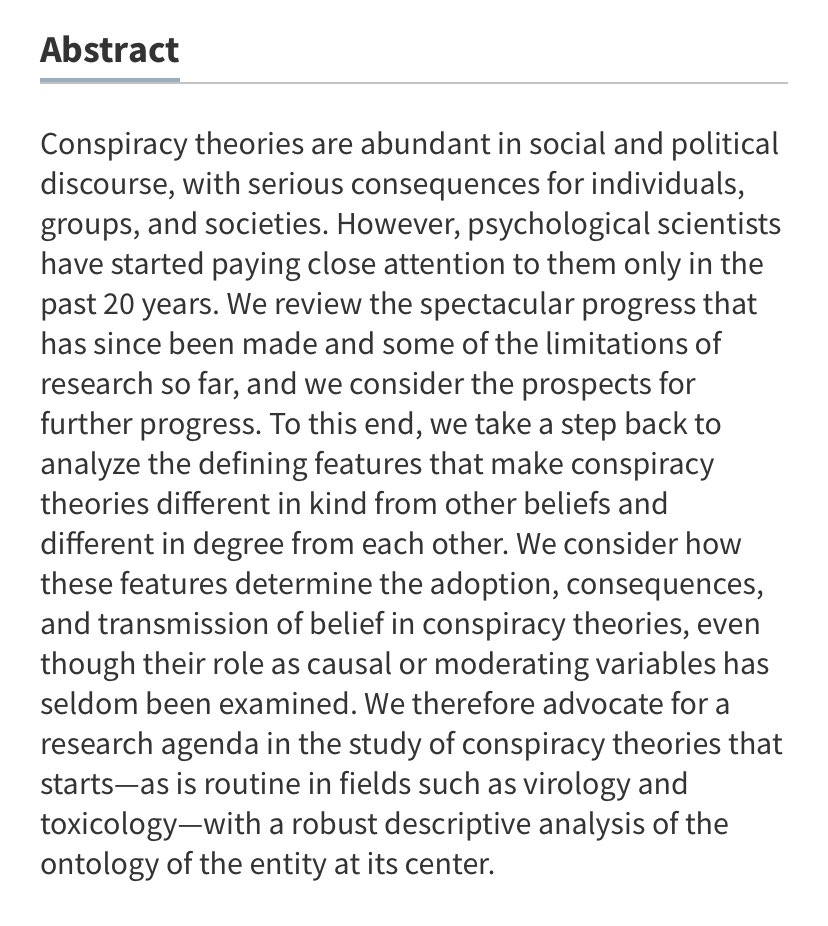
What are conspiracy theories? In this Annual Review of Psychology paper, Robbie Sutton and I analyse the defining features that determine why people believe them, what their consequences are, and why people share them @AnnualReviews@CONSPIRACY_FX https://t.co/GhxBkhAkrE
New article in @ConversationUK! In this article I describe what our research suggests as to why young people may be more likely to believe in COVID-19 conspiracy theories, but also give an overview of gradients of COVID-19 denial & what we can do about it
https://t.co/0kAVhpnxff
It's #RecoveryMonth & I want to highlight our study exploring the role of #spirituality in recovery from #alcoholism . Please take part if you are in 12-step based recovery and if not, please share. This kind of work is so important to the #recovery community
Interested in nonreligion? Multiple virtual "Meet the Author" events coming up, organized by @NonreligionCF. Perhaps too early to advertise the session I'm in (May 16, 2023), but check the others here: https://t.co/fFrE5uyb7P
📢Launch of the Explaining Atheism Website📢 Exciting to launching our website today. Check out films about the programme, our projects, and a growing repository of resources for the study of unbelief. We'll be featuring content everyday this week. https://t.co/oQn0gYB7FN
What can we expect from the census results this year on religion & belief? Join us with Professor @LindaWoodhead as we explore her 'part prediction, part hope' for the future - register ASAP ⬇️
https://t.co/odOckQczMA
This week we launch a ballot of over 70,000 @UCU members across every university in the UK.
It’s the same story as elsewhere. Gross profiteering, suppressing workers pay, pension attacks and casualisation.
Our members are ready to fight.
RT if you stand with them.
#ucuRISING
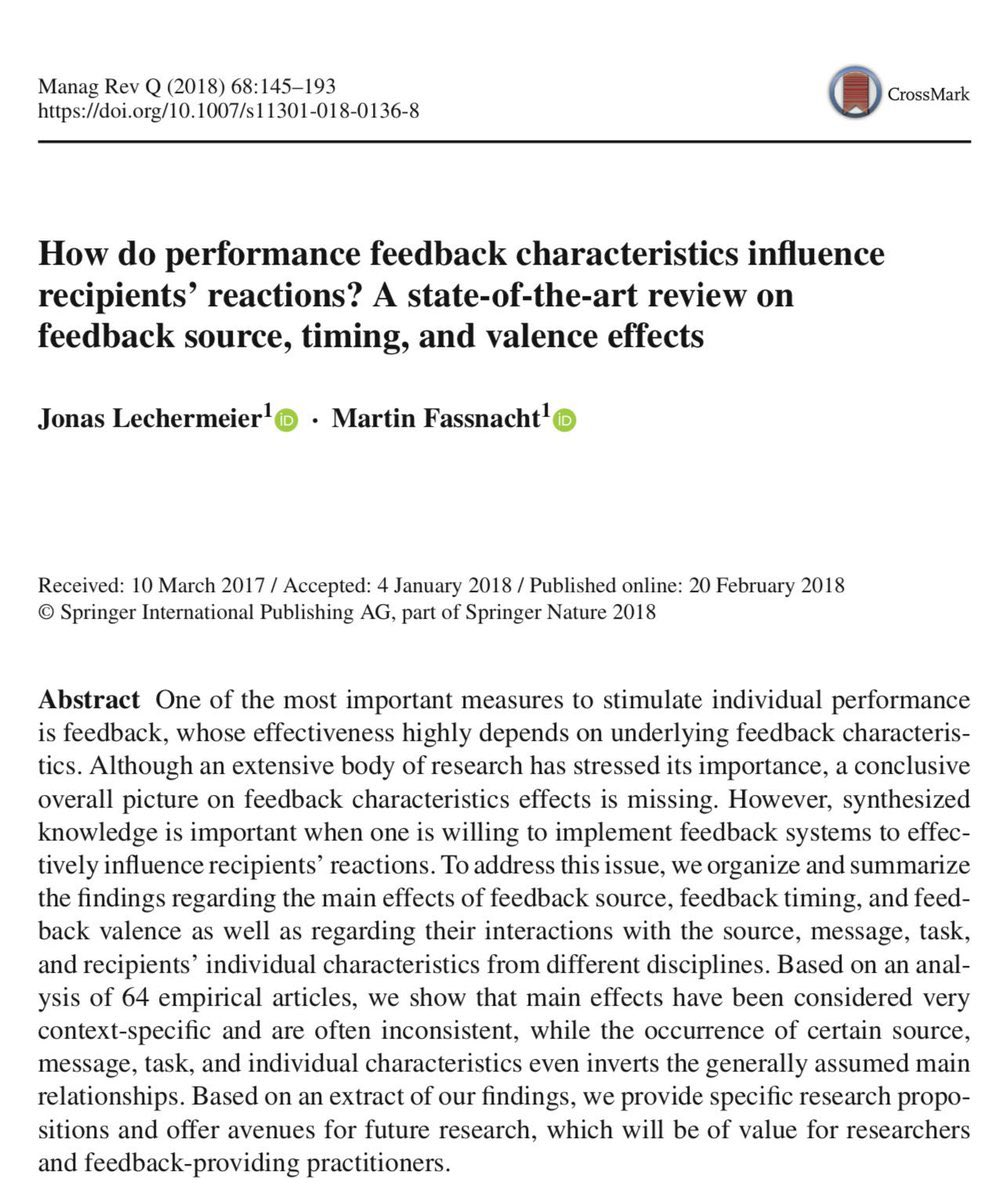
Kill the feedback “sandwich” 🥪!
The sandwich (start with something positive, then the negative, then something positive) is bad: it backfires - not changing incorrect behavior while also upsetting the recipient.
Don’t manipulate, here are feedback tips: https://t.co/pXLp870ZM3
@alison_nuske@ginnybraun @drvicclarke Nollaig Frost's "Qualitative Research Methods in Psychology: Combining Core Approaches" explores those issues too and discusses the strengths & weakness of doing so. The term they prefer is 'pluralistic qualitative research' which should help find articles too.