Mixing FOH on tour since 2022. Audio since 1997. Between shows I run sales for a software startup, mostly with AI. Starting this week I'm showing exactly how: the tools, the rules, and the parts that go sideways. Full send.
Haha. Also, built to apps. Claude, built and shipped, no issues. Grok Bot, built and shipped, still fighting connectivity issues. Mostly an architecture thing. But still.
Well, so far, building and deploying working demos in Claude via Cloudflare is a total win. Grok Bot with Tailscale, not so much. It's an extraordinary amount of extra effort.
"Each bot's routine settings, including a webhook's address and key, belong to that bot and can't be read by your other bots. That's a deliberate wall, so one bot can't pick up another bot's keys and use them to trigger or impersonate it. Juliard could have looked for a way around it, but that's exactly the kind of thing he's supposed to refuse. So the key went from Mikey's routine to you, and from you straight into a masked box."
Just migrated a bunch of development stuff of Claude to Cloudflare. Freed up AI usage by making a few automations scripts that the workers run. Pretty sweet.
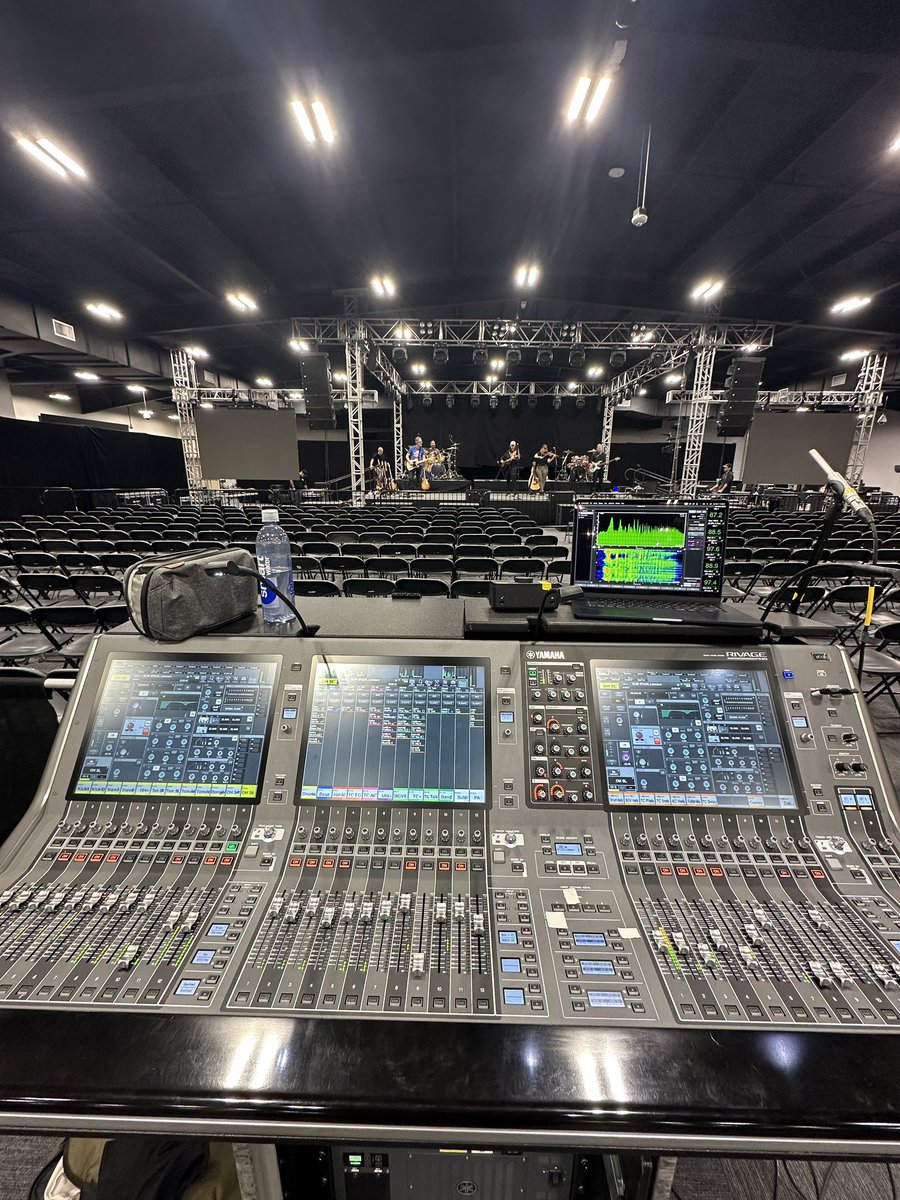
For any audio people out there that care: I prefer the PM3. I don't like all the screens, I don't like the recessed cues and I don't like the button layout on the 5. #livesound#FOH#Audio
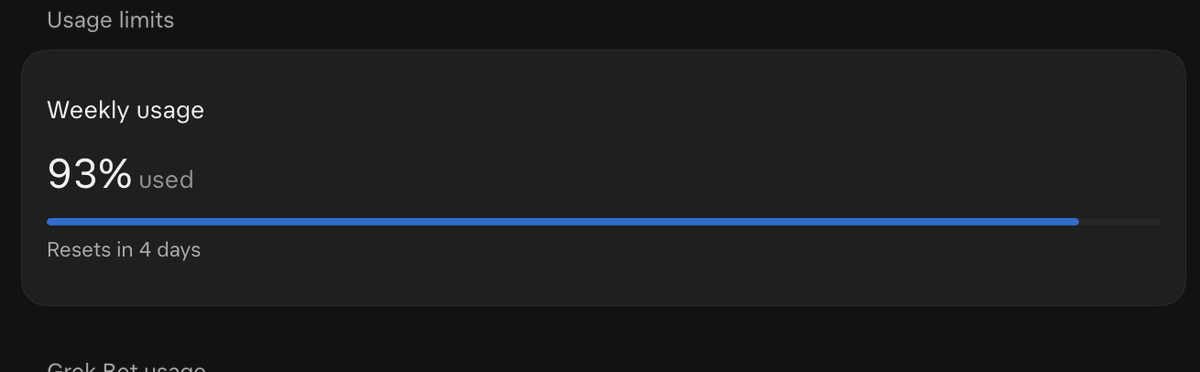
@devth@mustafaergisi Seriously. I'm not even doing much and hit it in a day. Redeploying some of this as scripts to Cloudflare. Maybe cut back on my usage. @elonmusk just promoting better developer practices haha.
Music industry relationships are complex.
You will "my bro" with some people for years and they will never extend you an act of kindness or see an opportunity and think of you.
And there are some you know for two months and they give you chances that change your life.
Spotify just announced a feature that could either save the music industry or destroy it.
Starting as early as Q1 2027, Spotify Premium subscribers will be able to use AI to transform any participating artist’s song into a completely different version. Turn a folk ballad into a dance track. Make a hip-hop song sound acoustic. Generate a cover where one artist’s voice performs another artist’s song. Remix a pop hit into lo-fi study music. Create the version of your favorite song that only existed in your head until now.
The remixes will be uploaded directly to Spotify. They’ll appear in playlists. They’ll count toward the original song’s chart position. And most importantly the original artist will earn royalties every time someone listens to a fan-created remix of their work.
Spotify has already signed a landmark licensing deal with Universal Music Group the world’s largest record label. Negotiations with Sony Music and Warner Music are ongoing. The feature will cost an additional $4–$5/month on top of Spotify Premium. And analysts project 7–8% of American subscribers will adopt it by 2028.
This is not Suno or Udio generating music from text prompts. This is fans remixing real songs by real artists with the artists’ permission, on the world’s largest streaming platform, with royalties flowing back to the creators.
A music industry analyst who’s covered streaming economics for 15 years told her team something after reading the licensing agreement that reframed how she understood the future of recorded music.
“Spotify just turned 640 million listeners into 640 million potential remixers. The question isn’t whether people will use it they will. The question is whether paying artists for fan remixes solves the economics of streaming or creates a world where the original recording is worth less than the infinite remixes generated from it.”
Here’s what Spotify’s AI remix feature actually is, who wins, who loses, and why this might be the most consequential decision in the music industry since the launch of streaming itself 🧵