Suppose that once a week, ten men go out for beer and the bill for all ten comes to £100.
If they paid their bill the way we pay our taxes, it would go something like this:
The first four men (the poorest) would pay nothing.
The fifth would pay £1.
The sixth would pay £3.
The seventh would pay £7.
The eighth would pay £12.
The ninth would pay £18.
And the tenth man (the richest) would pay £59.
So, that’s what they decided to do.
The ten men drank in the bar every week and seemed quite happy with the arrangement until, one day, the owner caused them a little problem.
“Since you are all such good customers,” he said, “I’m going to reduce the cost of your weekly beer by £20.”
Drinks for the ten men would now cost just £80.
The group still wanted to pay their bill the way we pay our taxes.
So the first four men were unaffected.
They would still drink for free but what about the other six men?
The paying customers? How could they divide the £20 windfall so that everyone would get his fair share?
They realized that £20 divided by six is £3.33, but if they subtracted that from everybody’s share then not only would the first four men still be drinking for free but the fifth and sixth man would each end up being paid to drink his beer.
So, the bar owner suggested that it would be fairer to reduce each man’s bill by a higher percentage.
They decided to follow the principle of the tax system they had been using and he proceeded to work out the amounts he suggested that each should now pay.
And so, the fifth man, like the first four, now paid nothing (a 100% saving).
The sixth man now paid £2 instead of £3 (a 33% saving).
The seventh man now paid £5 instead of £7 (a 28% saving).
The eighth man now paid £9 instead of £12 (a 25% saving).
The ninth man now paid £14 instead of £18 (a 22% saving).
And the tenth man now paid £49 instead of £59 (a 16% saving).
Each of the last six was better off than before with the first four continuing to drink for free.
But, once outside the bar, the men began to compare their savings. “I only got £1 out of the £20 saving,” declared the sixth man. He pointed to the tenth man, “but he got £10!“
“Yeah, that’s right,” exclaimed the fifth man. “I only saved a £1 too. It’s unfair that he got ten times more benefit than me!”
“That’s true!” shouted the seventh man. “Why should he get £10 back, when I only got £2? The wealthy get all the breaks!”
“Wait a minute,” yelled the first four men in unison, “we didn’t get anything at all. This new tax system exploits the poor!”
The nine men surrounded the tenth and beat him up.
The next week the tenth man didn’t show up for drinks, so the nine sat down and had their beers without him.
But when it came time to pay the bill, they discovered something important – they didn’t have enough money between all of them to pay for even half of the bill!
And that’s how it works.
Tax them too much, attack them for being wealthy and they just might not show up anymore. In fact, they might start drinking overseas, where the atmosphere is somewhat friendlier.
For those who understand, no explanation is needed.
For those who do not understand, no explanation is possible.
Most Bitcoin plans are written for death. Fewer are written for incapacity.
Alive but unavailable — hospital, travel, decline — who can approve a move, and under what rules?
A will does not answer that. One seed or one device does not either.
Incapacity is part of our Estate Plan Protocol: collaborative security (client-controlled 2-of-3, key agency designed so we cannot move funds alone) so access can continue under clear conditions — without custody.
Short call: https://t.co/ITLLGTLfWN
If you have funds in Tomorrow Wallet, get them out now.
Tomorrow Labs is closing, and users have until Friday to export their key or move their assets to a wallet they already control.
Here's the announcement: https://t.co/623NXIMhk3
Most Bitcoiners will never have heard of Tomorrow. It was a self-custodial crypto inheritance wallet supporting Bitcoin alongside ETH, Solana and other assets, with beneficiaries, asset splits and inactivity-based succession built into the app.
I’m not interested in dancing on their grave, but it is a useful example of poorly thought-through trade-offs around inheritance.
Bitcoin may have been supported, but Bitcoin inheritance is a very different problem from passing on a portfolio of crypto tokens. People think about Bitcoin as something they may hold for decades and eventually pass to their children. I don’t think most people think about the average token that way, which makes a recurring inheritance subscription across an entire crypto wallet a difficult proposition from the start.
More importantly, inheritance infrastructure has to survive the companies that build it.
The plan cannot disappear because an app disappears. The beneficiaries, recovery process and estate instructions cannot live only inside somebody else’s software, and long periods of inactivity cannot automatically mean something has happened to you when leaving Bitcoin untouched for years is entirely normal.
There also cannot be a single party whose failure breaks the recovery path.
Bitcoin inheritance is not a feature you bolt onto a wallet. It is a system that may need to work 10, 20 or 30 years from now, through company failures, lost devices, deaths, changing technology and family members who may know nothing about Bitcoin.
That is why the structure we use is 2-of-3. The client already controls the Bitcoin, no single party can move it, the inheritance instructions sit in the estate plan rather than only in our software, and if we disappear the plan still works.
None of that came from imagining the perfect inheritance flow on a whiteboard. It comes from building around failure modes that actually exist in the real world.
https://t.co/CEiSybCyqe
If “Bitcoin adviser” makes you picture a firm that holds your coins, that is the wrong model for us.
We are not a custodian.
Collaborative security: client-controlled 2-of-3 multisig, professional key agency designed so we cannot move funds alone, Estate Plan Protocol for continuity.
Custody concentrates risk. We help you keep control — and still have a path when life does not go to plan.
Short call: https://t.co/n5LbOWNp48
Sounds crazy, right?
Inflating the Bitcoin price is better than inflating the cost of living (rent, food, homes), or making America's sons go to war (again).
@PeterBTCAdviser broke down exactly how this works on my podcast in January, and why almost nobody understands it yet👇
@PeterBTCAdviser got together with the Bitcoin After Us podcast to discuss Raising the Bitcoin Generation.
Holding Bitcoin is easy. Passing it on is not.
Links to Spotify, Apple and @fountain_app via the link below.
https://t.co/SvAEzu13mG
This is why getting Bitcoin off exchanges is our number one mission, not a slogan.
@JoeCarlasare is litigating against multiple US exchanges over phishing, pig-butchering losses, and firms that hide behind arbitration clauses and terms of service instead of owning the outcome.
If your bitcoin sits on an exchange, you do not control them. Counterparty risk, account freezes, and “not our problem” responses are features of the model, not exceptions.
We exist to move Bitcoin into collaborative multisig so the keys stay with the family.
https://t.co/rcRtAZjAHL
Your lawyer, accountant, and adviser are essential — and none of them are your Bitcoin key plan by default.
Wills and trusts define ownership. They do not create a working access path if the stack still hangs on one device or one seed.
Collaborative security sits beside that team: client-controlled 2-of-3, professional key agency designed so we cannot move funds alone, Estate Plan Protocol for continuity.
Not custody. Not replacing your professionals.
Short call: https://t.co/AI2x8vANDd
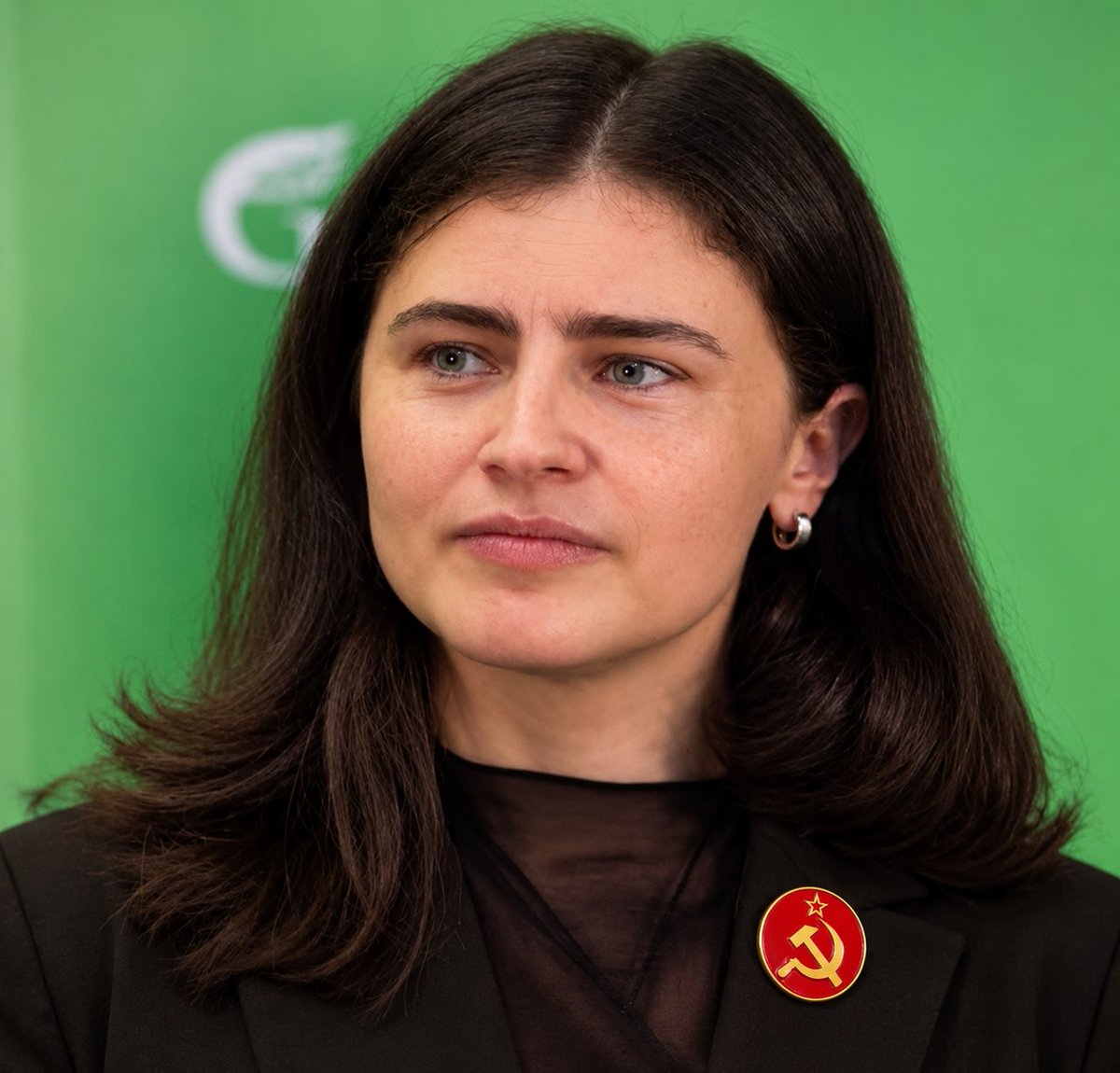
Alert: Swarbrick Scare: Nation Drinking Itself Stupid
🚨🚨🚨
Just went to the local wholesaler for my usual single malt. Completely cleaned out. Not a bottle left !
Asked the owner. He said people are so rattled by the Greens doing well they’re drinking themselves stupid.
Communist Chloe Swarbrick has half the country so frightened they’re emptying the whiskey aisle before she empties the country !
Here’s the strange bit.
AUSTRAC explicitly discourages indiscriminate debanking and says financial institutions should take a risk-based approach, assessing the risks presented by each customer.
The ACCC has previously gone further: “Outright blocking of money transfers to any cryptocurrency exchange is not a path we are considering.”
A fixed DCA, to the same AUSTRAC-registered exchange, on the same schedule, is exactly the sort of behaviour a bank has the history to understand.
Call it a crypto policy if that’s what it is.
Calling predictable, authorised customer behaviour “fraud prevention” deserves scrutiny.
Bitcoin security shouldn’t depend on one device, one person, or one point of failure.
You should own the bitcoin.
You should control the transaction.
And there should still be a clear path for recovery, inheritance, and support.
That’s what resilient Bitcoin security looks like.
https://t.co/LwekujRvjy
Imagine Chlöe Swarbrick flying to New York as Finance Minister and trying to convince the bond markets that New Zealand is a sensible place to lend money.
Chlöe has made it clear that Finance is the job she wants in a Labour-Green Government.
Our cost of borrowing would be whacked up after about five minutes of Chlöe Swarbrick talking about her Venezuela-style plan to nationalise supermarkets. That's before she gets to her plans to spend an extra $236.7 billion over the next Parliamentary term, or her plans to punish wealth-creators with a wealth tax.
The Greens aren’t shy about what they want. They want a much bigger Government, much more spending, more debt, and more taxes. Chlöe herself says she wants Finance because that’s where the power exists to ‘transform this economy’.
A Swarbrick-led Finance portfolio sure sounds like a circus act, but it's plausible because the direction of travel is the same for Labour and the Greens. The only difference is the Greens want to travel further.
ACT is pushing in the opposite direction: cut the waste and grow the country. Have the courage to find savings so that No New Taxes is both possible and sustainable.
We are campaigning to re-elect the coalition, while also making it go further and faster on the issues that matter – starting with balancing the books.