What are these two bands in the sky?
The more commonly seen band is on the left and is the central band of our Milky Way galaxy. Our Sun orbits in the disk of this spiral galaxy so that from inside, it appears as a band of comparable brightness all the way around the sky. The less commonly seen band, on the right, is zodiacal light -- sunlight reflected from dust orbiting the Sun in our Solar System. Zodiacal light is brightest near the Sun and so is best seen just before sunrise or just after sunset. On some evenings, this ribbon of zodiacal light can appear quite prominent. It was discovered only in this century that zodiacal dust was mostly expelled by comets that have passed near Jupiter. The featured image was captured about a year ago from the Atacama Desert in Chile.
Image Credit & Copyright: Julien Looten
Airwave from the Artemis2 launch reached @Astro_Jeremy's hometown at 8:11 pm EST. @WesternU Elginfield Observatory infrasound station detected #ArtemisII just after launch ascent as it was heading over the Atlantic. Green box shows airwave arrival lasting several minutes.
Why is #AsteroidDay observed today?
On June 30, 1908, a jaw-dropping explosion flattened millions of trees in a remote part of Siberia. The cause: a meteor air burst by an asteroid about 180 ft (55 m) wide.
The history of the Tunguska Event: https://t.co/y3FmatVeBI
Nota en la Diaria sobre los resultados de un articulo del doctorado de Nicolas Diaz. Tema: modelo basado en datos de la Oscilacion de Madden-Julian que permite estudiar su dinámica e interacción con El Niño para mejorar predicciones subestacionales.
https://t.co/o7aqQ4ulpF
Escuchar a nuestros científicos debe ser una prioridad , que se facilita cuando es el caso de alguien que plantea los desafíos climáticos con tanta claridad y contundencia como Marcelo Barreiro.
¡FELICITACIONES, Gastón, Francesco, Virginia y Julieta!
Cuatro jovenes olímpicos #uruguayos tuvieron destacadas participaciones, obteniendo dos medallas de plata, una de bronce y una mención honorífica, así como mejor prueba observacional.
+info
https://t.co/EkUmlAQp9e
A veces pasan cosas que ni la ciencia puede arreglar🤦🏽♂️🤦🏼
👉🏽Por eso, esta noche volvemos a ver el programa que no pudimos emitir normalmente la semana pasada💪🏼
¿Te lo vas a perder❓
#SobreCiencia en @TVCIUDADuy
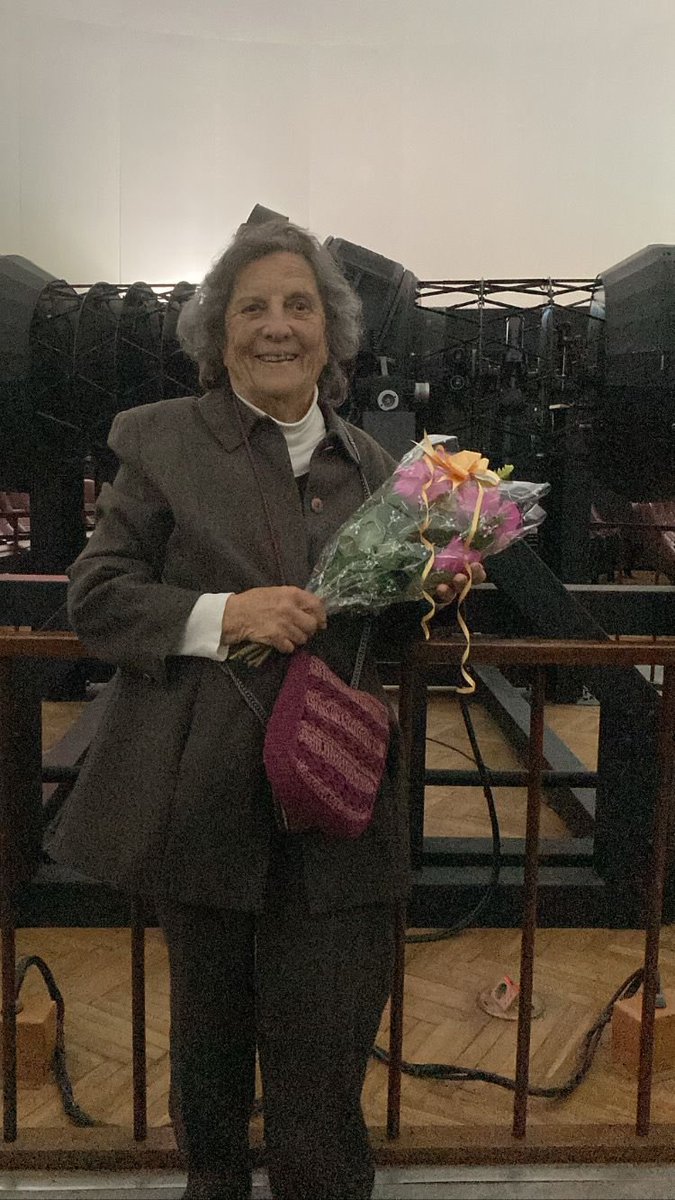
Con profundo pesar les anunciamos el fallecimiento de Esmeralda Mallada; gran docente, astrónoma, socia fundadora de la @AAAstroUy e inmortalizada en un asteroide que lleva su nombre. Abrazo apretado a su familia y allegados. QEPD
9/11: an absolutely hectic day at the Forum in Vladivostok, Asian Russia, deep in Asia-Pacific. Pic taken on a short break, when I was led to the coolest bar in the business operated by my fav vodka brand. First-class Valdai session on Russia in Asia, great to meet Wang Wen, several itvws and the panel I was part of, on Greater Eurasia and de-dollarization, a killer, arguably the most crucial at the Forum. Putin landed in town on the night of 9/11, speaks this Tuesday, and Comrade Kim's train may come rollin' as well. We are only 140 km or so away from the DPRK's border. I'll be live on RT immediately after Putin. Siberian Express or bust.
Researchers have found evidence that wild savannah elephants in Kenya label each other with specific vocal sounds which they then use to communicate. The new discovery claims that elephants have specific names for each other.
We've passed 5,500 confirmed exoplanets with six new worlds. We are living in an age of discovery. Listen to the pace of that discovery with the sonification of the first 5,000 worlds. https://t.co/Q49r6GPKC7
Comet C/2023 P1 (Nishimura): Such a strong solar wind. The disconnection event on September 2nd - the spectacular development in a 20-minute animation (RASA 11 QHY600) and 4x80sec red Michael Jäger
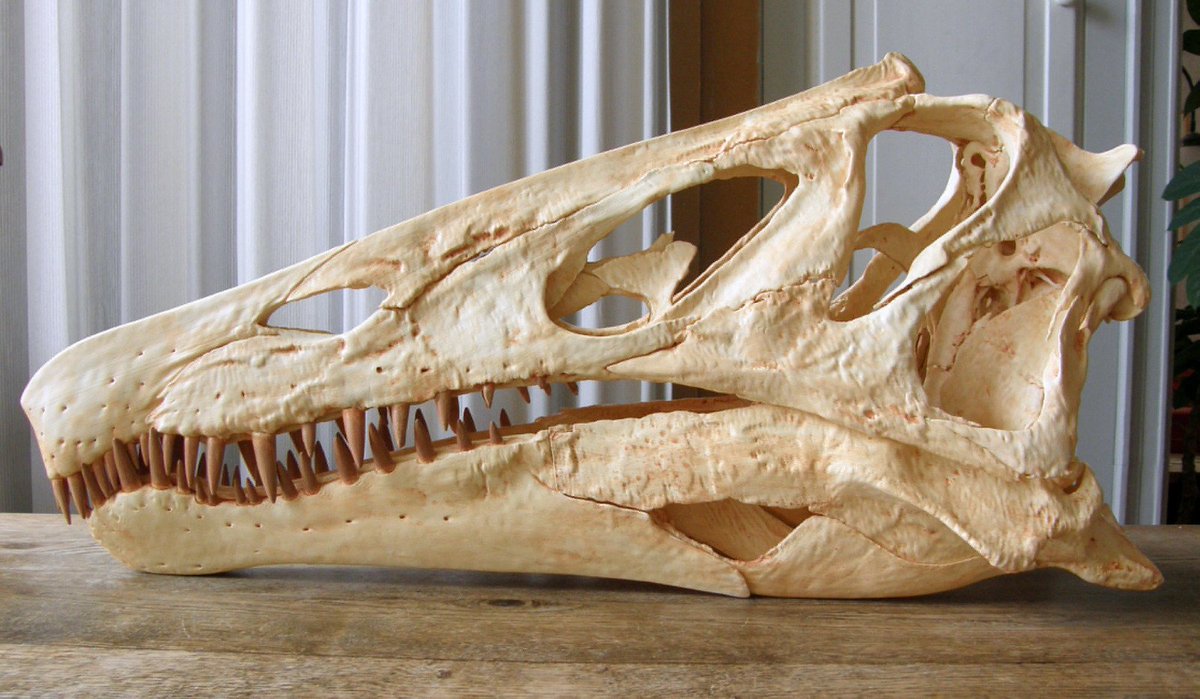
🚨 Last day to sign our open letter asking for the repatriation of this fine dinosaur that was smuggled from Brazil and is currently in Germany.
📢 Help this important dino to come back to its home place in Brazil, sign the open letter!
👇👇👇
https://t.co/blSUNAVKFt