Bewegungscoach. Neurowissenschaftler. 'mache Ihre Reflexe besser'.
Dem Alter wirkungsvoll begegnen. In Bewegung. Kraftvoll. Erkundend. Spielerisch. Lebendig.
Bei Zukunftsentscheidungen tendieren wir dazu, die eine, bestmölgiche Lösung zu suchen.
Nachteil: Passt nur auf einen möglichen Ausgang der Zukunft.
Vernünftiger: Eine Lösung finden, die auf möglichst viele, vielleicht sogar alle Szenarien passt. /1
Don't aim to be the best. Aim to be the only.
Kevin Kelly says most people are aiming at the wrong target.
It sounds simple. But Kelly is quick to admit just how hard it actually is to get there.
"It requires a tremendous amount of self-knowledge and awareness to really understand what it is that you do better than anybody else in the world."
For most of us, that's a lifetime of work.
"For most of us it takes our lives to figure that out."
And here's what makes it even harder: you can't get there alone.
Kelly argues that family, friends, colleagues, customers, and clients all play a role in helping you see what you truly do better than anyone else. The people around you often spot it before you do.
You also can't think your way there.
"You can't do thinkism," he says. "You have to try and live it out."
That's why most remarkable lives are full of detours and dead ends. The wrong turns aren't failures. They're part of the process of elimination, the only way to arrive at what's uniquely yours.
But if you do find it?
Everything changes.
"You don't need a resume. There's no competition. And it's easy for you because you're doing it. You're not looking over your shoulder."
When you're the only one, the race disappears entirely.
I'm convinced that there is one skill that separates truly intelligent people from those who aren't: Listening well.
I love this idea of "being a recorder" from Rick Rubin.
Remember, the loudest person in the room is often the one with the least interesting things to say.
They put scars on women’s faces for a job interview experiment… then secretly removed them.
The women went in believing they had visible disfigurements — and came out reporting massive discrimination, with interviewers supposedly referencing their “scars.”
Konstantin Kisin used this study to make a powerful point: constantly telling people they’re oppressed or disadvantaged primes them to see discrimination everywhere, even when it isn’t there.
It’s the same psychological effect as buying a new car and suddenly noticing that model on every street.
The ideology of victimhood doesn’t just describe reality — it actively shapes it.
We should be teaching young people they’re strong and capable of overcoming adversity, not training them to see themselves as permanent victims.
What’s one way you’ve seen this “victimhood mindset” play out in real life?
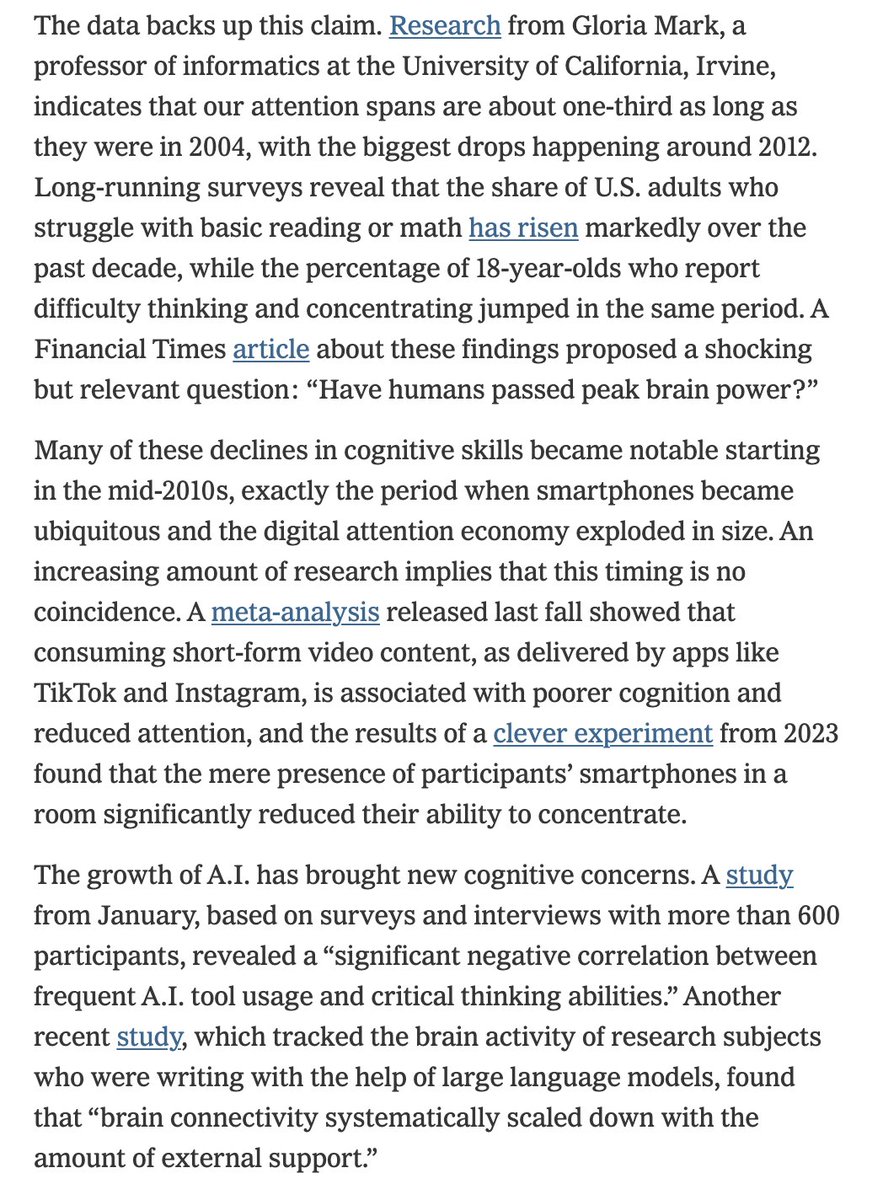
“Have humans passed peak brain power?”
We’re rapidly losing the ability to think deeply. This fantastic article explains how technology, from smartphones, social media to artificial intelligence is making us dumber.
"Long-running surveys reveal that the share of U.S. adults who struggle with basic reading or math has risen markedly over the past decade, while the percentage of 18-year-olds who report difficulty thinking and concentrating jumped in the same period. A Financial Times article about these findings proposed a shocking but relevant question: “Have humans passed peak brain power?”
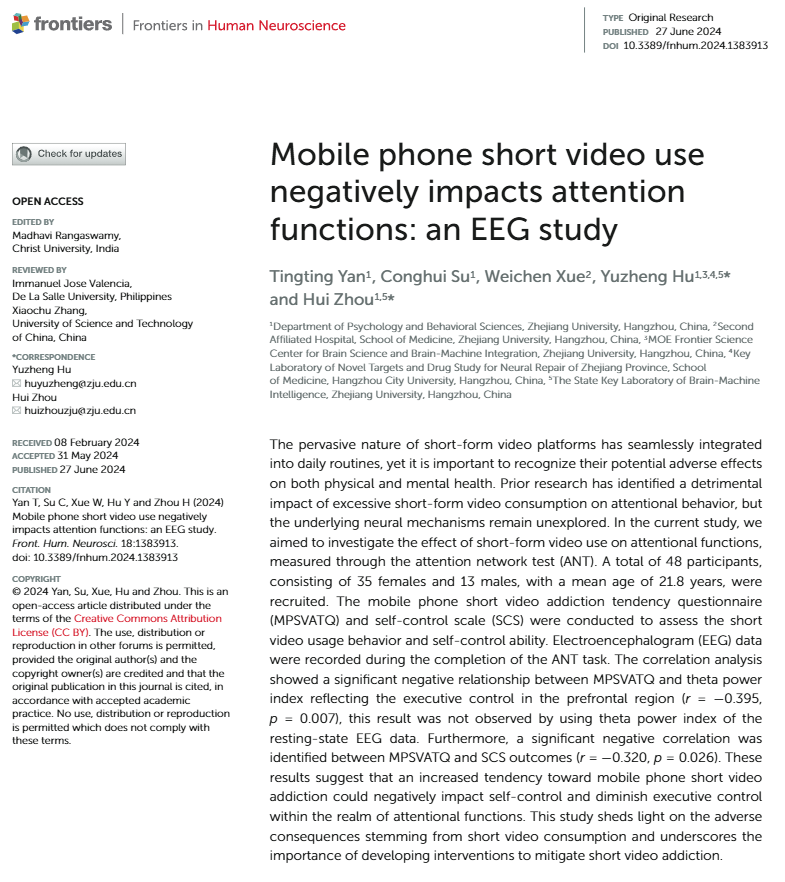
Many of these declines in cognitive skills became notable starting in the mid-2010s, exactly the period when smartphones became ubiquitous and the digital attention economy exploded in size. An increasing amount of research implies that this timing is no coincidence. A meta-analysis released last fall showed that consuming short-form video content, as delivered by apps like TikTok and Instagram, is associated with poorer cognition and reduced attention, and the results of a clever experiment from 2023 found that the mere presence of participants’ smartphones in a room significantly reduced their ability to concentrate.
The growth of A.I. has brought new cognitive concerns. A study from January, based on surveys and interviews with more than 600 participants, revealed a “significant negative correlation between frequent A.I. tool usage and critical thinking abilities.” Another recent study, which tracked the brain activity of research subjects who were writing with the help of large language models, found that “brain connectivity systematically scaled down with the amount of external support.”"
We need to stop filling our minds with the equivalent of digital Doritos. We made physical fitness and a healthy diet into a national movement, we should do the same for our brains.
https://t.co/iwcAVeCstl
Just 28 days without parabans and phthalates turned off breast cancer genes.
Researchers followed a group of healthy women who routinely used common personal-care products containing parabens and phthalates—chemicals found in everything from shampoo and lotion to makeup and fragrance. These compounds can act like estrogen in the body, and excess estrogen-like activity has long been tied to higher breast-cancer risk.
For 28 days, 36 women did one simple thing: they switched to paraben- and phthalate-free alternatives. No drugs, no diet changes—just cleaner cosmetics and toiletries.
The results were striking: urine tests confirmed that levels of the chemicals’ breakdown products plummeted, proving exposure had been sharply reduced.
But the bigger revelation came from breast-tissue biopsies taken before and after the switch. In just four weeks, the women’s breast cells began behaving less like precancerous or cancerous cells.
They regained the ability to respond to normal “cell-death” signals (a safeguard tumors often disable). Protective estrogen receptors, which are typically shut down in breast cancer, switched back on. Gene-expression patterns shifted away from high-risk profiles and toward healthier patterns.
This is the first human evidence that routine exposure to these everyday chemicals can nudge normal breast cells in a cancer-like direction—and, crucially, that removing the exposure can begin to reverse the process remarkably quickly.
It’s not definitive proof that changing your body wash will prevent breast cancer. But it does show that the body notices—and starts to repair itself—almost immediately when you stop putting these substances on your skin.
["Reduction of daily-use parabens and phthalates reverses accumulation of cancer-associated phenotypes within disease-free breast tissue of study subjects." Chemosphere, 2023]
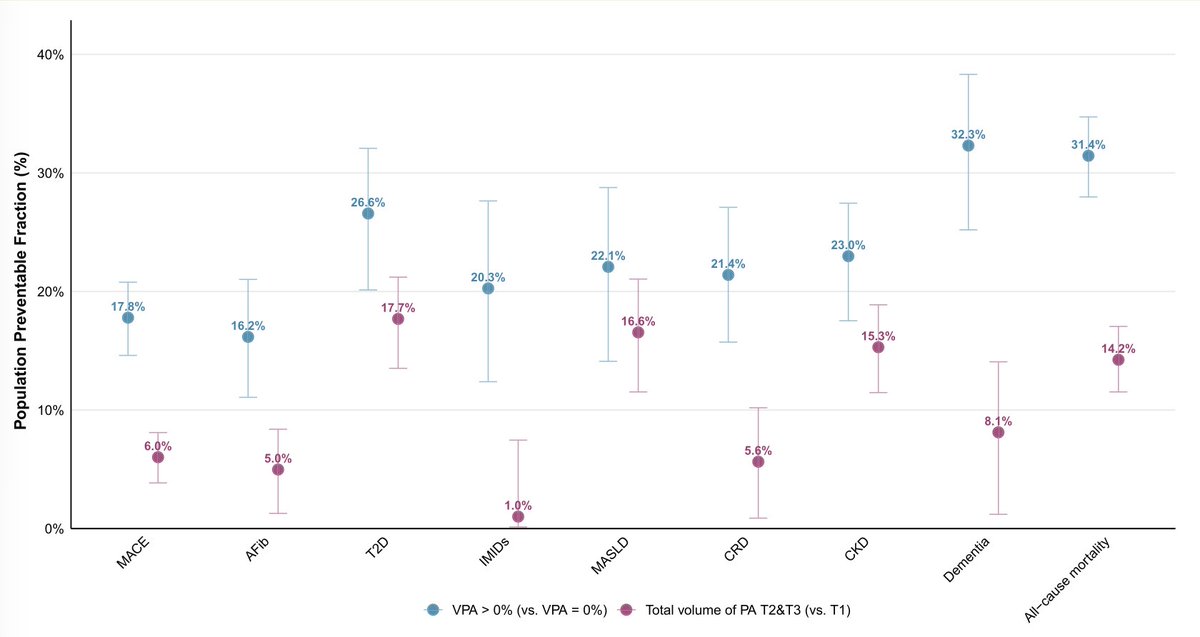
No matter how scientifically proven the effects of intensity are, applying this as a general recipe against diseases or aging is a trap for our predictive nervous system.
Intensity of exercise vs volume of physical activity made a difference for lower risks of 8 diseases and all-cause mortality among 96,000 @uk_biobank participants, especially noted for immune-mediated (IMID). VPA-vigorous physical activity
https://t.co/MiiJHRDwxK
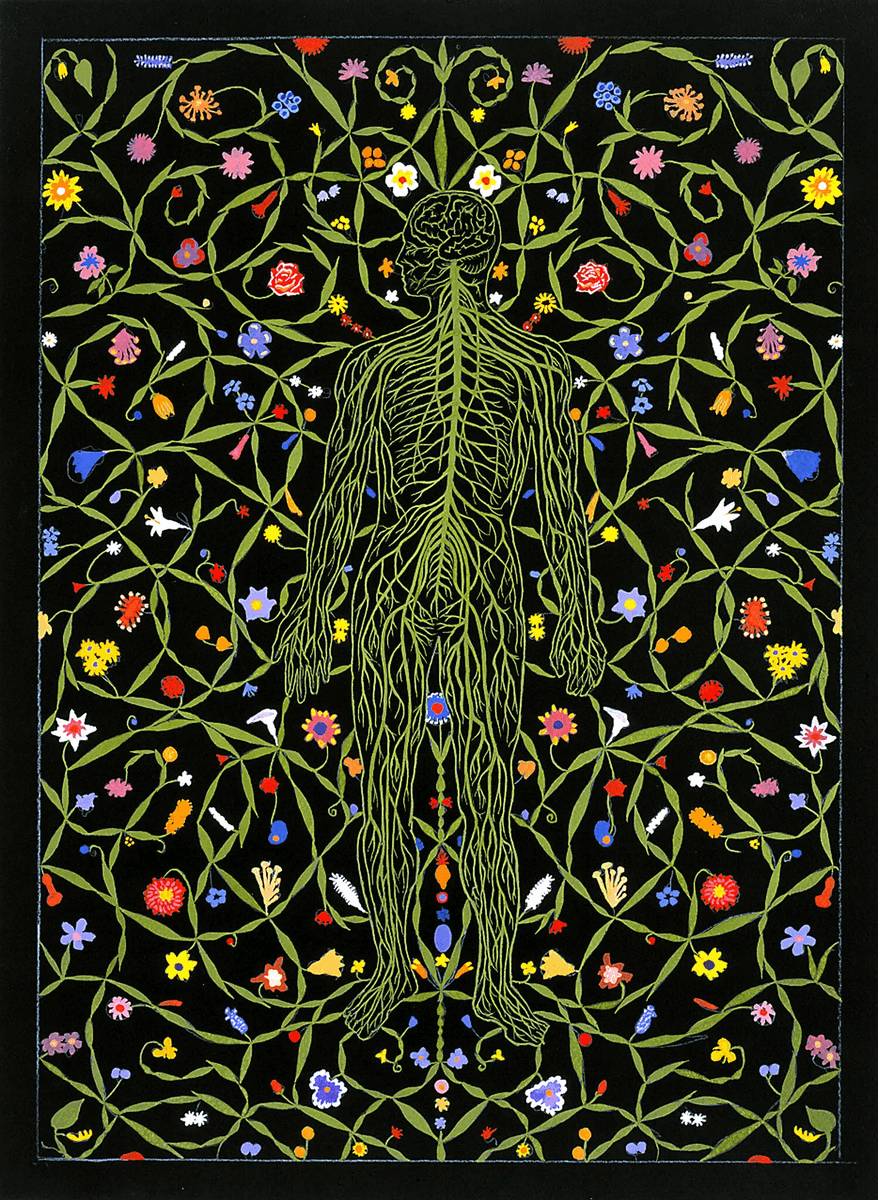
What is a dysregulated nervous system?
Dr. Robert Sapolsky spent 30 years studying stress in primates and humans.
His conclusion: "The stress response is more dangerous than the stressors themselves."
Few understand what this means for their body.
Here's the short version: 🧵
This has been well known for decades but it isn’t because writing makes you use your brain.
It’s because writing is SLOWER than typing and efficiency and speed are the enemy of understanding.
Slowness forces the student to reword what they are writing because they have no time to write down everything and rewording requires thinking about meaning.
Typing is fast enough to write down direct quotes so it doesn’t require thinking about meaning.
Use efficiency and speed for rote things that free up time to slow down for what you want to derive meaning from.
This is a 12-year-old study that has failed replication three times. And the underlying claim is still probably right.
The paper is Mueller and Oppenheimer, 2014. 67 students at Princeton. Longhand note-takers scored higher on conceptual questions. Became the most cited paper in every “ban laptops” argument on Earth. Then three separate labs tried to reproduce the result. Urry et al. at Tufts in 2021, 145 students. No effect. Morehead et al. in 2019, two experiments. No effect. A meta-analysis pooling eight similar studies. No effect.
So why am I saying it’s still right?
Because a 2023 Norwegian EEG study with 256 channels found something the behavioral research couldn’t measure. Handwriting produces theta and alpha connectivity patterns between parietal and central brain regions that typing does not produce. Those specific frequencies are the ones your hippocampus relies on for memory formation.
Your brain treats handwriting as a motor-spatial problem. Five brain regions fire in coordination: premotor cortex, parietal cortex, cerebellum, fusiform gyrus, sensorimotor cortex. Typing activates a fraction of that network.
The original study measured the right outcome with the wrong methodology. The real finding lives at the neural level: handwriting rewires the encoding process itself.
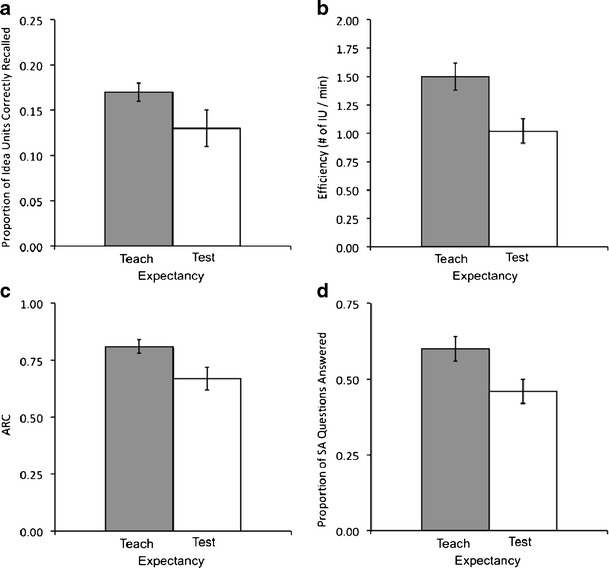
Students told they'd have to teach material recalled ~31% more than those preparing for a test.
Nobody actually taught.
Just expecting to explain something shifts your brain from passively absorbing to actively organizing
New research in Nature just changed how I think about Parkinson’s disease.
For years, we treated it as a problem in isolated motor areas that control the hand or foot. But brain imaging across 863 participants suggests something bigger.
Parkinson’s may involve a whole body control system in the brain called the Somato-Cognitive Action Network (SCAN).
Researchers found that deep brain regions like the substantia nigra become overconnected to this network. Treatments that work, like levodopa and deep-brain stimulation, seem to improve symptoms by normalizing this hyperconnectivity.
In a small clinical trial, patients who received magnetic stimulation targeting the SCAN improved twice as much as those treated at traditional limb motor areas.
This suggests Parkinson’s might not just be a movement disorder of isolated regions. It may be a network disorder of whole body control.
Early results, but a fascinating shift in how we may treat the disease.
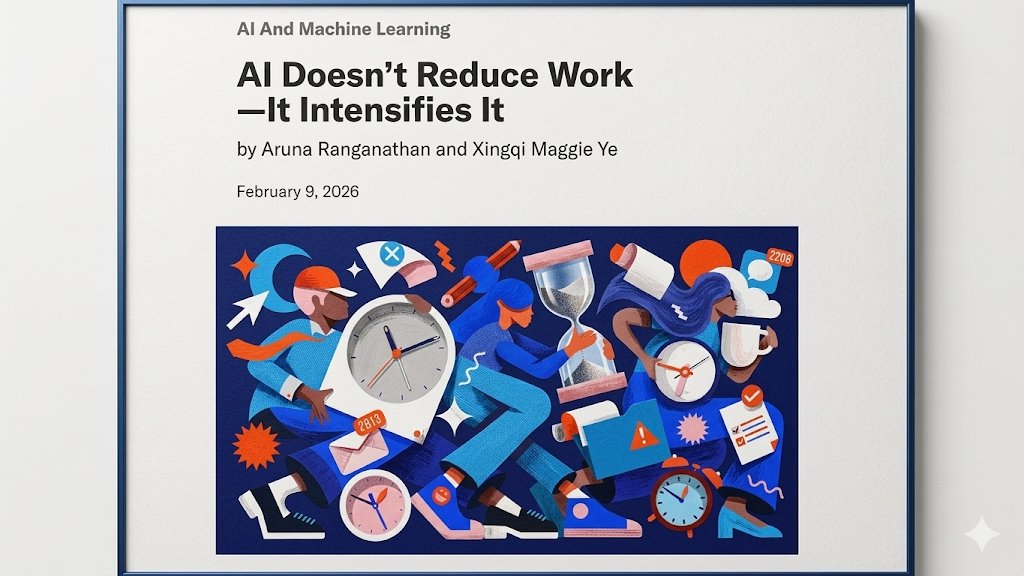
🚨BREAKING: Berkeley researchers spent 8 months inside a tech company watching how employees actually use AI.
The promise was simple: AI will save you time. Do less. Work smarter.
The opposite happened.
Workers didn't use AI to finish early and go home. They used it to take on more. More tasks. More projects. More hours. Nobody asked them to. They did it to themselves.
The researchers sat inside the company two days a week for 8 months. They watched 200 employees in real time. They tracked work channels. They conducted 40+ interviews across engineering, product, design, and operations.
Here's what they found. AI made everything feel faster, so people filled every gap. They sent prompts during lunch. Before meetings. Late at night. The natural stopping points in the workday disappeared. People ran multiple AI agents in the background while writing code, drafting documents, and sitting in meetings simultaneously.
It felt like momentum. It felt productive. But when they stepped back, they described feeling stretched, busier, and completely unable to disconnect.
83% said AI increased their workload. Not decreased. Increased.
62% of associates and 61% of entry-level workers reported burnout. Only 38% of executives felt the same strain. The people doing the actual work absorbed the damage while leadership celebrated the productivity numbers.
Then came the trap nobody saw coming. When one person uses AI to take on extra work, everyone else feels like they're falling behind. So the whole team speeds up. Nobody formally raises expectations. But the new pace quietly becomes the default. What AI made possible became what was expected.
The researchers gave it a name: workload creep. It looks like productivity at first. Then it becomes the new baseline. Then it becomes burnout.
AI was supposed to give you your time back. Instead it's eating more of it. And the worst part? You're doing it to yourself. Voluntarily.
🚨 Stanford researchers just exposed a weird side effect of AI that almost nobody is talking about.
The paper is called “Artificial Hivemind.” And the core finding is unsettling.
As language models get better, they also start sounding more and more the same.
Not just within a single model. Across different models.
Researchers built a dataset called INFINITY-CHAT with 26,000 real open-ended questions things like creative writing, brainstorming, opinions, and advice. Questions where there isn’t a single correct answer.
In theory, these prompts should produce huge diversity.
But the opposite happened.
Two patterns showed up:
1) Intra-model repetition
The same model keeps producing very similar answers across runs.
2) Inter-model homogeneity
Completely different models generate strikingly similar responses.
In other words:
Instead of thousands of unique perspectives…
We’re getting the same few ideas recycled over and over.
The authors call this the “Artificial Hivemind.”
It happens because most frontier models are trained on similar data, optimized with similar reward models, and aligned using similar human feedback.
So even when you ask something open-ended like:
• “Write a poem about time”
• “Suggest creative startup ideas”
• “Give life advice”
Many models converge toward the same phrasing, metaphors, and reasoning patterns.
The scary implication isn’t about AI quality.
It’s about culture.
If billions of people rely on the same systems for ideas, writing, brainstorming, and thinking…
AI might slowly compress the diversity of human thought.
Not because it’s trying to.
But because the models themselves are drifting toward the same answers.
That’s the real risk the paper highlights.
Not that AI becomes smarter than humans.
But that everyone starts thinking like the same machine.
Arthur Brooks drops a brutal truth about modern friendship that hits hard:
“Real friends are the useless people in your life. Deal friends are the useful ones.”
In this 44-second clip, he cuts through the noise:
- Zoom and social media friendships don’t count — they’re not real.
- Professional “friendships” are just deal friends — useful, transactional, not soul-deep.
- Real friends are the ones who bring zero utility — no networking, no favors, no agenda.
- The question that stings: Do you have enough useless people in your life?
In a world obsessed with productivity and “high-value” relationships, Brooks reminds us: the people who truly matter are often the ones society calls “useless.”
Who’s one “useless” friend in your life that actually keeps you sane — and how long since you told them?
🚨BREAKING: MIT hooked people up to brain scanners while they used ChatGPT.
What they found should concern every single person reading this.
ChatGPT users showed 55% weaker brain connectivity than people who didn't use it. Not after years. After just four months.
Here's how they tested it. 54 people were split into three groups: one used ChatGPT to write essays, one used Google, and one used nothing but their own brain. They wore EEG monitors that tracked their brain activity in real time across four sessions over four months.
The brain-only group built the strongest, most widespread neural networks. Google users were in the middle. ChatGPT users had the weakest brains in the room. Every time.
Then the memory test hit. Participants were asked to recall what they'd just written minutes earlier. 83% of ChatGPT users couldn't quote a single line from their own essay. They wrote it. They couldn't remember it. The words passed through them like they were never there.
It gets worse. In the final session, ChatGPT users were told to write without AI. Their brains were measurably weaker than people who never used AI at all. 78% still couldn't recall their own writing. The damage didn't go away when the tool was removed.
Meanwhile, brain-only users who tried ChatGPT for the first time? Their brains lit up. They wrote better prompts. They retained more. Their brains were already strong enough to use AI as a tool instead of a crutch.
The researchers also found that every ChatGPT essay on the same topic looked almost identical. More facts, more dates, more names. But less original thinking. Everyone using ChatGPT produced the same generic output while believing it was their own.
MIT gave this a name: cognitive debt. Like financial debt, you borrow convenience now and pay with your thinking ability later. Except there's no way to pay it back.
The question isn't whether ChatGPT is useful. It's whether the price is your ability to think without it.
On #AI in coaching...
I saw a post the other day:
"If you have a job that won't be replaced by AI, what is it?"
Maybe surprisingly (with all of the AI assisted training software out there). I immediately 🙋♂️
See, for the first 10 years of my 30 years of coaching, the internet wasn't really a thing. There was certainly no "internet coaching"
No, my job was riding my bike to the pool twice a day, standing on deck, coaching.
When I rode my bike home in between sessions, my job was planning the next workout.
Then, something changed. The "information age" took hold and "internet coaching" became a thing - an inferior thing.
See, we live in an age where we think information is the limiter. It can be, but there are almost always other more powerful limiters at play.
Because we (over)prize information, these true limiters are often overlooked.
The Olympians that I worked with didn't become Olympians (only) because they had access to good information. They became Olympians because they were a part of a culture of excellence.
A culture of excellence can never be replaced by A.I. Its power is in its people.
We will never see high-performers at the very top of sport sitting at home, isolated, getting their plans from A.I.
We will see A.I. helping coaches in that phase of the job where they ride their bike home from the pool in the middle of the day and plan their workouts.
But, where high performance matters. It will always be about the culture. It will always be about people.
People who care about and demand the very best from each other. Nothing less.
20 years later, An Inconvenient Truth is turning out to be an inconvenient lie.
Al Gore’s film shaped an entire generation’s view of climate change. It won awards, filled classrooms, and fueled sweeping policies. But what many never heard is that a UK High Court ruled the documentary contained major factual inaccuracies and bias.
Claims about polar bears drowning, Kilimanjaro melting, and Antarctic ice disappearing were all debunked. Courts forced schools to present official guidance notes to balance the film’s one-sided arguments and prevent political indoctrination in the classroom.
Sound familiar?
We just lived through COVID and saw how powerful a narrative can become when it goes unchallenged. Fear drives compliance. Stories justify control.
Want clean air and clean water? Absolutely. Most of us do.
But when environmental concerns get twisted into tools for authoritarian policies, economic destruction, and social manipulation, we have a problem.
Truth matters more than slogans.
Watch the clip below and see the full breakdown on Episode 462 at https://t.co/Z12xa0teO7
#InconvenientTruth #ClimateNarrative #MediaSpin #QuestionEverything #FollowTheScience
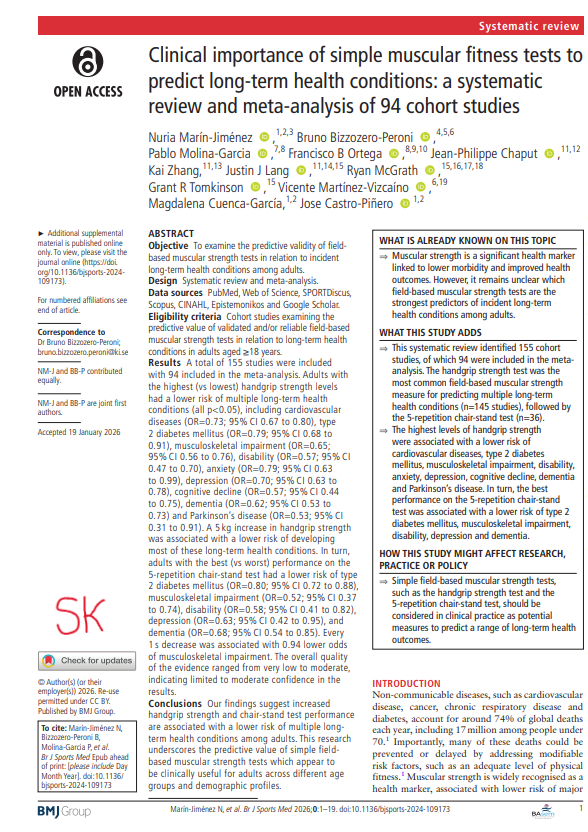
Muscle is more than just aesthetics. It is a vital sign for your longevity.
Recent research underscores a powerful truth:
Your muscular fitness is one of the strongest predictors of long-term health, shielding you against cardiovascular disease, cancer, and all-cause mortality.
▶️While aerobic exercise is essential, the science is clear:
🔸Combining strength training with regular cardio boosts your fitness more than cardio alone.
🔸Strength work does not just make you "leaner"; it builds a more resilient, metabolically active version of yourself.
Here is why strength training is a non-negotiable investment in your future self:
1. Skeletal Integrity: It builds the density your bones and muscles need to remain robust as you age.
2. Cardiovascular Support: It improves heart health and metabolic flexibility, helping your body process energy more efficiently.
3. Cognitive Sharpness: Lifting doesn’t just build muscle; it lifts your mood and sharpens your focus.
4. Independence: It is the foundation of aging with grace, ensuring you maintain mobility and strength for a lifetime.
✅The Strategy:
You don’t need to train like a pro athlete to see results. The secret is not perfection; it is consistency. Even short, focused sessions, using just your own bodyweight, can trigger these transformative changes.
▶️The best workout is the one you actually show up for. Your body rewards every rep you give it. Today’s effort is tomorrow’s resilience.
▶️Stop waiting for the "perfect" time. Put on your sneakers. Choose strength. Watch how your life changes-one squat, one push, and one day at a time.
Dr Sudhir Kumar @hyderabaddoctor
New research shows your body may actively counteract weight-loss efforts by reducing energy use elsewhere when you ramp up exercise.
Exercise is widely recognized as vital for overall health, yet many people discover that increasing workouts doesn't produce the expected drop in body weight. A recent analysis of human exercise intervention trials, led by researchers at Duke University, reveals why: the body compensates for added physical activity by lowering energy expenditure in other areas, such as basal metabolic processes and rest.
In typical aerobic exercise studies (e.g., running or cardio), total daily energy expenditure rises by only about 30% of what would be predicted if the extra activity simply added to baseline needs. For example, burning an additional 200 calories through exercise might result in just ~60 extra calories burned across the entire day after compensation is factored in. This "constrained energy expenditure" model suggests the body enters a kind of energy-preservation mode, particularly at rest, to offset the calories used during movement.
The effect intensifies when exercise is combined with calorie restriction (dieting). In those cases, compensation can become so pronounced that it largely or fully negates the energy deficit created by workouts, making weight loss even more challenging.
The type of exercise appears to matter: aerobic activities tend to trigger stronger compensatory reductions, while resistance training (e.g., weightlifting) shows less compensation and may even modestly boost overall energy use due to muscle repair and growth. Even so, experts caution that resistance training alone rarely leads to substantial fat loss without dietary changes.
These findings emphasize that while exercise delivers major benefits—improved cardiovascular fitness, mental health, muscle strength, and reduced disease risk—it is generally less effective than dietary adjustments for managing body weight. The body’s evolved ability to constrain total energy expenditure helps explain why "you can't outrun a bad diet" and underscores the importance of focusing primarily on nutrition for weight control.
[Pontzer, H., & Trexler, E. T. (2026). The evidence for constrained total energy expenditure in humans and other animals. Current Biology, 36(3), R89–R101. DOI: 10.1016/j.cub.2025.12.064]





![Rainmaker1973's tweet photo. Just 28 days without parabans and phthalates turned off breast cancer genes.
Researchers followed a group of healthy women who routinely used common personal-care products containing parabens and phthalates—chemicals found in everything from shampoo and lotion to makeup and fragrance. These compounds can act like estrogen in the body, and excess estrogen-like activity has long been tied to higher breast-cancer risk.
For 28 days, 36 women did one simple thing: they switched to paraben- and phthalate-free alternatives. No drugs, no diet changes—just cleaner cosmetics and toiletries.
The results were striking: urine tests confirmed that levels of the chemicals’ breakdown products plummeted, proving exposure had been sharply reduced.
But the bigger revelation came from breast-tissue biopsies taken before and after the switch. In just four weeks, the women’s breast cells began behaving less like precancerous or cancerous cells.
They regained the ability to respond to normal “cell-death” signals (a safeguard tumors often disable). Protective estrogen receptors, which are typically shut down in breast cancer, switched back on. Gene-expression patterns shifted away from high-risk profiles and toward healthier patterns.
This is the first human evidence that routine exposure to these everyday chemicals can nudge normal breast cells in a cancer-like direction—and, crucially, that removing the exposure can begin to reverse the process remarkably quickly.
It’s not definitive proof that changing your body wash will prevent breast cancer. But it does show that the body notices—and starts to repair itself—almost immediately when you stop putting these substances on your skin.
["Reduction of daily-use parabens and phthalates reverses accumulation of cancer-associated phenotypes within disease-free breast tissue of study subjects." Chemosphere, 2023]](https://pbs.twimg.com/media/HE6DeL6aYAAdhJC.png)



![Rainmaker1973's tweet photo. New research shows your body may actively counteract weight-loss efforts by reducing energy use elsewhere when you ramp up exercise.
Exercise is widely recognized as vital for overall health, yet many people discover that increasing workouts doesn't produce the expected drop in body weight. A recent analysis of human exercise intervention trials, led by researchers at Duke University, reveals why: the body compensates for added physical activity by lowering energy expenditure in other areas, such as basal metabolic processes and rest.
In typical aerobic exercise studies (e.g., running or cardio), total daily energy expenditure rises by only about 30% of what would be predicted if the extra activity simply added to baseline needs. For example, burning an additional 200 calories through exercise might result in just ~60 extra calories burned across the entire day after compensation is factored in. This "constrained energy expenditure" model suggests the body enters a kind of energy-preservation mode, particularly at rest, to offset the calories used during movement.
The effect intensifies when exercise is combined with calorie restriction (dieting). In those cases, compensation can become so pronounced that it largely or fully negates the energy deficit created by workouts, making weight loss even more challenging.
The type of exercise appears to matter: aerobic activities tend to trigger stronger compensatory reductions, while resistance training (e.g., weightlifting) shows less compensation and may even modestly boost overall energy use due to muscle repair and growth. Even so, experts caution that resistance training alone rarely leads to substantial fat loss without dietary changes.
These findings emphasize that while exercise delivers major benefits—improved cardiovascular fitness, mental health, muscle strength, and reduced disease risk—it is generally less effective than dietary adjustments for managing body weight. The body’s evolved ability to constrain total energy expenditure helps explain why "you can't outrun a bad diet" and underscores the importance of focusing primarily on nutrition for weight control.
[Pontzer, H., & Trexler, E. T. (2026). The evidence for constrained total energy expenditure in humans and other animals. Current Biology, 36(3), R89–R101. DOI: 10.1016/j.cub.2025.12.064]](https://pbs.twimg.com/media/HA0G7_QasAA6CS9.jpg)


