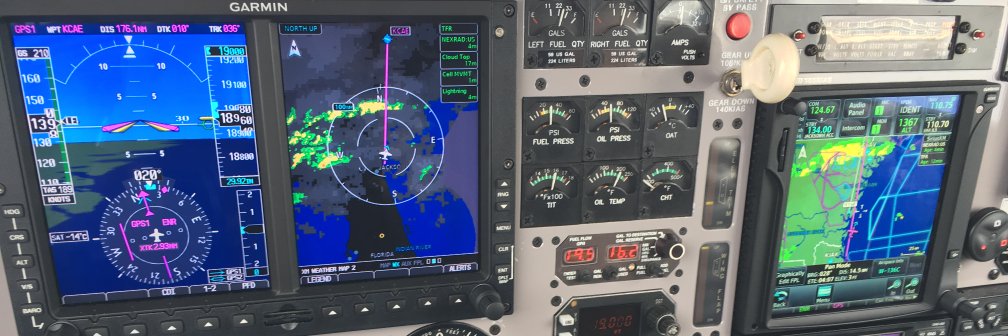
Entrepreneurship sophophile, FASTNET, EKG geek, pilot, business leader, fun to have around at picnics. Opinions are mine alone, retweets are not endorsements.
I created a course called Laser Guided EKG years ago, and I think I'll share some of it here. One area that some people struggle with is determining bundle branch blocks. Here's an easy start:
Think about driving a car and using your turn signals. Look at V1, if the QRS is >120ms, and it’s supraventricular in nature, IF the QRS is mainly pointing UP, push your turn signal stalk UP - your turning right and you have RBBB. If the QRS is mainly pointing DOWN, press your turn signal stalk DOWN, left turn means LBBB.
I’ve tested this on hundreds of BBBs - easy, super fast and accurate. No need to do any rabbit ears or other fancy stuff to get a quick answer. You can then look deeper for more clues to get more detailed on origin, etc. Hope this helps some!
@HiraaliCardio Anytime you see 150bpm (generally twice normal), regular, and lead III atrial weirdness, you have think 2:1 atrial flutter. It’s a common pre-AFib indicator.
.@NBCNews coverage of @SpaceX Starship 14 last night was despicable. They portrayed the flight as a failure “…after engine failures” ‘…ends in a fiery explosion.’ Spacex made American history with this flight and deserves proper coverage. @NBCNightlyNews Tom Llamas made a mockery of it for TV sensationalism. FFS grow a set and do your job.
@TrackYourHeart Kid’s lucky to be alive. CC induced VT fully involved in the left ventricle (evidenced by grossly normal axis aVF+tail of V1 and V2 interpolation). Fix him quickly and look for long QT and LGL. Doubt this has underlying WPW.
Hey @aairwaves - you guys have to stop failing your FC customers! We preordered meals, but you didn’t honor them. This happens often. Then you’re out of the standard selection, we get offered a cheese tray. Thanks! This is just not worth it, @Delta is in the lead once again.
If supra-ventricular, and wide qrs, look at V1 and use your turn signals: if the QRS is generally pointing down (as in this example) push down on your turn signal lever to turn LEFT. If the QRS is generally pointing up, push up on your turn signal lever to turn RIGHT. No other criteria required. This is a LBBB (down turn signal). Try it out and see if you can find an ekg where this method fails to be correct.
While D is the correct answer given then general question, NTG in A should not be avoided but rather titrated for effect after sufficient fluid bolus. Careful administration in B and C again depending upon reason (this seems like it’s prehospital MI caution’s?) with vasodilation control available.
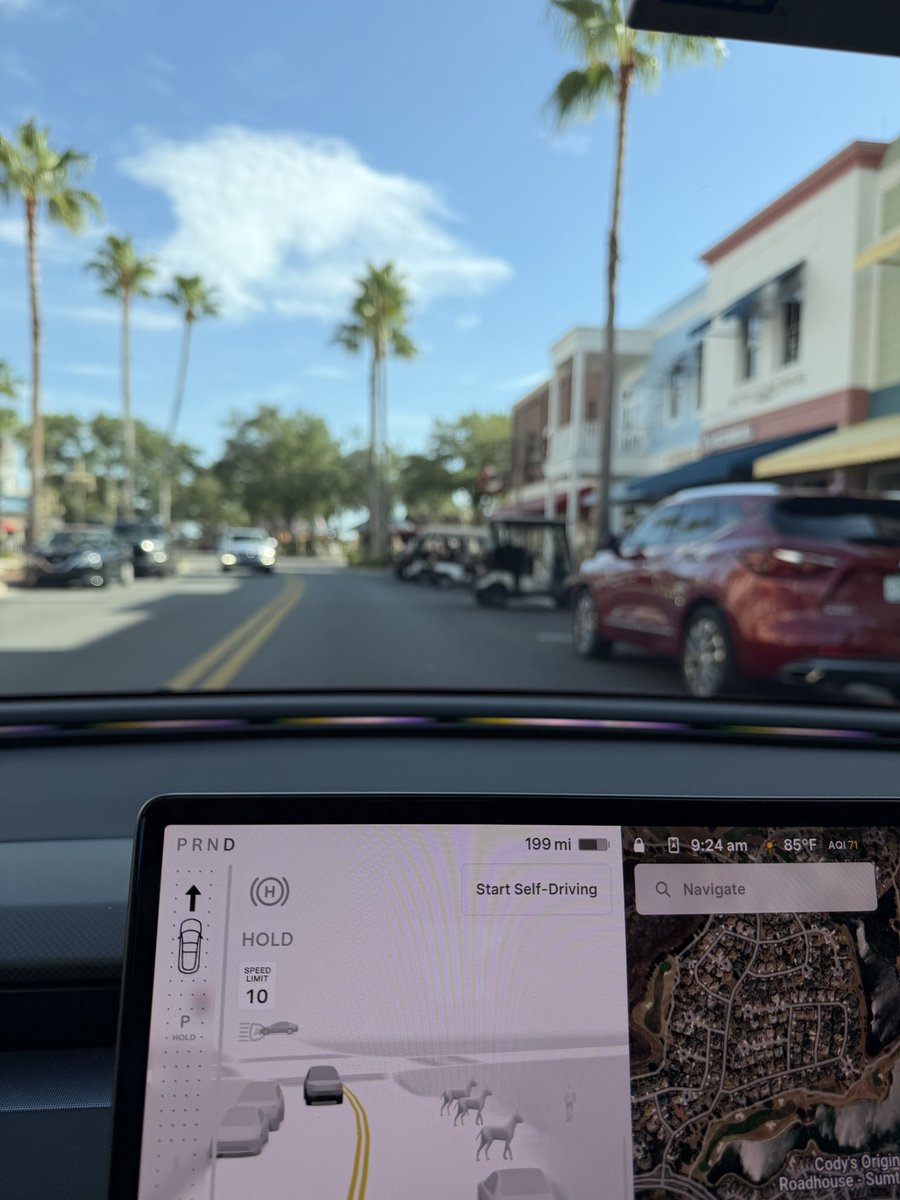
FSD must not only do a great job driving - which it does - it has to also be legal - which it’s not. @elonmusk@Tesla I’m tired of “supervising” NOT getting a speeding ticket! Fix the profiles, that should be the easy part, right?!
Did this resolve on its own for a brief moment? Wow. This patient was likely borderline unstable at a general rate of 150, anytime you see that consistent, almost spot on 150 rate you have to think AFL 2:1 - which seems verified when you see it go back to sinus at a rate of 75. RoT is usually creating chaotic non perfusion that doesn’t resolve on its own; I don’t think that’s part of this. I’m calling it paroxysmal AFL 2:1 with a rate dependent BBB. Likely left, given the LA deviation in I and aVF.