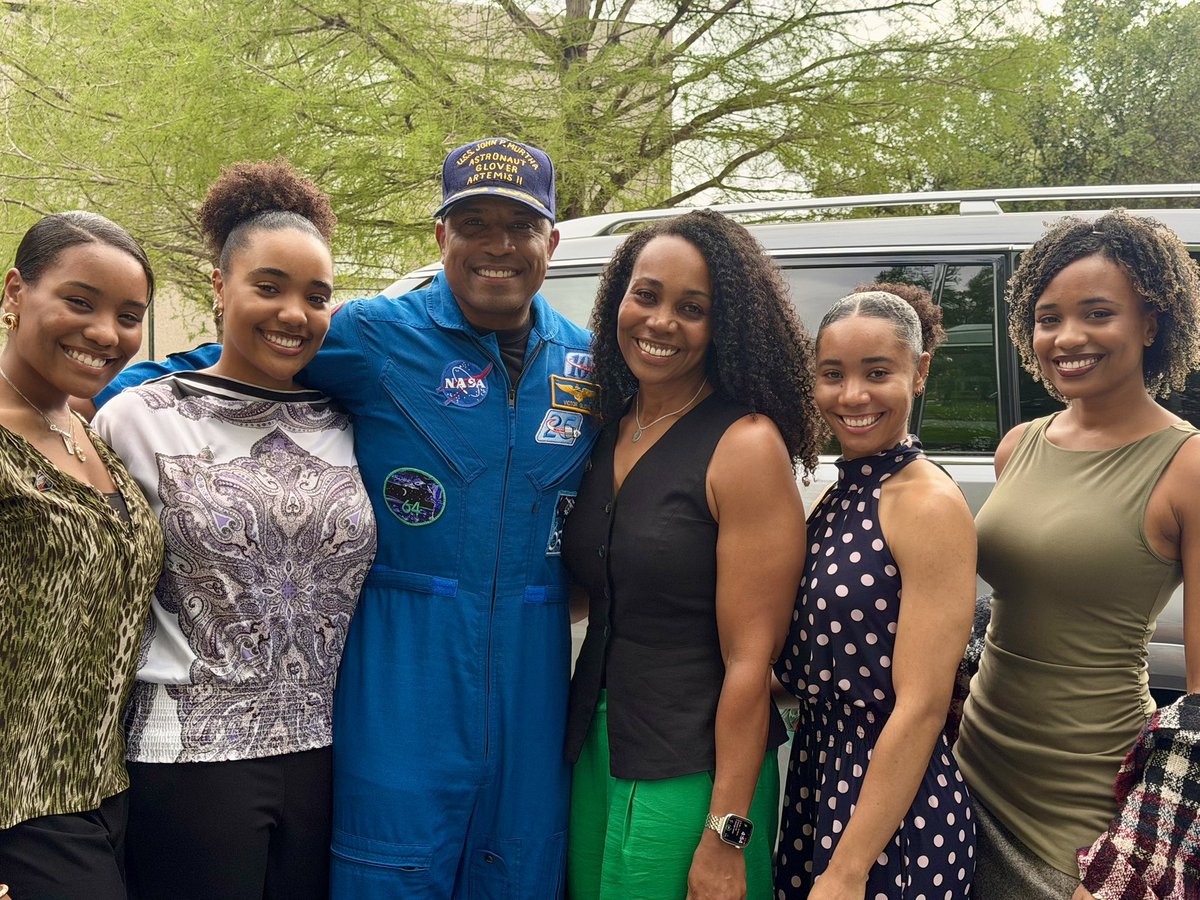
Home, again! Mission complete. I hope we glorified God, humanity, our families and our terrific teams a @NASA and @csa_asc. Time to share the good news!
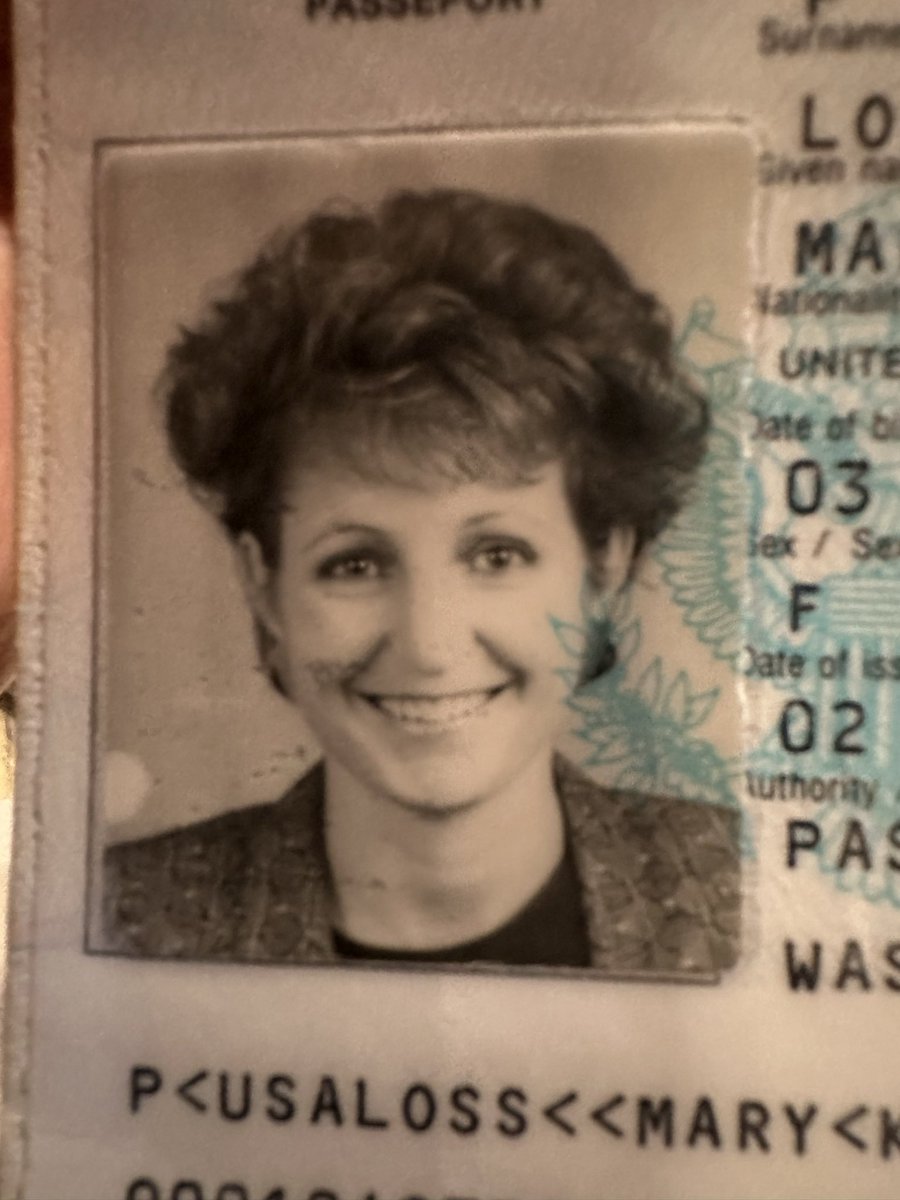
On October 15, 1985, I began my diplomatic career at the State Department. What a wonderful and rewarding 40 years it has been -- 14 assignments in five different geographic bureaus. Have loved every minute! #DiplomacyMatters 🇺🇸🇩🇴🇰🇪🇲🇿🇹🇼🇨🇳🇭🇰🇺🇦🇨🇳🇰🇷🇮🇳🇦🇷🇵🇭
For someone like me who admires India’s culture and civilization, marvels at its growing economic power, appreciates its critical importance for the peaceful future of the Indo-Pacific and cares deeply about the US-India relationship, the past week was a shocker.
Pakistan, trade, Russia: all the old pain points in US-India relations are flaring. And while past presidents couched their disagreements with India and other countries in diplomatic language, President Trump lets it all hang out.
But this isn’t a return to the bad old days. From the 1940s to the 1990s, every time the US and India started to work together, something would pull them apart. That’s not where we are now.
Even in this tough week, India’s ambassador announced the opening of 8 new consular application centers across the United States. People to people ties continue to grow. Diplomats in both countries are looking for solutions, not shouting slogans.
So how can India and the United States be drawing closer together in some ways, but quarrelling so bitterly? This is more common in international relations than most people think.
The closer the relationship between two countries becomes, the more quarrels they often have. You argue more with your brother than you do with your cousin, more with your next door neighbor than with random strangers you pass on the street.
As India becomes a more important global force, and its economy becomes a larger factor, India and the United States naturally and inevitably matter more to each other—and any disagreements we have become more visible and more consequential.
We quarrel more over trade because our trade has grown and will grow more so there is more to argue about. Americans care more about India’s foreign policy than ever before because India is more powerful than ever before.
My personal view is that the Trump administration needs to think through its India policy more. Different actions that may have seemed unrelated at the time have combined to create a strong and negative impression in India.
I think this administration can do better and hope that in time it will.
The root problem is that as the relationship becomes more important, the number of people in both countries who deeply understand the other needs to grow.
President Trump needs more people in his inner circle who understand India deeply. But so do most policymakers in Washington. India literacy, being reasonably well informed about India, used to be something that only “South Asia” experts needed to have.
Today, generalists and non-specialists need to know India as deeply as so many know Europe, Japan and the Middle East. India isn’t just for specialists anymore.
We need more Americans who grasp India's importance to the world and to America, and who understand the political realities that Indian governments of any party inevitably face. And more Indians need experience dealing with US policy makers, thought leaders and cultural leaders in different fields.
America's closest international relationships all have a strong infrastructure of think tanks, academic exchanges and business groups. There are countless programs promoting cultural exchanges and visits for emerging young leaders between countries like Germany, Japan and the US.
When controversies emerge and, inevitably, they do, these large groups of informed observers and thought leaders can explain the issues to public opinion in both countries and find mutually acceptable compromises while avoiding unnecessary problems.
The Indian diaspora plays an important role in American life, and that role is growing. But it is not only German-Americans, Japanese-Americans or Jewish-Americans (I wrote a whole book on this subject) who help stabilize these important relationships.
India's growing importance in the world, and America's interest in promoting the emergence of India as a global power, both require a strong and broadly based, trans-partisan community of leaders.
To make a relationship this important work, we need sharp policy analysts and diaspora leaders. We need journalists, intellectuals, businesspeople and religious bridge builders too. And lots of them. India and the US are big, complex, and at times raucous democracies.
I’m blessed. At Hudson Institute I have colleagues like @Aparna_Pande, @bill_drexel and @MikeWatsonVa who are as committed to this relationship as I am, and in many ways understand India more deeply than I do.
But we need more young scholars, analysts and writers like them. That’s how we reduce the number of dustups and car crashes so we can all focus on tackling seriously the greatest challenges facing our countries, and the world.
Congratulations to Smith & Wollensky on its grand opening in Manila! This classic American steakhouse offers a true taste of 🇺🇸 culinary tradition -- prime 🥩 cuts and classic sides with signature New York sophistication -- right here in the Philippines! #FriendsPartnersFoodies
In a society marked by solitude, where radical individualism has shifted the emphasis from “us” to “me”, resulting in a deficit of real concern for others, sport – especially team sports – teaches the value of cooperating, working together and sharing. These are at the very heart of God’s own life.
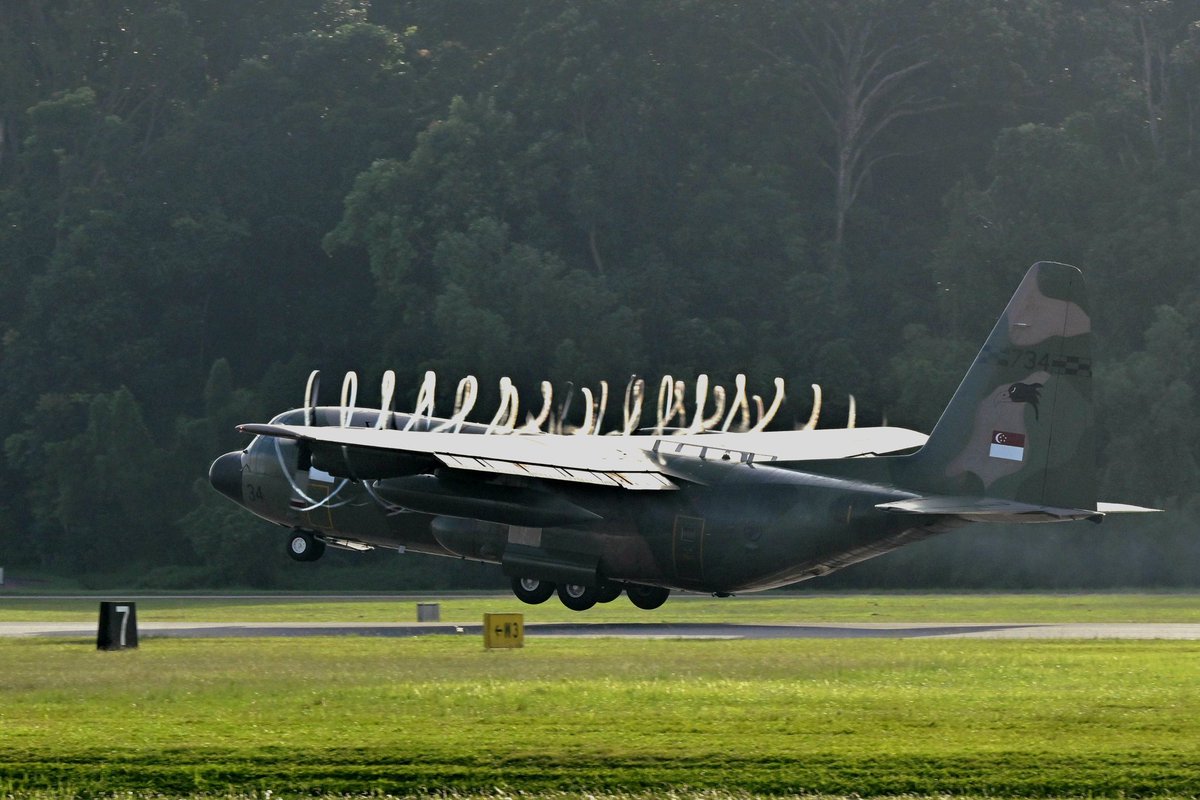
In response to the request from the @dndphl for assistance, one C-130 transport aircraft took off this morning for Villamor Airbase in Manila, 🇵🇭. @TheRSAF aircraft will provide Humanitarian Assistance and Disaster Relief to help communities affected by Tropical Storm Kristine.
Philippines Secretary of National Defense Gilbert 'Gibo' Teodoro, Jr. and I signed the Memorandum of Understanding concerning Defense Cooperation today in Singapore. This year marks the 55th anniversary of the establishment of diplomatic relations between 🇸🇬 and 🇵🇭.
#TeamKrulak after a small break, our next live #BruteCast is next we on 24 Jul at 1500 eastern. @zach_ota joins us to talk about "Allied Amphibious Defence Capabilities"! You can join us by signing up below! #USMC#BetterTogether
https://t.co/PoMmF68jpk
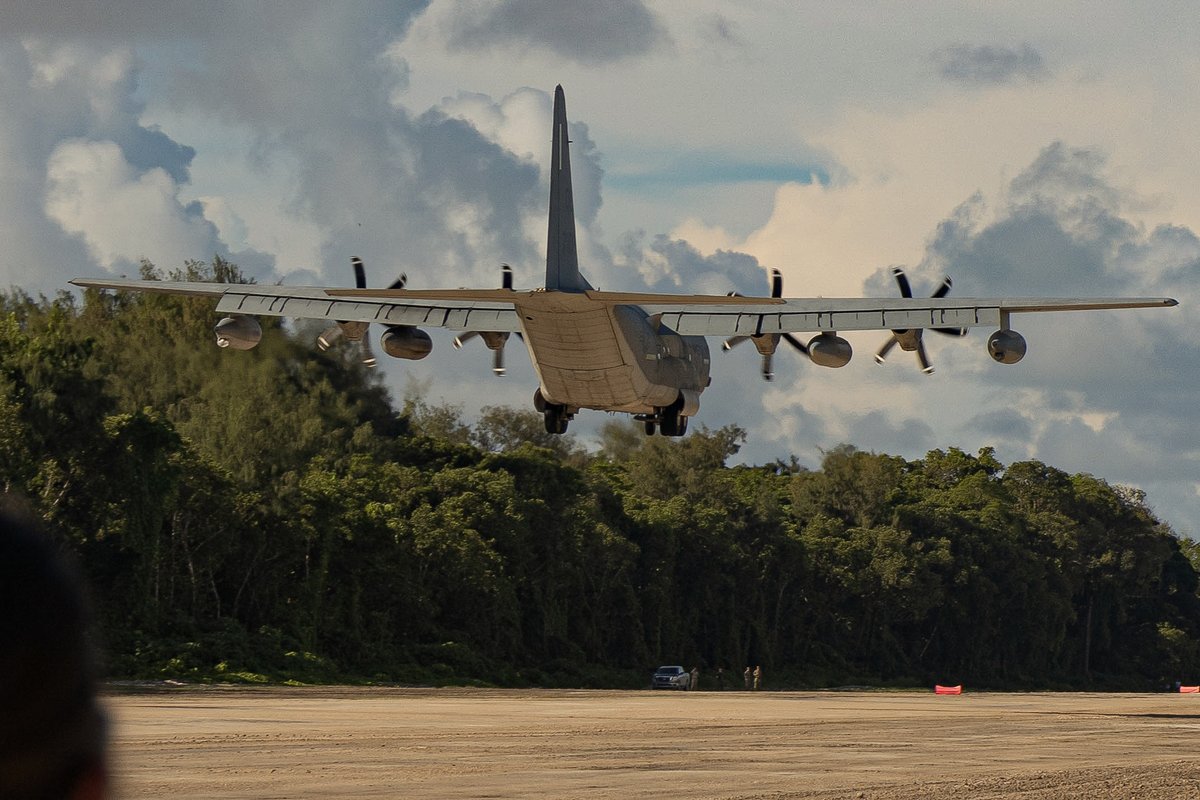
C-130 rollin' down the strip...For the first time since its recertification in June, a military fixed-wing aircraft (KC-130J) has touched down on the Peleliu airstrip, marking a significant & triumphant return to this iconic World War II site.
@USMC📸by LCpl. Hannah Hollerud
Lacrosse has historic roots. Created and first played by Native Americans thousands of years ago, there’s no doubt about its origins. What else makes lacrosse unique? Its impact on the development of other major sports in North America.
In 1636, Jean de Brebeuf first witnessed and wrote about the game just outside of what's now southern Ontario, calling it "lacrosse". A demonstration from the Kahnawake Nation in 1834 led to the formation of the Montreal lacrosse club in 1856 – when lacrosse was declared the National Game of Canada. In 1860, the “father of modern lacrosse” George Beers began to codify the first written rules of the modern game.
Shinny was an early form of hockey with no standard rules, played in Nova Scotia. The format was constructed from the style and physicality of lacrosse. In 1875, the first ice hockey game was played in Montreal. Inspired by his colleague George Beers, as well as his love for Shinny, James Creighton wrote the first rules of ice hockey in 1877.
In 1883, James Naismith attended McGill University – also in Montreal, where he played lacrosse. He later became the school’s AD and was tasked with creating a sport that could be played indoors, during the winter. Referencing lacrosse, hockey, baseball and rugby – Naismith eventually invented basketball.
Conn Smythe was born in 1895 – a WWI and WWII vet, as well as the former owner, coach and GM of the @MapleLeafs. Due to his profound impact on the game, the NHL named their Stanley Cup MVP award in his honor. Famously, Conn Smythe said, “If I had to go to war again, I’d bring lacrosse players.”
With the @NHL and @NBA Playoffs ongoing, @NCAALAX Championship Weekend ahead, and the 2024 @PremierLacrosse season opener on June 1st, there’s not a better time to celebrate the skill, physicality, endurance, intelligence and teamwork of North America’s first game.