.@RepMGS@SenFettermanPA@SenBobCasey I urge you to fully fund and cosponsor HR 7153/S 3679 to reauthorize the Dr. Lorna Breen Health Care Provider Protection Act, which provides critical support and resources to address the mental health challenges that health workers face.
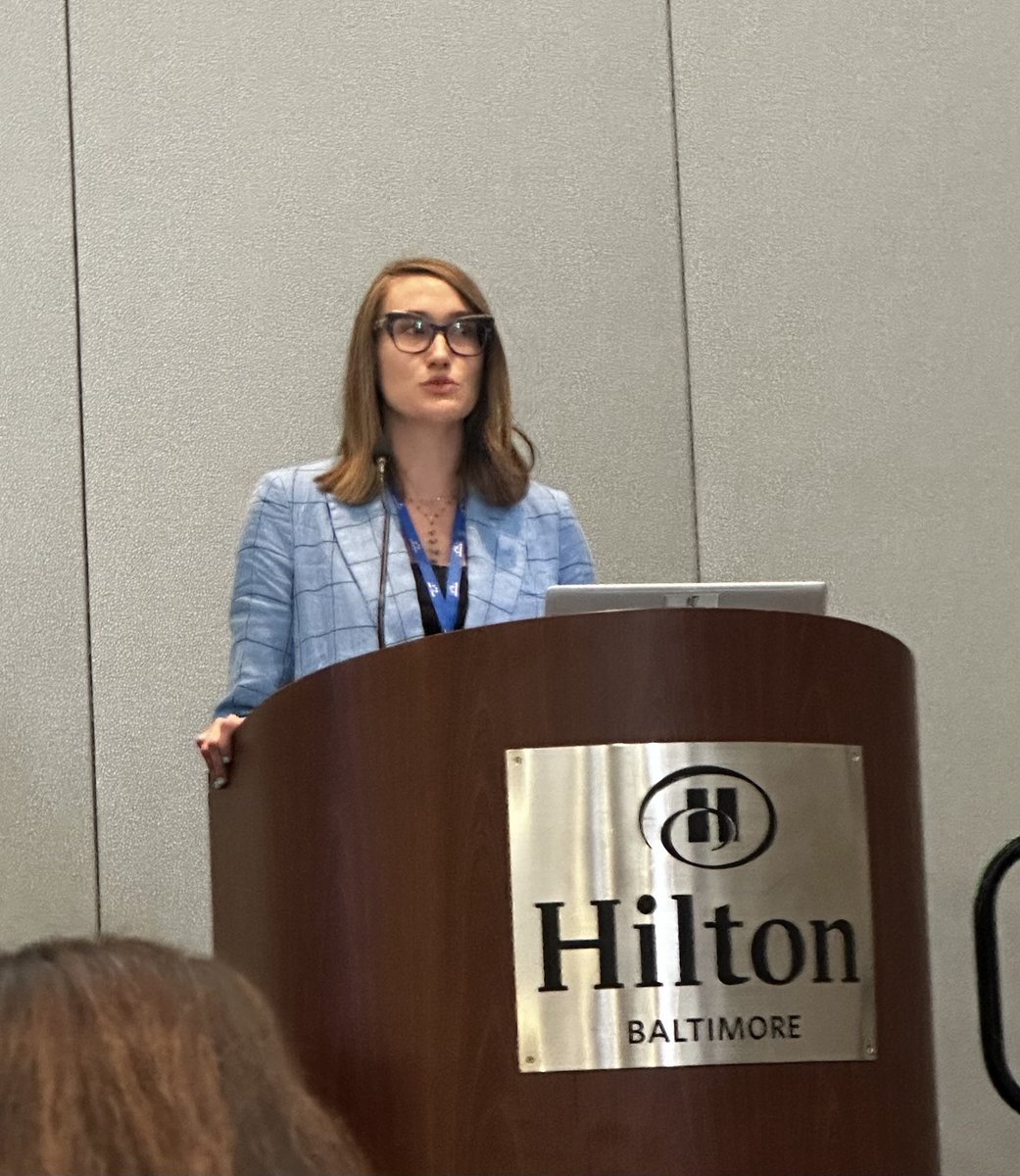
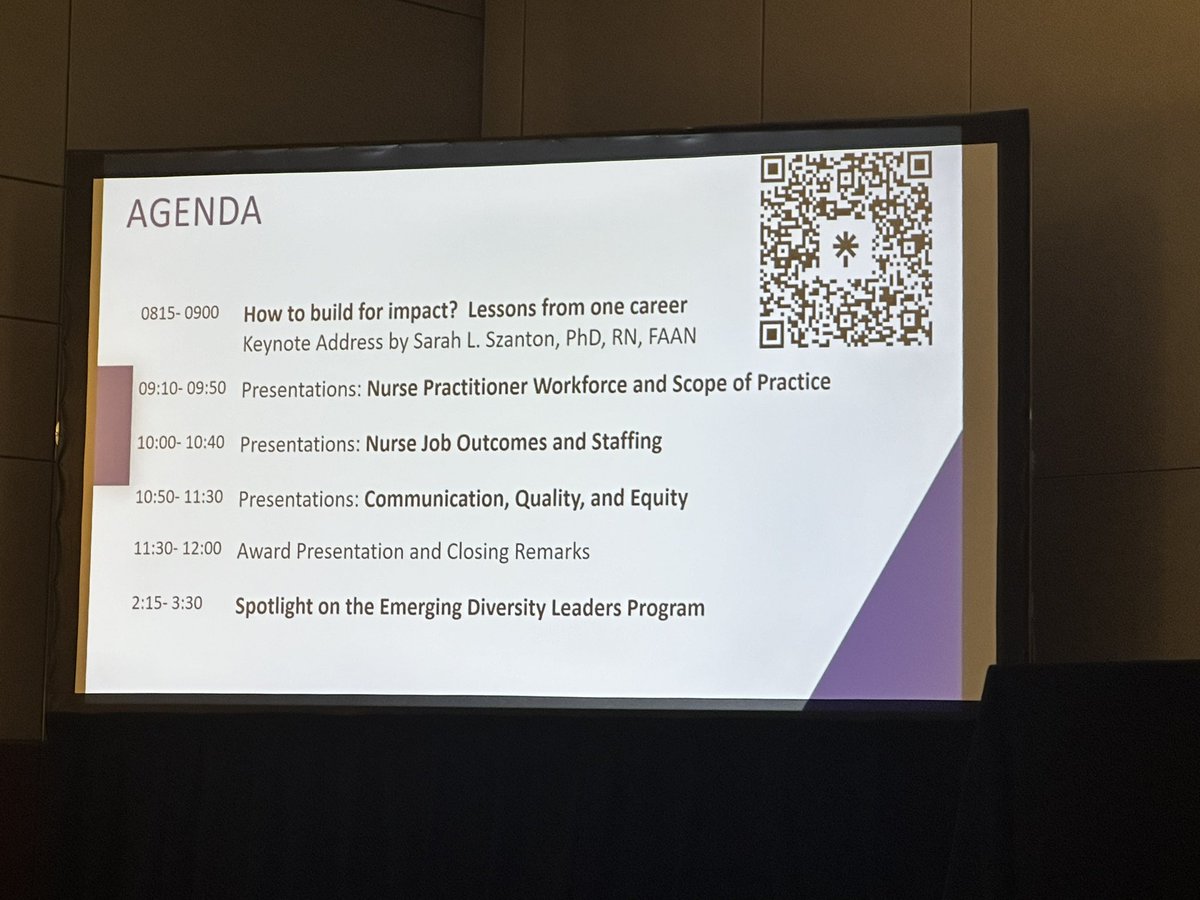
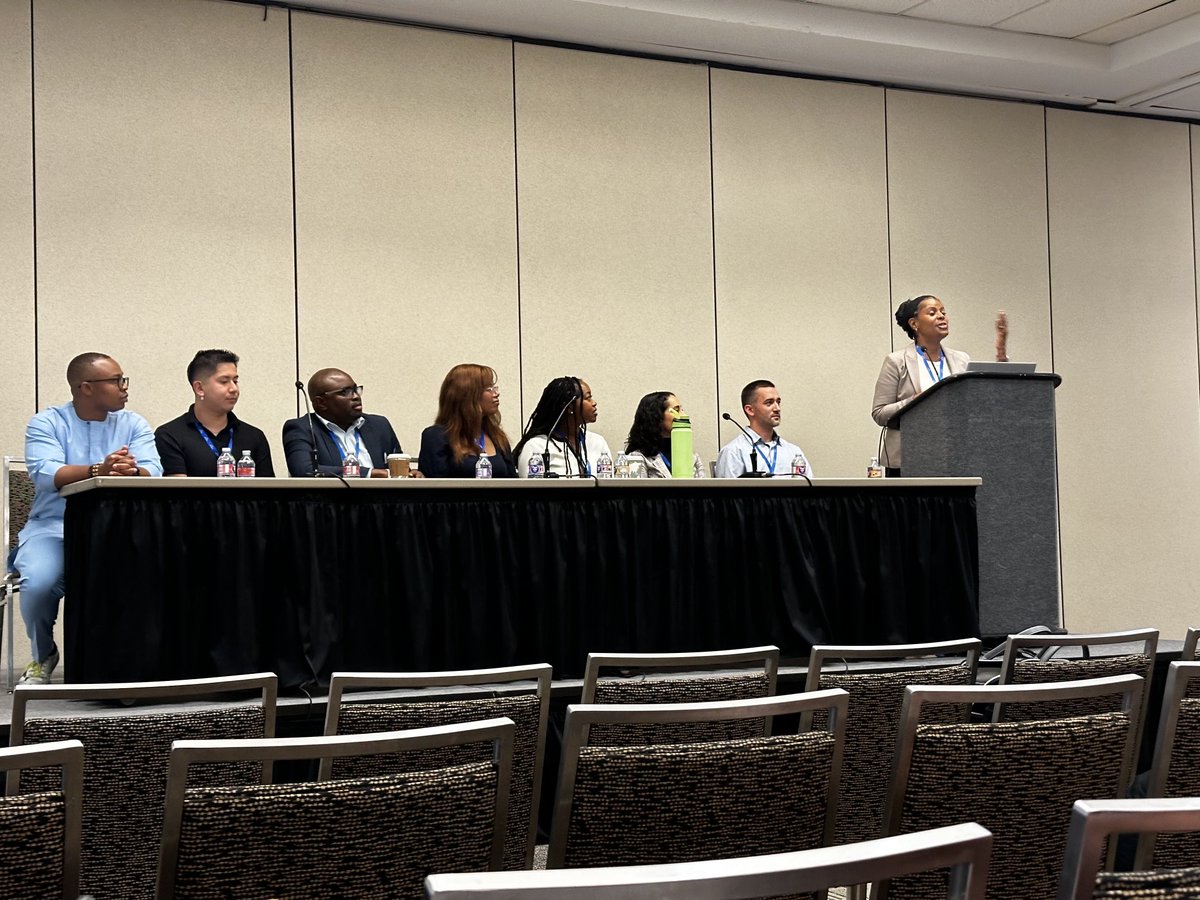
.@DrMargoBC shines as she introduces the stellar #AHIRGNI Emerging Diversity Fellows. Learn more about the program here: https://t.co/hggHvKqk3t @AcademyHealth
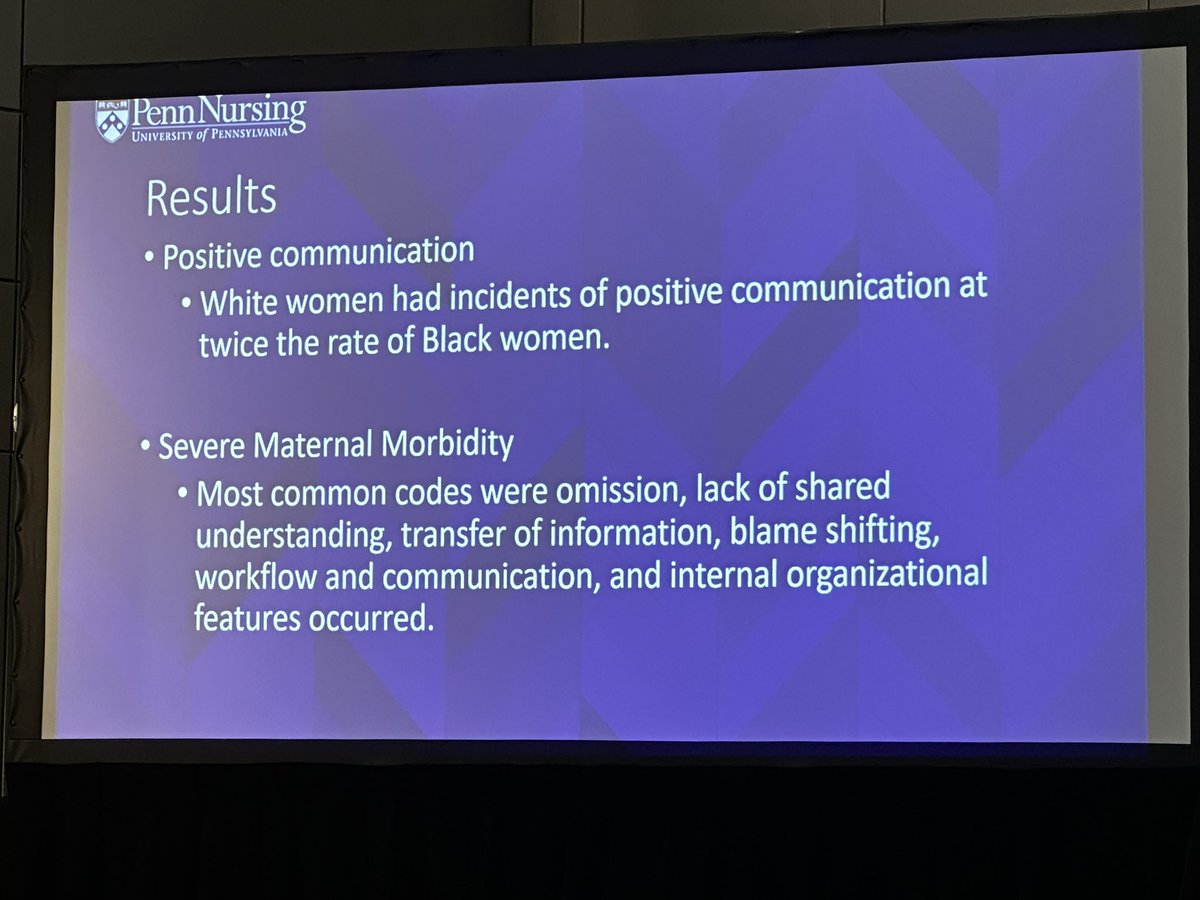
Black women were disproportionately represented in incident reports and were less likely to experience positive communication during birth, relative to white women
@MattWhite_95@EileenLake_Penn@MattWhite_95 it’s not published yet - but @EileenLake_Penn has other recently published work on nurses moral distress during COVID years in hospitals serving higher proportions of Black patients , if the topic is of interest to you: https://t.co/RZ0MXjwv3w
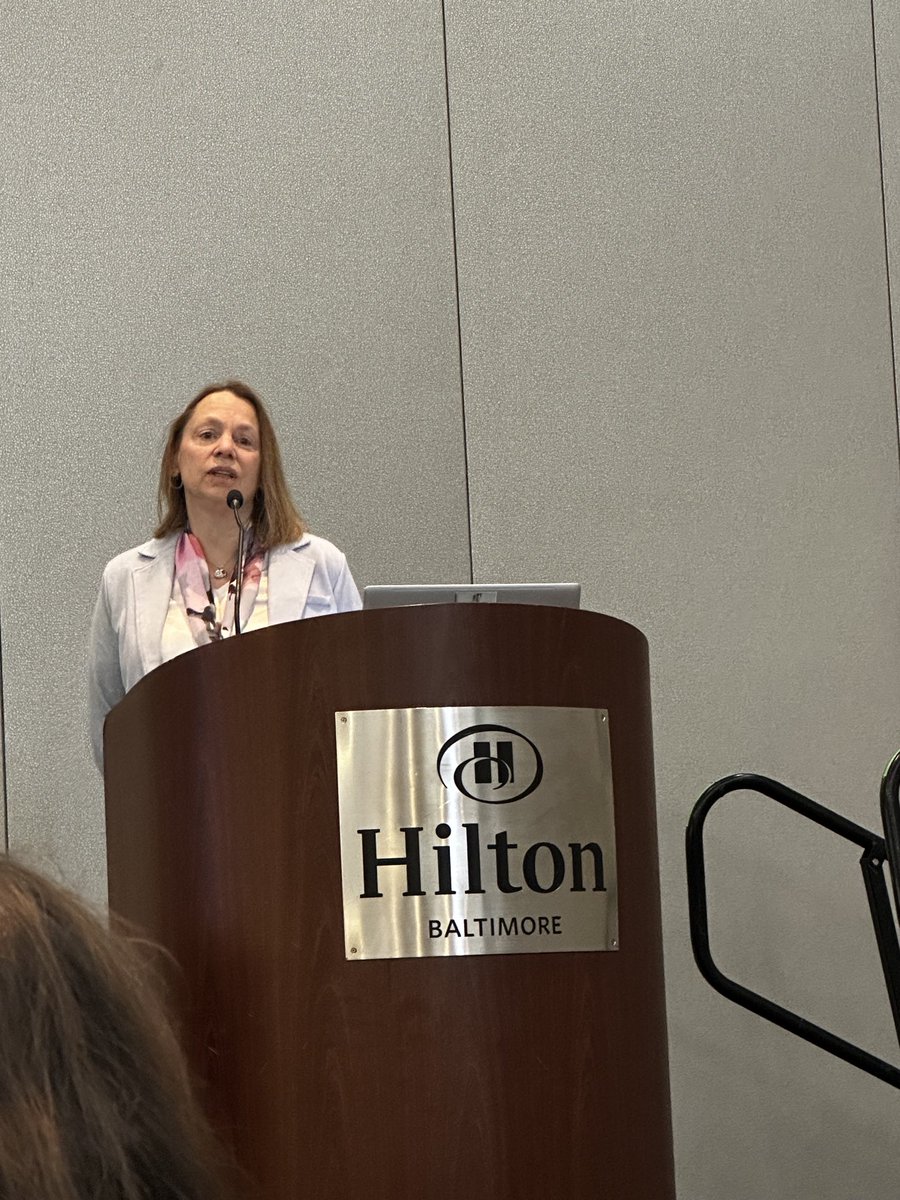
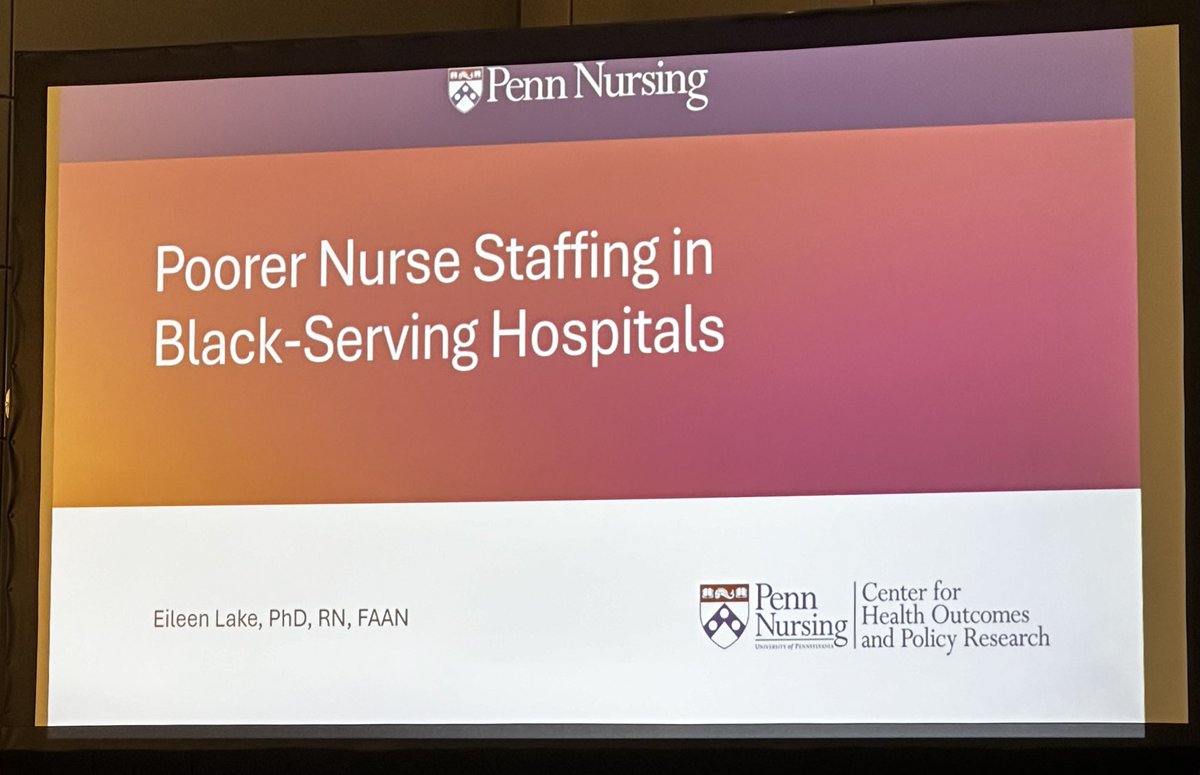
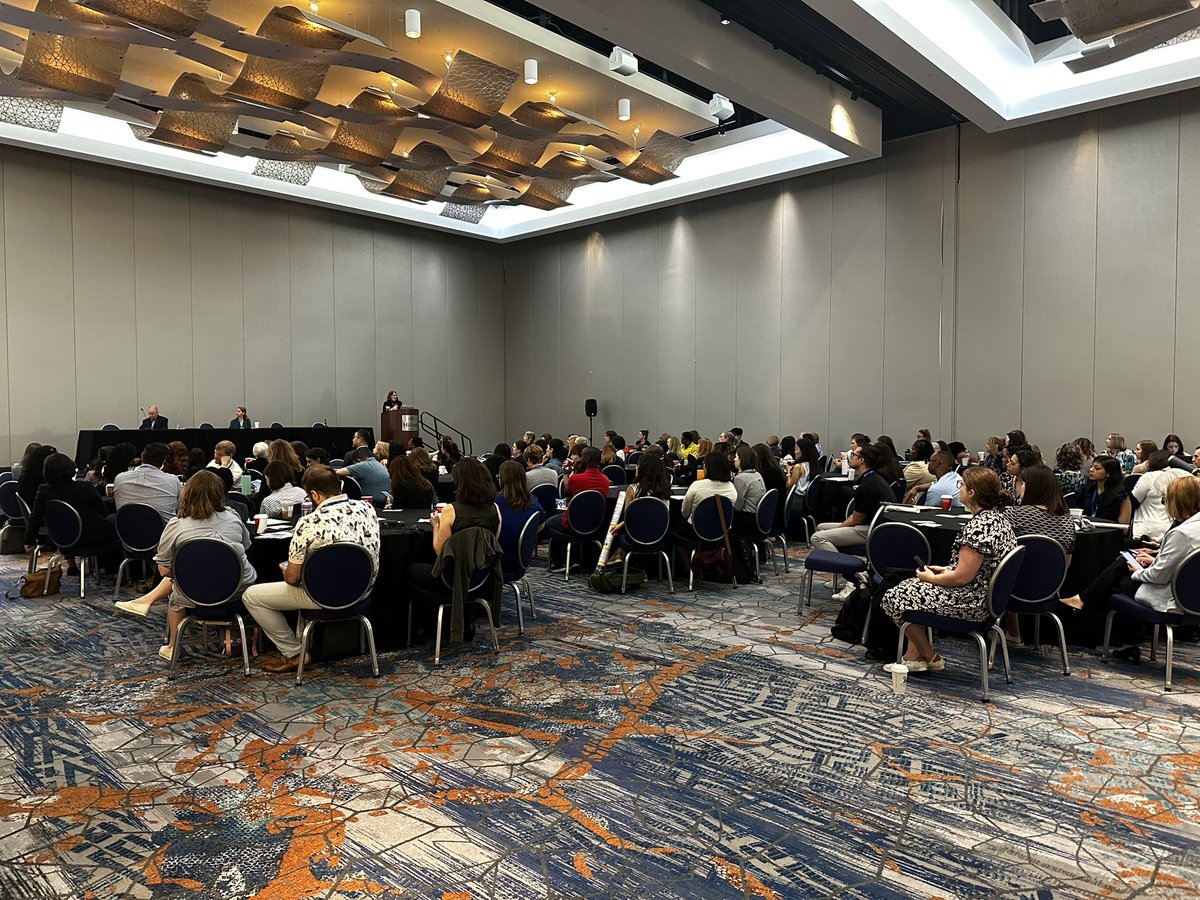
.@EileenLake_Penn presents at #AHIRGNI#ARM24. The finding is in the title: hospitals that serve higher proportions of Black race patients also have worse nurse staffing. The finding highlights systemic differences in care
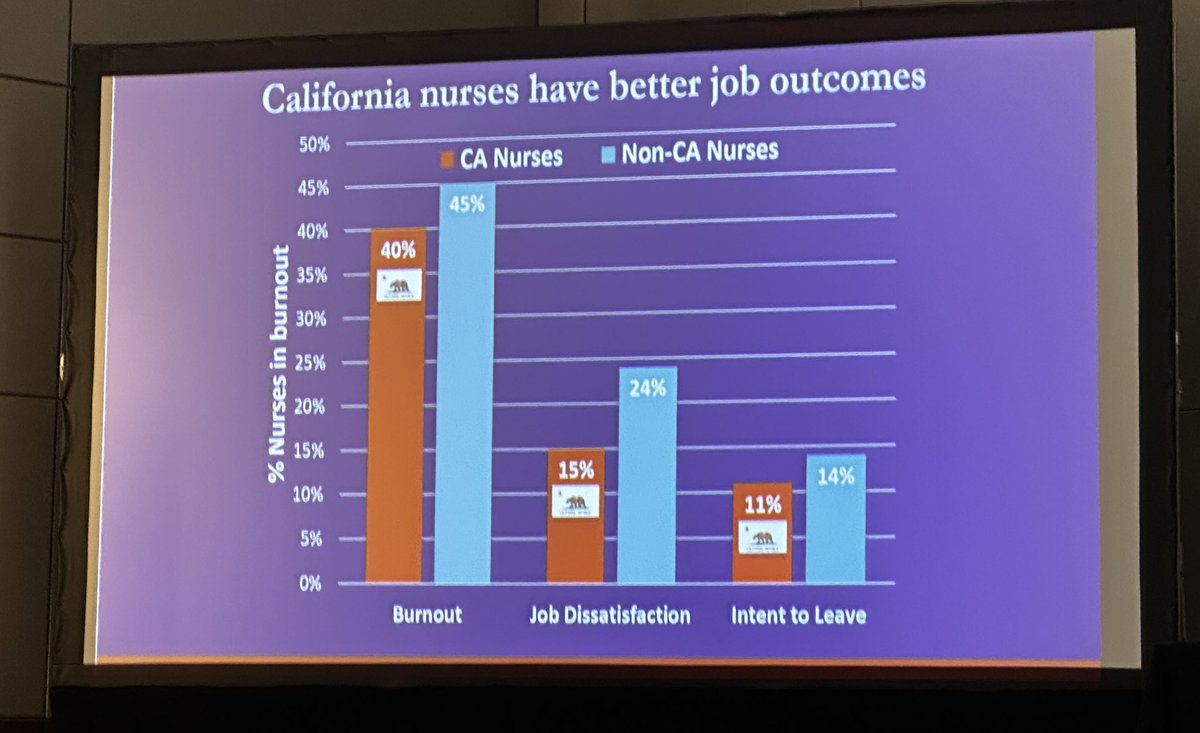
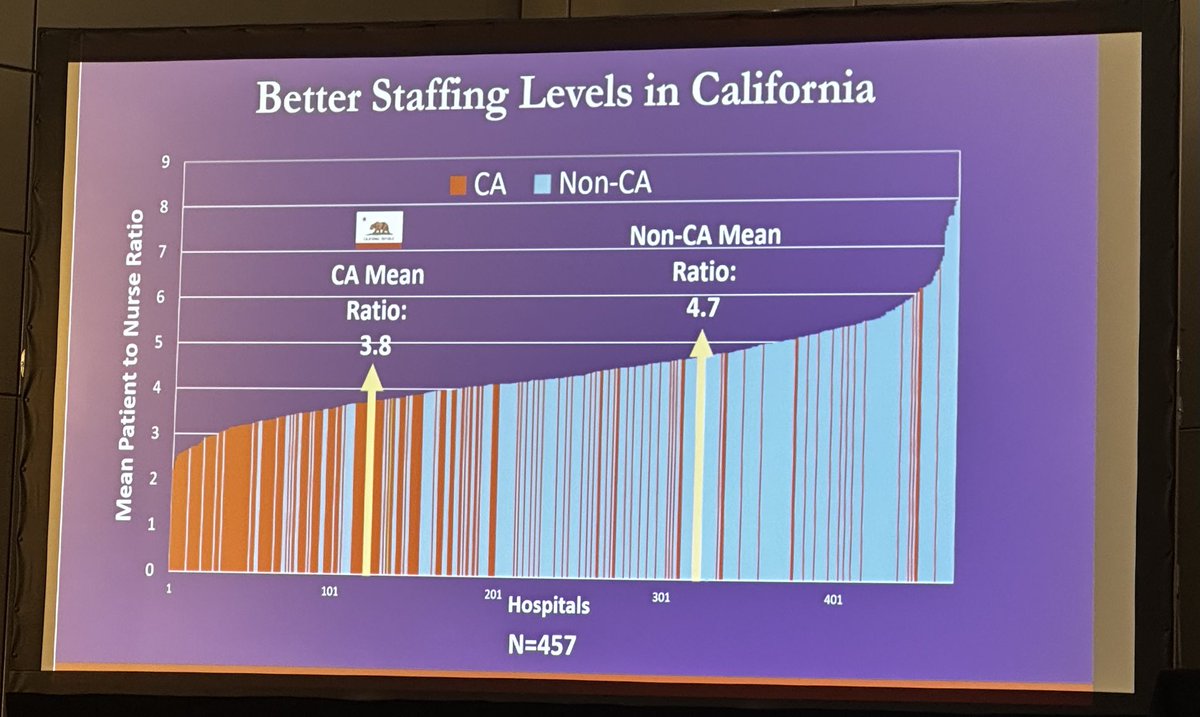
.@JaneMuir__ explains that CA nurses in hospitals have better job outcomes and better staffing relative to non-CA nurses. Models show the better staffing explains the lower burnout in CA. #AHIRGNI @Penn_CHOPR #ARM24
📻 5 mins listen here: https://t.co/eQgz5L8w1c… I discuss implications of 'team nursing' in hospitals, why substituting lower-wage nursing personnel for RNs is dangerous for patients, solutions for retaining RNs at the hospital bedside.
@MedicalCareLWW
https://t.co/uQ78TLOjvm
Our new study in @MedicalCareLWW today showed that substituting #RNs w/ lower-wage staff in hospital care is linked w/more deaths, readmissions, longer hospital stays, poorer Pt. satisfaction, & higher costs of care. @k_lasater https://t.co/lBd5ihujrI
https://t.co/HGu85R8tI5
Limited English proficiency is an overlooked research demographic‼️➡️ Read more in our latest viewpoint published in @AmJNurs @ASquiresPhDRN
https://t.co/icWhELa5TR
The public consistently ranks nursing as the most trusted profession. So it's remarkable that employers routinely undervalue — and understaff — such essential workers. https://t.co/jEKSpH4Yyd
ER nurses who did not recommend their workplace to other clinicians as a good place to work described poor nurse and ancillary staffing levels, nonresponsive hospital leadership, unsafe working conditions, workplace violence, and a lack of feeling valued. https://t.co/fB0c3nq5nh
The leading reasons nurses left health care employment between 2018 and 2021: planned retirement (39%), burnout (26%), insufficient staffing (21%), and family obligations (18%). https://t.co/pBx5JMwoIr
Surveying 7,887 registered nurses who left health care employment from 2018-2021, researchers from @PennNursing’s Center for Health Outcomes and Policy Research (@Penn_CHOPR) found that nurses cited poor working conditions as a major reason for leaving.
https://t.co/CrPJlyldDG