Excited to share that my article is now out with @MIHJournal!
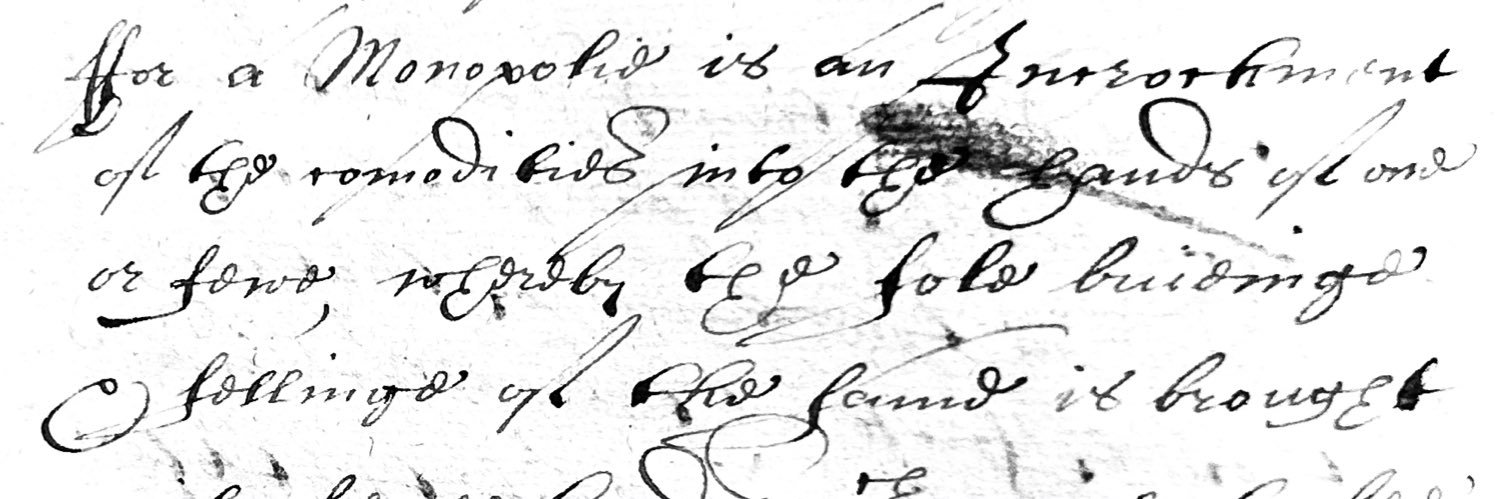
I argue that the Levellers’ antimonopoly thought was not merely about securing free trade from ‘the State,’ but was constitutive of their demands for popularly legitimated public authority.
https://t.co/TXsL6b08I7
Checkout this new Modern Intellectual History article on the Levellers, Monopoly, Rights, and Public Authority by Kaarish Shah Maniar: https://t.co/qEvteQhThg
I’m grateful to so many people for their thoughtful feedback and helpful conversations: Turku Isiksel, David Johnston, @tmbejan, @KMantena, Carl Wennerlind, Justin Schwartz, Dan Luban, @RrjohnR, Nigel Smith, Shannon Stimson, David Guerrero, Nadia Urbinati
Excited to share that my article is now out with @MIHJournal!
I argue that the Levellers’ antimonopoly thought was not merely about securing free trade from ‘the State,’ but was constitutive of their demands for popularly legitimated public authority.
https://t.co/TXsL6b08I7
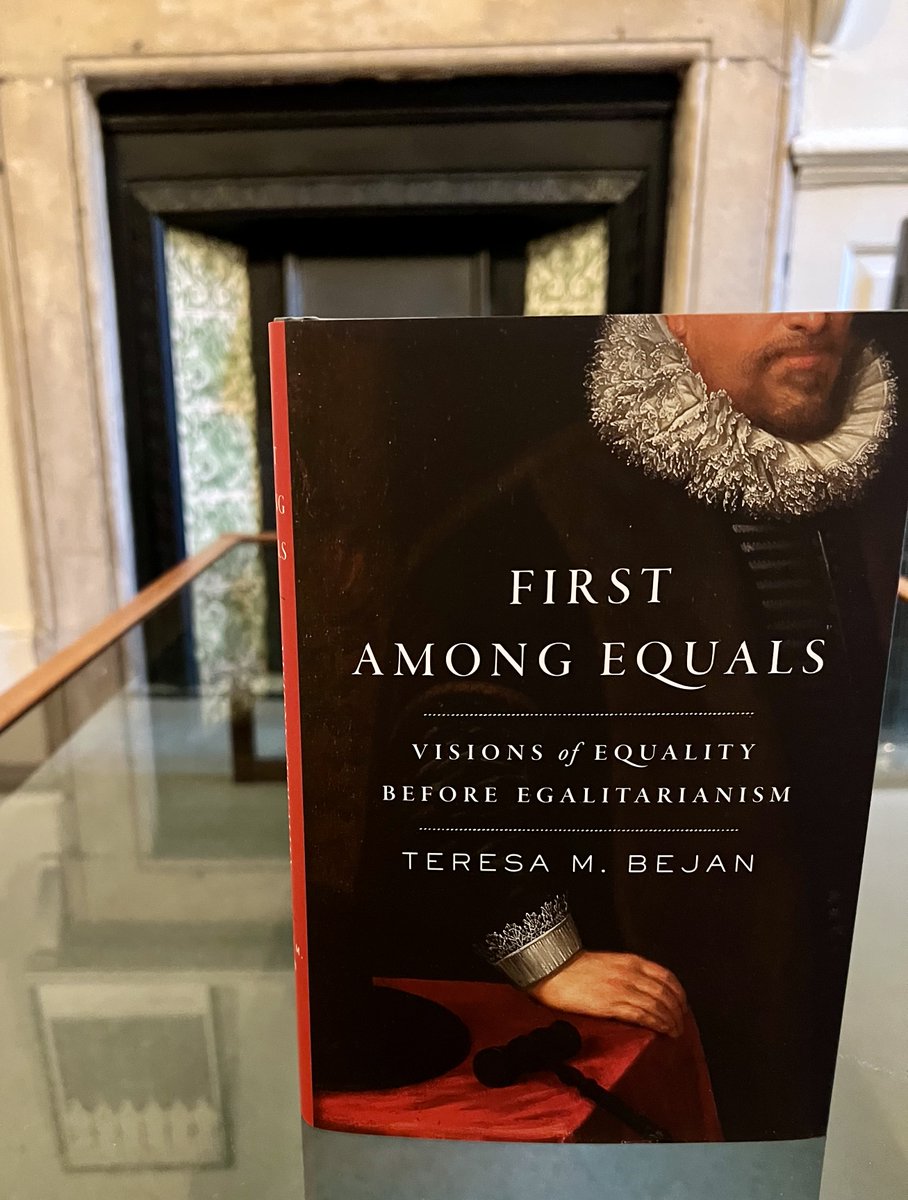
Today is the official release date for my new book, First Among Equals: Visions of Equality before Egalitarianism (Belknap, 2026).
It explores how and why “equality” became, rather suddenly, a basis on which ordinary men and women could make political demands in early modern England.
https://t.co/kvDo8FNcWf
3/3 The presumption (by Robin/Riley) that capitalists have existed for thousands of years naturalizes, normalizes, and dehistoricizes liberal political-economic subjectivity
@geneburrus@superwuster Dahl, Lukes, etc. is a good and necessary start, but it’s worth looking at historical anti-monopoly arguments themselves for the necessary conceptual vocabulary. Economic rights, corporate democracy, proportional representation, etc were at one point anti-monopoly arguments too
@geneburrus@superwuster Historical monopolies (the ones you list, but older early modern ones too) did not wield purely ‘economic’ power, but moral, social, and political power too. To @superwuster’s point, I think we’ve lost the language for describing and tackling their extra-economic power.
Depends what we mean by ‘socialist’ (e.g. Neo-Brandeisians seem compatible with strains of market socialism), and it’s too simple to just call them ‘capitalists,’ but yeah they’re by no means anything particularly radical
Khan is not a socialist (alas); she’s a New Brandeisian capitalist who wants anti-trust laws to be enforced. That’s it. The real problem here is billionaires have fried your brain to such a mist that you think any governance imposed on the rich heralds violent revolution.
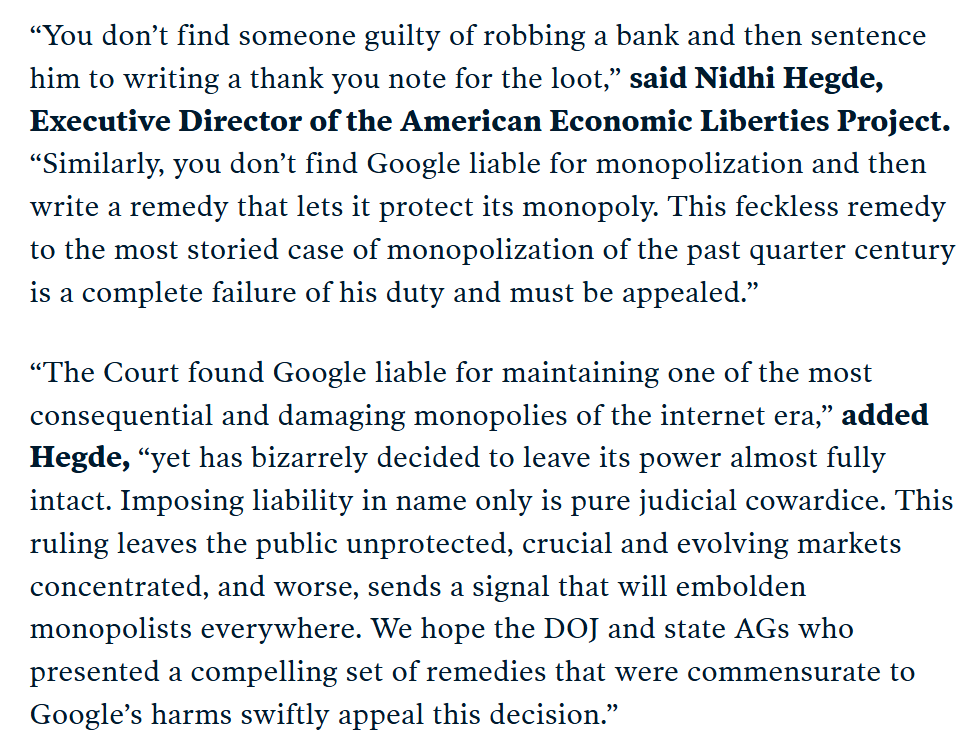
“You don’t find someone guilty of robbing a bank and then sentence him to writing a thank you note for the loot."
"You don’t find Google liable for monopolization and then write a remedy that lets it protect its monopoly," says @nhegde on Judge Mehta's failure to do his job.
Claire Shipman just blamed protestors for endangering international students by “making our institution a target.” This is pretty rich from someone who lets DHS search residence halls and disappear students. Concerned? How about working to free Mahmoud?
https://t.co/Spq3Nz2TXM
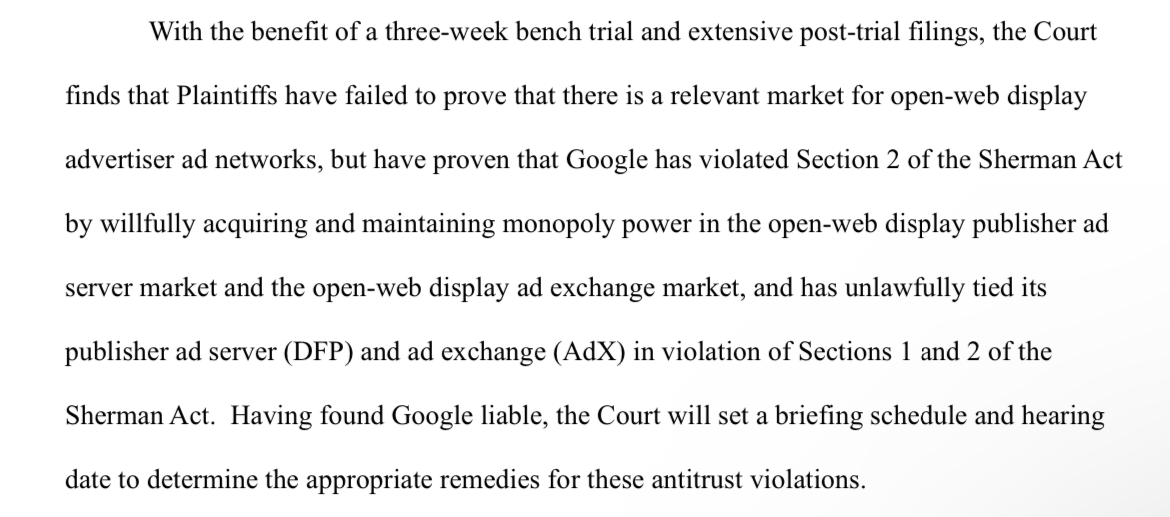
🚨🚨A second federal judge has ruled that Google has violated antitrust law, this time in two advertising technology markets.
Link to filing in next tweet.