Protein engineering, gene editing, drug delivery, biochem. Asst Prof at UPenn | PhD with @francesarnold at Caltech | postdoc with Jennifer Doudna at UC Berkeley
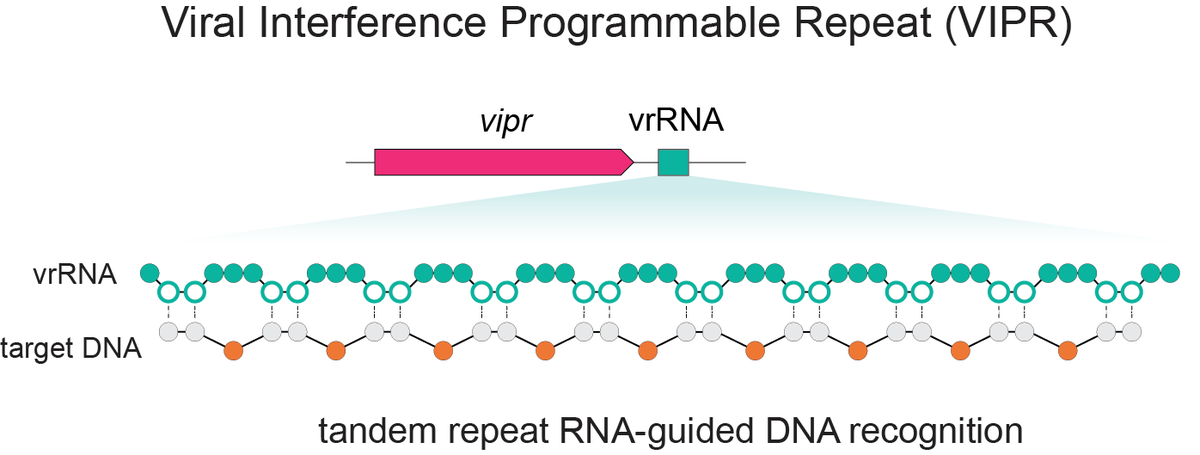
Excited to share our discovery of a new programmable RNA-guided DNA-targeting system hiding inside bacteriophages that predates CRISPR.
We call it VIPR (Viral Interference Programmable Repeat), and it uses an entirely new logic to find its targets.
Thread + link below.
Below is the story of the first patient treated with a prime-edited therapeutic, developed by @PrimeMedicine in a trial led by Dr. Élie Haddad and his team at CHU Sainte-Justine. This teenager suffered from chronic granulomatous disease (CGD), an immunodeficiency, and now—10 months after treatment—the patient is healthy, stable, and living with a functioning immune system. Tracy Attebury, whose story was previously told by @ginakolata@nytimes, was the second patient treated with a prime-edited therapeutic.
https://t.co/ZiVq1SmYsn
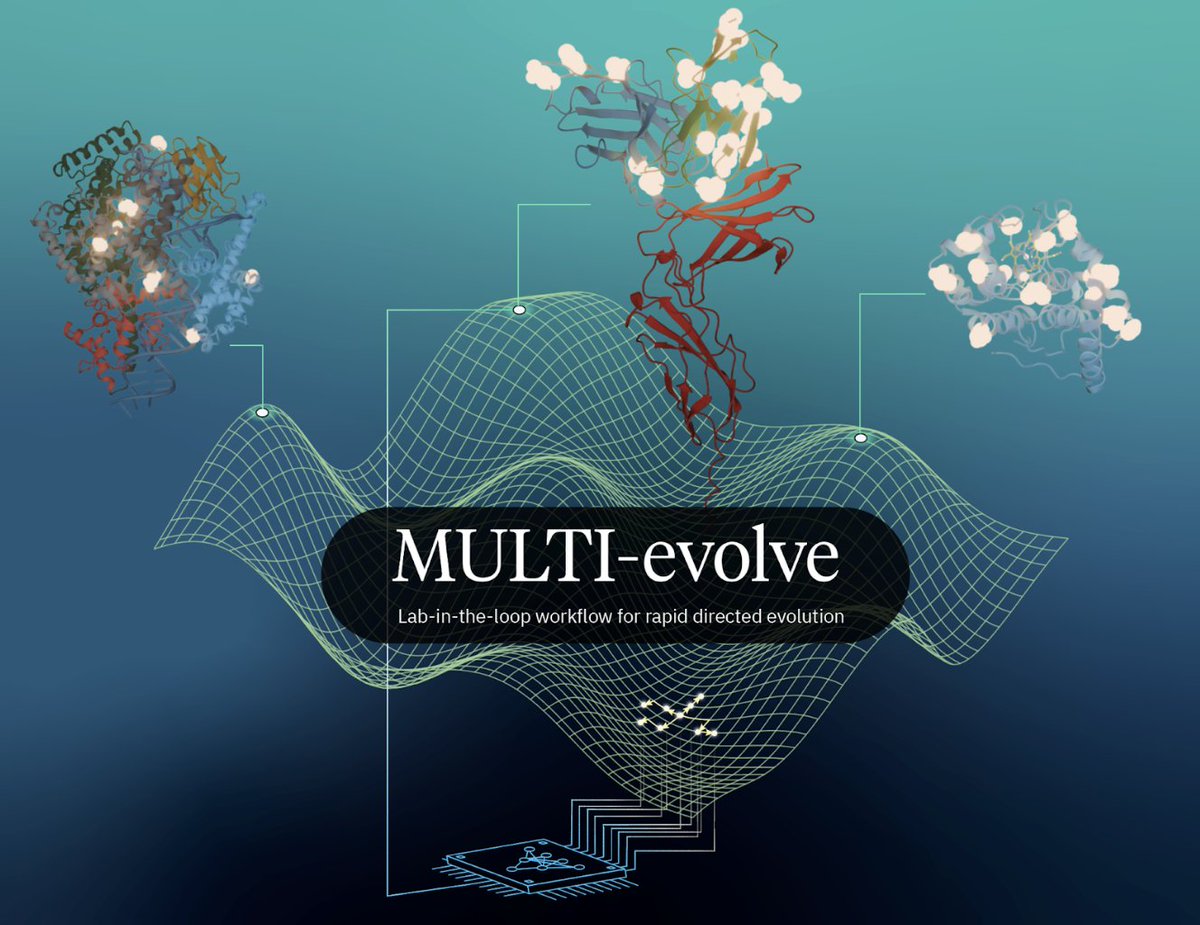
Delighted to share new @arcinstitute work from our group on AI-accelerated lab-in-the-loop, in @ScienceMagazine today
One of the most remarkable things about biology is that it's digital. DNA, RNA, proteins: these are all sequences, and their function is directly encoded in their sequence of letters. But a protein of length N has 20^N possible variants and the vast majority are non-functional. Evolution spent billions of years finding the functional needles in this haystack through random exploration and natural selection. For modern biomedicine, we need to solve this in days to weeks.
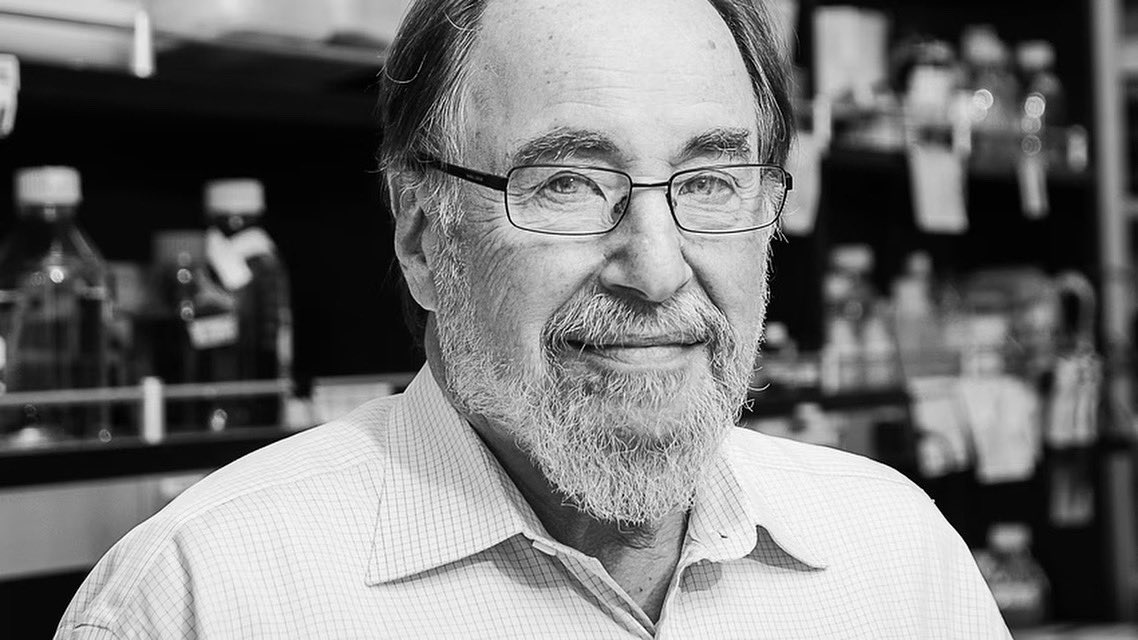
David Baltimore, President Emeritus and the Judge Shirley Hufstedler Professor of Biology, Emeritus at Caltech and a co-recipient of the 1975 Nobel Prize in Physiology or Medicine, passed away on September 6, 2025. He was 87 years old.
https://t.co/2bMBqUCXBC
I discuss the urgent crisis from the loss of federal support of science in the US and recent clinical gene editing breakthroughs with @WalterIsaacson & @amanpour on @AmanpourCoPBS, airing on @PBS tonight at 11 pm ET, and on @cnni earlier today. Pls share!
https://t.co/cyVZpAwJiq
Meet @francesarnold, 2025 Priestley Medalist, at #ACSSpring2025.
Stop by the ACS Booth Theater in the Expo Hall to hear about her contributions to #chemistry and pick up a signed copy of her C&EN feature issue.
RSVP: https://t.co/Vr4HqfHGxi
We are excited to report the discovery of TIGRs, a widely-occurring RNA-guided system found in bacteria and their viruses. TIGRs consist of a peculiar repeat region which is transcribed into RNA and processed into multiple guide RNAs to direct TIGR-associated proteins to their DNA targets. https://t.co/ketXqFVQqw
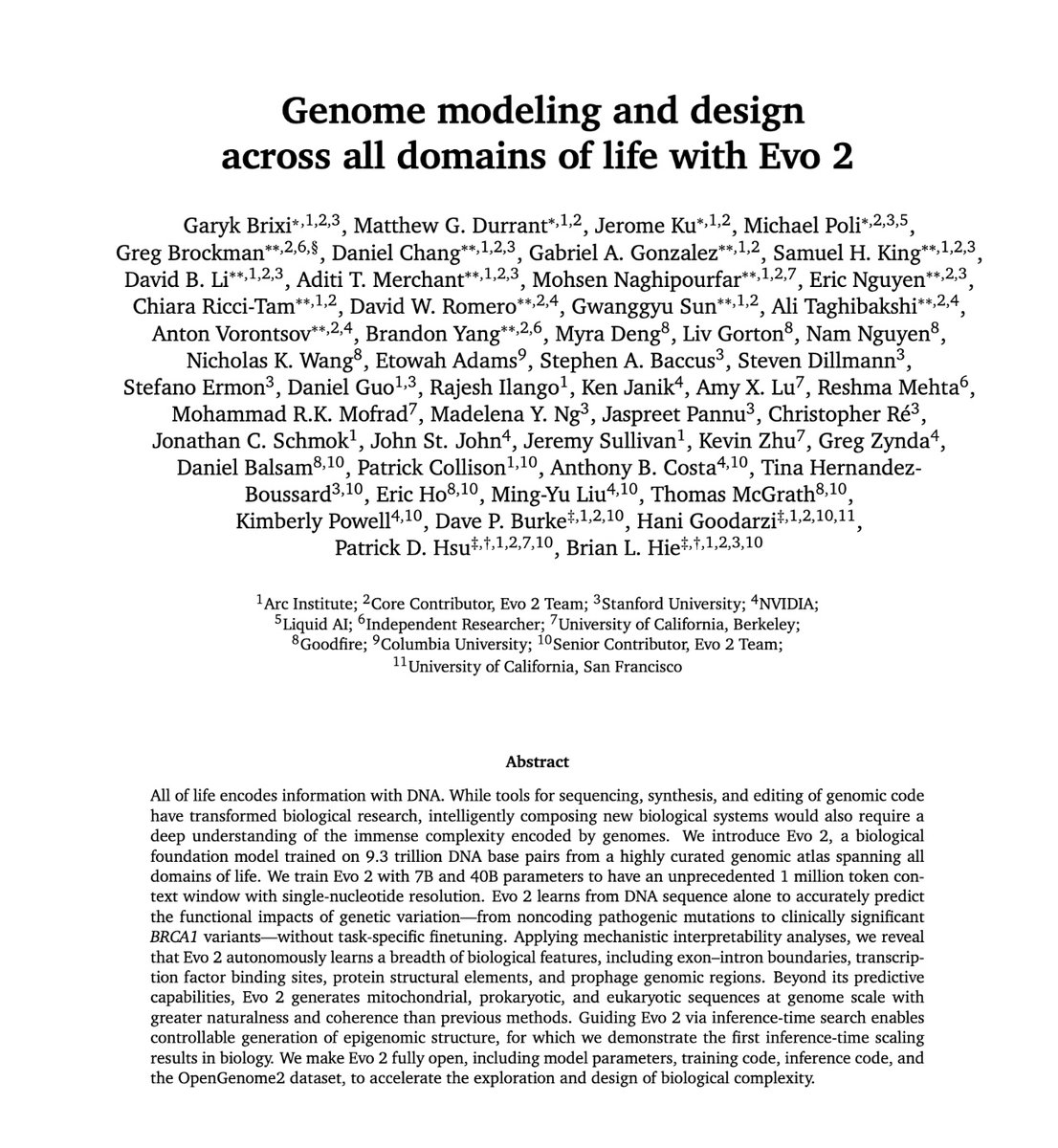
Announcing Evo 2: The largest publicly available, AI model for biology to date, capable of understanding and designing genetic code across all three domains of life. https://t.co/1Zt6gQ74SA
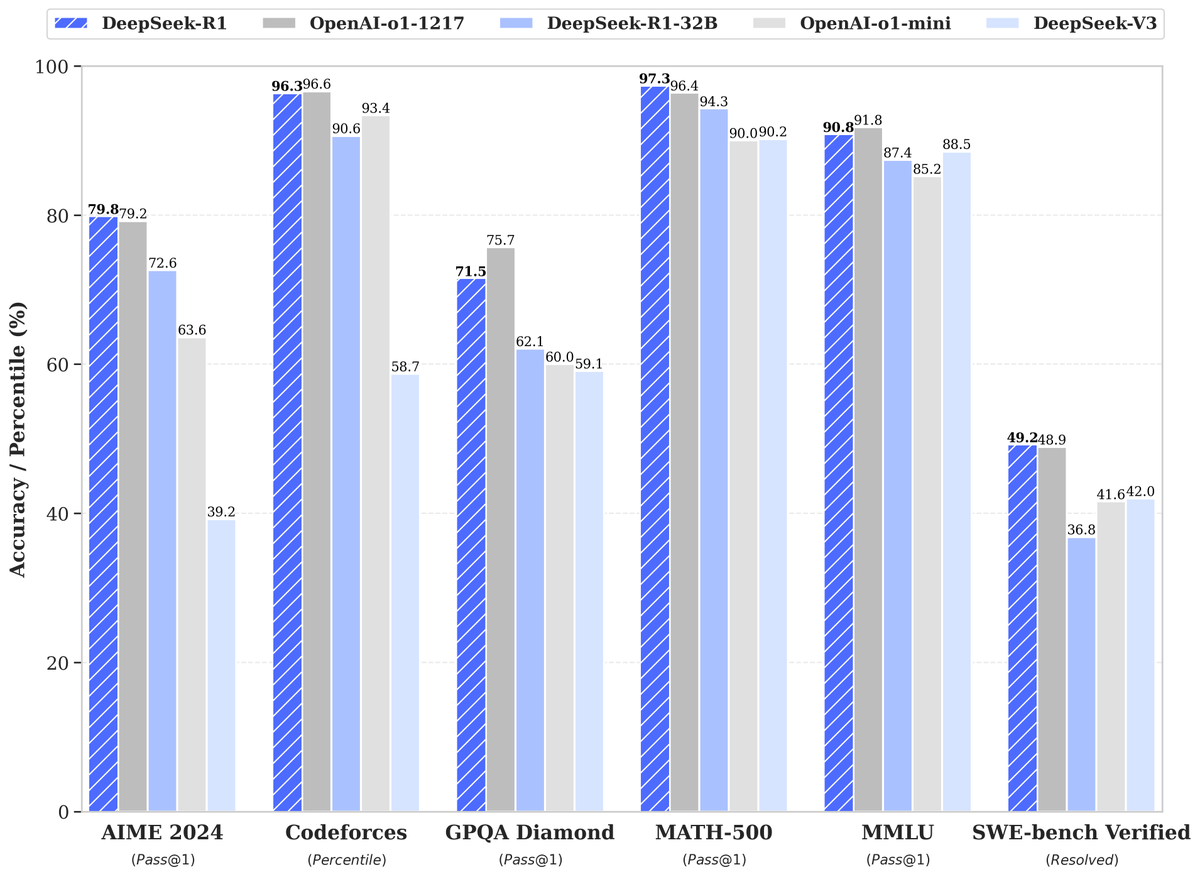
🚀 DeepSeek-R1 is here!
⚡ Performance on par with OpenAI-o1
📖 Fully open-source model & technical report
🏆 MIT licensed: Distill & commercialize freely!
🌐 Website & API are live now! Try DeepThink at https://t.co/v1TFy7LHNy today!
🐋 1/n
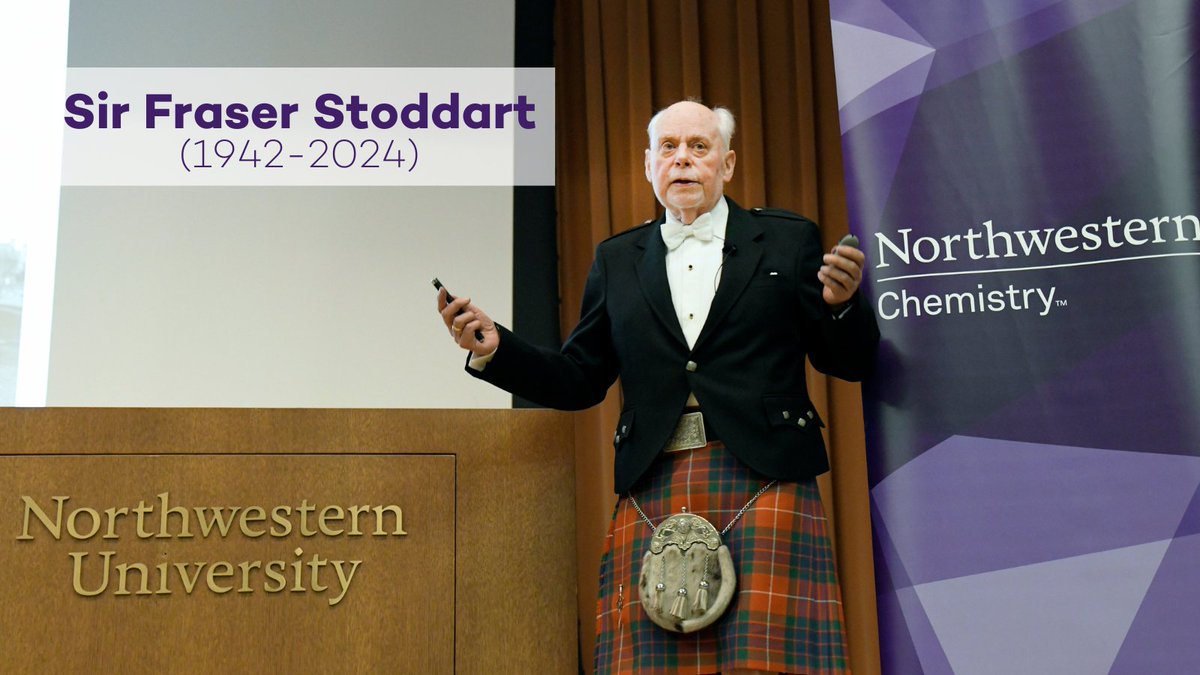
On 30 December chemistry laureate Fraser Stoddart sadly passed away at the age of 82.
Stoddart's groundbreaking work in the field of supramolecular chemistry and nanotechnology has left an indelible mark on the scientific community and a forever lasting gift to society and humankind.
Learn more about his work here: https://t.co/XUebTwPmv7
Congratulations to Broad core institute member @zhangf on receiving the National Medal of Technology and Innovation, the nation’s most prestigious honor for American innovators! https://t.co/7PAtMpK7hH
With profound sadness, we announce the passing of Sir Fraser Stoddart, Nobel Laureate and cherished member of @NorthwesternU. His groundbreaking contributions transformed the field of #chemistry and inspired countless scientists worldwide.
➡️ https://t.co/S7e0nwfruD
Thrilled to share our latest work on lipid nanoparticle (LNP) delivery of a stable CRISPR-Cas9 ribonucleoprotein (RNP) for in vivo genome editing, now published @NatureBiotech! 🧬
https://t.co/rX2bBKFMka
In this paper, we first engineered robust, efficient, and stable CRISPR-Cas9 genome-editing enzymes, iGeoCas9s, through #directedevolution of Cas9 from Geobacillus stearothermophilus (GeoCas9). We then developed an LNP-based delivery platform that successfully encapsulates and delivers iGeoCas9 RNP to various cell lines, achieving high-efficiency genome editing in vitro, including homology-directed repair (HDR) via codelivery of RNP and ssDNA templates. In the end, we demonstrated that different LNP formulations enabled tissue-specific genome editing in the liver and lungs after single intravenous injections of iGeoCas9 RNP–LNP complexes without triggering detectable immune responses. Overall, our results show that stable Cas9 RNP–LNP complexes can be a robust alternative to mRNA–LNP delivery and expand the therapeutic potential of CRISPR genome editing.
Our previous study @CellCellPress illustrated why our engineered iGeoCas9 exhibits dramatic improvements in its genome editing function. The high protein stability and desired negative charge density are the key to the successful development of the LNP delivery strategy for iGeoCas9 RNPs, which outperforms mRNA+sgRNA codelivery by LNPs for genome editing. We believe this LNP delivery platform can be further extended to other editing tools, such as base editors and prime editors.
Huge thanks to my collaborators @doudna_lab and in the Murthy lab for making this possible! @igisci@berkeleyMCB