#Malaria poses a threat to almost half of the world's population.
New strategies and tools are needed to prevent, treat, diagnose and ultimately eliminate the mosquito-borne disease, writes Professor James Beeson and Dr Amaya Ortega Pajares for 360info.
https://t.co/WgAiGD14uZ
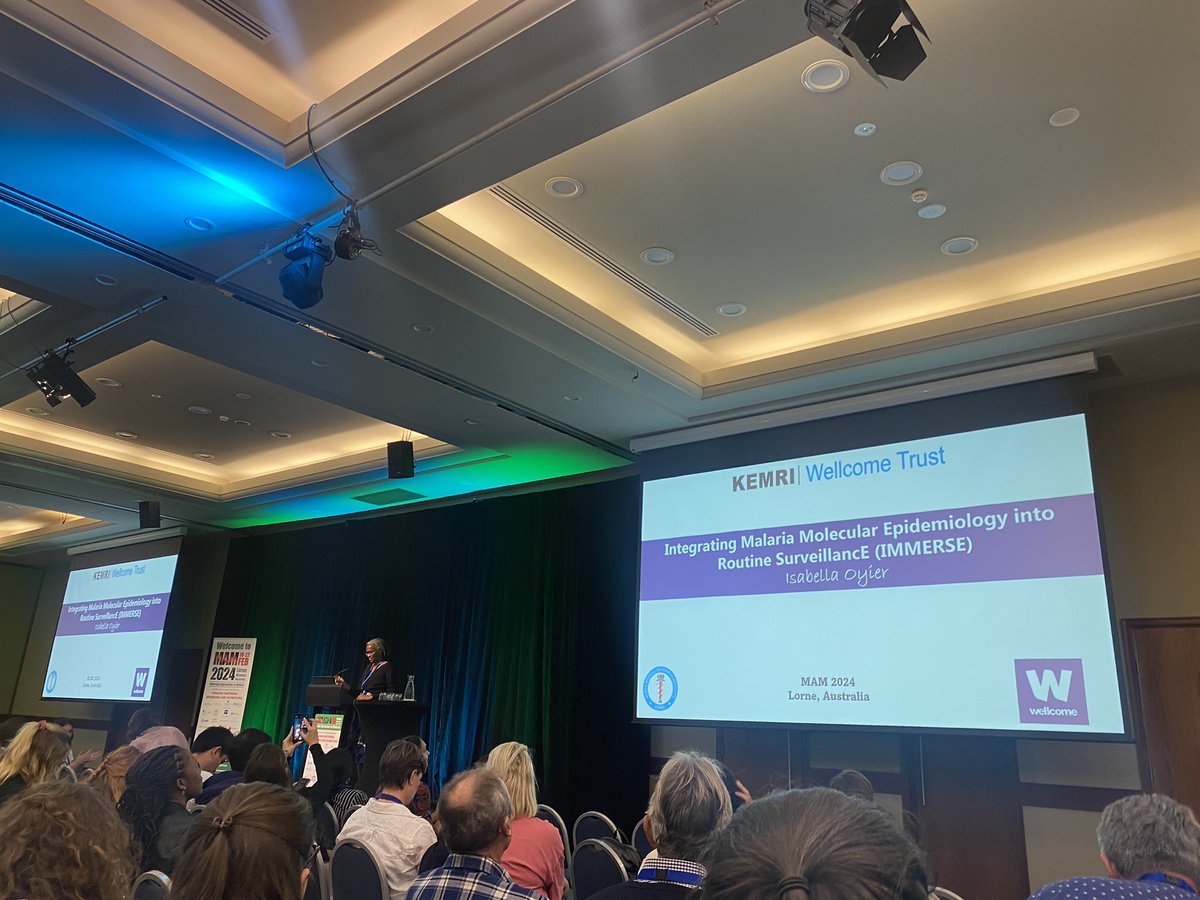
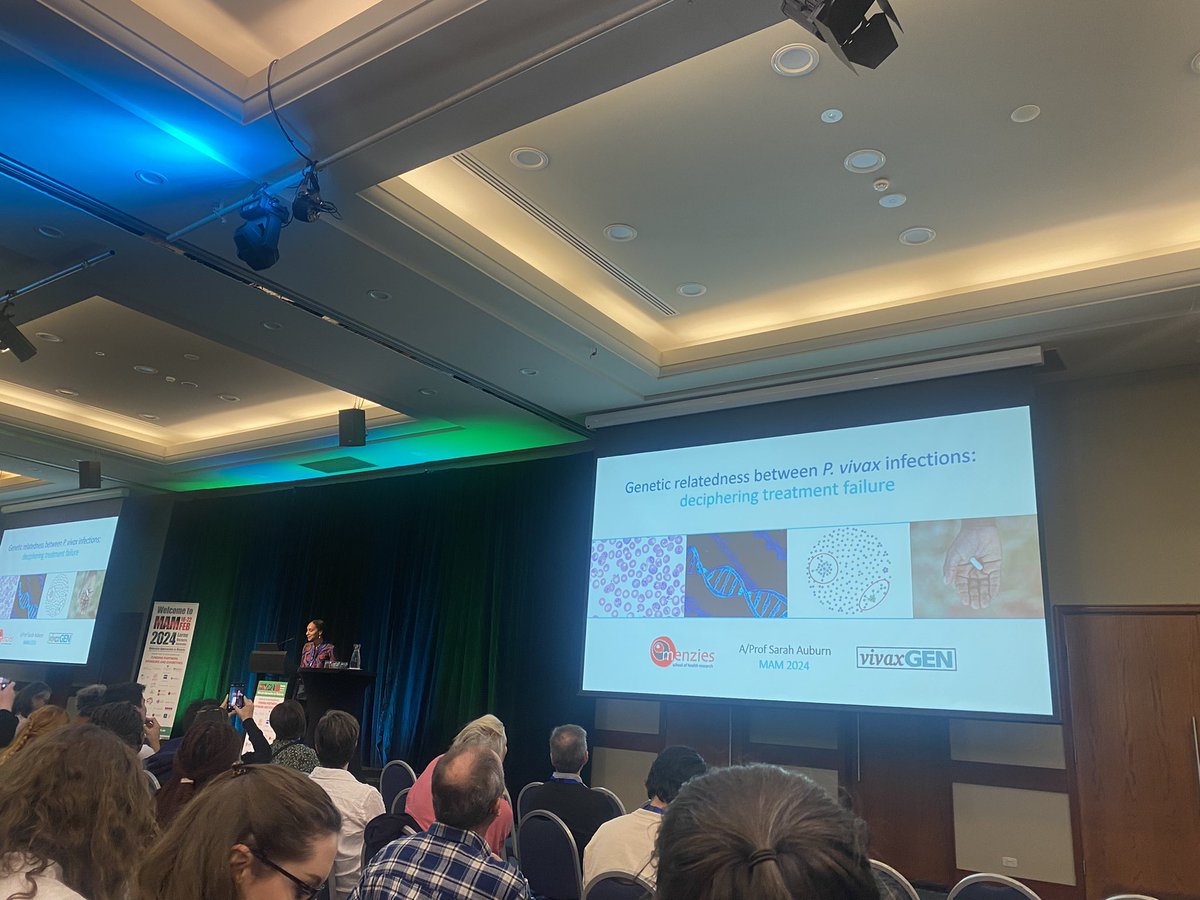
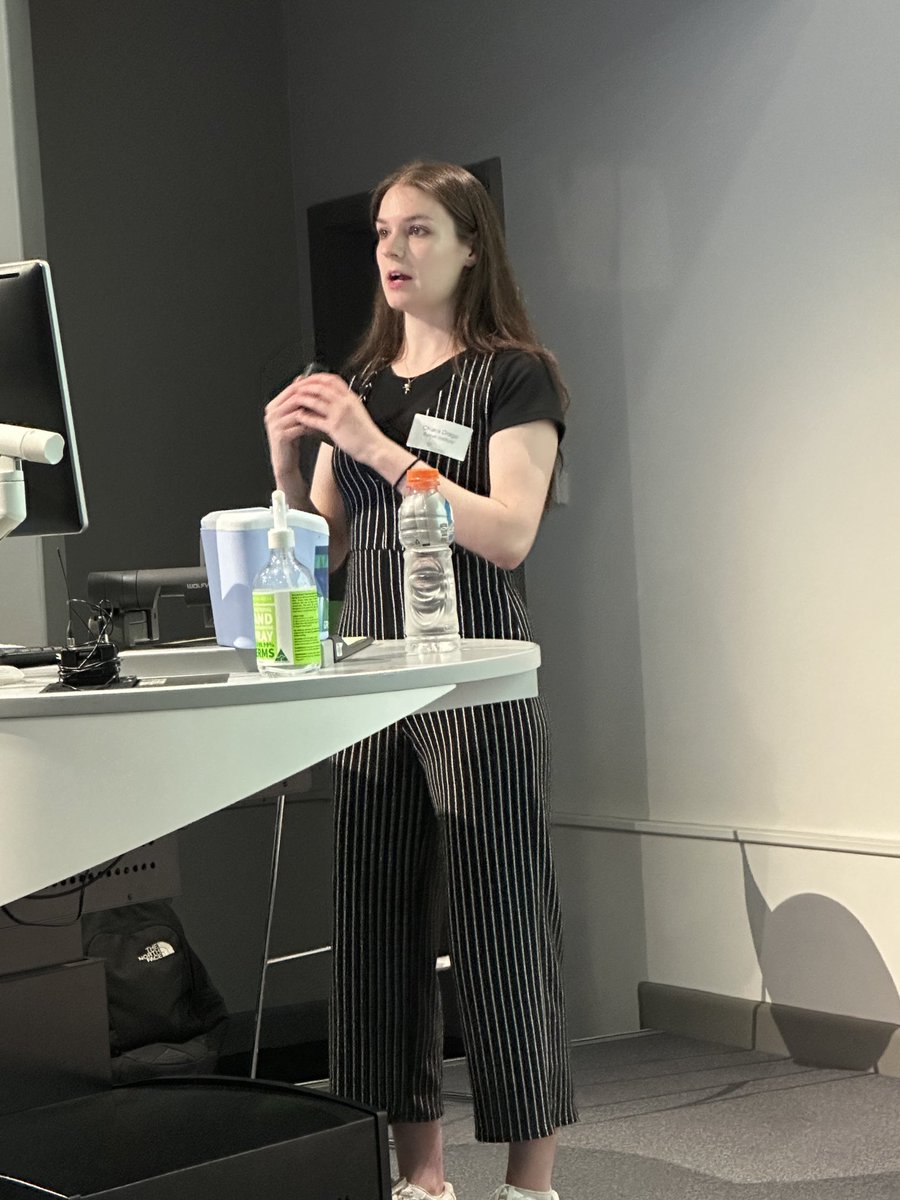
That’s the end of another great session #MAM2024. I thoroughly enjoyed the presentations in the Epidemiology and Population Genetics session. All talks highlighted the importance of malaria surveillance and presented complex sequencing data effectively.
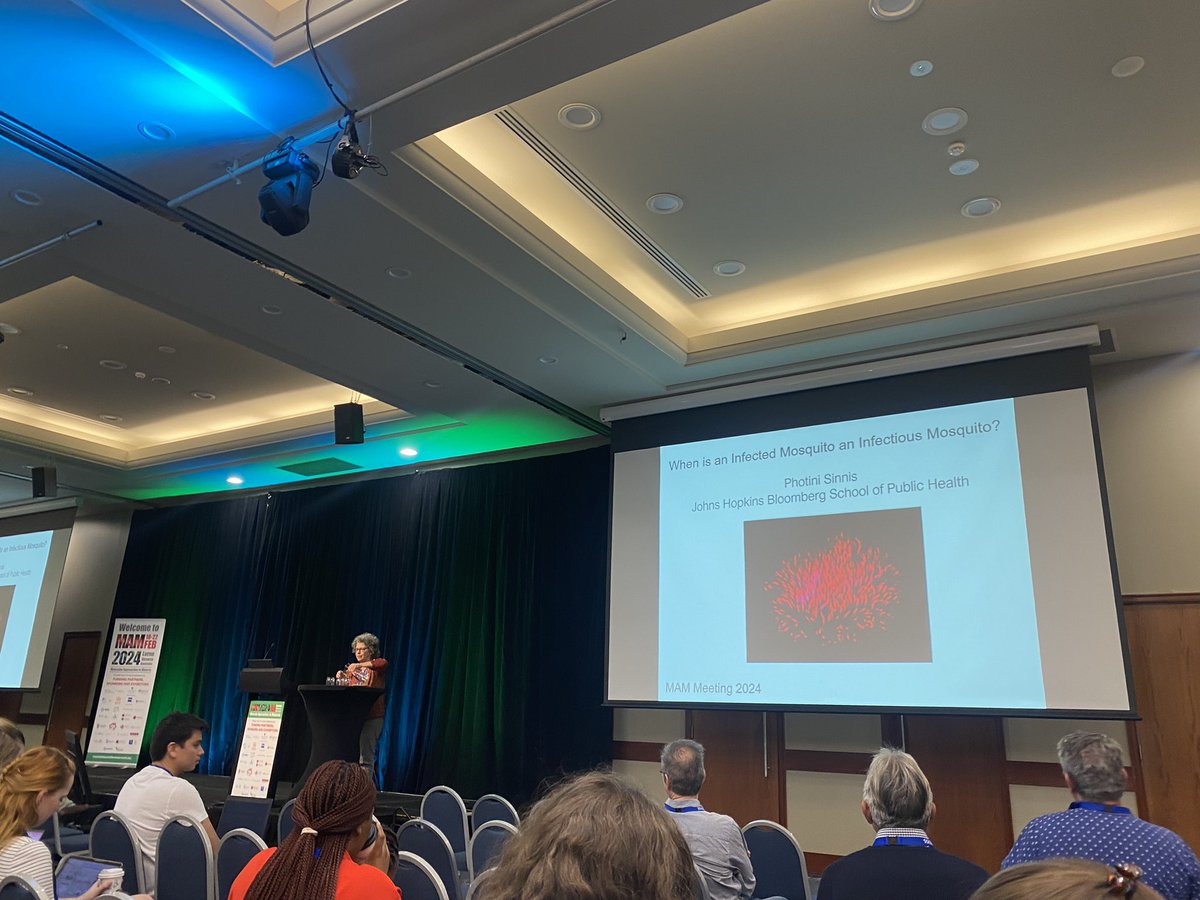
First session of #MAM2024 has just finished! A great range of talks on pre-erythrocytic life cycle biology. Talks spanned mosquito, sporozoite and liver stages across different species of Plasmodium and models. Good to see broad diversity in the selected speakers too.
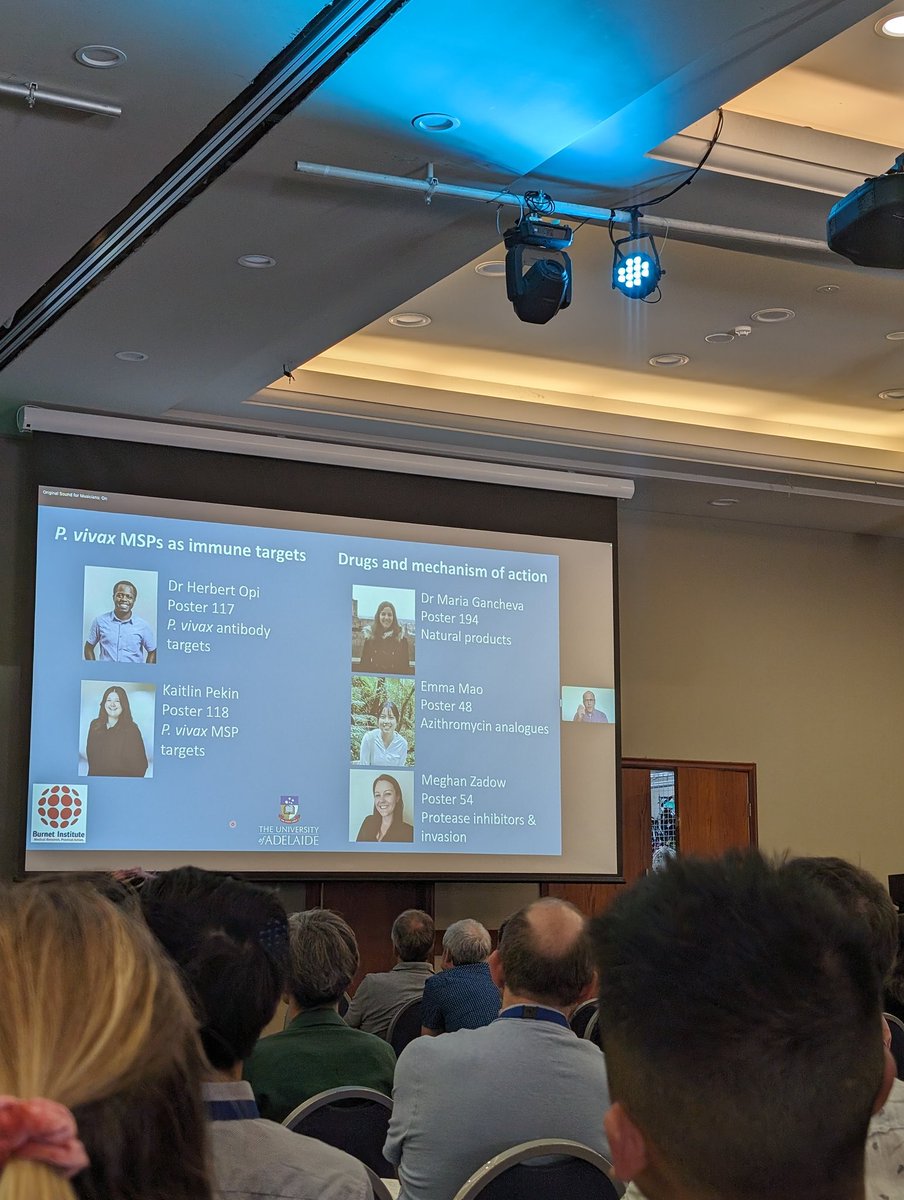
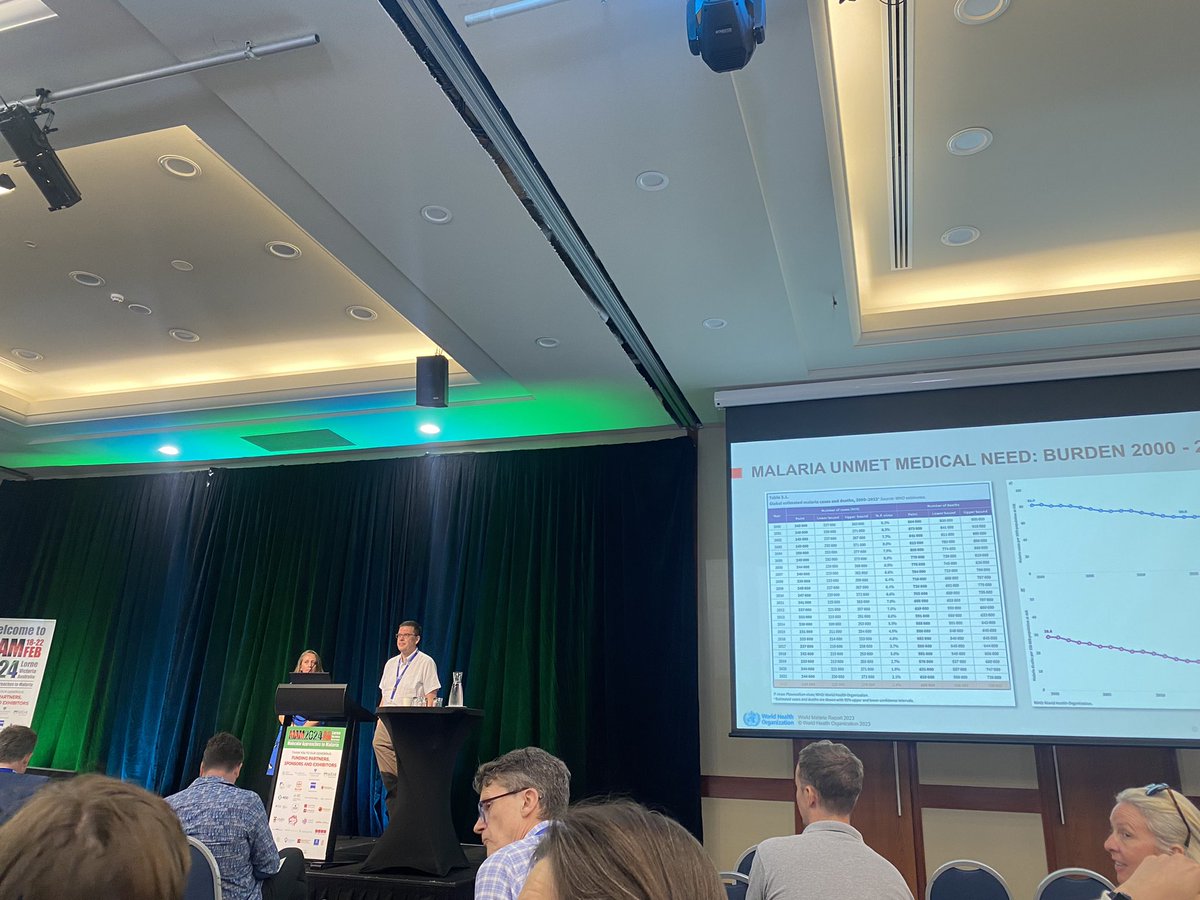
MaM2024 has begun! The first session began with an Acknowledgment of Country. Followed by Jean-Luc Bodmer from the Bill and Melinda Gates foundation. Jean gave an overview of investment in tools to assist in future malaria elimination. @BurnetInstitute#MAM2024
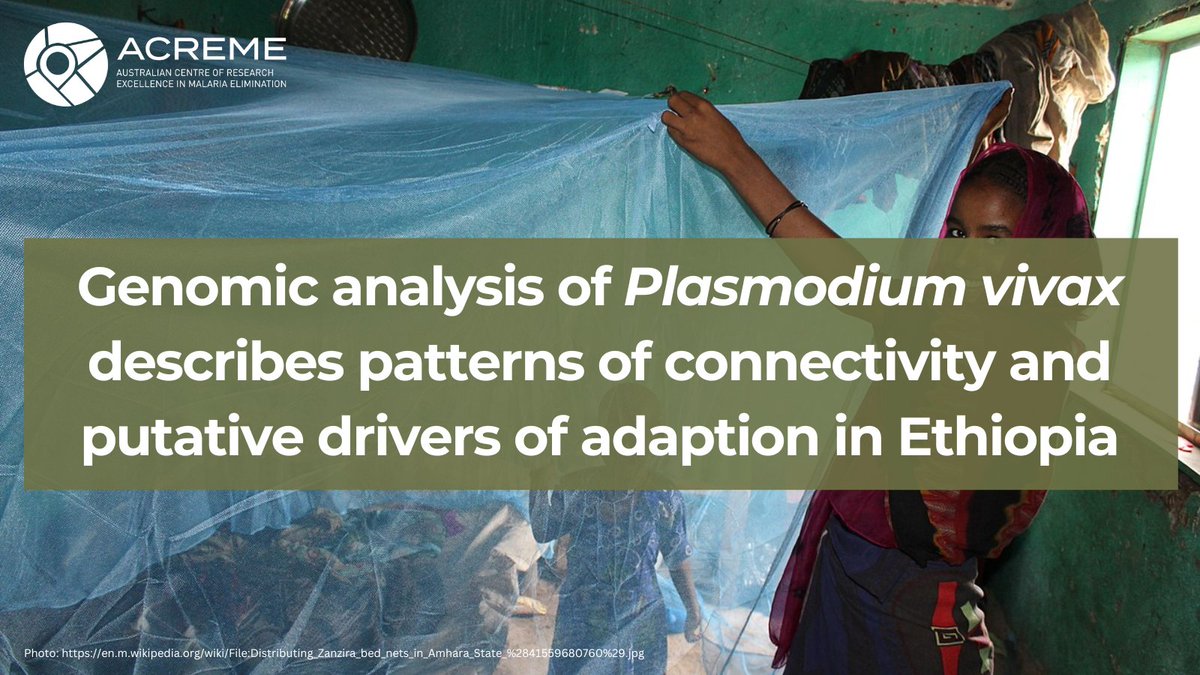
Plasmodium vivax is becoming the predominant cause of malaria in the Asia–Pacific and Americas. This publication highlights the major shortcomings in current approaches to survey P. vivax in Ethiopia. Read: https://t.co/TgTWGDmhIS
#malaria#globalhealth#publichealth#parasite
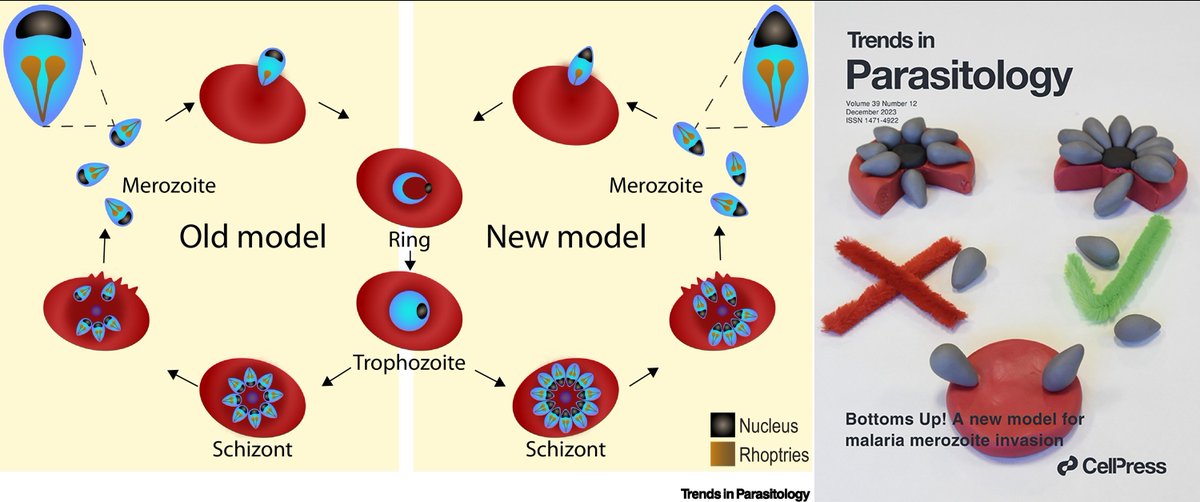
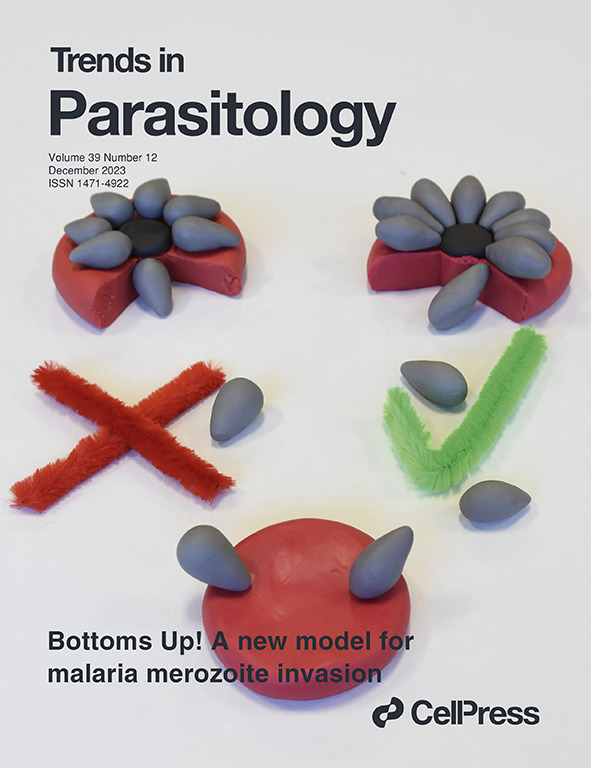
Always a fan of the malaria clay art by @Wilson_LabUofA !! Such a nice cover image & review by Mia, Jake, Paul and Danny - Congrats! 🤩 It inspired me to sketch a little winter edition of the updated model for merozite invasion in the bloodstream or “bottoms up”⛷️
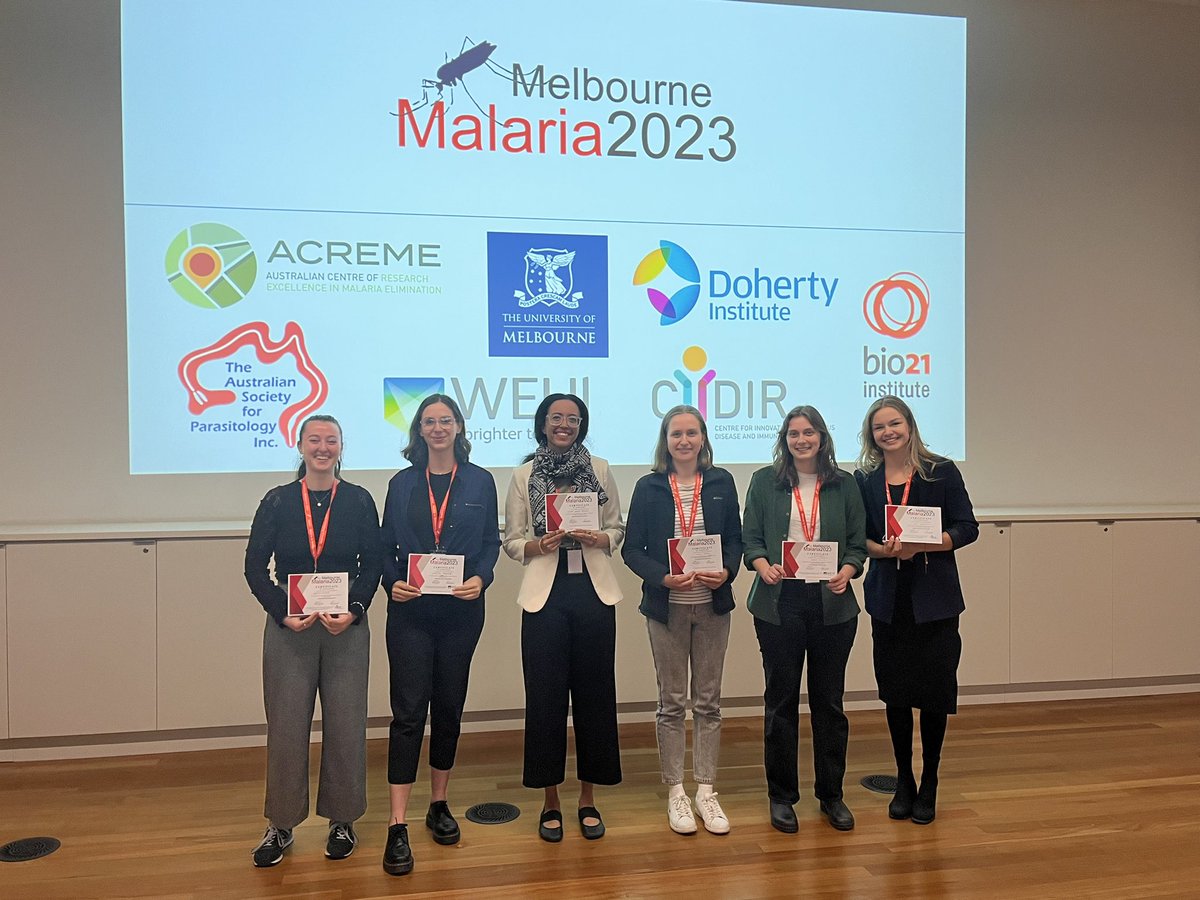
Congratulations to our poster, short talk and long talk awardees!!
You all did an amazing job!!🎉🎉
That’s a wrap for malaria in Melbourne 2023!!
#MIM2023#malariamelb23