Musa hocam sizi tanimiyorum ama cevirdiginiz kitaplar kutuphanemde yanyana duruyor. Okurken beynimi yakan argumanlar var kitaplarda ve beynine güvenen birisi olarak yaptiginiz şeylere gipta ile bakiyorum. Bu ulkede iltifat cok acik edilmez, kusurumuza bakmayin ama ben size mutesekkirim. Bence su ana kadar yaptiklarinizi yapmaya devam edin, kotu dusuncelerinizden de siyrilin. Allah hepimize yardim etsin.
Hocam elinize saglik, Allah gayretinizi arttirsin. Ama bu yayinevinden cikan sizin ve @ibrabah_realism hocamin kitaplari fahis fiyatla satista. Kitap yurdu fiyati arttirip sonra 50% indirim yapmis. Bu fiyatlara, sizler kazansaydiniz, kimse itiraz etmezdi, buyuk emek cunku. Ama sizler bir sey almiyorsaniz geriye yayinevinin enflasyonik ortamda balik avlama cabasi akla geliyor. Belki bir dahakine yayinevi secerken bu bir nokta olabilir. Ya da belki online yayinlamak daha iyi bir yoldur.
Bu kitap ilk ciktiginda hemen baktim, iyi kitap sonucta ama fiyati KY’unda 900 kusur TLydi, garip geldi. Simdi, fiyati 1390 TL yapip 50% indirime sokmuslar. İbrahim hocamin da diger muelliflerin para kazanmadigina inaniyorum, muhtemelen boyle bir kitapla hicbir mukellef para kazanamaz zaten, geriye bulanik suda yani enflasyonda balik avlama kaliyor malesef.
Arkadaşlar bu akşam 20:30'da Functional Programming'i konuşuyoruz. "AI varken hala FP mi?" demeyin, AI'a güvenip bu temel konuları ıskalamayın, temelleri ne kadar iyi bilirseniz AI ile o kadar iyi çalışırsınız. Bu, 1-1,5 senelik AI tecrübemizden çıkan en temel doğrulardan. Yakın gelecekte AI'ın tabiatını daha iyi kavradığımızda bence bu daha iyi anlaşılacak. Neyse, beklerim...
Kayıt: https://t.co/AtTIwgBKTX
Türkiye Kant Topluluğu ve Boğaziçi Üniversitesi Felsefe Topluluğu @bufet_boun işbirliğinde düzenlenen Kant Workshop’u 12 Haziran’da gerçekleşecek!
Dışarıdan katılanların üniversiteye girişlerinin sağlanması için formu doldurması gerekmektedir:
https://t.co/or3FVjhmtx
Fascinating new article by learning expert Dr. Barbara Oakley:
"The more we offload knowledge to external aids, the less we exercise and develop our own cognitive capacities."
Overreliance on AI will decrease your critical thinking skills, undermine learning, and diminish your ability to retrieve information.
This is exactly why we need to all be reading books in the age of AI.
If you don't use your brain or memory, you will start to lose your ability to do so.
1375 yilinda, Anadolu Beylikleri doneminde insa edilen Selcuk’taki İsa Bey Camii’nin restorasyonu bitmis, ziyaret edilebilir. İhtisamli ama sade bir cami. İki kucuk kubbesi var, içi de dışı da ferah. İcindeki bazi sutunların, hemen dibindeki Artemis Tapinagi’ndan alindigini duydum.
Ben buna katiliyorum. 90’larda once Borland sonra Netscape ve Sun’a yaptiklarini iyi hatirliyorum. Hatta Gates, devletin 1998-2001 arasinda actigi anti-trust davasi kapsaminda senatoda sorgulanmisti. Tabi yine simarik ve usttenciydi. Bunu Netflix’in belgeselinde de itiraf ediyor. MS, temelde “bekle-gor”cudur ve sonra ozellikle OS gucunu kullanarak yok etmeye odaklidir. 90’lardaki gorununu budur. Evet bunlarin hepsi kapitalist, paraya tapanlar ama bazilari daha kibirli ve saldirgan.
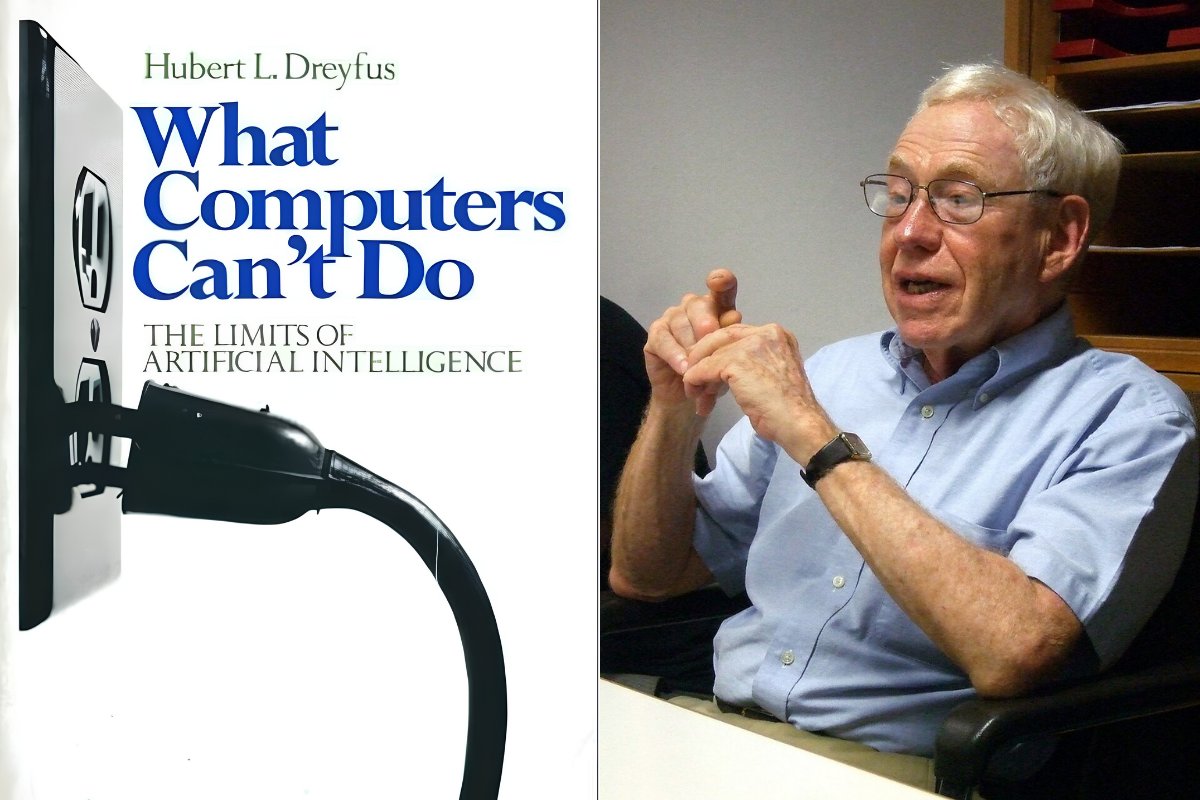
A Berkeley philosopher published a book in 1972 warning that AI would never understand the world the way humans do, got laughed off campus for it, then watched the entire AI research community spend 50 years slowly proving him right.
His name was Hubert Dreyfus. The book was called What Computers Can't Do.
And the story of what happened to him before, during, and after he wrote it is one of the most important things nobody tells you about the history of AI.
It started in 1965. RAND Corporation hired Dreyfus to study artificial intelligence. He turned in a 90-page report comparing AI research to alchemy. Not as a compliment.
He argued that AI researchers had made the same mistake over and over for a decade. They would get a narrow system working, predict it was the first step toward general machine intelligence, and watch it hit a wall nobody predicted. Simon said by 1967 computers would be world chess champion. They were not even close. Dreyfus called the whole thing a pattern. Early wins, massive promises, quiet collapse.
The AI community did not take it well.
Herbert Simon called the paper "garbage." Dreyfus taught at MIT at the time and later wrote that his colleagues "dared not be seen having lunch with me." The entire building avoided him.
Then they challenged him to a chess match against a computer.
Dreyfus had never claimed to be good at chess. He had only claimed that AI chess was weak, which it was. But MIT researchers organized a public game between Dreyfus and MacHack VI in 1967. He lost. The Association for Computing Machinery newsletter ran the headline: "A Ten-Year-Old Can Beat the Machine. But the Machine Can Beat Dreyfus."
The entire field celebrated. They had not answered his argument. They had just beaten him at chess. Nobody seemed to notice the difference.
Dreyfus expanded the paper into a full book in 1972. What Computers Can't Do laid out something deeper than chess criticism.
His argument was philosophical, not technical. He said human intelligence was not symbolic manipulation. It was not rules and logic trees. It was something more fundamental that no one had cracked: the ability to understand context, to act in the world through a body, to make judgments that depended on being alive and embedded in a situation.
He called it know-how versus know-that. A doctor who can feel something is wrong in a patient before naming what it is. A chess grandmaster who sees the right move before calculating it. A person who walks into a room and understands the social dynamics in four seconds without running a single algorithm.
These were not tasks you could formalize. Not because they were mysterious. But because they were rooted in physical embodiment and years of embedded experience in the world. A machine sitting inside a server rack had none of that. It had never touched anything. It had no body. It had never been afraid or hungry or confused in the middle of a city.
The AI community kept dismissing him for 20 more years. Then quietly, things started shifting.
The symbolic AI approach he had criticized started breaking down exactly where he said it would. Language was too ambiguous. Common sense was impossibly hard to encode. Systems that worked in narrow domains failed completely the moment the real world showed up.
By the 1990s, the field had largely abandoned the approach Dreyfus had attacked. When MIT Press published a new edition in 1992 with a long introduction updating his position, historians of AI started writing sentences like "time has proven the accuracy and perceptiveness of Dreyfus's comments."
In 2007, a journalist asked him whether he thought he had won the argument. He said: "I figure I won and it's over. They've given up."
He was right and wrong at the same time. Symbolic AI did collapse. But something else rose in its place: deep learning, trained on massive amounts of human-generated data, learning patterns from the bottom up instead of the top down. Systems that were not programmed with rules but that absorbed something about language and images and tasks from raw experience.
That is where the argument gets genuinely interesting and genuinely unresolved.
Dreyfus spent his last years thinking carefully about whether deep learning addressed his critique or just circumvented it. He had always said the problem was not intelligence as pattern recognition. He had always said the hard part was something else. Situatedness. Meaning. The ability to care about outcomes in a way that comes from having skin in the game.
A model trained on a trillion tokens of human text knows a great deal about what humans say. Whether it knows what humans mean is a different question. Whether it can act in the world the way a human acts, with a body and a history and stakes in what happens, is the question he spent 50 years trying to make people take seriously.
He died in 2017. GPT-2 was released two years later. GPT-4 was released six years after that.
The question he raised is still open. We build systems now that would have seemed miraculous in 1972. Systems that write, reason, code, argue, compose, translate, and explain. And the AI researchers at every major lab spend an enormous amount of time trying to figure out exactly what these systems are missing.
Dreyfus spent 50 years on a campus where people refused to eat lunch with him for saying that question mattered.
The man who was wrong about chess was right about almost everything else.
Fichte'nin şu ifadesindeki mânâyı kavramak, beyhude olacak bir sürü polemiğe girme zahmetinden sizi kurtaracaktır: "Was für eine Philosophie man wähle, hängt davon ab, was für ein Mensch man ist." Yani, "Hangi felsefeyi seçtiğin, nasıl bir insan olduğuna bağlıdır."
Bir şey, hele ki Sonsuzluk, Tanrı, özgürlük vs gibi "büyük bir şey" hakkında düşünürken, kendimizin tarihsel, toplumsal, kültürel, psikolojik ve daha birçok açıdan koşullanmış olan varlıklar, yani "saf olmayan" varlıklar olduğumuzu unuturuz; sanki tüm bu koşullardan soyutlanmış zamansız bir düzlemden meselelere bakıyormuşuz gibi düşünür, doğru ile yanlış arasında aslında o kadar da kalın olmayan kesin sınırlar çizeriz. Bu durum en çok teolojik tartışmalarda açığa çıkar. Aklın kategorileriyle analiz ve tasviri güç bir mefhumu bize makul gelen kavramsal ağlar içinde tutmaya çalışırız. Oysa çoktan mizacımız, aldığımız eğitim, kültürümüz ve eğilimlerimiz devreye girmiştir:
Örneğin, analitik, rasyonel ve determinist bir mizacınız varsa; Tanrı'yı Spinoza gibi geometrik bir zorunlulukla, netlikle formüle etmeyi doğru bulursunuz;
Dünyevi her şeyi geride bırakmak isteyen, radikal, ödünsüz ve mistik bir mizacınız varsa; Advaita Vedanta'nın kurucu filozofu Şankara gibi "Ondan gayrısı gerçek değil, bir tek o var" dersiniz;
İlişki kurmayı seven, kalbi, duygusal ve bağ kurmaya odaklı bir mizacınız varsa da Mevlana Celaleddin gibi Tanrı'yı büyük sevgili ya da "Maşuk" olarak görürsünüz.
Nihayetinde bunlar Tanrı'nın hüviyetinden ziyade sizin kim olduğunuzu söyleyen yaklaşımlardır. Dahası, onun varlığı ya da yokluğu üzerine seçtiğiniz felsefi pozisyon bile yine O'ndan çok sizinle ilgilidir. Yine de yanlış anlaşılmasın: Bu hakikatin imkânsız olduğu, sadece mutlak görecelik içinde hapsolmuş olduğumuz anlamına gelmiyor. Daha ziyade, dışarıdan bakınca ancak biri doğru, diğeri hatalı olmak zorundaymış gibi görünüyor olsa bile, tüm bu didişen perspektiflerin hakikatin ancak bir yönünü teşkil edebileceği anlamına gelir. Üstelik böyle de olmak zorundadır: Hakikat bir insan tekinin kavramsal aygıtının tüketebileceği bir nesne olsaydı, düşüncenin imkânı da ortadan kalkardı.
"OOP, hareketli parçaları kapsülleyerek kodu anlaşılır kılar.
Fonksiyonel programlama ise hareketli parçaları azaltarak."
🔗 Kayıt: https://t.co/frFOT8VjiO
Yukarıdaki alıntısında Michael Feathers'ın da dediği gibi, fonksiyonel programlama tam olarak bunu yapıyor. Webinarda ise bunu nasıl yaptığını konuşacağız.
Composition nedir, immutability ne kazandırır, OOP ile FP birlikte nasıl çalışır.
Bu canlı oturumda:
• Fonksiyonel düşünce: yan etkileri azaltarak öngörülebilir sistemler kurma
• Composition: küçük parçaları birleştirerek büyük sistemler tasarlama
• Veri akışı mantığı: döngüler yerine akış üzerinden düşünme
• Immutability: daha güvenli, hata riski düşük sistemler
• OOP + FP hibrit yaklaşım: iki dünyanın güçlü taraflarını birlikte kullanma
Kimler katılmalı:
• Daha az karmaşık sistem kurmak isteyenler
• Sistem büyüdükçe karmaşıklığı kontrol edemeyenler
• Coupling, state ve yan etkilerle boğuşanlar
📅 4 Haziran Perşembe 20:30’da canlı yayında görüşmek üzere.