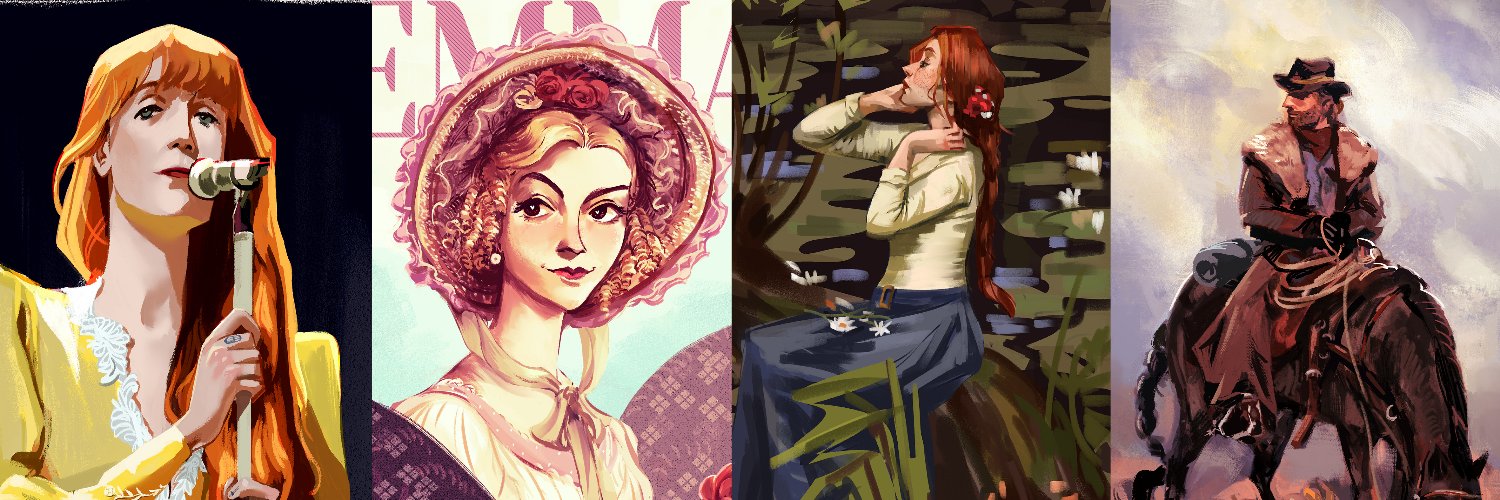
🌸reminder that i'm on the other site + tumblr under the same username, and posting more wips / extra stuff there!
i'll occasionally mirror post here but this account will be mainly for work / commissions for the time being 🌸 https://t.co/lS8UUbTWZX
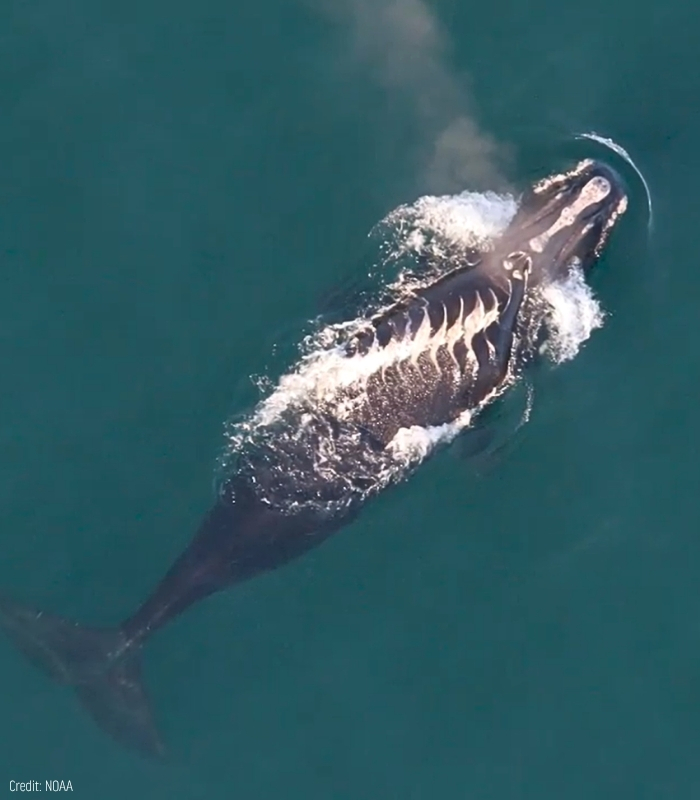
URGENT: North Atlantic right whales need your help.
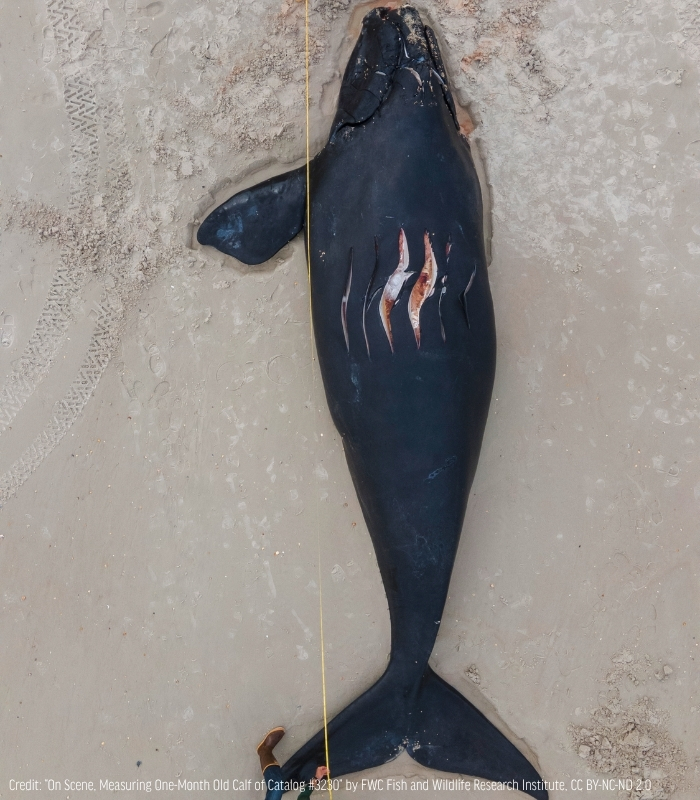
Boat strikes are a leading cause of death for these gentle giants. As they migrate north with 23 new calves, we must keep slow zones that protect these whales in place.
Add your name: https://t.co/8r6xmRFZpb
Over-mowing by many councils has started already. Dandelions, daisies, cuckooflower, clover - lifelines for pollinators - mown down to lifeless, 'tidy' grass deserts. Is your council taking positive action to restore at least 30% of nature, or is it lagging behind?
Please, please, always keep your dog on a lead when walking in the countryside at this time of year. The fields and moors are full of babies and vulnerable nests. 🪺
The study that started No Mow May was retracted in 2022, but the campaign kept going anyway.
The original idea was good: mow less in spring so emerging native bees have more flowers. But what actually blooms in an unmowed American lawn is mostly non-native.
Dandelions, clover, creeping charlie: they all came over from Europe and don't support the native specialist bees the campaign was supposed to help.
The bigger problem is what happens June 1. People mow their tall lawns the day the calendar flips, chopping caterpillars, evicting bumblebee queens, and potentially destroying the nests of rabbits and birds in one afternoon.
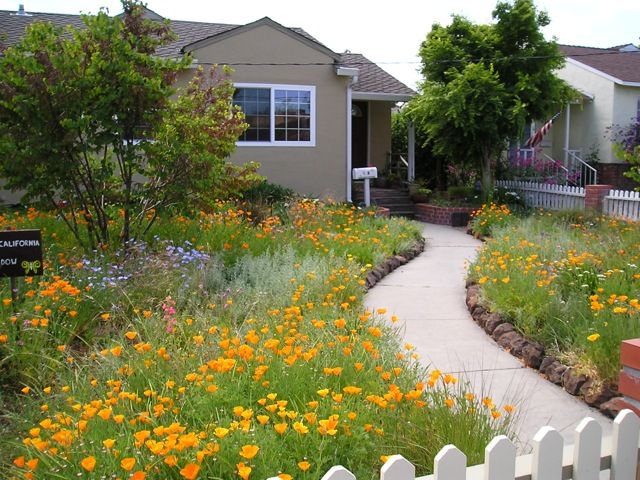
Better alternatives: Mow less all summer (Slow Mow Summer is what Appleton, WI calls it now). Reduce your lawn size, replace turf with native flowers.
Plant goldenrod, native asters, milkweed, and other native flowers. Those are the plants the specialist bees actually need.
No Mow May is better than nothing, but real native habitat is better than No Mow May.
In 2020, a small city in Wisconsin told its residents they could stop mowing for a month. 435 households joined in. The bees came back the same spring.
Appleton was the first US city to adopt No Mow May. The city council suspended its weed ordinance for the month so residents wouldn't get cited for tall grass. Around 40 acres of lawn across the city went uncut.
Researchers from Lawrence University sampled the unmowed lawns and nearby mowed city parks in the same week. The unmowed lawns had 5 times as many bees and 3 times as many bee species as the mowed parks.
Wisconsin is home to nearly 500 native bee species. Most people have never seen them because they don't live in honeybee hives. They're solitary bees, ground nesters, small black or metallic green insects that fit on a fingernail.
Appleton's unmowed yards gave them food and shelter in the hungry early-spring window when almost nothing else is blooming.
The experiment cost the city nothing. It saved residents fuel and labor. It produced measurable ecological results within 30 days.
Dozens of US cities have adopted the practice since. Has yours?
@inviktusdomini again, i'm sorry for the shitty way I phrased it. i sincerely support disabled folks' place in society and i hope i've expressed myself more clearly here.
@inviktusdomini i do think it's worthwhile to question these restrictions you talk about which do nothing but make people's lives harder while also killing wildlife, rather than questioning the idea that leafblowers shouldn't be used.
Unbelievably another in the same spot today.... Seriously, why would nan be having a nice time "up there" when you're putting the lives of animals in jeopardy. This beach will soon host breeding Terns, Plovers and Oystercatchers. This. Must. Stop!
That nest in your hanging flowerpot is a three-week commitment. It's also legally protected.
House finches, mourning doves, and Carolina wrens pick hanging baskets constantly. They're sheltered, elevated, and close to the water source.
The bird has no idea the basket is your responsibility. She just likes it. And why wouldn't she?
Her eggs hatch in about two weeks. The chicks fledge about 2-3 weeks after that.
Go gentle on the watering while they're in residence. Light, daily misting around the plant, not into the nest, will help the flowers stay alive. If one doesn't make it, replace it in June. No hanging basket is worth more than a nest.
Three weeks from now you'll have fledglings in your yard. That's a better return on a hanging basket than flowers ever gave you.
Drop your nest pics if you got em!
We are incredibly grateful for our members and supporters who rose up and sent over 8,100 messages to your U.S. House Rep urging them to oppose H.R. 1897!
Your emails and phone calls clearly helped make a difference...THANK YOU!
And HAPPY EARTH DAY!
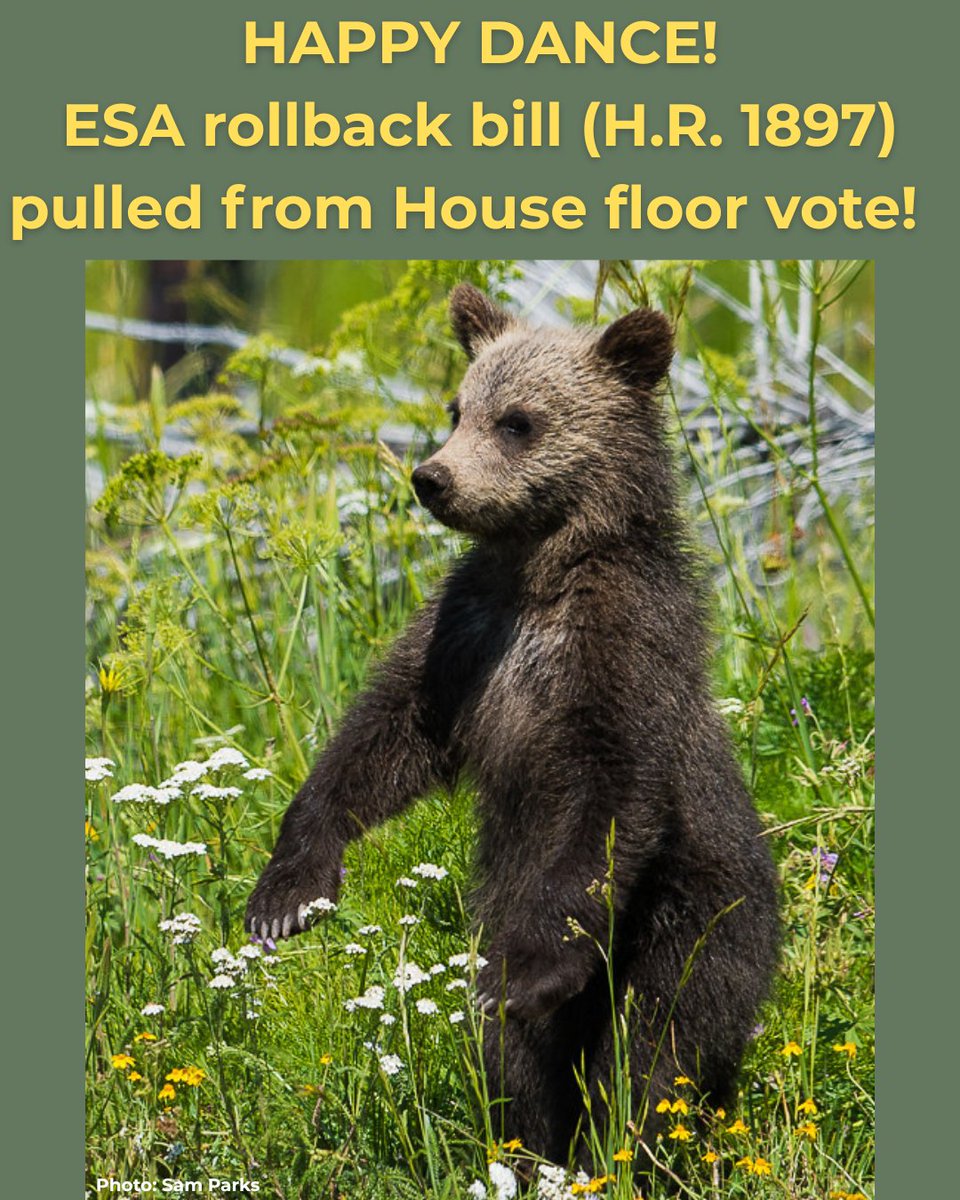
Good news! We just got word that H.R. 1897—the bill weakening the Endangered Species Act and protections for threatened and endangered species—was just pulled from the floor vote slated for this afternoon!
Your calls and emails are making a difference...THANK YOU!
VICTORY: H.R. 1897 was pulled from the floor.
One of the most dangerous attacks on the Endangered Species Act has been stopped—for now. You raised HOWL, and wolves and wildlife won.
This is worth celebrating. But H.R. 1897 is still alive, and we’ll be ready if it comes back!
The plastic planet
Microplastics in hundreds of species including 86% of all turtle species, 44% of all sea bird species and 43% of all marine animal species
51 trillion Microplastic particles have entered the ocean so far but its not enough says Big OIL
https://t.co/x3v4TLWown
Today marks 16 years since the Deepwater Horizon blow out, triggering the worst oil spill in U.S. history.
Where they drill, they spill. We must learn from this devastating disaster.
Say NO to the U.S. gov.’s proposed expansion of offshore drilling: https://t.co/uayV6h2nR4