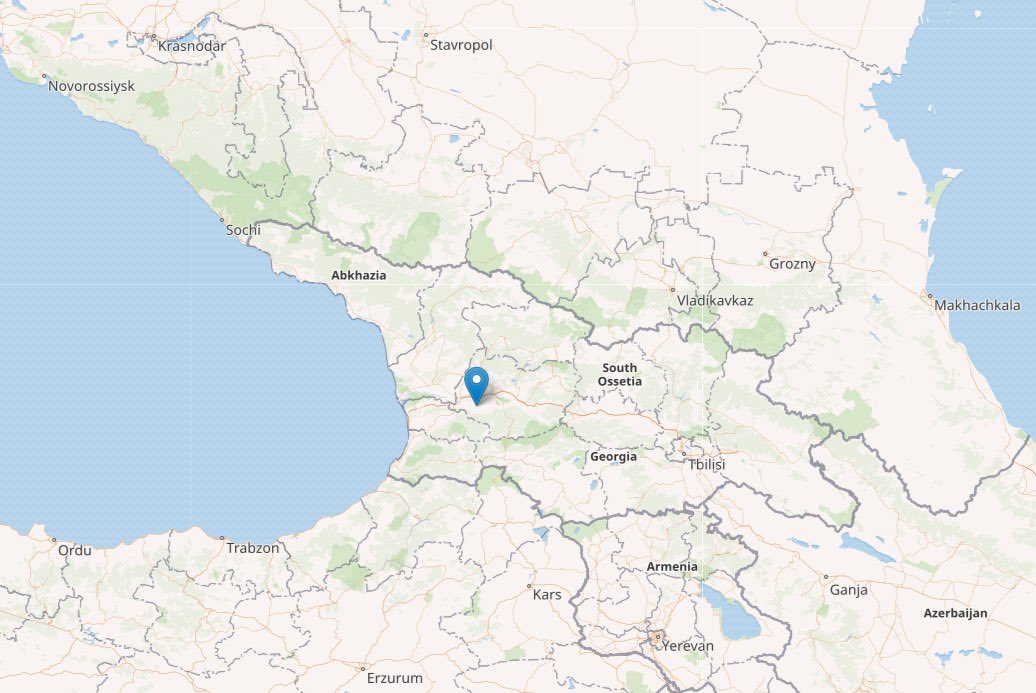
Doğu Anadoou'da Türk Nüfus Yoğunluğu
Günümüzde yaklaşık 6 milyon nüfusu olan bölgenin %35'i Türkmen, Terekeme, Ahıska, Azeri, Dadaş, Muhacir vb. Türk topluluklardan meydana gelmektedir.
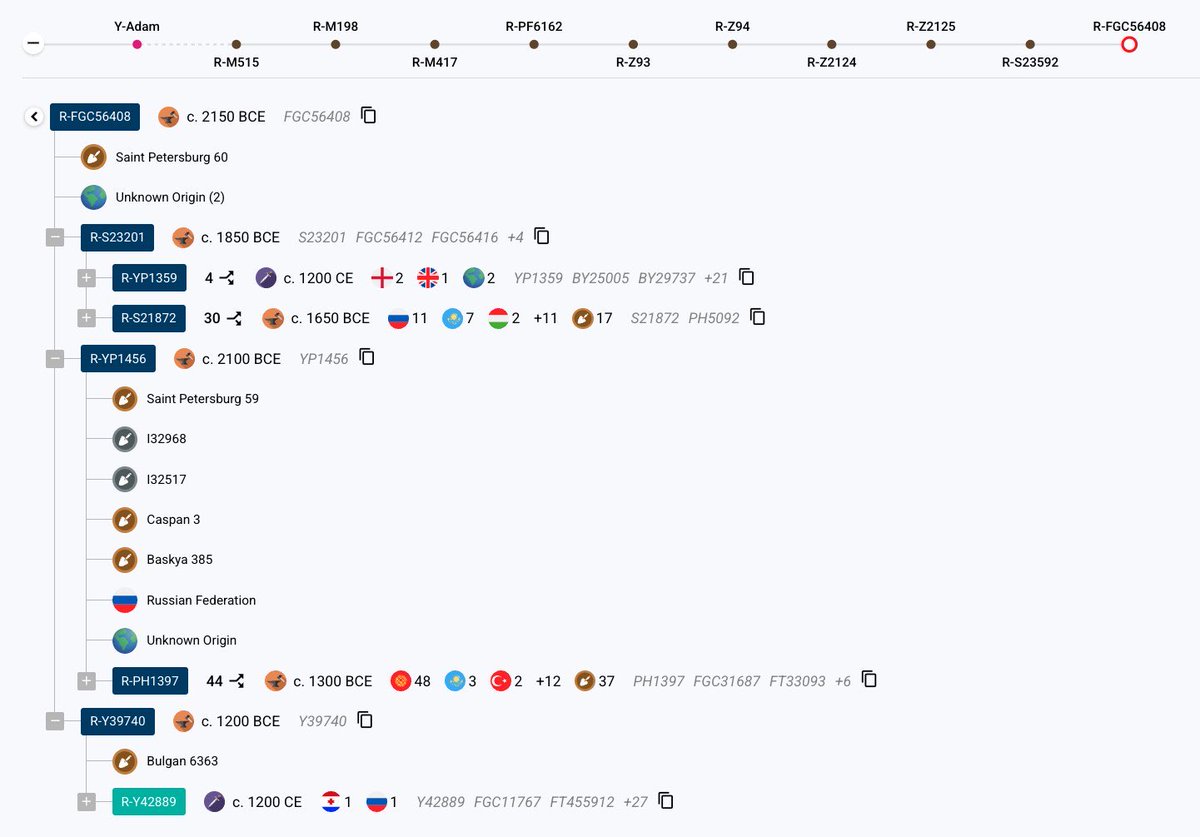
Merab Dvalishvili, a UFC champion, was born in Vani, Imereti, Georgia, but his family originates from the village of Solori
He belongs to the R-FGC56408 branch of R1a-Z93 haplogroup, which traces its lineage back to the Andronovo culture of Bronze Age
source/Georgian DNA Project.
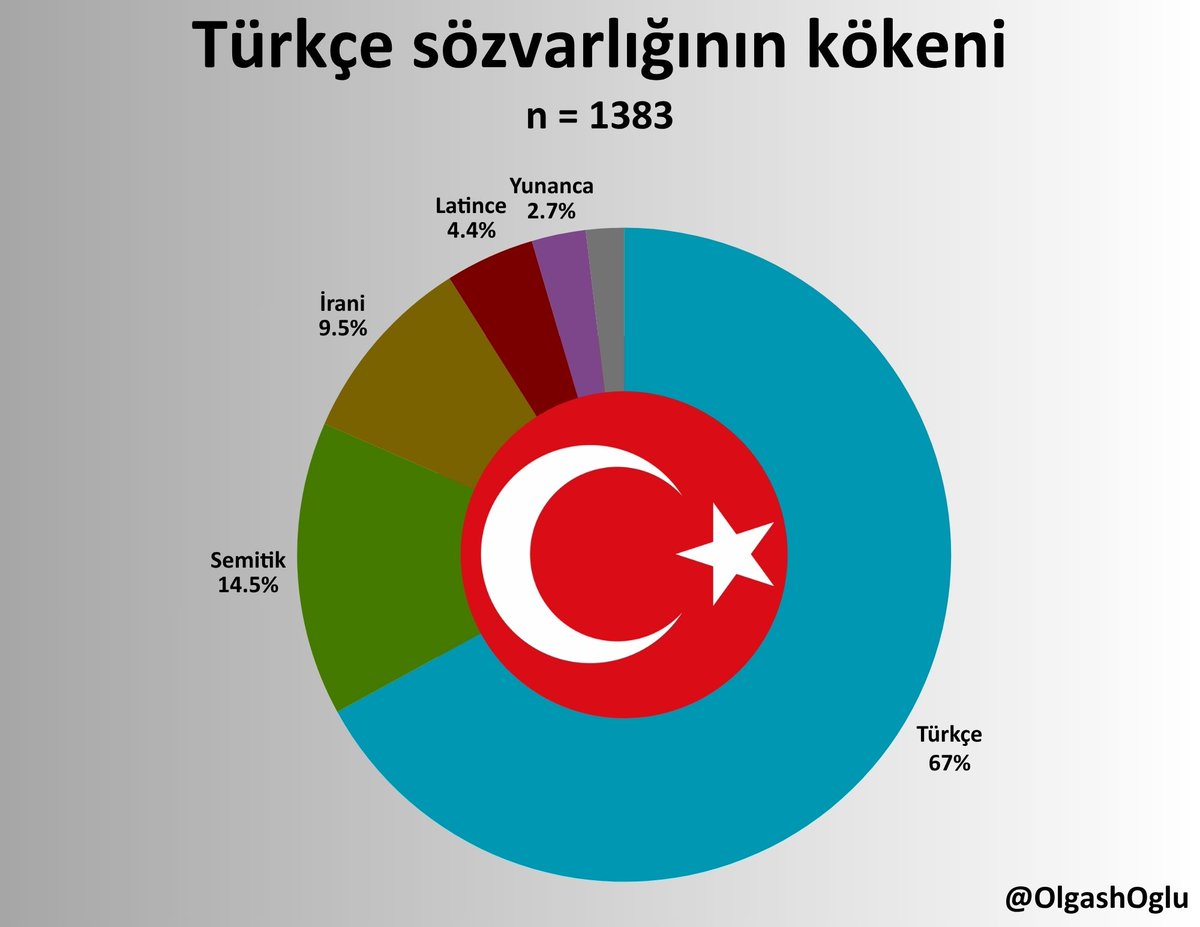
Burada yanıt verdiğim, yarım aklıyla Türkçeye laf etmeye kalkıp sosyal medyada gördüğü "Türkçeden Arapçayı çıkar Türkçe kalmaz kanka yha." lafını sayıklayan gereksizlere siz de kaynaklarıyla birlikte yanıt vermek istiyorsanız @OlgashOglu'nun hesabını takip edebilirsiniz.
#SONDAKİKA
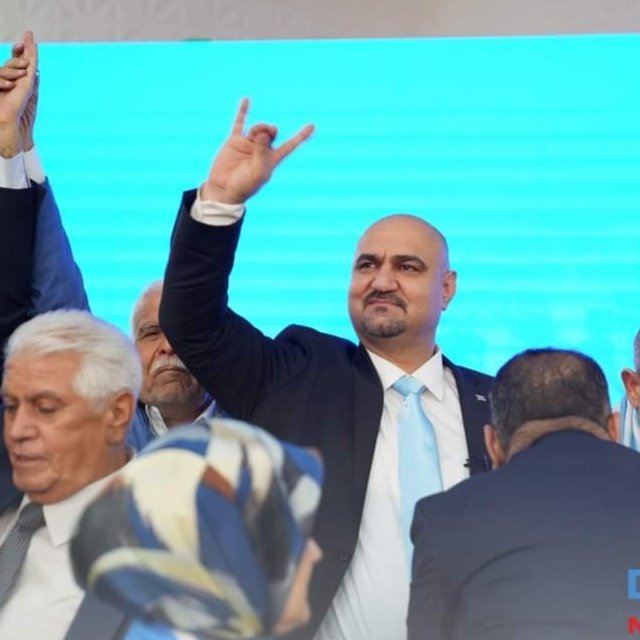
Kerkük'ü Türkler yönetecek!
Kerkük İl Meclisinde yapılan seçim sonucunda Kerkük Valisi, Türk milliyetçisi Irak Türkmen Cephesi Genel Başkanı Mehmet Seman Ağa oldu.
Yüz yıl sonra Kerkük'ü tekrardan Türkler yönetecek.
🌍 Sample Atlas Showcase — MADAI LABS
We are presenting 10 populations with a total of 233 samples covering Bronze Age & Iron Age cultures across parts of West Asia and the Eurasian Steppe.
🧬 Included cultural clusters:
Steppe (Indo-Iranian / Catacomb)
BMAC
Hurrian / Mitanni
Proto-Armenian / Urartian
Caspian-related groups
…and more
🗺️ With the MADAI LABS Sample Atlas, you can:
🔹 Create up to 10 custom clusters
🔹 Toggle convex hulls ON/OFF
🔹 Visualize large-scale population structures in real time
🔹 Explore genetic geography interactively
This allows a deeper understanding of how ancient populations were spatially structured and connected.
🚀 Built on real ancient DNA datasets
👉 https://t.co/XVYWfLtMnZ
Türkiye ve Azerbaycan'dan İran'ın Türk bölgesinde yer alan soydaşlarına yardım göndermesi lazım.
Milletten yardım toplanacaksa da herkes elinden geldiğince yardım malzemesi gönderecektir.
#GüneyAzerbaycanaİnsaniYardım
Hospitals in Gaza Reported Hit or Damaged
Major Hospitals
Al-Ahli Arab Hospital (Gaza City)
Al-Shifa Hospital (Gaza City)
Indonesian Hospital (Beit Lahia)
Al-Quds Hospital (Gaza City)
Al-Awda Hospital (Jabalia)
Nasser Hospital (Khan Younis)
European Gaza Hospital (Khan Younis)
Kamal Adwan Hospital (Beit Lahia)
Al-Rantisi Children’s Hospital (Gaza City)
Turkish-Palestinian Friendship Hospital (Cancer hospital, Gaza City)
Other Medical Facilities (Clinics / Units)
Multiple UNRWA health centers across Gaza
Various primary care clinics and ambulance facilities
Schools in Gaza Reported Hit or Damaged
UN Schools (UNRWA-run shelters)
Al-Fakhura School (Jabalia)
Al-Buraq School (Gaza City)
Abu Hussein School (Jabalia)
Al-Maghazi Preparatory School (Central Gaza)
Khan Younis Training Center (used as shelter)
Several other UNRWA schools used as shelters for displaced civilians
Other Schools
Al-Tabaeen School (Gaza City)
Various government schools across Gaza Strip
Multiple private schools damaged or destroyed
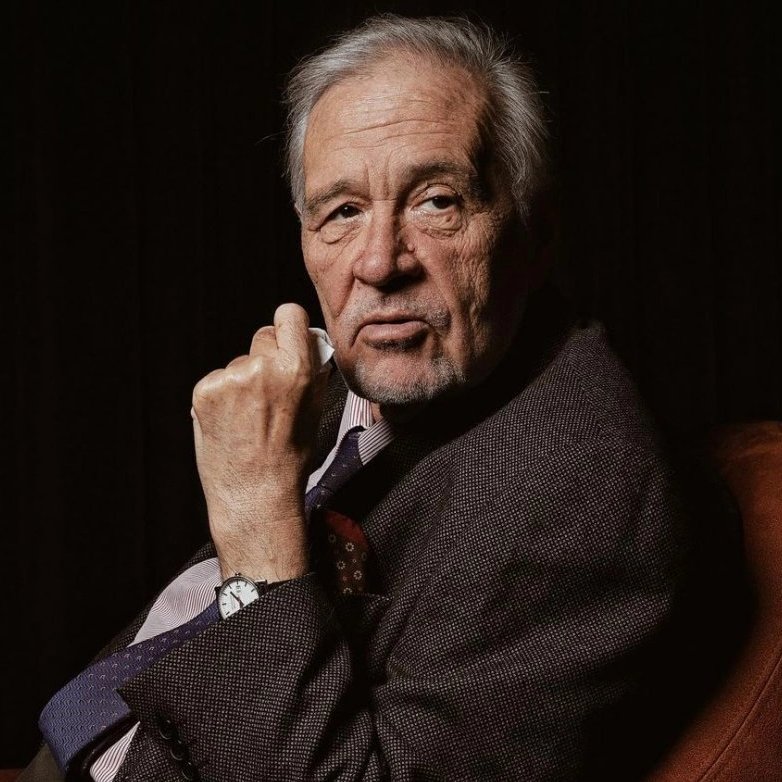
Hayatını kaybeden Prof. Dr. İlber Ortaylı'nın 2025 yılında katıldığı panelden kesit:
"Mühim olan şey, tayin edemeyeceğimiz bir ömrü verimli hale getirebilmek.
Huzursuz insanlar, verimli olamazlar.
Size mutluluklar, güzel tesadüfler diliyorum.”
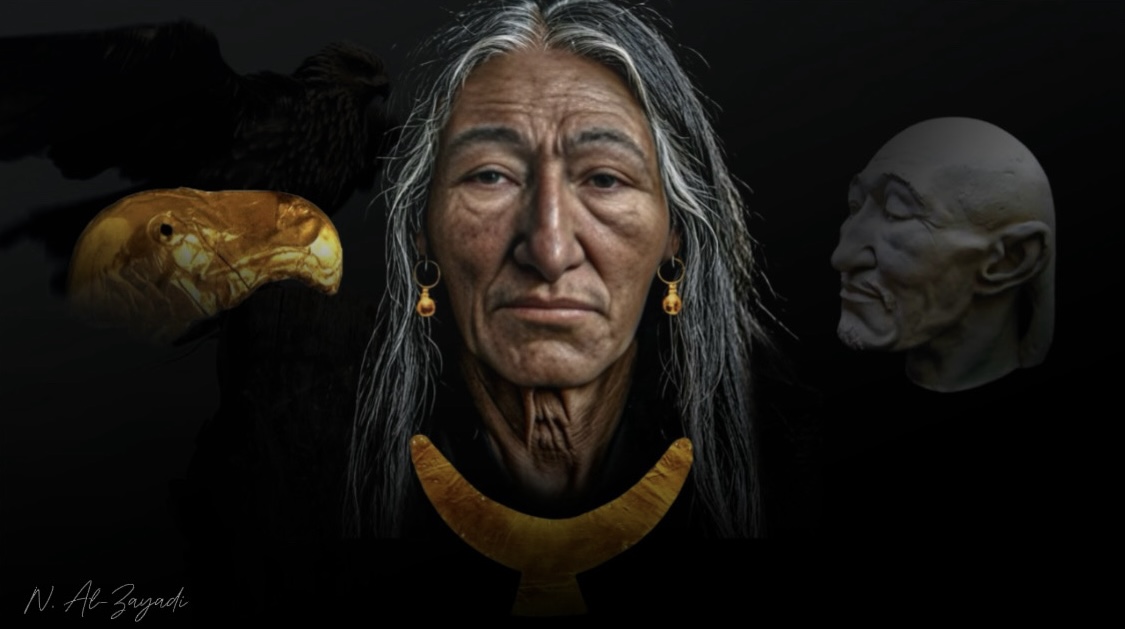
Macaristan'daki Kunbábony mezarında 2.5kg altın eşya ile keşfedilen erkeğin (A1802) Avar PRENSİ veyahut KAĞANI olduğu düşünülmektedir.
Sol gözünde bir körlük olduğu tespit edilmiştir.
Y:N1a1a1a1a3a
MT:D4j5a
İlgili makale⬇️
https://t.co/1OwSgCynd8
Balıkesir 9.Ana Jet Üssü'ne bağlı F-16 savaş uçağımızın kaza kırıma uğraması nedeniyle şehit olan Hv.Plt.Bnb. İbrahim Bolat'a Allah'tan rahmet, ailesi, silah arkadaşları ve milletimize baş sağlığı diliyorum.
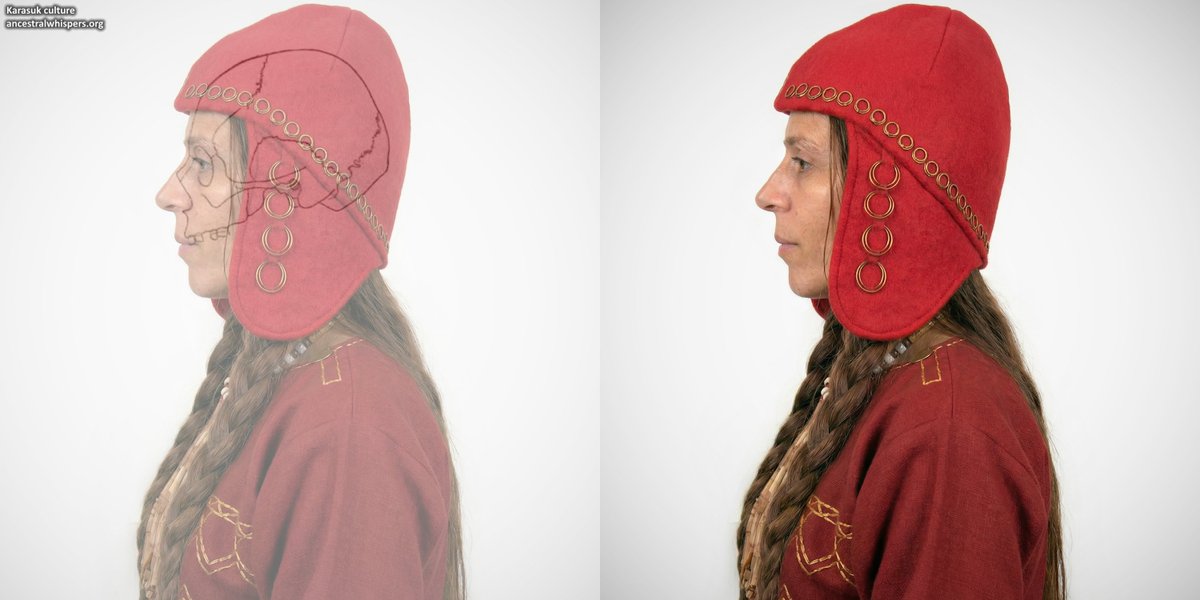
Facial reconstruction of a 3,400-year-old woman from Ust-Erba, Minusinsk
Most archaeologists consider that the Karasuk culture emerged as an offshoot of the Andronovo culture, especially its Alakul variant. Alakul groups likely migrated into the Minusinsk Basin from the southwest, supported by similarities in pottery, burial practices, and body positioning.
These migrants entered a region already inhabited by earlier Andronovo (Fedorovo) groups, possible remnants of the Okunevo culture, and northern foraging populations.
Archaeological evidence shows that the Karasuk people were primarily pastoralists herding cattle and sheep, with horses becoming increasingly important. However, they were largely sedentary, living in rectangular semi-dugout houses rather than as fully nomadic steppe herders. They are best known for their distinctive bronze weapons (“Karasuk bronzes”), which are central to discussions of Late Bronze Age metallurgy in Central and East Asia. Their metallurgical tradition developed from Seima-Turbino influences, was adopted by Andronovo groups, and later evolved into the Karasuk style, which spread eastward as far as Manchuria and northern China, even appearing in Shang-period burials. The Karasuk population also inherited chariot technology from Andronovo predecessors, as shown by petroglyphs and burial finds containing chariot fittings.
Often regarded as a key eastern Andronovo-derived culture and linked to later Scythian populations, the Karasuk people were genetically dominated by Steppe_MLBA ancestry, with additional Siberian and Altai contributions.
According to Georgy Debets (1948), The cranial series known at that time from the Karasuk culture differed from the preceding Andronovo series in several ways. Their faces were, on average, higher and narrower, so that the difference in the facial index was almost equal to the amplitude of its intergroup variation across the entire globe. Corresponding to the differences in overall facial shape, differences were also noted in the form of the orbits and nose. Nasal projection was smaller; on average, the nasal angle was no greater than in some medieval cranial series of Turkic nomads. The cranial vault was more brachycranial, which is mainly explained by shortening of the longitudinal diameter. Cranial height also became lower. The forehead was relatively somewhat narrower and more sloping than in Andronovo skulls, and the brow ridges were less developed.
Differences also affected the postcranial skeleton. The long bones of the Karasuk population were thinner than those of the Andronovo population at equal stature.
Traits such as a relatively flat nose, high face, sloping forehead, and comparatively weak brow ridge development point toward an Asian racial trunk. This appears to be contradicted by the relatively small facial width of the Karasuk series. However, large zygomatic breadth values are characteristic only of the Siberian branch of the Asian racial trunk. In the South-east of Asia, already during the Yangshao cultural period, narrow-faced Mongolid populations had formed. If it were possible to establish connections between the Minusinsk region and Southeast Asia during this period by other means, then the question of Far Eastern Mongolid population penetration into the Upper Yenisei would likely be resolved positively.
However, these new migrants were by no means the only population type in the Minusinsk region during the Karasuk period and can only be identified as an admixture component. Individual skulls display either isolated traits or combinations of features bringing them closer to Afanasievo, and possibly Andronovo, populations. No skulls fully combining all features of the narrow-faced Mongolid type have yet been found. The most typical combination for Karasuk burial grounds is a rather gracile Caucasoid facial skeleton combined with a brachycranial cranial vault. Overall, the series is very heterogeneous in racial composition, and for more precise conclusions, the number of skulls studied would need to be several times larger. Then it would likely be possible to determine more clearly which elements formed the Karasuk population in addition to the Far Eastern component. The available paleoanthropological material of the Karasuk culture gives the impression that the Far Eastern element entered the Minusinsk region already in a mixed form. The mixing probably began further to the south.
Decades later, after more Karasuk cranial series were discovered, anthropologists Alekseev and Gokhman (1984) described the Karasuk population as follows:
In Kazakhstan, populations belonging to the Andronovo morphological complex persisted into the Early Iron Age. However, in the eastern part of their range, they were replaced by groups associated with the Karasuk culture. Archaeological evidence indicates that the Karasuk culture had clear connections with the cultures of Northern China, which prompted investigations of these links using paleoanthropological materials (Debets, 1932). Nevertheless, despite evidence of some Far Eastern Mongolid admixture, Debets concluded that the Karasuk population was predominantly Caucasoid.
Debets emphasized that most of the Karasuk population belonged to the brachycranial Caucasoid type. Later studies of Karasuk skeletal remains (Alekseev, 1961; Rykus, 1976, 1980) confirmed similarities with brachycranial Caucasoid groups of Central Asia, united under the name of the Pamir-Fergana type. As for Mongolid elements in the Karasuk cranial series, they cannot be completely excluded. However, their presence is so minor that specific biological ties between the Karasuk population and Northern China are considered insignificant.