What can 21 days of continuous glucose and ketone data, recorded during a 1,000-mile cycling journey, reveal about managing type 1 diabetes on a ketogenic diet?
@idlake is a UK-based primary care physician who has lived with type 1 diabetes for more than 30 years. After two decades of conventional high-carbohydrate management, he adopted a very low-carbohydrate, ketogenic approach and began examining insulin not simply as a glucose-lowering medication, but as a metabolic hormone whose requirements are influenced by nutrition, exercise, sleep, circadian rhythm, hydration, and stress. His new book, Shifting Gears, documents the ride and the lessons he took from it.
Dr. Lake treated the journey as a 21-day personal experiment, wearing continuous glucose and ketone monitors while consuming roughly 20 grams of carbohydrate per day. In this conversation with @DominicDAgosti2, he shares what his data showed: an average ketone level near 1.2 mmol/L, daily insulin requirements declining from the mid-20s of units to around 16, and an episode in which glucose and ketones rose together after he had taken too little insulin.
Dr. Lake describes how, in his case, one unit of insulin brought his ketones from approximately 3.0 to 0.9 mmol/L within about 20 minutes. He and Dr. D’Agostino use the experience to explore the distinction between nutritional ketosis and diabetic ketoacidosis, the essential role of adequate insulin, and why ketone readings must always be interpreted alongside glucose levels and clinical context.
They also discuss insulin sensitivity during prolonged exercise, the practical challenges of adjusting insulin during endurance activity, and research suggesting that fat-adapted athletes may sustain high rates of fat oxidation at relatively high exercise intensities.
Questions Answered in This Episode
• What did 21 days of continuous glucose and ketone monitoring reveal during a ketogenic, 1,000-mile cycling journey?
• How did prolonged endurance exercise affect Dr. Lake’s daily insulin requirements?
• How is nutritional ketosis different from diabetic ketoacidosis, and what role does insufficient insulin play in DKA risk?
• What did Dr. Lake observe when his glucose and ketones began rising at the same time?
• How might fat adaptation influence fuel use and endurance performance?
• What are the practical limitations of continuous glucose and ketone monitoring for real-time insulin decisions?
This conversation offers a rare look at 21 consecutive days of glucose, ketone, insulin, nutrition, and exercise data, while also emphasizing that Dr. Lake’s experience is an individual case, not a substitute for personalized medical supervision.
Many people struggle with high A1c levels despite trying different diets and medications. The good news is there are simple steps that can lower your A1c naturally and meaningfully.
In this video I share exactly what works based on real patient results and physiology. If you or someone you know wants better blood sugar control without more pills, this is worth watching.
Watch: https://t.co/nIhyGbEkwJ
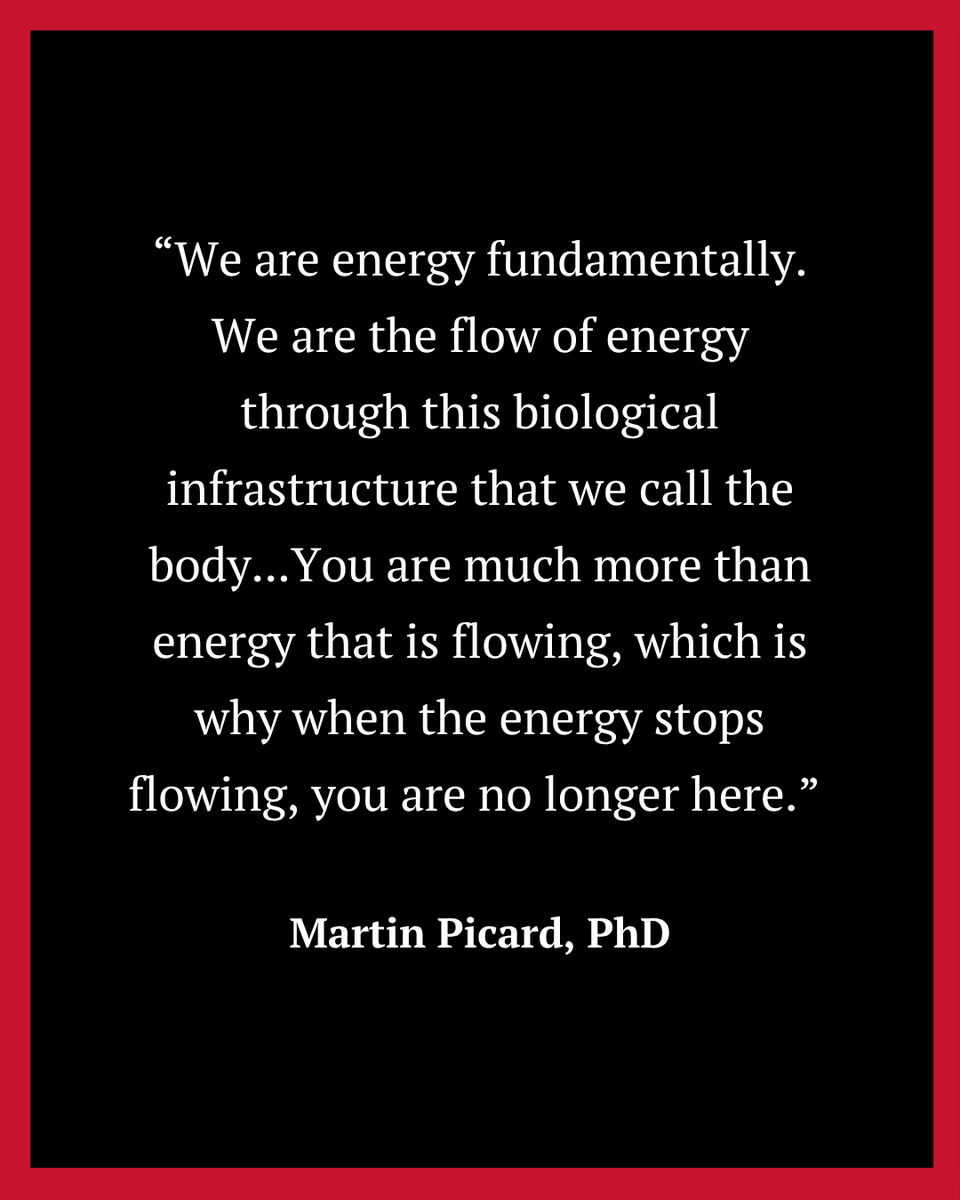
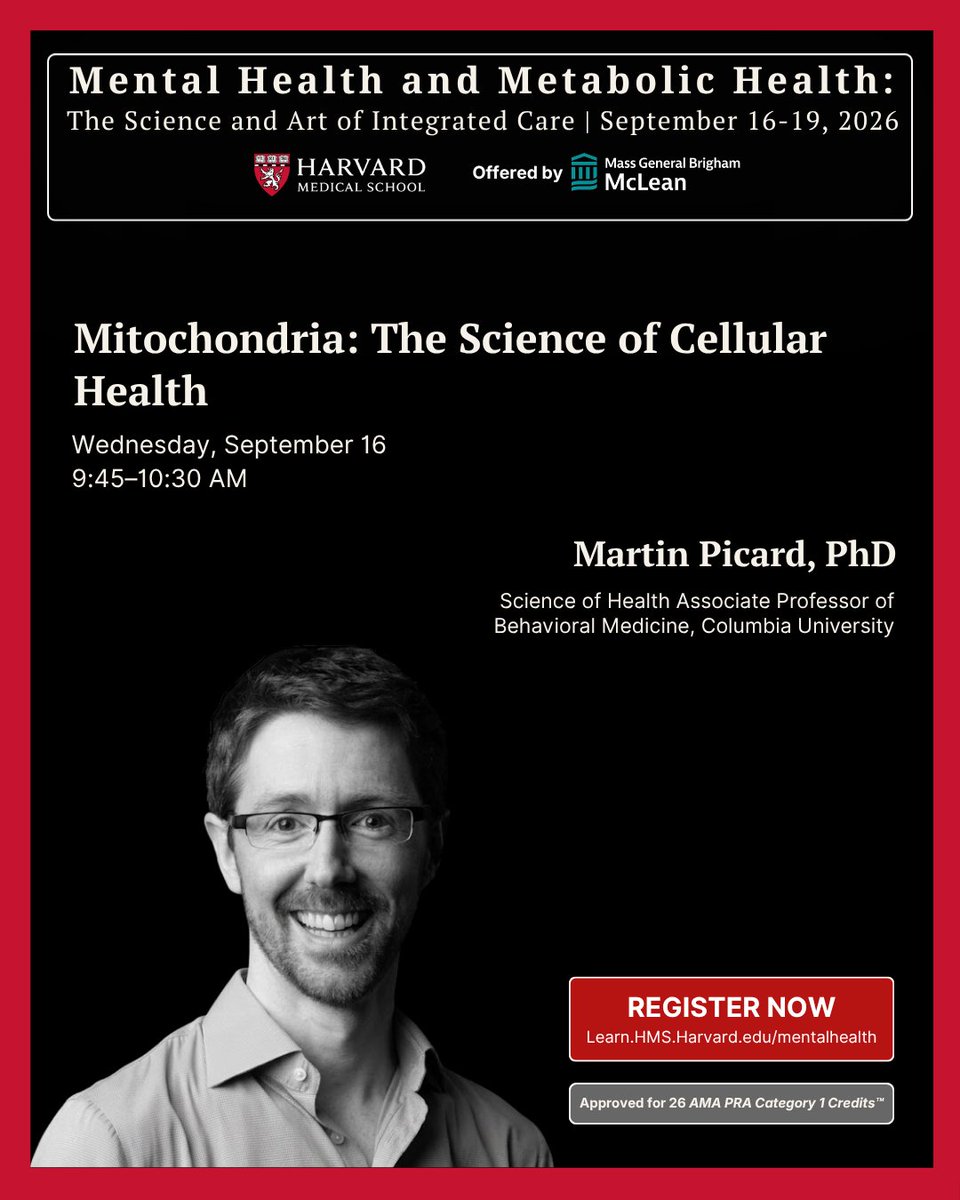
What if mitochondria are stress-sensitive signaling systems? Martin Picard, PhD, brings mitochondrial psychobiology to The Mental Health and Metabolic Health Conference: cellular health, stress, resilience, and brain-body communication.
@MitoPsychoBio
https://t.co/oe8InA1yj7
A1C has become the headline of metabolic health. While it's an important tool, it doesn't tell us everything about insulin resistance or overall metabolic health.
The goal isn't to focus on one number but to understand the whole picture.
better outcomes -> better understanding.
What would make a lifelong plant-based physician change the way she eats? 🌱
Dr. Jaimela Dulaney joins @bschermd to share the metabolic health journey that reshaped her perspective and why she now believes nutrition should be personalized, not one-size-fits-all.
各位2026 DSE 考生
未來有無限可能,世界很大,DSE 只係其中一站,希望大家繼續勇敢向前,多探索世界,尋找屬於自己的方向。
特別引用教宗良十四世的問候:
願平安與你們同在!
特別為你們祈禱。
#平安#2026DSE考生
Dear 2026 DSE Candidates,
The future is wide open, and the world is far bigger than any single examination. The DSE is only one stage of your journey. Keep moving forward with courage, explore the world with an open heart, and discover the path that is truly yours.
In the words of Pope Leo XIV:
“Peace be with you!”
You are all in my prayers. May God bless you always.
#DSE2026 #Peace
OUR 158th CASE OF DRUG FREE T2Diabetes REMISSION!!! and in the UK NHS! This has taken Andrew several years to achieve, at last a normal blood sugar, no drugs. He is VERY careful to avoid foods that put his blood sugar up HURRAH 🥳 🥳 Lost 16% body weight without GLP-1 jabs !
RFK Jr: "GROUNDbreaking HISTORIC WIN for American Health!"
"For the 1st time in history, doctors will finally get PAID to take patients OFF unnecessary medications...to DEPRESCRIBE harmful pharmaceuticals."
No more rewarding over-medication. This is the beginning of putting patients first, reversing polypharmacy, and delivering true healing.
Wellness over pills. Freedom over dependency.
Every American deserves the opportunity to age with dignity. At @InnovAge in Thornton, Colorado, I met seniors who are building friendships, receiving high-quality care, and remaining in their homes instead of nursing facilities. This is a model of healthcare that strengthens communities while delivering better outcomes.
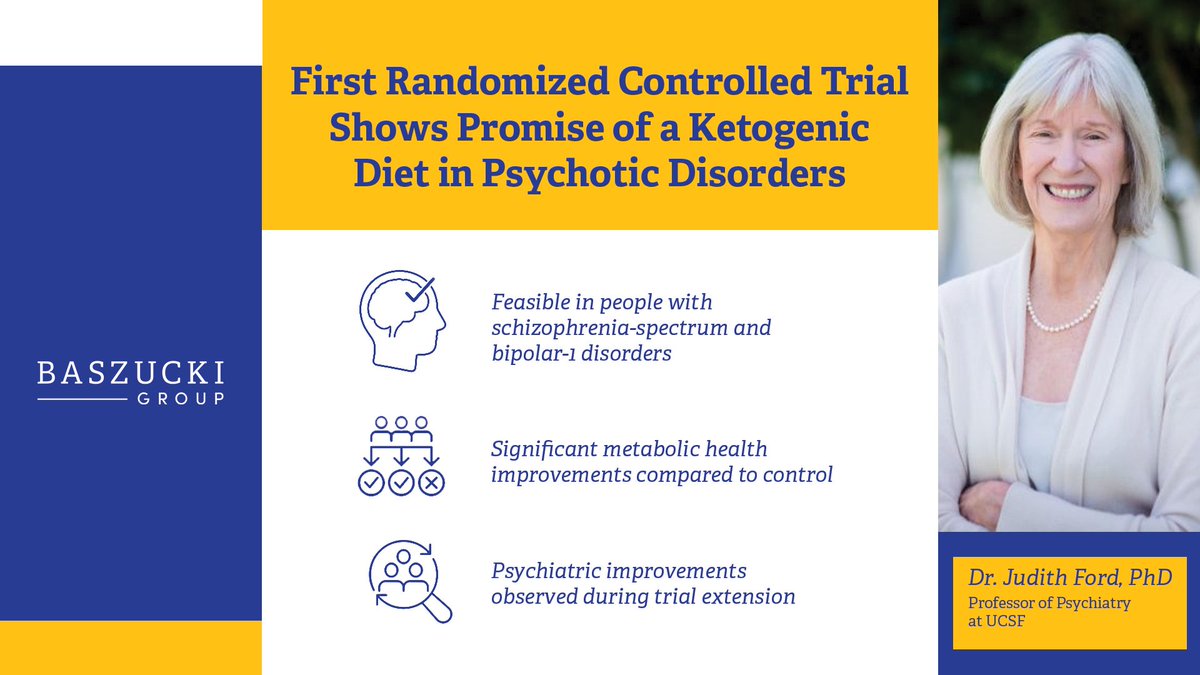
New findings published today in Schizophrenia Bulletin report results from the first randomized controlled trial of ketogenic therapy in people living with psychotic disorders, offering encouraging early evidence.
Led by researchers at @UCSF, including Judith Ford, PhD, Samantha Abram, PhD, Juliette Kyner, and colleagues, the study enrolled participants with schizophrenia-spectrum or bipolar I disorders. The trial, partly funded by Baszucki Group, found rapid metabolic improvements with a ketogenic diet compared to diet-as-usual during an initial one-month open-label RCT phase. Participants who continued in the optional four-month extension saw additional gains across metabolic, psychiatric, and cognitive measures.
“This study adds to a growing body of evidence suggesting ketogenic therapy is a feasible and safe approach worth further investigation in serious mental illness,” said @janellison, co-founder and president of Baszucki Group. “Continued investment in rigorous scientific research will be important to better understand its potential and expand the scope of future studies.”
Read the press release: https://t.co/64j5R78zwj
Read the paper: https://t.co/At3tkFJdQk
UK healthy life expectancy FALLS A Lot, WHY??? in 2022-2024 it was 60.7 years for men and 60.9 years for women, according to the Office for National Statistics (ONS). This was a drop of 1.8 and 2.5 years respectively compared with 2019 to 2021 POOR METABOLIC HEALTH because of junk food is a major contributor https://t.co/nmn1a9sFsh
The first RCT of the ketogenic diet as a treatment for schizophrenia and bipolar I disorder is now published!
Compared to diet as usual, keto participants were more likely to experience:
✅ Improved metabolic health (weight, HbA1c, and
insulin resistance)
✅ Improved psychiatric symptoms
✅ Improved cognitive performance
Stanford professor Judy Fan went on stage at MIT and broke down why humans are so good at making the invisible visible...
And why AI hasn't actually learned to "see" the way we do.
It completely changes how you think about Human Intelligence v/s Artificial Intelligence:
1. Nature never gave us straight lines or sharp corners. The number line, the coordinate plane, even basic geometry are all human inventions. We created tools that do not exist in nature simply because we needed a way to think more clearly.
2. The coordinate system Descartes invented solved a problem that had stumped mathematicians for centuries, doubling the volume of a cube. Once invented, this tool became so indispensable that virtually every math curriculum on Earth still depends on it.
3. Humans have been doing this for at least 30,000 to 80,000 years. The story of human progress is inseparable from the story of marking up our environment, from cave walls to Galileo's telescope to Feynman diagrams of particles we will never see with our own eyes.
4. Every major scientific breakthrough relied on a visual tool that made something invisible visible. Darwin needed side-by-side illustrations of finches to see variation that was otherwise too subtle to notice. Cajal needed detailed drawings of neurons under a microscope to map how the nervous system was wired.
5. Fan's research group studies something deceptively simple: how people decide what to put into a drawing and what to leave out. When two people played a drawing game, sketchers used far more detail when the target object had close competitors than when it stood alone, all the way down to using fewer strokes and less time when more detail was not necessary.
6. People are not just copying what they see. They are making constant judgment calls about what level of detail actually serves the goal of communication, and they do this naturally without ever being taught the theory behind it.
7. There is a real difference between drawing something so someone can identify it and drawing something so someone can understand how it works. In one study, participants drew explanatory diagrams that emphasized moving, causal parts of a machine while depictive drawings emphasized background and overall appearance, even though both were drawing the exact same object.
8. Explanatory drawings were genuinely better at helping someone figure out how to operate a machine, but worse at helping someone identify which machine it actually was. You cannot optimize a single drawing for both goals at once. Communication always involves tradeoffs.
9. AI vision models trained on photographs generalize surprisingly well to simple, sparse sketches, suggesting that resemblance based recognition is not just a story we tell ourselves. It is something modern neural networks can replicate with real accuracy.
10. But there remains a large, measurable gap between how confidently AI models recognize sketches and how confidently humans do, even when both groups answer the same questions about the same images. Humans are simply far more reliable and far more consistent in their judgments.
11. When researchers compared human-made sketches to AI-generated sketches under tight stroke budgets, both were similarly recognizable at higher budgets, but diverged sharply as the budget shrank. Humans and AI systems simplify drawings in fundamentally different ways once resources get scarce.
12. Reading a graph is not one single skill. It involves perception, knowing where to look, mapping that visual information onto the actual question being asked, and then translating that mapping into an answer. Each of these steps can independently break down, and people fail for very different underlying reasons even when they land on the same wrong answer.
13. When tested directly against humans on graph reading tasks, leading multimodal AI models, including GPT-4V, showed a meaningful performance gap. Even when a model's overall accuracy approached human levels, its pattern of mistakes looked nothing like how humans actually get things wrong.
14. People choose entirely different types of charts depending on what specific question they are trying to answer, not out of a generic preference for bar charts or scatter plots. Their chart choices closely tracked which visualization would genuinely help someone answer that specific question correctly.
15. Two of the most widely used graph literacy tests in education research turned out to correlate strongly with each other, suggesting they measure overlapping skills. But when researchers dug into the actual error patterns, the standard categories used in textbooks, like "find the maximum" or "identify a cluster," failed to explain why people got things wrong nearly as well as a more basic, underlying four-factor model did.
16. The deepest goal behind all of this research is not just academic curiosity. It is to eventually help students and everyday people develop genuine literacy with the visual tools that science and modern decision-making increasingly depend on, because every generation should be able to see further than the last by standing on the visual tools the previous generation built.
Follow @yasminekho for more ideas on thinking better, becoming clearer & building a more intentional life.
We are not amused. In type 1 diabetes, glucose is the symptom. Insulin is the treatment. But if we chase glucose with ever more insulin and stop asking why so much is needed, we risk making the patient SICKER with the very hormone keeping them alive.
Insulin is not a free ride.
Exciting to see @SciAm covering the growing clinical evidence behind ketogenic therapy for serious mental illness. Completed trials have already shown meaningful results, and more randomized controlled trials are underway testing the diet across a range of psychiatric conditions.
@Metabolic_Mind tracks this full body of evidence, including the recently published anorexia nervosa study and broader work in depression, bipolar disorder, and schizophrenia.
You can find the clinical evidence supporting metabolic psychiatry here: https://t.co/jgdlwJ6Jrn
We also offer clinical training and education, plus resources for peers and families navigating metabolic approaches to mental health.
When we learned about ketogenic therapy five years ago, there were no press articles describing how keto could help with serious mental illness.
Now one of the leading science journals in the country is covering the story. Thank you @sciam for this excellent article. Please forwared this to anyone in your life whose current psychiatric treatment isn't helping them thrive.