@UW_Archy269 Lately, my roommate and I have been addicted to the show “Wife Swap.” If you look past the drama, the show actually documents a lot of interesting archaeological information, displaying the way families live/what they own in different parts of the US. #UW_Archy269
history. Opening in 1907, it was initially a catholic youth home for troubled girls in the south wing, and an orphanage in the north wing. The orphans were transferred elsewhere in 1926, and in 1973 the building closed. It now serves mostly as a community center. #UW_Archy269
@UW_Archy269 One of my favorite places in Seattle is meridian park and the Good Shepherd Center. I used to do summer camps in the center, and as I got older I would hang out at the park with my friends all the time. It’s a very nostalgic place for me, but it also has a ton of
@UW_Archy269 the Spanish Civil War case study focused on using archaeology to give families of victims closure. With the identification of remains in mass graves using DNA and forensic archaeological techniques, people finally knew where their relatives were buried. #UW_Archy269
I can rely as much on public scholarship because it isn’t required to be peer reviewed. In psychology we’ve been reminded that even experts can be biased, and peer review is something that can counteract that. Not really a question, but I’m curious to hear thoughts #UW_Archy269
@UW_Archy269 For week 7 I wanted to bring up a general question I’ve been thinking about for a bit. I’m in a psychology research methods class right now, so validity is in my mind. I love that this class emphasizes the importance of public scholarship, but I sometimes wonder if
@UW_Archy269 since the pandemic, I have made an effort to make my home space both more cozy and more interesting– putting more on the walls, buying lots of plants, etc. I also try to keep my space cleaner because I have to spend so much in it. #UW_Archy269
@UW_Archy269 In the COVID-19 material culture article I noticed talk about studying social media. In many ways I think it has replaced some of our material culture. Do you think it will/should be studied more using archaeological or other anthropological methods? #UW_Archy269
@UW_Archy269 One item of material culture I can’t live without anymore are my contact lenses! I was too scared to get them for a while so I just lived with the blurriness, but now that I’ve seen the world through clearer eyes I will never go back. #UW_Archy269
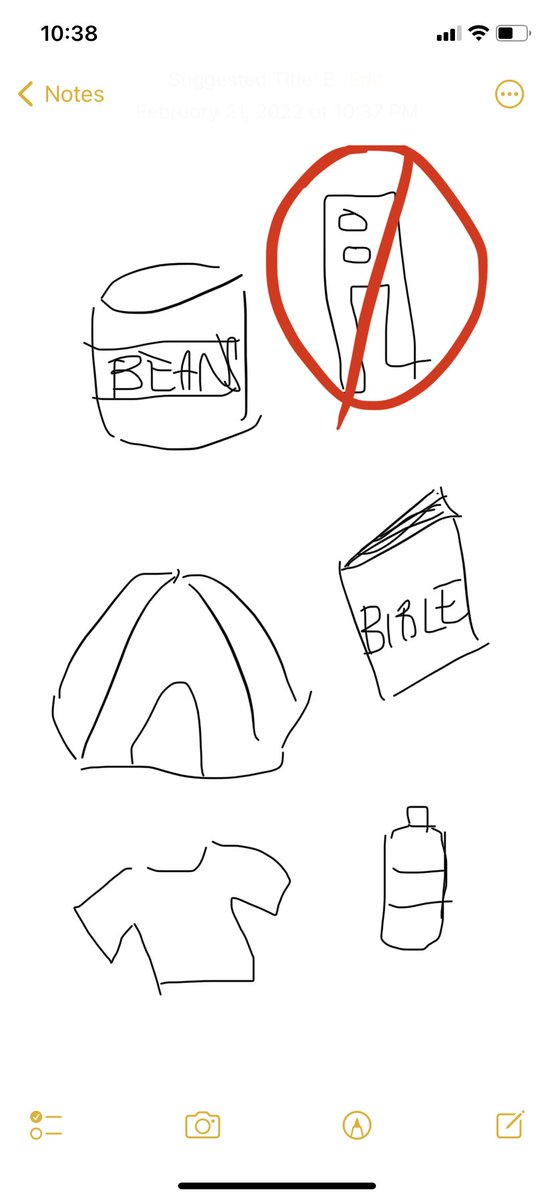
@UW_Archy269 I see Archeology a a way of understanding the ever changing human experience throughout time and place by examining material culture. It is important because it can reveal things that aren’t recorded in written history. #UW_Archy269 https://t.co/Jt243Lt9H5