This is probably a long shot, but if anybody happens to be in DC this weekend and plans on visiting Arlington, I would love to see a fresh photo of my husband’s grave in Section 60.
SSG Alan W. Shaw
Section 60, Grave 8451
B Co 1/12 Cav, 1st Cavalry Division
November 10, 1975 - February 9, 2007
There’s just something about knowing people still stop by, still say his name, still remember. 🇺🇸⭐🇺🇸
The release candidate for MCP 2026-07-28 is out. The protocol is now stateless: no handshake, no session id, any request can hit any server instance. Plus extensions as first-class (MCP Apps, Tasks), auth hardening, and a proper deprecation policy so we don't have to do this again.
https://t.co/XRLTu1BSkB
She wasn’t just part of the force, she was its most loyal pawfficer.
Jimmy, the devoted K9 attached to @cacharpolice, passed away following health complications
She served Assam Police with unmatched loyalty and heart.
Today, she was given a solemn farewell with full honours.
Read your last sentence (question) again and you’ll get the answer.
DO NOT DO NOT jump.
Marrying a wrong person is worse than dating 10 people.
Stop looking dating as some kind of character certificate, especially towards women
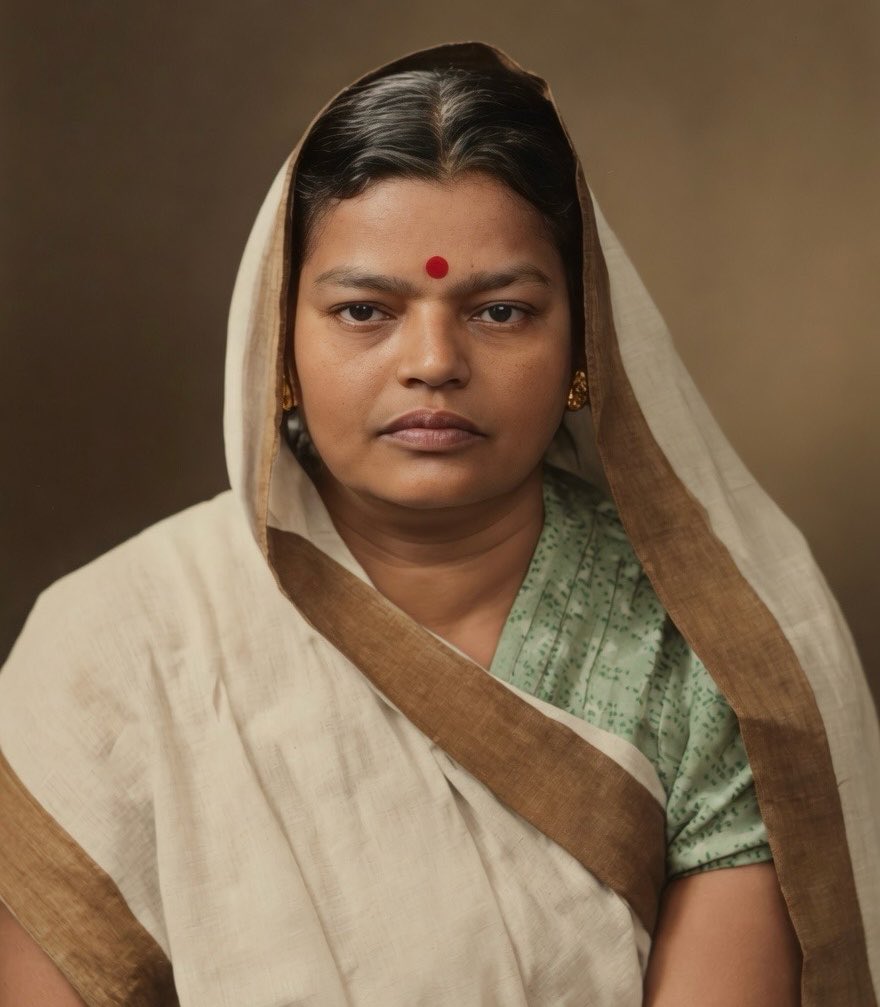
Her name was Subhadra Kumari Chauhan.
She was born on August 16 1904 in Nihalpur village, Allahabad. At nine years old she wrote her first poem. It was published in a national magazine.
At 16 she married and moved to Jabalpur. At 18 she was pregnant and leading protesters through the streets of Nagpur holding the Indian flag.
She was arrested. She became the first woman satyagrahi to be sent to jail in India.
She delivered her first daughter Sudha safely at home after her release. Then went back to the streets.
In 1942 the British came for her again. Her husband had already been arrested. She had five children. The youngest was a toddler with a cleft palate who could barely speak.
She prepared her eldest daughter to look after the younger ones. Left food for them. Then walked to prison carrying her sick youngest child in her arms.
Inside jail she gave up her own food to prisoners facing harsher punishment. She was released months later with a life threatening condition and underwent immediate surgery.
She later described all of this with humor. She said the garlands placed around her neck on the way to jail were so many that she made a pillow of them in her prison cell. They reminded her of the flowers on her wedding night.
Between arrests, pregnancies, court dates and protests she wrote 88 poems and 46 short stories.
Her most famous poem was Jhansi Ki Rani. The one every Indian child has read in school.
Khoob ladi mardaani woh toh Jhansi wali Rani thi.
She wrote it about a queen. She lived it herself.
On February 15 1948 she died in a car accident near Seoni, Madhya Pradesh, while returning from a legislative assembly session in Nagpur. She was 43 years old. A mother of five. A poet. A prisoner. A freedom fighter.
Today is Mother’s Day.
Most Indians know her poem. Almost none know her name.
Follow for stories India deserves to remember.
Even a healer is entitled to name his wound. Dr. Razdan’s weekly returns to Kashmir do not dissolve his exile, they embody its most heartbreaking dimension: returning as a guest to what was once home. Exile is not merely geography, it is the severing of belonging. To ask him to soften that word is to demand he continue healing others while quietly suppressing his own testimony. Remarkably, “Healer in Exile” is not an indictment, it is perhaps the most powerful rebuke of hatred conceivable. It declares: I was displaced, and I still came back to serve you.