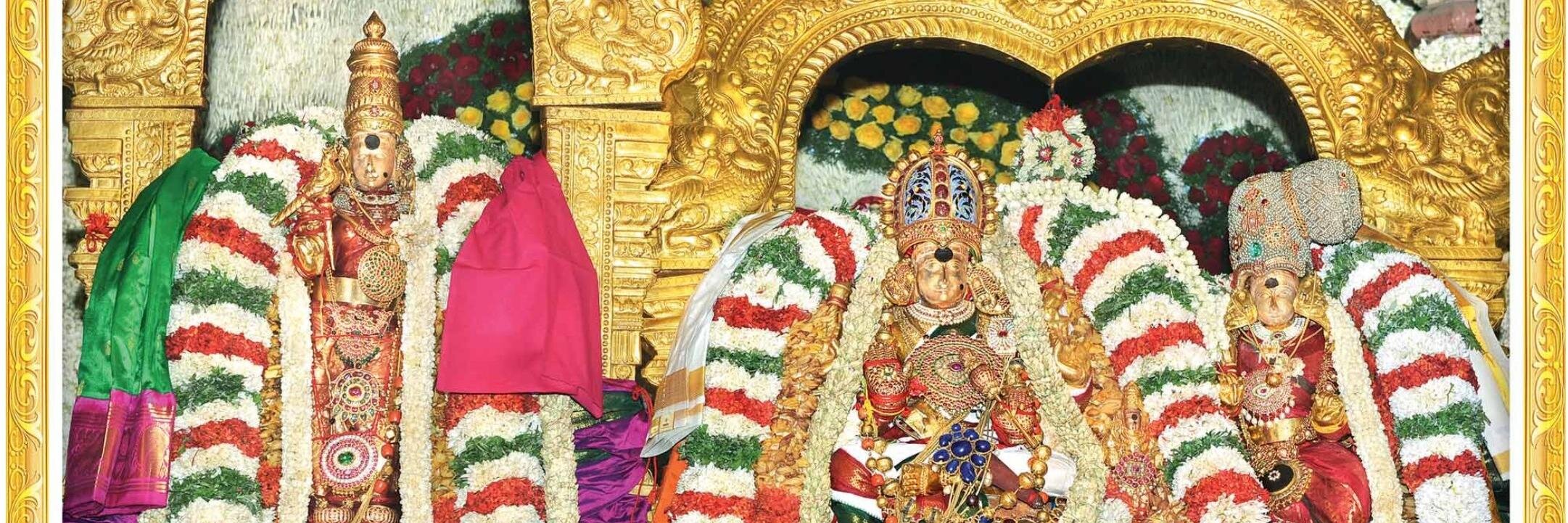
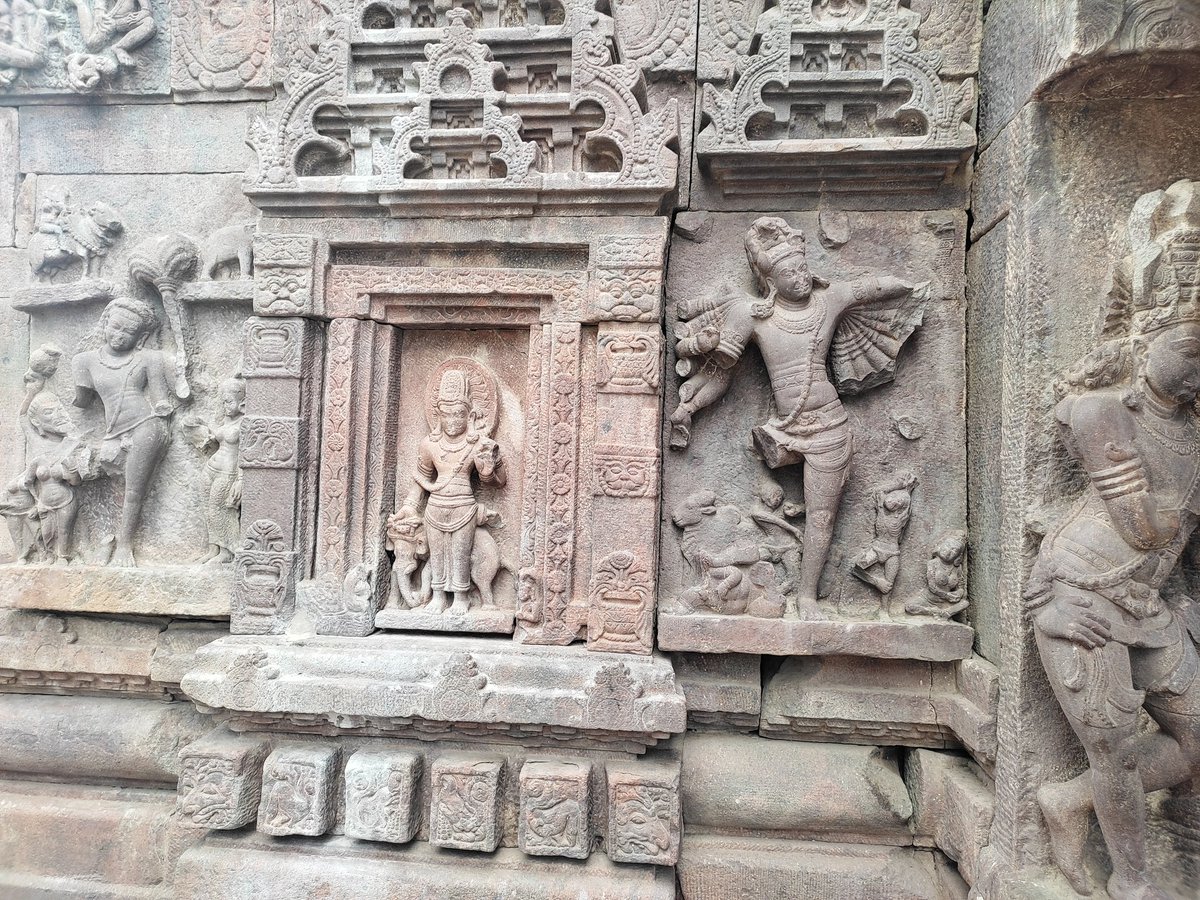
Nava Brahma temples of Alampur are wonderful architecture done to ruins by Sultans. Need a revival like Kashi corridor. Jogulamba has to bless it sooner.
2. Sea Peoples: This is an adaptation of the the mythical idea outlined in Hesiod's Works and Days and the Fragmentary Cypria that say that Zeus created the Trojan War to rid the earth of the race of Heroes
Wish to know how many poets in the west have written on Illiad & Odyssey in the last century.
SRI AUROBINDO wrote illion in the last century as an adaptation of Illiad & will be peerless if they make a comparison!
I'm really shocked to see how many people are defending Nolan's "Odyssey." Don't let the visuals fool you. It's very much a left-wing, ideological work.
Sinon (played by a trans actor) and Clytemnestra/Helen (played by an African actress) are innocent victims of men like Agamemnon, who use religion as a pretense for war, when what they really want is money. When we finally see Agamemnon without his flashy armor, he seems small and weak.
The worst: with Circe, we learn the truth of these men—they're pigs. I nearly groaned at how cheesy this moment was.
For Nolan, the only redeemable "hero" is the guilt-ridden Odysseus, atoning for winning the war. He fears coming home for what he himself unleashed in Ithaca. "Oh no, I'm the bad guy!" The film encourages self-flagellation over partaking in Agamemnon's imperial and capitalist system, murderous of trans people and people of color. It's that bad.
The key moment? Nolan has Odysseus caress Eurycleia on the chin, when we expect him to strangle her. Nolan effectively says: "I'm making this complex, angry, captivating hero gentler, sweeter." No more ὀδύσσομαι in Odysseus.
It's so shockingly on the nose and unsubtle. A deep work totally gutted of its meaning and turned into banal slop. Again, don't let the visuals fool you—nothing of the captivating meaning of Homer's Odyssey is to be found here.
பலூஜிஸ்தானின் இளம் பாடகி பாடிய
ஓம் நமசிவாய.. 🙏
பலூசிஸ்தான் தனது விடுதலையை அறிவித்த அந்த இரவில், ஒரு இளம் பலூச் பெண் மக்ரானின் சிவப்பு குன்றுகளில் ஏறிப் பாடினாள் —
அது அரசியலைப் பற்றியோ, எல்லைகளைப் பற்றியோ அல்ல, மாறாக அவளது பாலைவனத்தில் ஆயிரம் ஆண்டுகளாக உறங்கிக் கொண்டிருக்கும் ஹிங்லாஜ் மாதா கோயிலின் இறைவனான சிவபெருமானைப் பற்றியது.
அவளது குரல் ஆழமான, சினிமாத்தனம் மிக்க, துயரமும் மகிழ்ச்சியும் ஒரே நேரத்தில் இழைந்த ஒரு விசித்திரமான உணர்வைத் தந்தது —
அவளது மலைகள் எப்போதுமே அறிந்திருந்த பழங்கால மந்திரத்துடன் பலூச்சி கவிதைகள் உருகி இணைந்தன.
ஹர ஹர மகாதேவ்! 🔱✨"
#WATCH | Asansol, West Bengal | Sculptor Susanta Ray creates a wax statue of Argentina's star footballer Lionel Messi ahead of the final match of the FIFA World Cup between Spain and Argentina.
#WeLoveMessi 💙⚽️
One legend. One passion. One champion.
A tribute in sand to the man who turned dreams into history.
From Puri Beach, India, we salute Lionel Messi—a true football icon whose extraordinary journey continues to inspire millions around the world. His legacy is measured not only by the trophies he has won, but also by the joy, hope, and inspiration he has brought to generations of fans.
#Messi #LionelMessi #WeLoveMessi #FIFA #WorldCup2026 #Argentina #ArgentinaVsSpain #Football #GOAT #SandArt #PuriBeach #India
🇦🇷 ABSOLUTE MADNESS IN NYC RIGHT NOW!
🗽Times Square is completely overrun by Argentines — they shut down every street around it because the crowd is INSANE!
🔥 What’s going on?! This energy is next level!
As Keralam catches the ultimate football fever ahead of the grand Argentina-Spain finale. To ensure our young fans can enjoy the midnight thriller without worrying about school, College the next morning, the Government has declared a holiday for all educational institutions tomorrow. Stay up, cheer out loud, and enjoy the game.
#CMOKeralam #FIFAWorldCup #ArgentinaVsSpain #KeralamCelebrate
No. There is no Nolan's Odessey. What you are seeing is an abrahamic wallowing in selgf-guilt. Man is born a sinner and he will have to wallow in his guilt and grovel for deliverance. Don't read too much into the screenplay.
https://t.co/P7XRc6umQw
UP Chief Minister Yogi Adityanath visited his ancestral village, Panchur in Uttarakhand, to attend a family wedding.
This video shows him meeting his sister, Sashi Devi, after 35 years. Having embraced the life of a Yogi and renounced family ties, there are no emotional embraces or tears. Instead, she respectfully bows to touch his feet from a distance, and he blesses her.
The happiness and pride on her face are evident from her expressions.
Yogi jis sister runs a small shop selling prasad and flowers in Kothar village, near the Neelkanth Mahadev Temple in Pauri Garhwal district, Uttarakhand.
This video teared me up.
#Ilaiyaraaja talks about how the metre used by Tamil saint Thiru Gnana Sambandha travelled to the north & similar to that of "Sharanam Bhava Karuna.." (by Narayana theertha, though he mentions Jayadeva).
But without a pinch of separatist regional supremacy.
Just cultural unity!
I thought I would write a bit more about The Odyssey after two days of reflection. Nolan seems to have created an anti-Homer interpretation of the epic.
Homer's Odysseus is a courageous and crafty man. His first reference in the saga (Samuel Butler translation) is as "that ingenious hero who travelled far and wide after he had sacked the famous town of Troy". But Nolan's warrior carries tonnes of post-modern guilt of having "cheated" the Trojans into defeat through that giant wooden horse trick, violating Zeus' Law.
The king of gods mandated that you must treat guests as gods (in the off chance that they really could be gods), and guests should likewise be nice to welcoming hosts.
Odysseus' plan had worked perfectly. The Trojans had decided that the Greeks had sailed away and left the horse at Troy's gates as a gift. They parked the horse inside their city. Then in the dead of night, Greek soldiers hidden in the horse's belly sneaked out, opened the city's gates to let the full army in, and slaughtered the Trojans, thus betraying their hospitality. And Nolan's hero never came to terms with this subterfuge.
In the film, Odysseus is even told by helpful goddesses that it's this guilt that's preventing him from returning home to Ithaca—he is lost in the labyrinths of his mind.
As I have posted before, Homer's Odysseus feels Zero Remorse for his Trojan horse brainwave or doubt about the righteousness of the war. He would possibly have been first puzzled and then mightily amused by such aching-heart 21st century angst.
A prince of Kingdom T ran away with your friend's wife and T refuses to give her up. Ergo, it's your duty to help your friend punish T and get her back. What can be simpler than that to men of 1200 BC? Or women, including Helen of Sparta/ Troy, who returned docilely to her husband Menelaus after the war and lived happily ever after?
But Nolan imposes on these men his own notions of honour, valour and gender.
The paranoid witch Circe (a dumpy aging spinster here instead of the sexy babe who seduced Odysseus) justifies her turning Odysseus' men into pigs by telling us that all men are anyway pigs in disguise.
Calypso, literally the original nymphomaniac but here a middle-aged amateur psychotherapist, sets Odysseus free with a deep sigh of lost longing, whereas in Homer, she let him go extremely reluctantly, after Zeus threatened her with dire consequences.
Most importantly, we get a key character called Sinon, who (I read up on him) doesn't appear in Homer, but in Virgil's Aeneid and is later referred to in Dante's Inferno and by Shakespeare.
According to Virgil (who gives us the full account of the fall of Troy, not Homer), he is Odysseus' field agent who cunningly deceives the Trojans into taking the wooden horse inside their city, thus dooming themselves. Both Dante and Shakespeare refer to him as the embodiment of treachery.
But Nolan's Sinon is an innocent patsy who is sneakily drafted into the army and then left behind by Odysseus as the fall guy who doesn't even know what's inside the horse. The Trojans kill him anyway.
Sinon keeps popping up in Nolan's film, as a symbol of the ultimate "expendable" in a war. Definitely not what Western texts have thought of him for 3000 years.
There's also some profound statement that Nolan is making by casting Elliott Page, a biological woman who insists on he/him pronouns, as this hapless victim. Whatever that statement is, it's gone clean over my head.
But we get an upbeat ending. Odysseus is now a man at peace with himself, having decided that Zeus' Law doesn't really apply to the guests hanging around in his palace seeking his wife's hand in marriage, and killed everyone who disagreed. Didn't really matter that for half that fight, he was armed to his teeth and his adversaries were not.
He regains his kingdom, places his son on the throne, and announces the end of the Bronze Age.
Now where did that bronze business come from? Was someone forging some iron in some deep IMAX cave somewhere? Wasn't that big bad horse made of wood? The metal swords wielded by all parties in the film seemed to be chopping heads off pretty efficiently; the arrows seemed to be going through throats just as promised. But I guess, as the Pharaoh said in The Ten Commandments: "So it shall be written. So it shall be done."
It is absolutely apt that this pompous but confused film reaches its peak of pretentiousness in the very last scene where the reunited Odysseus and Penelope set off happily on a journey of exile to the west "chasing the escaping sun" where the Elysian Fields lie, assuring each other with full confidence: "Civilisation shall rise again" and "A new dawn will break through the darkness."
Yes, they actually say this rubbish! Phir subah hogi.
Odyssey is in news, so here's something about Achilles that I discovered only recently. Prior to reading Stephen Fry's 4-book series on Greek mythology (Mythos, Heroes, Troy, Odyssey), my limited awareness of Achilles was related to
'Achilles Heel'. After reading the books, I realized that Achilles was one of the greatest and mightiest warriors in Greek mythology and played a pivotal role in the Trojan War.
But, it turns out that his mother, the divine sea nymph Thetis, presented him with two choices:
1. A short, glorious life: Fight in the Trojan War, achieve immortal fame and undying glory (kleos), but die young.
2. A long, anonymous life: Return home to Phthia, live to an old age in peace and obscurity, and eventually be forgotten.
He knowingly chooses the first.
Later in Odyssey, Odysseus meets Achilles in the Underworld (where Achilles' soul resides after his death). While Achilles does not explicitly say, "I chose wrongly" or reflect on those two alternatives, he does utter one of the most famous lines in Greek literature: "Do not try to comfort me about death... I would rather be a hired servant to a poor man on earth than rule over all the dead in the Underworld".
This is a profound shift in perspective. The greatest warrior, who sacrificed a long life for a shorter life and eternal glory, now says that peaceful, obscure life is preferable to the greatest death.
To be sure, Achilles does not renounce glory. His fame has endured exactly as promised. Nor does he explicitly regret choosing a short life. But his choice and eventual regret does offer a valuable lesson that continues from my post yesterday, on the meaning of ordinariness and contentment.
Achilles spent his life rejecting the ordinary in pursuit of immortality. In death, he discovers that the ordinary was the only thing truly worth having. Our civilization consistently mistakes the extraordinary for the meaningful. But recovering the ability to see wonder in the ordinary is what we missed. Homer seems to arrive at the same place. After celebrating the greatest hero who ever lived, he lets that very hero admit that a nameless laborer with another sunrise is richer than the most celebrated man in history who has none.
There is a good chance that the pichChilu~Nga's mahAmlechCha's are planning or have already put in place a major subversion operation in the desh. Hopefully, the lATanaresha's sahAyaka-s are ready to mitigate it when the trigger is pulled. The mlechCha objective would be set the H back by at least a decade.
Nem plana e nem uma bola perfeita da NASA: A Terra é esse geoide todo deformado. Os terraplanistas vão entrar em colapso total com essa realidade ou vão dizer que a gravidade também é uma conspiração inventada? 🌍🤯
2 Indians I remember for Odyssey
VVS Aiyer had brilliantly put a comparison of Homer's Illiad and the Kamba Ramayana,could easily recite verses of Homer's epic in Greek with the same intonation as required for the War lyrics!
Another was Sri Aurobindo who wrote Illion !
Christopher Nolan reveals the exact shot he had to wait two decades to film after being rejected from the original Troy movie
"That's an image that I had had in my head for about 20 years"
"I'd been briefly attached to direct Troy, which was David Benioff's script based on the Iliad, and he had included the Trojan horse in that script"
"I came up with this idea of the horse kind of sinking into the sand, about to be destroyed by the waves"
"sort of the last thing you would imagine was intended to be, you know, dragged into the city"
"to see it there, sort of fully realized, the way I... very much the way I'd imagined it all those years ago, and finally get to do that... yeah, that was a special moment"
"I felt that sense of privilege as I drove in the morning over the sand dunes on the beach in Morocco for the first day shoot"
In 1930, the dark, cavernous inner sanctum of the Brihadeeshwara Temple in Thanjavur holds a massive secret. For nearly a 1000 yrs, a series of exquisite, large-scale murals painted during the height of the Chola Empire had been completely lost to history. They were buried under a thick, crude layer of 17th century Nayak era paint & centuries of black soot from oil lamps.
When historians finally discovered the hidden Chola paintings beneath the top layer, the ASI faced a terrifying technical nightmare: How do you peel away a 300 yr old layer of paint to reveal a 1000 yr old masterpiece beneath it, w/o destroying either one?
Traditional archaeologists were completely out of their depth. They tried scraping it, but the ancient plaster crumbled into dust. They needed a scientist. Specifically, they needed a young man named Srinivasan Paramasivan, who had just been hired as a mid level chemical assistant at the Government Museum in Madras.
Paramasivan did not treat ancient art as a matter of aesthetics; he treated it as a problem of pure chemistry, material science & geology. Working inside a tiny, damp lab at the Madras Museum with next to no budget, he realized that to save the paintings, he had to reverse engineer exactly how the ancient masters created them.
He pioneered a highly meticulous method of micro-chemical analysis. He chipped off microscopic flakes of the plaster, smaller than a grain of sand & subjected them to rigorous tests to analyze the binding media, the moisture content & the chemical composition of the pigments.
His findings completely rewrote the history of Indian art. He proved that unlike the secco technique (painting on dry plaster) common in later Indian periods, the Chola masters used the incredibly difficult true fresco (fresco buono) technique. They painted directly onto wet, freshly laid lime plaster, causing the pigment particles to chemically fuse inside the limestone as it dried.
Armed with this chemical truth, Paramasivan designed a delicate, specialized solvent mixture. He carefully brushed it onto the top Nayak layer, softening it just enough so it could be mechanically separated & rolled back like a sticker, exposing the pristine, brilliant 1000 yr old Chola colors underneath. It was the 1st time in global archaeology that a dual layer of ancient frescoes had been successfully separated w/o losing the art.
Paramasivan's next massive, hidden triumph involved India's iconic Chola Bronzes. By the late 1930s, ancient bronze statues of Nataraja & other deities stored in museums & temples across South India were actively dying. They were covered in a bright green, flaky crust known to curators as "Bronze Disease."
This is not ordinary rust. It is a highly destructive electrochemical reaction that occurs when buried copper alloys come into contact with chlorides & moisture. Left unchecked, the metal literally eats itself from the inside out, turning priceless, intricate sculptures into piles of green powder.
Western museums solved this by scraping the statues down/using aggressive acid baths, which stripped away the beautiful, historic "patina" (the dark, protective skin the metal naturally develops over centuries). Paramasivan flatly refused to deface the statues. Instead, he pioneered an incredibly elegant electrolytic restoration method.
He submerged the fragile, corroded bronze deities into a customized chemical solution, wrapped them in a gentle wire mesh & ran a highly controlled, very low-voltage electrical current through the bath for weeks at a time. The electrical current reversed the chemical oxidation process, forcing the destructive chloride ions to detach from the statue & migrate toward the wire mesh.
When the statues emerged from his bath, the destructive disease was completely eradicated, but the gorgeous, original, dark historic patina remained perfectly intact. He had saved the soul of the bronze using basic electrochemistry.
Paramasivan eventually rose to become the Archaeological Chemist of the ASI, publishing his groundbreaking research in elite global journals like Nature & Technical Studies in the Field of the Fine Arts.
Yet, to his neighbors & his domestic circle, he never looked like a pioneer. He lived a fiercely disciplined, intensely quiet life, rarely boasting about his international publications.
Long before modern universities offered degrees in "Archaeological Science," a quiet man in a modest house in Madras was using electrochemistry, geology & physics to rescue India's greatest artistic legacies from turning into dust.