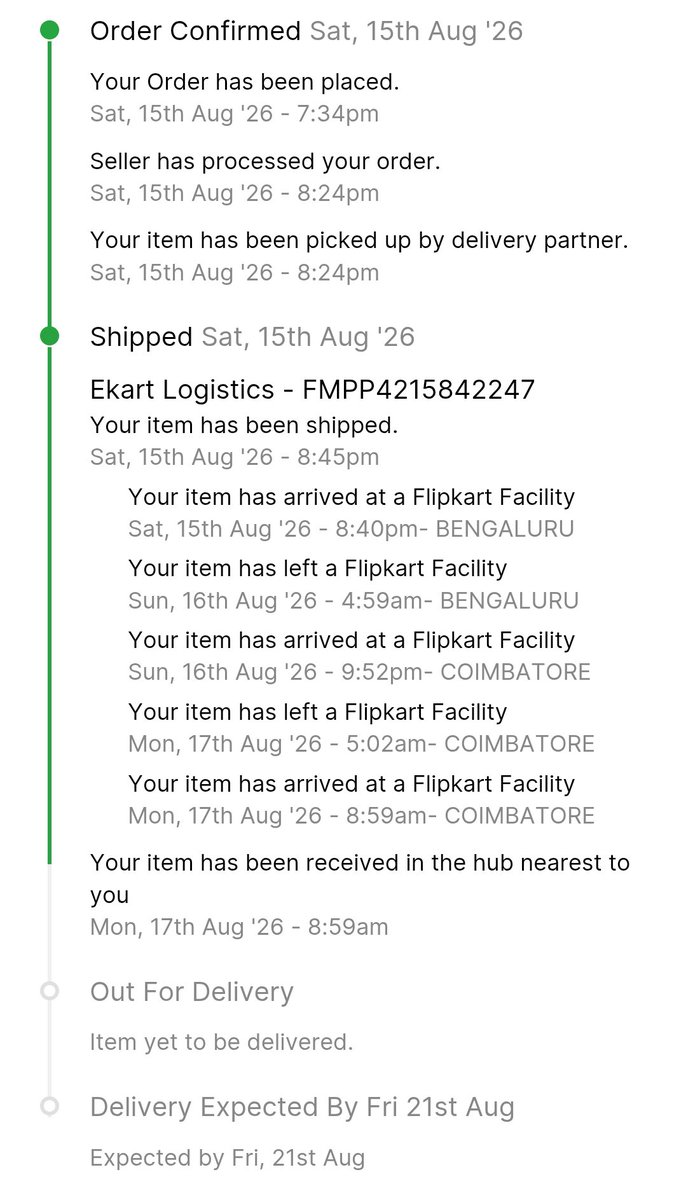
@flipkartsupport All the details already avble in my profile & order history.I need a proper and transparent explanation for the delay in delivery.If I don’t receive a satisfactory response,I will have no option but to raise a formal complaint against @Flipkart and explore the legal options avble
@Flipkart I placed an order through the application, and the product was originally expected to be delivered on 17th August. However, it is now 21st August, and the expected delivery date keeps getting postponed without any proper explanation.
@Flipkart@Flipkart If you are unable to fulfill the commitment, why do you make such offers in the first place? As a customer, I expect the company to honor the promises and delivery timelines communicated at the time of purchase.
@flipkartsupport@Flipkart I would also like to clarify that I contacted customer support via chat option available on the application. Unfortunately,instead of providing clear and specific reason for the delay, the support team gave vague and irrelevant responses that did not address my concern.
@Flipkart I have tried contacting customer support multiple times, but unfortunately, I have only received vague and unsatisfactory responses without any clear information about the actual status of my order.
ನಾವು ಇಪ್ಪತ್ತೊಂದನೇ ಶತಮಾನದ ಯಾವುದೇ ಮಹಾನಗರಕ್ಕೆ ಹೋಗೋಣ—ಅದು ಬೆಂಗಳೂರು ಇರಲಿ, ನ್ಯೂಯಾರ್ಕ್ ಇರಲಿ, ಲಂಡನ್ ಅಥವಾ ಸಿಂಗಾಪುರವೇ ಇರಲಿ. ಅಲ್ಲಿನ ವಿಮಾನ ನಿಲ್ದಾಣದಿಂದ ಹೊರಬಂದು ರಸ್ತೆಯಲ್ಲಿ ನೋಡಿದರೆ, ಜನರನ್ನು ಅವರ ಬಟ್ಟೆಯಿಂದ ಗುರುತಿಸುವುದು ಕಷ್ಟ. ಎಲ್ಲರೂ ಜೀನ್ಸ್, ಟೀ-ಶರ್ಟ್, ಸೂಟ್-ಬೂಟು ಧರಿಸಿ ಒಂದೇ ರೀತಿ ಕಾಣುತ್ತಾರೆ. ಆಧುನಿಕತೆ ಎಂದರೆ ಪಾಶ್ಚಾತ್ಯ ಉಡುಪು ಧರಿಸುವುದು ಎಂಬ ಅಲಿಖಿತ ನಿಯಮ ಜಗತ್ತನ್ನೆಲ್ಲ ಆವರಿಸಿದೆ.
ಆದರೆ, ನೀವು ಒಮಾನ್ ದೇಶದ ಮಸ್ಕತ್ ವಿಮಾನ ನಿಲ್ದಾಣದಲ್ಲಿ ಇಳಿದು ಹೊರಬಂದರೆ, ನಿಮಗೆ ಕಾಣುವುದು ಒಂದು ವಿಶಿಷ್ಟವಾದ ದೃಶ್ಯ. ಅಲ್ಲಿ ಕಣ್ಣು ಹಾಯಿಸಿದಷ್ಟು ದೂರವೂ ಶ್ವೇತ ವರ್ಣದ ಉದ್ದನೆಯ ಅಂಗಿ ಧರಿಸಿದ ಪುರುಷರು ಮತ್ತು ಕಪ್ಪು ಬಣ್ಣದ ಉಡುಪಿನಲ್ಲಿರುವ ಮಹಿಳೆಯರು ಕಾಣಸಿಗುತ್ತಾರೆ. ಜಗತ್ತು ಎಷ್ಟೇ ಮುಂದುವರಿದಿರಲಿ, ಒಮಾನ್ ಮಾತ್ರ ತನ್ನ ವೇಷಭೂಷಣದ ವಿಷಯದಲ್ಲಿ ಒಂದಿಂಚೂ ರಾಜಿ ಮಾಡಿಕೊಂಡಿಲ್ಲ. ಇಲ್ಲಿ ಆಧುನಿಕತೆ ಬಟ್ಟೆಯ ರೂಪದಲ್ಲಿ ಸೋತು ಶರಣಾಗಿದೆ!
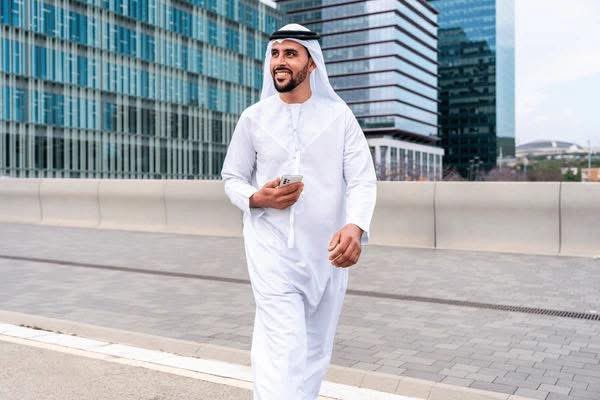
ಒಮಾನಿ ಪುರುಷರು ಧರಿಸುವ ಆ ಉದ್ದನೆಯ, ಪಾದದವರೆಗೂ ಇರುವ ಅಂಗಿಯನ್ನು 'ಡಿಷ್ದಾಷ' ಎಂದು ಕರೆಯುತ್ತಾರೆ. ಇದು ಕೇವಲ ಬಟ್ಟೆಯಲ್ಲ, ಇದೊಂದು ತತ್ವ. ನೀವು ಅಲ್ಲಿನ ಸುಲ್ತಾನರನ್ನು (ರಾಜರು) ನೋಡಿ ಅಥವಾ ಸಾಮಾನ್ಯ ಟ್ಯಾಕ್ಸಿ ಡ್ರೈವರ್ ಅನ್ನೂ ನೋಡಿ, ಎಲ್ಲರೂ ಧರಿಸುವುದು ಅದೇ ಬಿಳಿ ಡಿಷ್ದಾಷ. ಶ್ರೀಮಂತನ ಬಟ್ಟೆ ಹೆಚ್ಚು ರಂಗಾಗಿರುವುದು, ಬಡವನದ್ದು ಸರಳವಾಗಿರುವುದು—ಹೀಗೆ ಅಲ್ಲಿಲ್ಲ. ಬಟ್ಟೆಯ ವಿಷಯದಲ್ಲಿ ಎಲ್ಲರೂ ಸಮಾನರು ಎಂಬ ಮಹಾನ್ ಸಂದೇಶ ಇದರಲ್ಲಿದೆ. ಒಮಾನ್ ಒಂದು ಬಿಸಿಲಿನ ನಾಡು. ಈ ಬಿಳಿ ಬಣ್ಣದ ಹತ್ತಿಯ ಬಟ್ಟೆ ಸೂರ್ಯನ ಶಾಖವನ್ನು ಪ್ರತಿಫಲಿಸಿ, ದೇಹವನ್ನು ತಂಪಾಗಿರಿಸುತ್ತದೆ.
ಡಿಷ್ದಾಷದ ಕುತ್ತಿಗೆಯ ಭಾಗದಲ್ಲಿ ಒಂದು ಚಿಕ್ಕ ಕುಚ್ಚು ಅಥವಾ ದಾರ ಜೋತು ಬಿದ್ದಿರುತ್ತದೆ. ಇದನ್ನು 'ಫುರಾಖಾ' ಅಂತಾರೆ. ಹಿಂದೆ ಜನರು ಇದರ ಮೇಲೆ ಅತ್ತರು ಹಾಕಿಕೊಳ್ಳುತ್ತಿದ್ದರು. ತಲೆ ತಗ್ಗಿಸಿದಾಗ ಅಥವಾ ಗಾಳಿ ಬೀಸಿದಾಗ ತಮಗೆ ಸುವಾಸನೆ ಸಿಗಲಿ ಎಂಬುದು ಇದರ ಉದ್ದೇಶ.
ಡಿಷ್ದಾಷದಷ್ಟೇ ಮುಖ್ಯವಾದುದು ತಲೆಯ ಮೇಲೆ ಧರಿಸುವ ಕುಮ್ಮಾ ಎಂಬ ಕಸೂತಿ ಮಾಡಿದ ಟೋಪಿ. ಒಮಾನಿ ಪುರುಷರು ಬಟಾಬಯಲು ತಲೆಯಲ್ಲಿ ಮನೆಯಿಂದ ಹೊರಗೆ ಬರುವುದು ತೀರಾ ಅಪರೂಪ. ಇದರಲ್ಲಿರುವ ಕಸೂತಿ ಕೆಲಸ ಅತ್ಯಂತ ಸೂಕ್ಷ್ಮವಾಗಿರುತ್ತದೆ. ಈ ಟೋಪಿಗಳು ಆಫ್ರಿಕಾದ ಜಾಂಜಿಬಾರ್ ಸಂಸ್ಕೃತಿಯ ಪ್ರಭಾವದಿಂದ ಬಂದವು. ಇವುಗಳನ್ನು ಕೈಯಿಂದಲೇ ನೇಯಲಾಗುತ್ತದೆ ಮತ್ತು ಪ್ರತಿಯೊಂದು ಕುಮ್ಮಾದ ವಿನ್ಯಾಸವೂ ಭಿನ್ನವಾಗಿರುತ್ತದೆ.
ಒಮಾನಿ ಪುರುಷರ ಉಡುಪಿನ ಅತ್ಯಂತ ಆಕರ್ಷಕ ಭಾಗವೆಂದರೆ ಸೊಂಟಕ್ಕೆ ಕಟ್ಟುವ 'ಖಂಜರ್'. ಇದೊಂದು ಇಂಗ್ಲಿಷ್ ಅಕ್ಷರ 'J' ಆಕಾರದಲ್ಲಿರುವ ಬಾಗಿದ ಕತ್ತಿ. ಇದು ಒಮಾನಿ ಪುರುಷನ ಗೌರವ, ಪೌರುಷ ಮತ್ತು ಪರಂಪರೆಯ ಪ್ರತೀಕ. ಇಂದಿಗೂ ಮದುವೆಗಳಲ್ಲಿ, ಹಬ್ಬಗಳಲ್ಲಿ ಅಥವಾ ಸುಲ್ತಾನರನ್ನು ಭೇಟಿಯಾಗುವಾಗ ಸೊಂಟಕ್ಕೆ ಖಂಜರ್ ಇಲ್ಲದೇ ಹೋದರೆ ಅದು ಅಪಚಾರವೆಂದೇ ಭಾವಿಸಲಾಗುತ್ತದೆ. ಬೆಳ್ಳಿ ಅಥವಾ ಚಿನ್ನದ ಎಳೆಗಳಿಂದ ಅಲಂಕರಿಸಲ್ಪಟ್ಟ ಈ ಖಂಜರ್, ಒಮಾನ್ ದೇಶದ ರಾಷ್ಟ್ರಧ್ವಜದಲ್ಲೂ ಮತ್ತು ಅವರ ಕರೆನ್ಸಿ ನೋಟುಗಳ ಮೇಲೂ ರಾರಾಜಿಸುತ್ತದೆ.
ಇನ್ನು ಮಹಿಳೆಯರ ವಿಷಯಕ್ಕೆ ಬಂದರೆ, ಅವರು ಧರಿಸುವ 'ಅಬಾಯ' ಕಪ್ಪು ಬಣ್ಣದ ಹೊರ ಉಡುಪು. ಆದರೆ ಇದು ಕೇವಲ ಸಂಪ್ರದಾಯದ ಕಟ್ಟುಪಾಡಲ್ಲ. ಇಂದಿನ ಒಮಾನಿ ಮಹಿಳೆಯರು ಅಬಾಯವನ್ನು ಅತ್ಯಂತ ಫ್ಯಾಷನಬಲ್ ಆಗಿ ಬದಲಾಯಿಸಿಕೊಂಡಿದ್ದಾರೆ. ಕಪ್ಪು ಬಟ್ಟೆಯ ಮೇಲೆಯೇ ಬಣ್ಣ ಬಣ್ಣದ ಹರಳುಗಳು, ಕಸೂತಿಗಳು ಮತ್ತು ಆಧುನಿಕ ವಿನ್ಯಾಸಗಳನ್ನು ಅಳವಡಿಸಿಕೊಂಡಿದ್ದಾರೆ. ಅವರು ತಲೆಗೆ ಸ್ಕಾರ್ಫ್ (ಹಿಜಾಬ್) ಧರಿಸುತ್ತಾರೆ, ಆದರೆ ಮುಖ ಮುಚ್ಚಿಕೊಳ್ಳುವುದು (ಬುರ್ಖಾ) ಗ್ರಾಮೀಣ ಭಾಗ ಬಿಟ್ಟರೆ ನಗರಗಳಲ್ಲಿ ಕಡ್ಡಾಯವಲ್ಲ. ಅವರು ಅಬಾಯ ಧರಿಸಿಯೇ ಕಾರು ಓಡಿಸುತ್ತಾರೆ, ಪೈಲಟ್ ಆಗುತ್ತಾರೆ ಮತ್ತು ಮಂತ್ರಿಗಳಾಗುತ್ತಾರೆ.
ಒಮಾನಿ ಯುವಜನತೆಯ ಮನಸ್ಥಿತಿ ಗಮನಾರ್ಹ. ಇವರಲ್ಲಿ ಅನೇಕರು ಲಂಡನ್, ಅಮೆರಿಕ, ಆಸ್ಟ್ರೇಲಿಯಾಗಳಲ್ಲಿ ಉನ್ನತ ವ್ಯಾಸಂಗ ಮಾಡಿರಬಹುದು. ಅಲ್ಲಿರುವಷ್ಟು ದಿನ ಅವರು ಸೂಟ್-ಬೂಟು ಧರಿಸಿರಬಹುದು. ಆದರೆ, ಮಸ್ಕತ್ಗೆ ವಿಮಾನ ಇಳಿಯುತ್ತಿದ್ದಂತೆ, ಅವರು ಮತ್ತೆ ತಮ್ಮ ಪ್ರೀತಿಯ ಡಿಷ್ದಾಷ ಮತ್ತು ಕುಮ್ಮಾ ಧರಿಸುತ್ತಾರೆ. 'ನಾವು ಎಷ್ಟೇ ಓದಿದ್ದರೂ, ಎಷ್ಟೇ ದೊಡ್ಡ ಬ್ಯುಸಿನೆಸ್ ಮ್ಯಾನ್ ಆಗಿದ್ದರೂ, ನಮ್ಮ ಬೇರುಗಳನ್ನು ಮರೆಯುವುದಿಲ್ಲ. ನಮ್ಮ ಬಟ್ಟೆಯೇ ನಮ್ಮ ಅಸ್ಮಿತೆ (Identity)' ಎಂಬುದು ಅವರ ಹೆಮ್ಮೆಯ ನುಡಿ.
ಜಗತ್ತಿನ ಎಷ್ಟೋ ದೇಶಗಳಲ್ಲಿ ಸಾಂಪ್ರದಾಯಿಕ ಉಡುಪು ಎಂಬುದು ಕೇವಲ ಮ್ಯೂಸಿಯಂಗಳಲ್ಲಿ ಅಥವಾ ವರ್ಷಕ್ಕೊಮ್ಮೆ ಬರುವ ಹಬ್ಬಗಳಲ್ಲಿ ಮಾತ್ರ ಕಾಣಸಿಗುತ್ತದೆ. ಆದರೆ ಒಮಾನ್ನಲ್ಲಿ ಅದು ದೈನಂದಿನ ಜೀವನದ ಭಾಗವಾಗಿದೆ. ಐಷಾರಾಮಿ ಮಾಲ್ಗಳಲ್ಲಿ ಜೀನ್ಸ್ ಹಾಕಿದವರಿಗಿಂತ, ಡಿಷ್ದಾಷ ಧರಿಸಿದವರೇ ಹೆಚ್ಚು 'ಸ್ಮಾರ್ಟ್' ಮತ್ತು 'ರಾಯಲ್' ಆಗಿ ಕಾಣುತ್ತಾರೆ.
ಆಧುನಿಕತೆ ಬಂದು ಬಾಗಿಲು ಬಡಿದಾಗ, ಒಮಾನ್ ಅದಕ್ಕೆ ತಂತ್ರಜ್ಞಾನ ಮತ್ತು ಶಿಕ್ಷಣದ ವಿಷಯದಲ್ಲಿ ಬಾಗಿಲು ತೆರೆಯಿತು. ಆದರೆ ಸಂಸ್ಕೃತಿ ಮತ್ತು ಉಡುಪಿನ ವಿಷಯದಲ್ಲಿ, 'ಕ್ಷಮಿಸಿ, ನಮಗೆ ನಮ್ಮದೇ ಚೆನ್ನಾಗಿದೆ' ಎಂದು ನಯವಾಗಿ ತಿರಸ್ಕರಿಸಿತು. ಪ್ರಪಂಚದ ಅಬ್ಬರದ ಫ್ಯಾಷನ್ ಶೋಗಳ ನಡುವೆ, ಒಮಾನ್ ತನ್ನ ಸರಳತೆಯನ್ನು ಕಾಪಾಡಿಕೊಂಡಿರುವುದನ್ನು ಗಮನಿಸಬೇಕು.
#BREAKING: Baloch Liberation Army (BLA) media wing #Hakkal has published first detailed video of the #JaffarExpress Hijack (Operation Darra-E-Bolan 2.0) where Pakistan Army received heavy casualties in Bolan of Pak Occupied Balochistan by Baloch rebels.
https://t.co/bjq7nCCdxQ
American TV channels are telling the whole world what India is doing and what it is going to do. If you don't know, then watch this video.This is the new #India, this is Narendra Modi’s India 🇮🇳
On May 10, 2025, the world saw a supposed ceasefire between India and Pakistan, but beneath the surface lies a far darker truth—a calculated maneuver veiled in diplomacy, not peace. The timeline begins the previous evening, May 9, with Pakistan launching another attack amid blackouts. India, unflinching, responded with Operation Sindoor’s third phase. Between midnight and 4 AM, eleven precision strikes—using BrahMos-A missiles and SPICE 2000 bunker busters—targeted Pakistani airbases, including Nur Khan, Sargodha, and Jacobabad, crippling radars and nuclear storage sites. Then, unnatural earthquakes—4.1 and 5.7 magnitude—struck, with no tectonic fault lines to explain them, hinting at the fallout of India’s strikes on Pakistan’s nuclear bunkers. By morning, Pakistan’s National Command Authority scrambled into an emergency meeting, staring down annihilation. Desperate, Islamabad reached out to Washington, Brussels, and Beijing. The U.S., fearing the loss of its South Asian leverage, pushed for de-escalation, while Russia, eyeing its own Ukraine ceasefire, briefly aligned. Trump, sensing a stage, urged India to pause and Pakistan to surrender first. At 3:35 PM, Pakistan’s DGMO contacted India, signaling capitulation. Trump, impatient for glory, announced a ceasefire at 5:33 PM, preempting India’s response. Pakistan followed, framing surrender as strategy, while India’s Ministry of External Affairs issued a cold, calculated reply. Yet, China, sidelined and enraged, pressured Pakistan to violate the truce to reassert influence.
Questions linger:
Were those earthquakes natural, or did India’s missiles crack Pakistan’s nuclear core?
Did Trump’s haste mask Putin’s delay?
Did China pull strings behind Pakistan’s defiance?
And with no signed agreement, is this ceasefire real—or a fragile illusion, stitched together by American ambition and Chinese fury, primed to unravel?
The truth hides not in headlines, but in the silence.