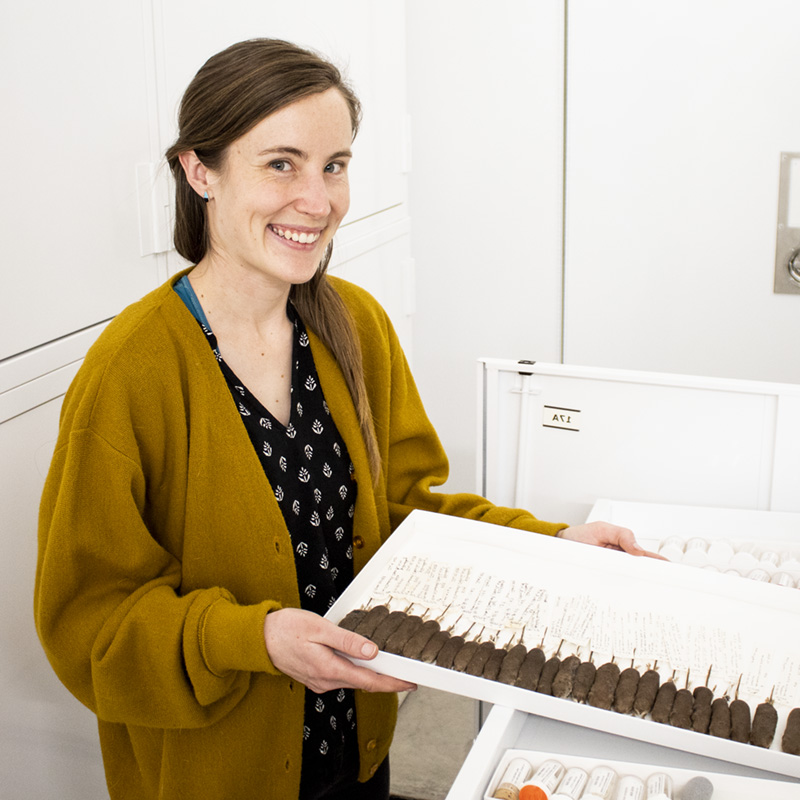
Duplications of a detoxification gene(s), a good thing when it comes to a diet that includes toxic food items. Clues for new #pharmaceuticals and informing food sources for free-range livestock. @DearingLab
Research featured in science, Jan 9:
https://t.co/RGmr60AIqE
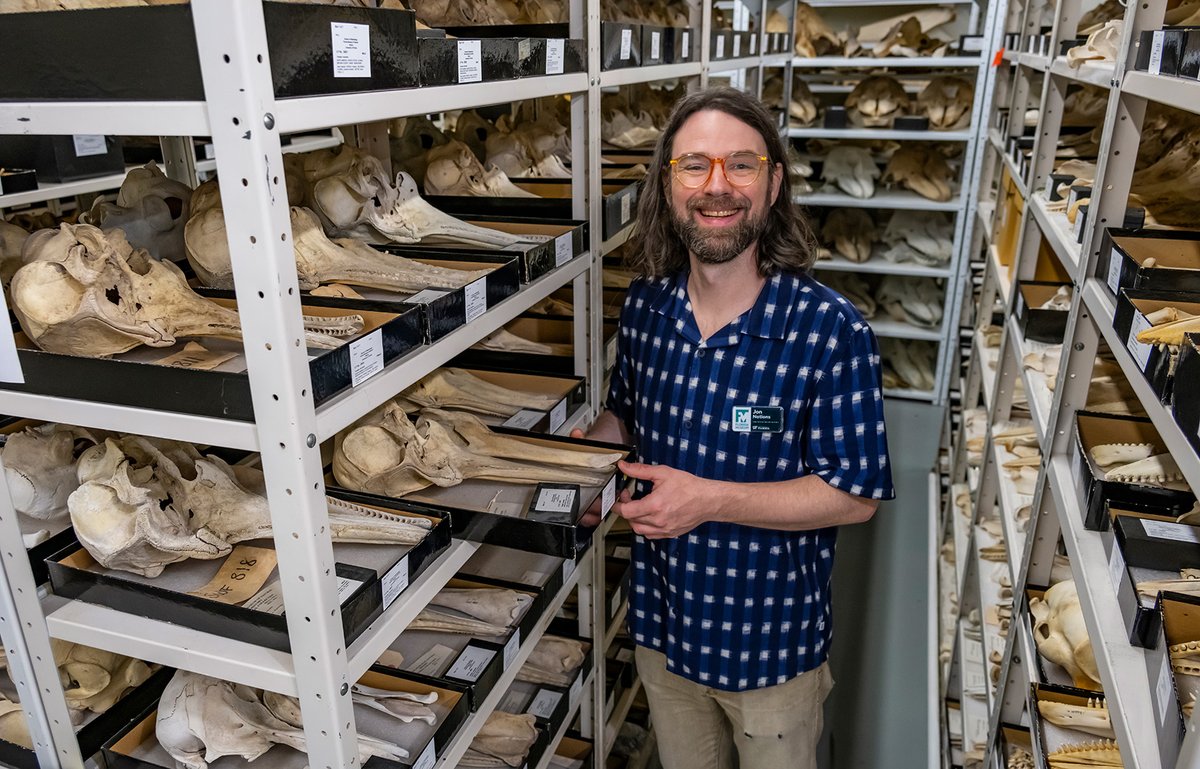
Now that I have keys+office, I guess I can share that I have officially begun my role as Curator of Mammals @DenverMuseumNS. I am honored to join this institution and could not be more thrilled to be part of such an innovative and forward-thinking group of people (and specimens).
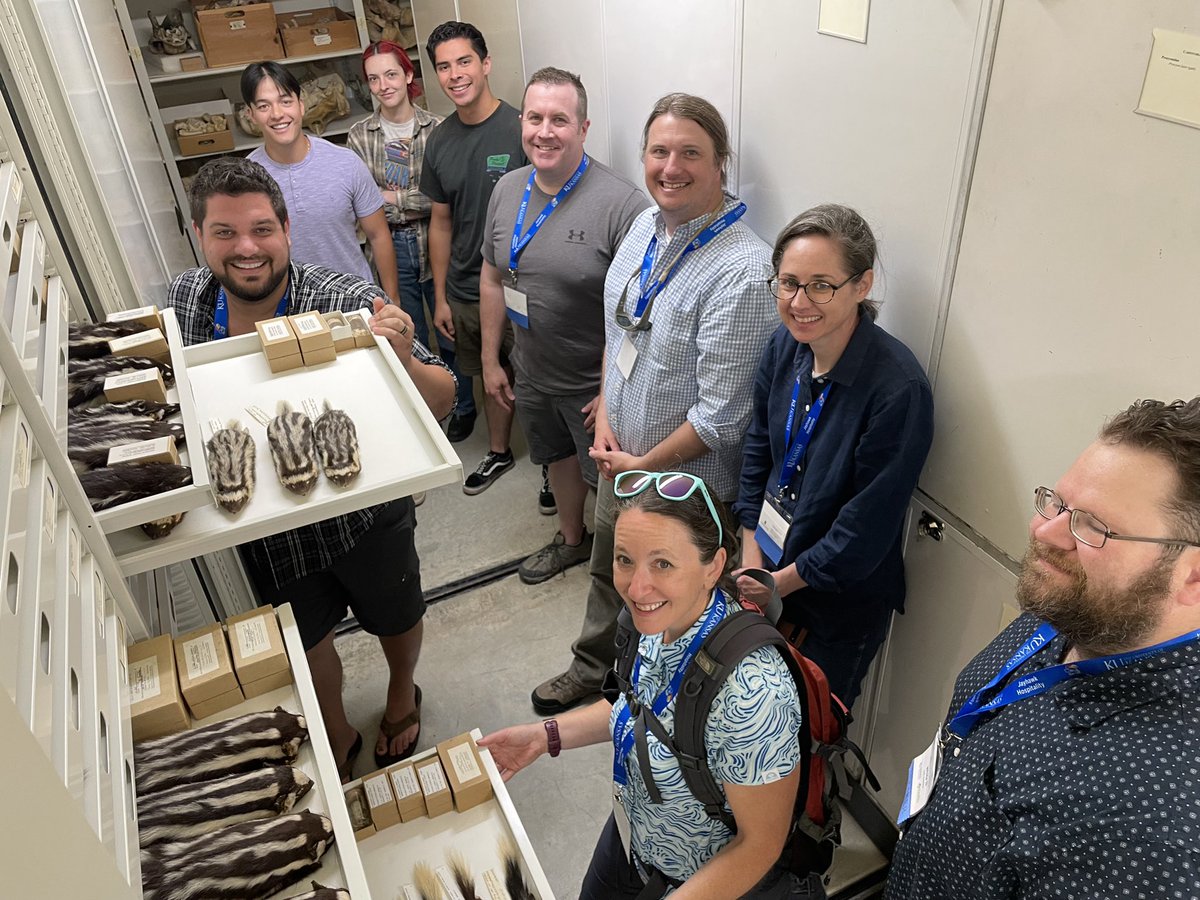
Want to detect reticulate evolutionary signals in phylogenomic data? We have a new review on that -- gratefully co-authored with @jlsteenwyk and crew. Amazingly, this collaboration grew out of the @systbiol early career mentoring program!!
One month left to apply to these positions! Others perks include: (1) faculty rental houses right next to the college; (2) post-tenure eligibility for a no-interest loan for housing, forgiven over time; (3) eligibility for sabbatical every 4th year; (4) PI-friendly overhead rates
All the finalists’ presentations and research were fantastic. Never thought I would win this SSB premier award. I am truly honored. It really means a lot. I had to grow and sell catfish to get my first computer. It took a ton of them to get a $500 DIY-built PC in 2007. #Evol2024
Dieta de ratones del género Phyllotis de distintas elevaciones del norte de Chile 🌋🐀 🧄
https://t.co/SlrreFK8By
Spoiler: el animal de la cumbre del Llullaillaco quizás no pase el antidoping y estaría protegido de los vampiros.
#sigmodontinae#metabarcoding#metagenómica
Welcome Jonathan Nations, our new curator of mammals! Like many scientists, the path from curiosity to profession was a winding journey—one filled with marmots, voles, shrews and rats. 🐀
More about Jonathan:
https://t.co/0kD0zFu4qJ
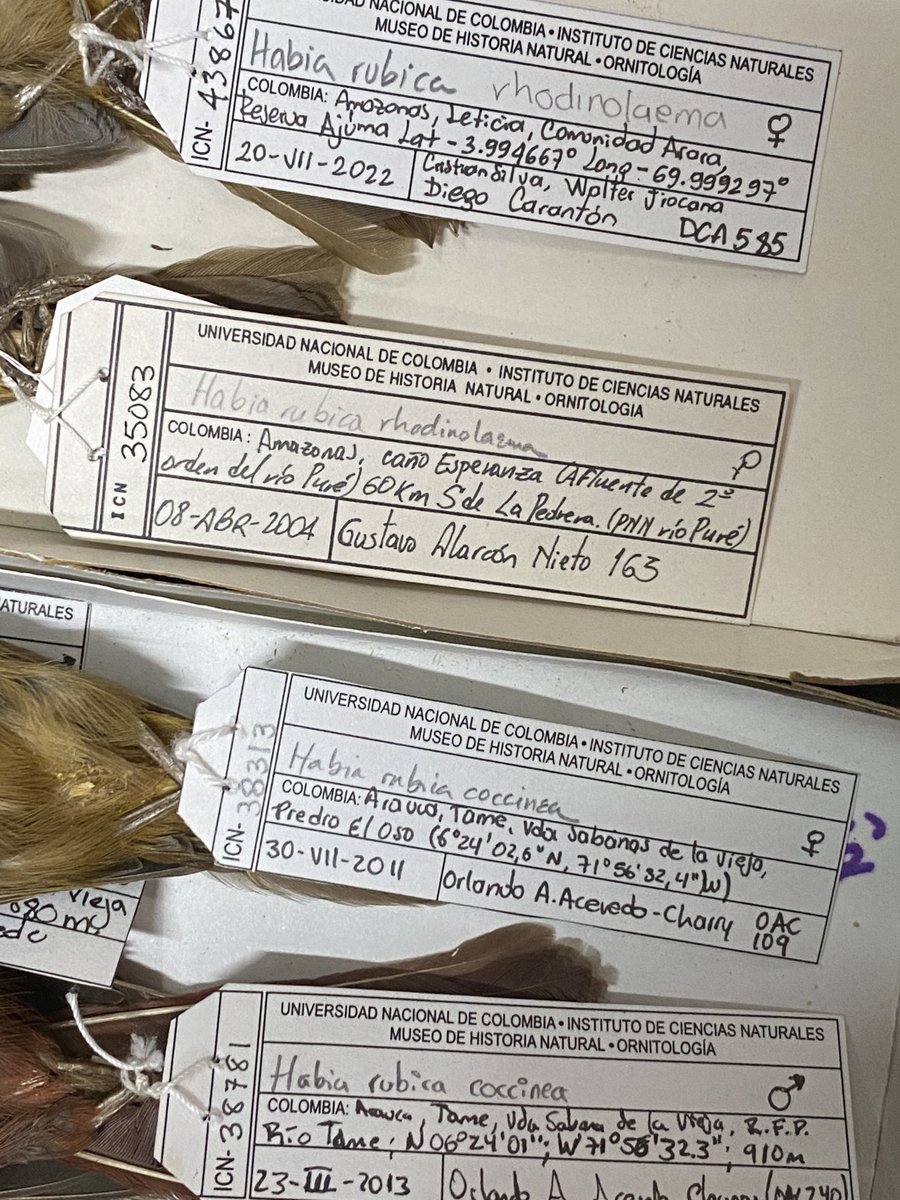
Celebrating #IMD2024 doing museum stuff today: installing new material, cataloging a legacy series from a late ornithologist, double-checking subspecies IDs in woodcreepers/tanagers, and realizing of a new species for 🇨🇴 based a 2005 skin (wrong ID). Have a nice museum day y’all!
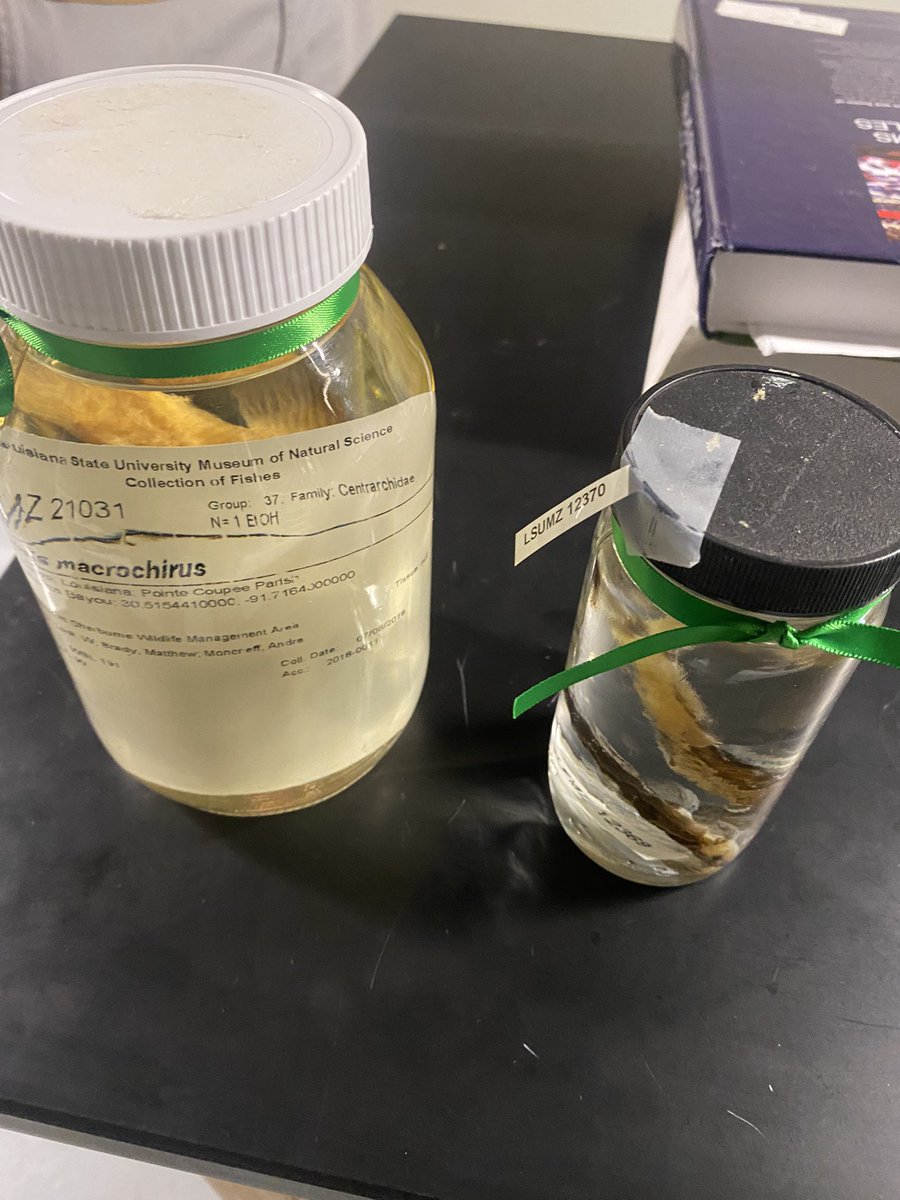
Love this idea. Let's take it a step farther and pick a color for de novo reference genomes from specimens. Purple?
Y'all sequencing genomes best be doing it from vouchers! 🧐
Museum folks know that blue and red ribbons are often designated for type specimens used in the description of new species (e.g holotype in blue; paratypes in red). I think we should use green ribbon for the vouchers of specimens whose whole genomes have been sequenced. Thoughts?