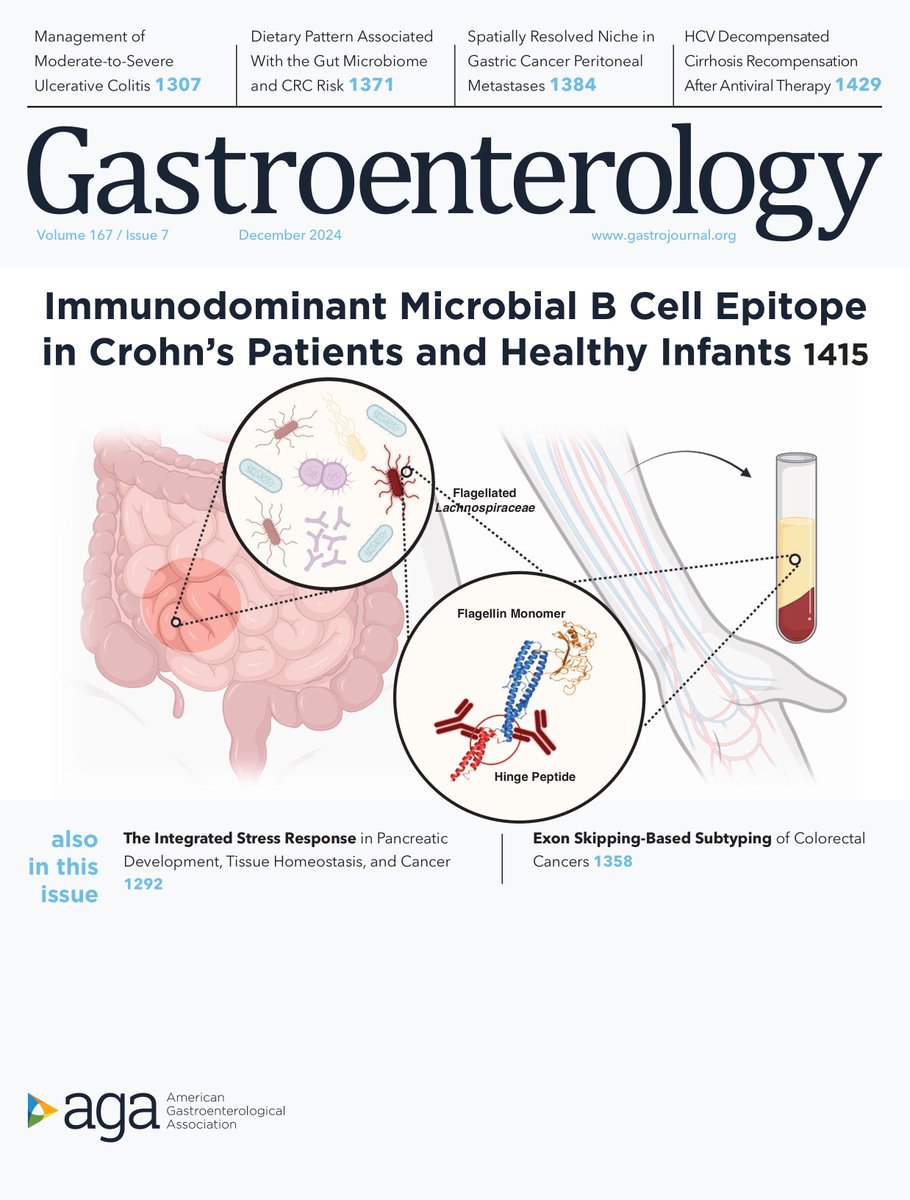
📣 The December issue of #Gastroenterology is now online! It contains new guidelines, a clinical practice update and much more 📖 Click the link to take a look inside: https://t.co/MK2GHbtxId
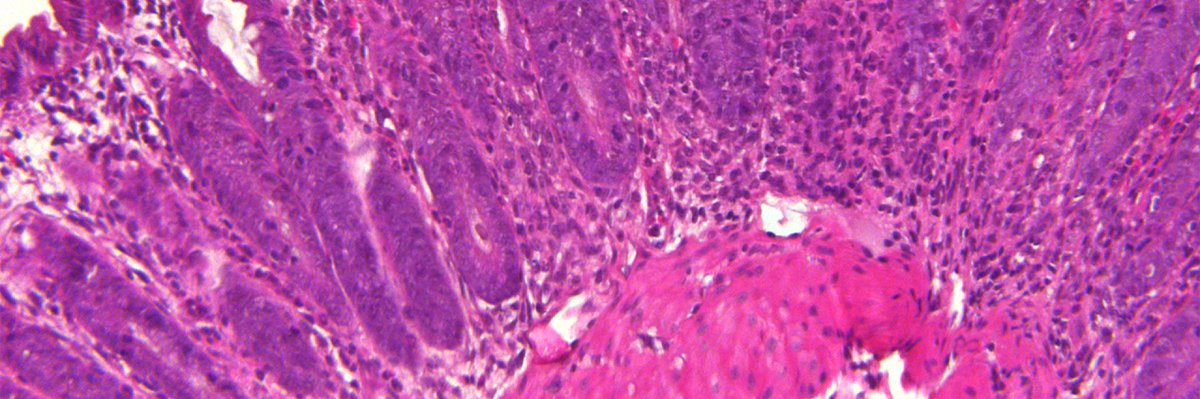
⭐Distinct gene signatures in Barrett’s esophagus illuminate potential markers for disease progression @katieandscience
Check out the article ➡️https://t.co/awacuwCEIR
Our article, "Human intestinal stromal cells promote homeostasis in normal mucosa but inflammation in Crohn’s disease in a retinoic acid-deficient manner" is finally out in Mucosal Immunology
https://t.co/iLNVSfiVLe
From @WarOnDumb: "Today, it’s heartbreaking to read these faculty minutes, to see professors I respect leave [Marietta] Cameron stranded at such an important moment in the college’s history. She had taken a stand, but few were ready to stand with her." https://t.co/hFQAd8J5R6
After 168 years, Birmingham-Southern College will cease operations on May 31, 2024 following a unanimous decision from the school's board of trustees.
Read more, including a letter from the board's chair: https://t.co/UotXEDE766
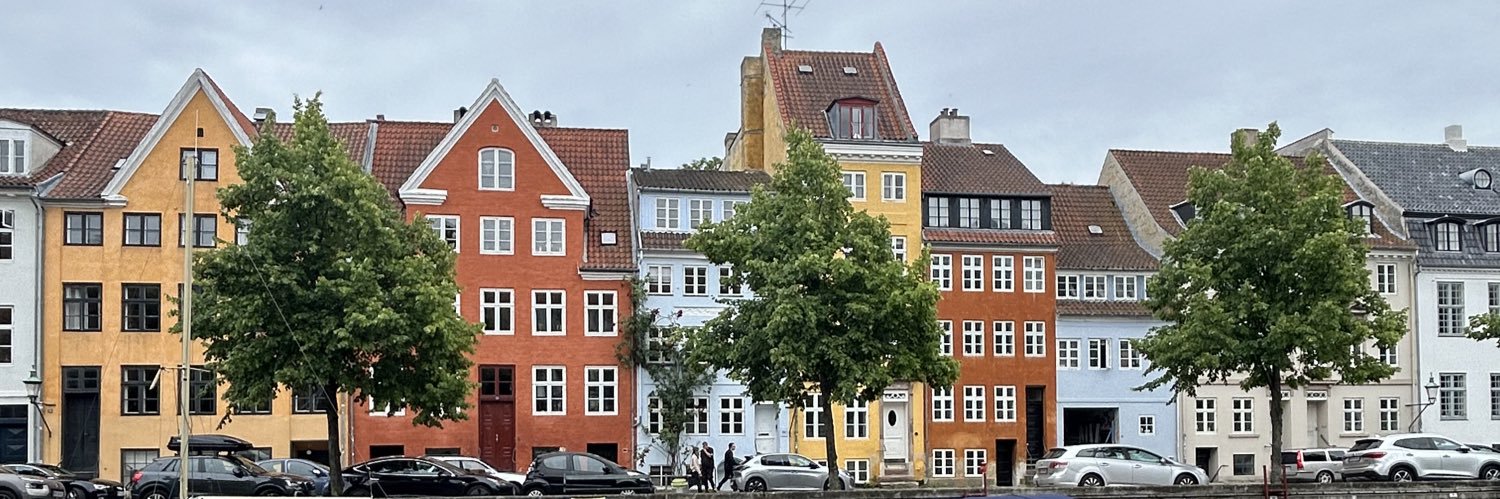
Registration for ICMI 2024 is now open! Explore the Scientific Program, submit your abstract and book your stay in Copenhagen. Don’t miss this unique meeting on the immune system-environment interface at mucosal surfaces for our global community. https://t.co/UQjY84evLK
#ICMI2024
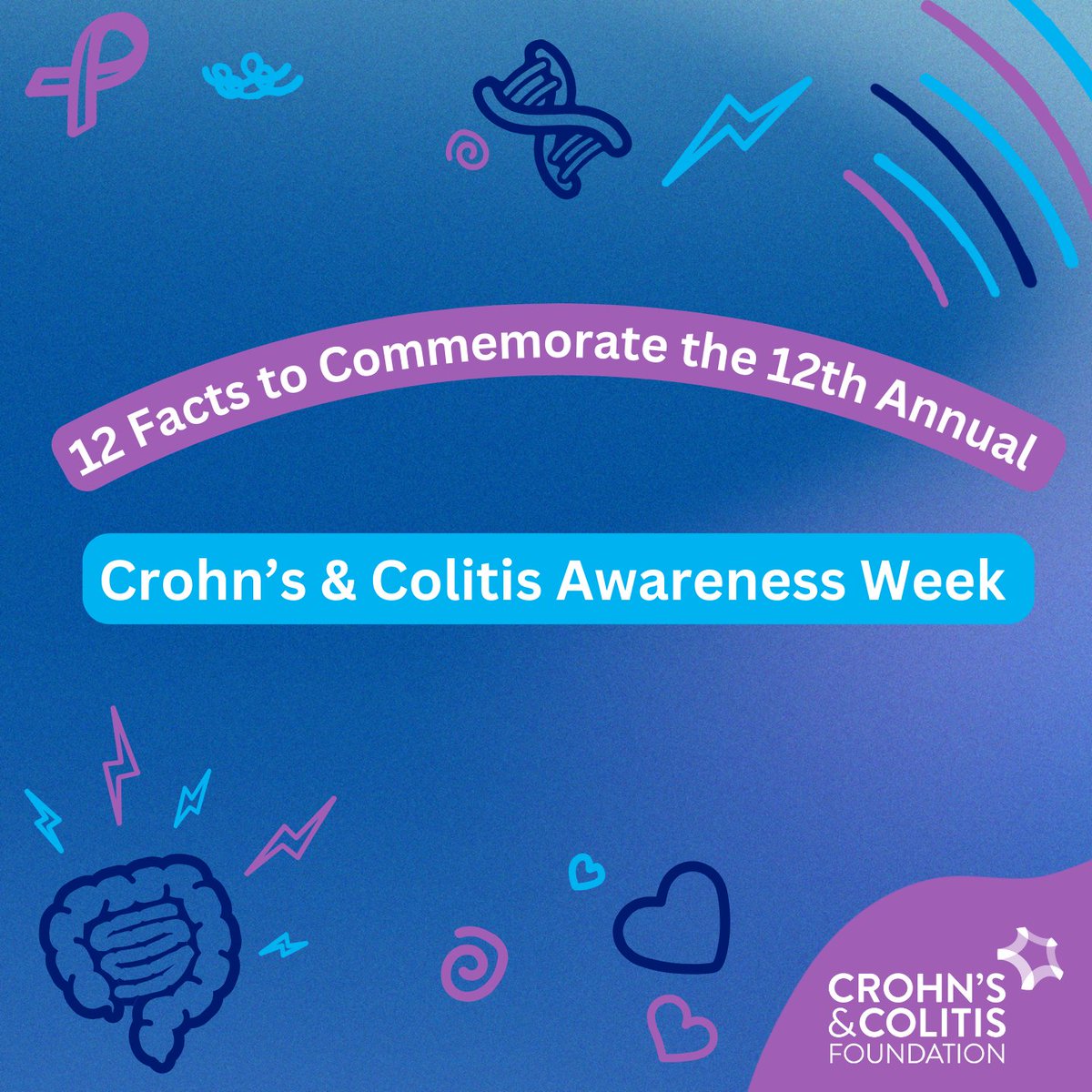
In honor of the 12th anniversary of #CCAwarenessWeek, here are 12 facts about Crohn’s disease and ulcerative colitis, collectively known as inflammatory bowel disease (IBD): https://t.co/dKqK6blwfM
Tested in mice and cells from patients with #Crohns disease, a potential #IBD treatment—combining an engineered peptide and FDA-approved rapamycin—lured out and depleted T cells that react excessively to gut bacteria.
Read the 2020 work: https://t.co/QeKTwUQdjL @UABSOM
My alma mater, Birmingham-Southern College, is in a rough spot and the odds for survival don't look good. This was a tough one to write. https://t.co/NetiqdGgpv
By analyzing publicly available gut metagenomes from healthy humans, researchers outline how previously undescribed “silent” flagellins do not fully bind to TLR5, preventing immune activation. https://t.co/TUe7ek58aD @RuthLeyMicro