the first chapter of our poetry around the world series takes you into the heart of persian literature.
on dec 10 in san francisco, we will guide you through persian cultural imagery, from rumi to athena farrokhzad, with readings in farsi and an open mic.
dm for an invite.
Indra Jatra (इन्द्र जात्रा) is Kathmandu’s biggest street festival, eight days honouring Indra, the Hindu god of rain.
Its best-known figure is Pulukisi, Indra’s white elephant, with dancers hidden inside.
He roams the streets looking for Indra, who legend says was caught here picking flowers.
we're announcing our first event series for the @loudetudes community in san francisco.
join us for the poetry around the world series: 5 evenings, each devoted to the poems of one country and beyond.
the ambiance takes you somewhere else entirely. we create an atmosphere where scholars, poets, readers and listeners travel through cultures in one room.
dm or comment to get an invite for our first poetry night.
Palace guard at Hanuman Dhoka Palace, Kathmandu Durbar Square.
Traditional black uniform, white cross-belts, and a wooden-stocked rifle with bayonet.
Shot on 35mm film
we're announcing our first event series for the @loudetudes community in san francisco.
join us for the poetry around the world series: 5 evenings, each devoted to the poems of one country and beyond.
the ambiance takes you somewhere else entirely. we create an atmosphere where scholars, poets, readers and listeners travel through cultures in one room.
dm or comment to get an invite for our first poetry night.
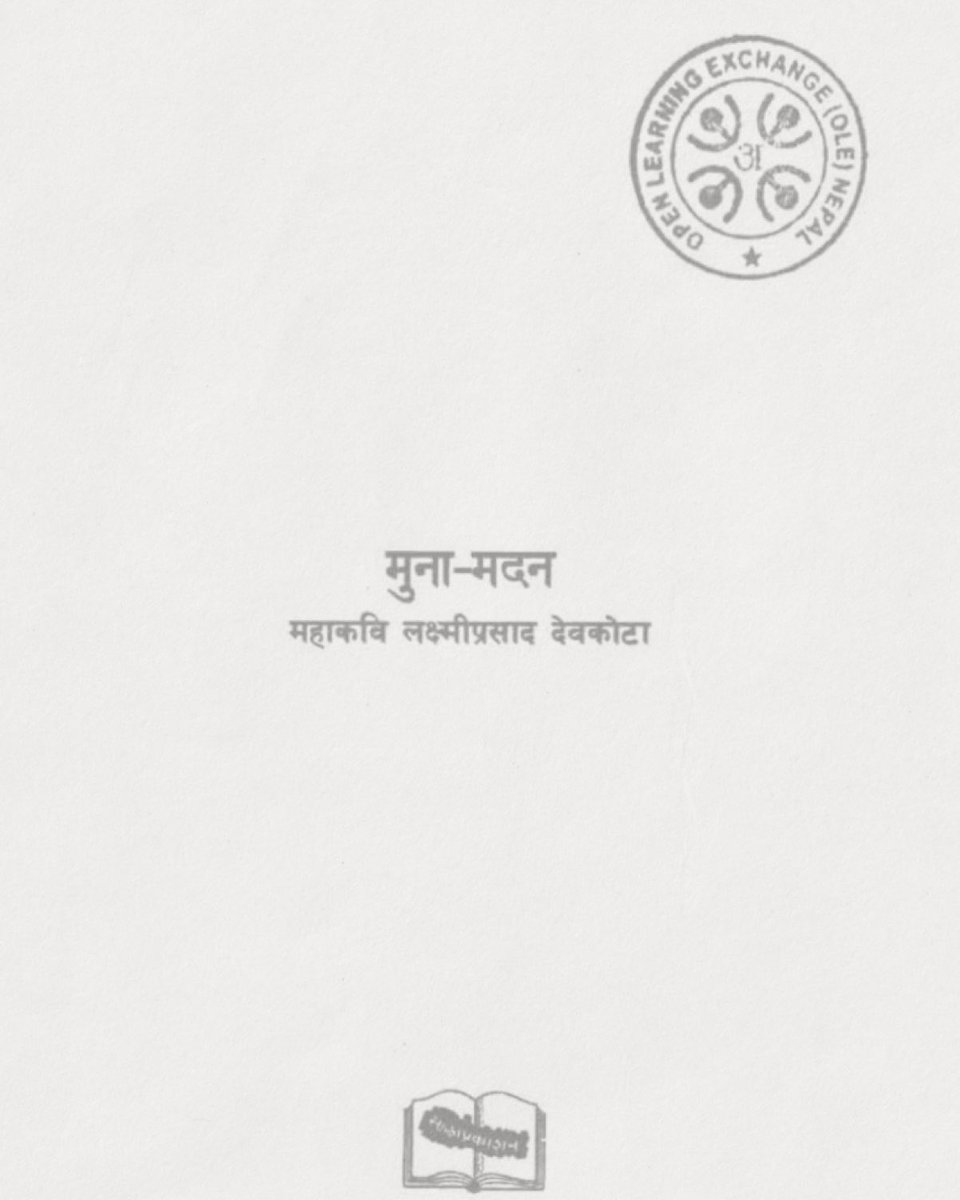
"A man must be judged by the size of his heart, not by his name or his caste."
In Muna-Madan (1936), Nepali poet Laxmi Prasad Devkota gives these words to Madan, a high-caste trader. Abandoned by his companions when he falls ill, he is saved by a Tibetan stranger. In gratitude, Madan touches his rescuer's feet, placing humanity above caste.
The poem became a classic of Nepali literature, bringing a rejection of caste prejudice into a story of love and loss.
Pages from Muna-Madan, scanned on the Internet Archive.
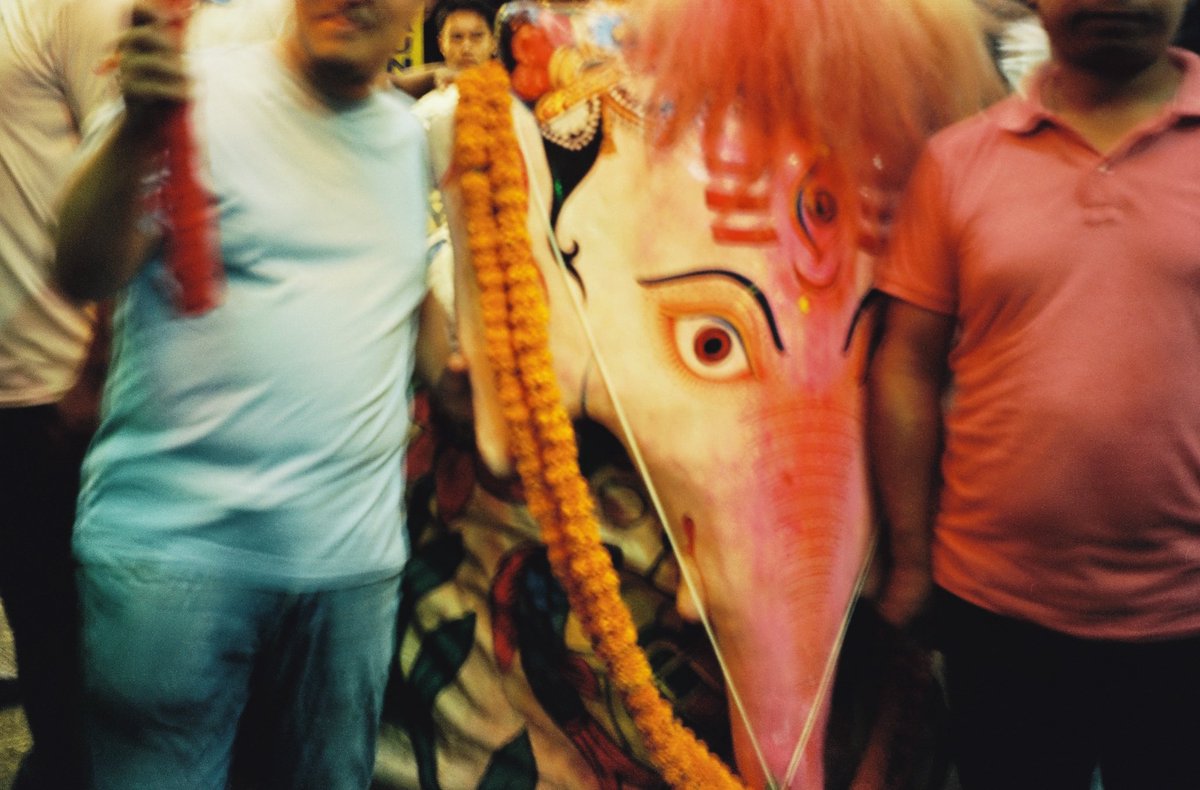
Before a journey, a wedding or a new day’s work, people stop to greet Ganesha first.
The elephant-headed Hindu god is the remover of obstacles, and his small wayside shrines are tucked into corners all around Hanuman Dhoka, Kathmandu’s old royal palace, and its courtyards.
Shot on 35mm
In Nasal Chowk, the coronation courtyard of Hanuman Dhoka, Kathmandu's old royal palace, rises a temple with five tiers of round roofs, a rare shape in a city of square pagodas.
Only the temple's priests may go inside.
Panch Mukhi Hanuman Temple, Kathmandu Durbar Square
In the Kathmandu Valley, the heavy roofs of tiered temples rest on slanted wooden struts called tundals.
Many are carved as multi-armed gods and goddesses who carry the weight of the roof. In Newar tradition, they also protect the temple from evil spirits.
The Newar are the historic people of Nepal’s Kathmandu Valley, with their own language, Nepal Bhasa, and a culture shaped by both Hindu and Buddhist traditions.
They built the valley’s old royal cities, Kathmandu, Patan and Bhaktapur, and for centuries their craftspeople have carved the wooden heart of its temples and palaces, from latticed windows and doorways to the struts and beams that hold up the roofs.
The skill has passed from master to apprentice and from father to son. It is still practiced today in all three cities.
Here, Narasimha, the man-lion form of Vishnu, carved in wood.
Photo: Greg Willis
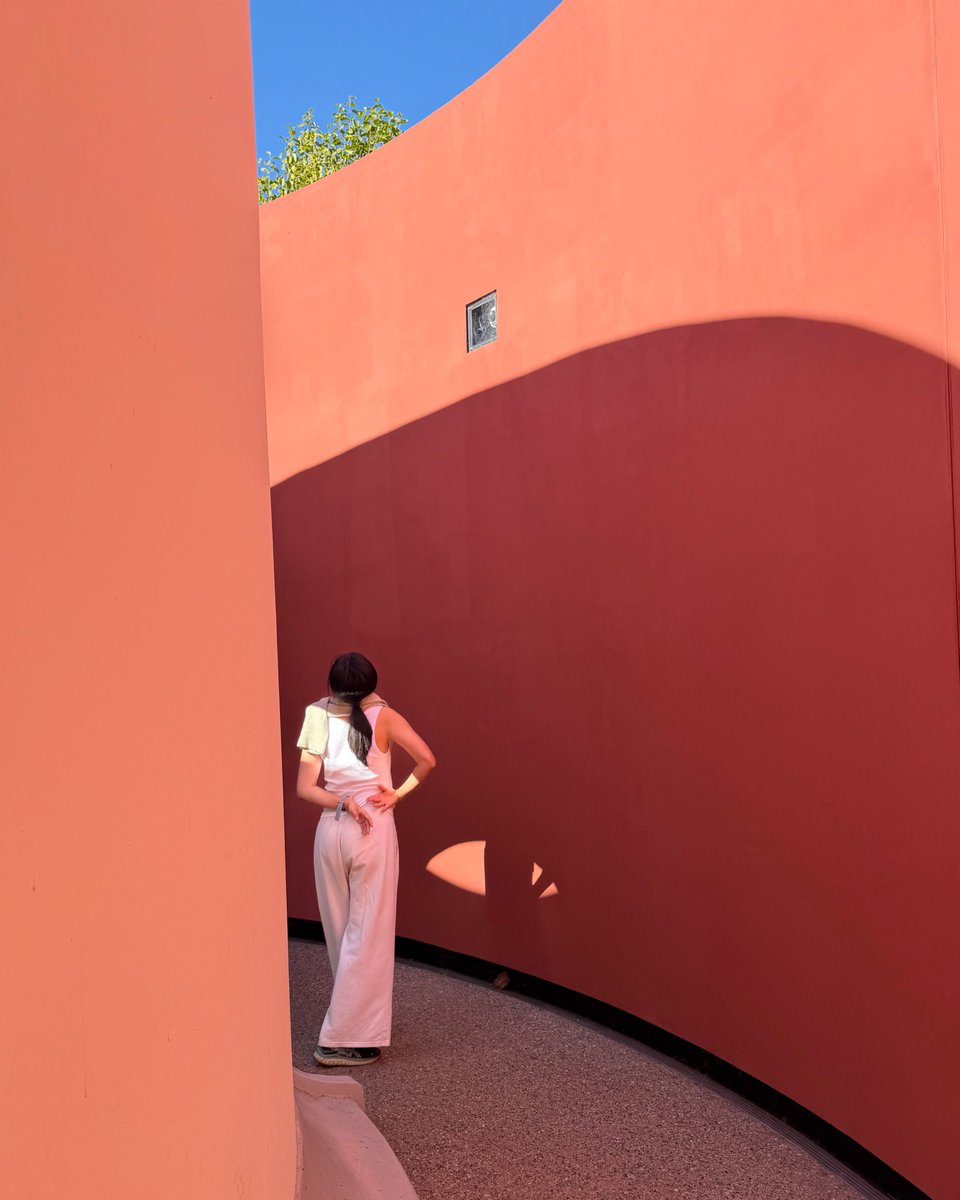
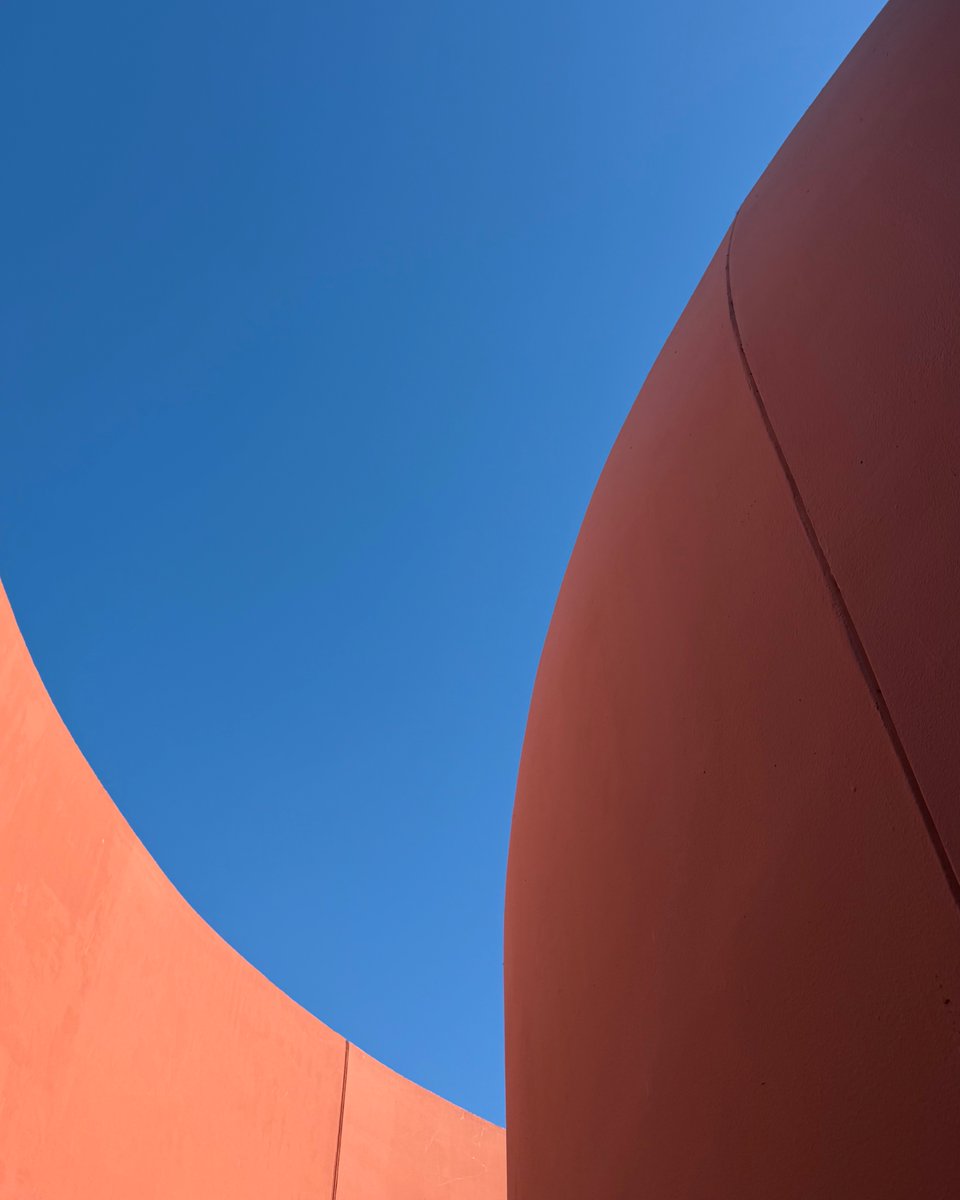
in san francisco you can sit inside one of james turrell's works called three gems, hidden in a grass hill behind the de young museum in golden gate park
in a skyspace shaped as a stupa dome, you walk between curved coral walls, step down into a round room under the hill, sit on the stone bench that circles it and look up through one opening to the sky
hidden lights wash the room in color, from soft white to pink and deep red. the sky shifts against them, so the same blue keeps changing as you sit
in buddhism the three gems are the buddha, his teaching and the community. a fitting name for a stupa built for quiet looking
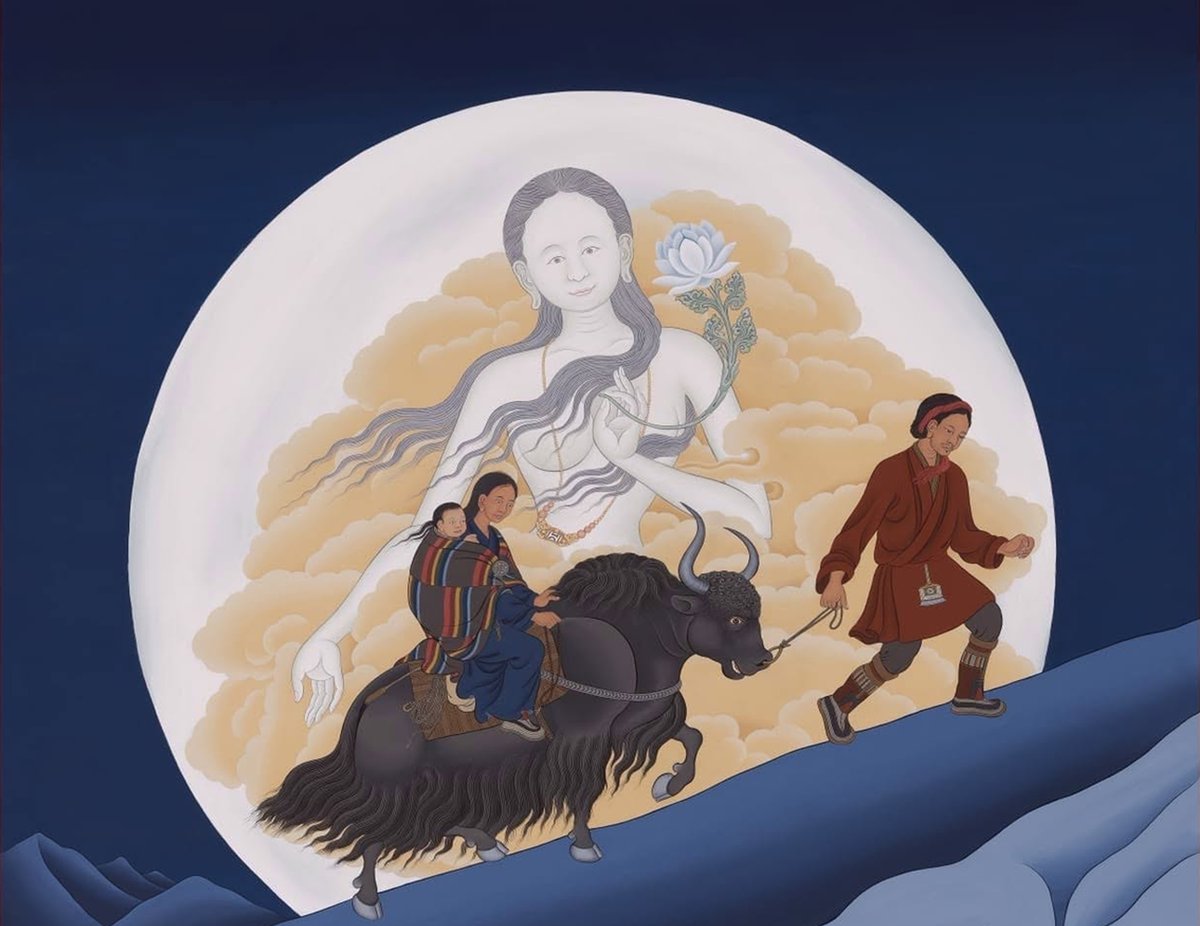
Where the sacred meets the everyday Himalayan life
Tenzin Norbu was born in Dolpo, a high-altitude region of northwestern Nepal on the border with Tibet, and learned thangka painting from his father.
While the Buddha held the center of his father’s mandalas, Tenzin was drawn to the corners, where the everyday life of Himalayan people unfolded.
Women harvesting golden fields, families cooking, travelers leading yaks over the passes. In his paintings, Buddhist figures appear among these scenes of daily life.