Head of Social @useintro 🚀 I do Social & Influencer for startups. I write content for personal brands. Previously @Uber & early-stage startups. Grab 15 mins ⬇
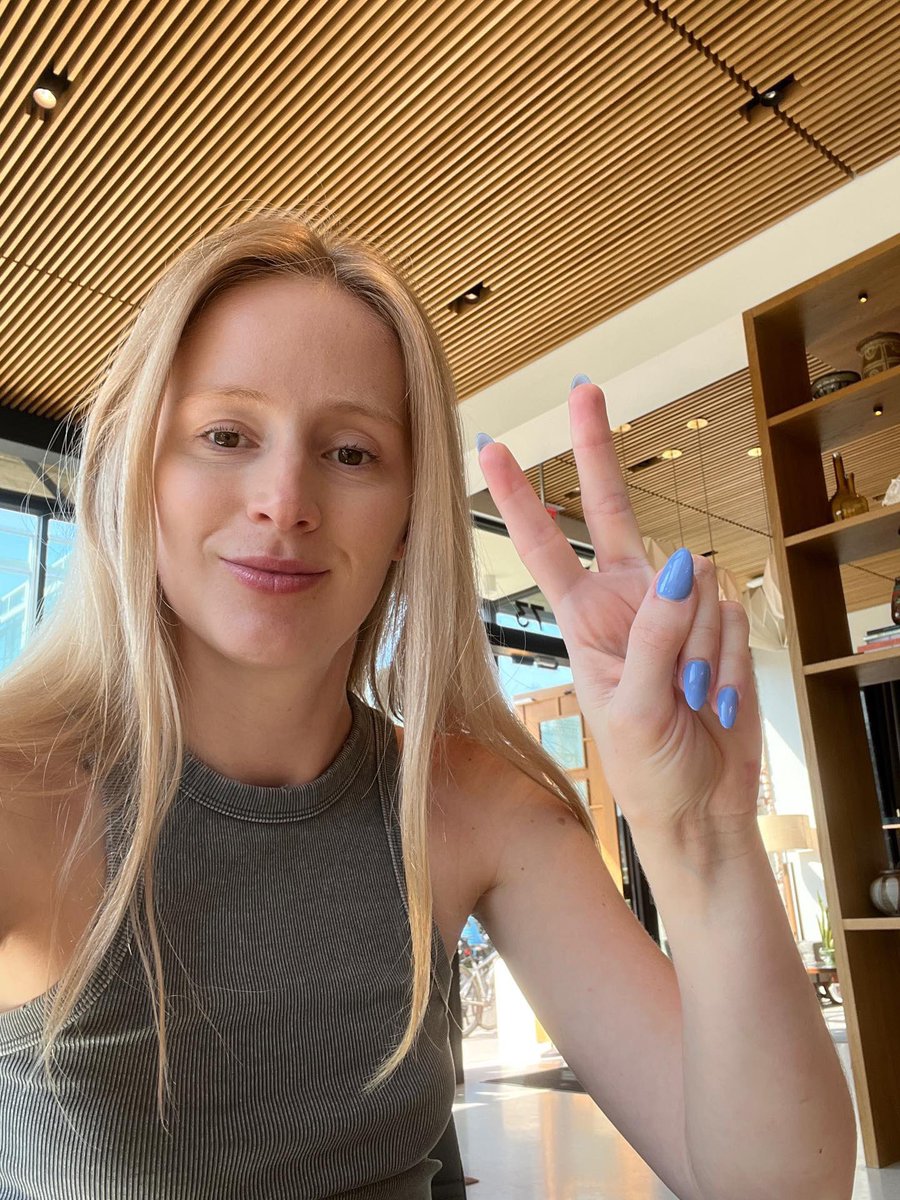
Hey, I’m Kay! A few things about me:
- I’m the human behind @useintro
- Born in Belgium but based in LA
- My YouTube gave me access to tech
- Love social, content, & creators
- I ghostwrite for personal brands
- Exploring my next business idea
- Drop a 👋 to say hi!
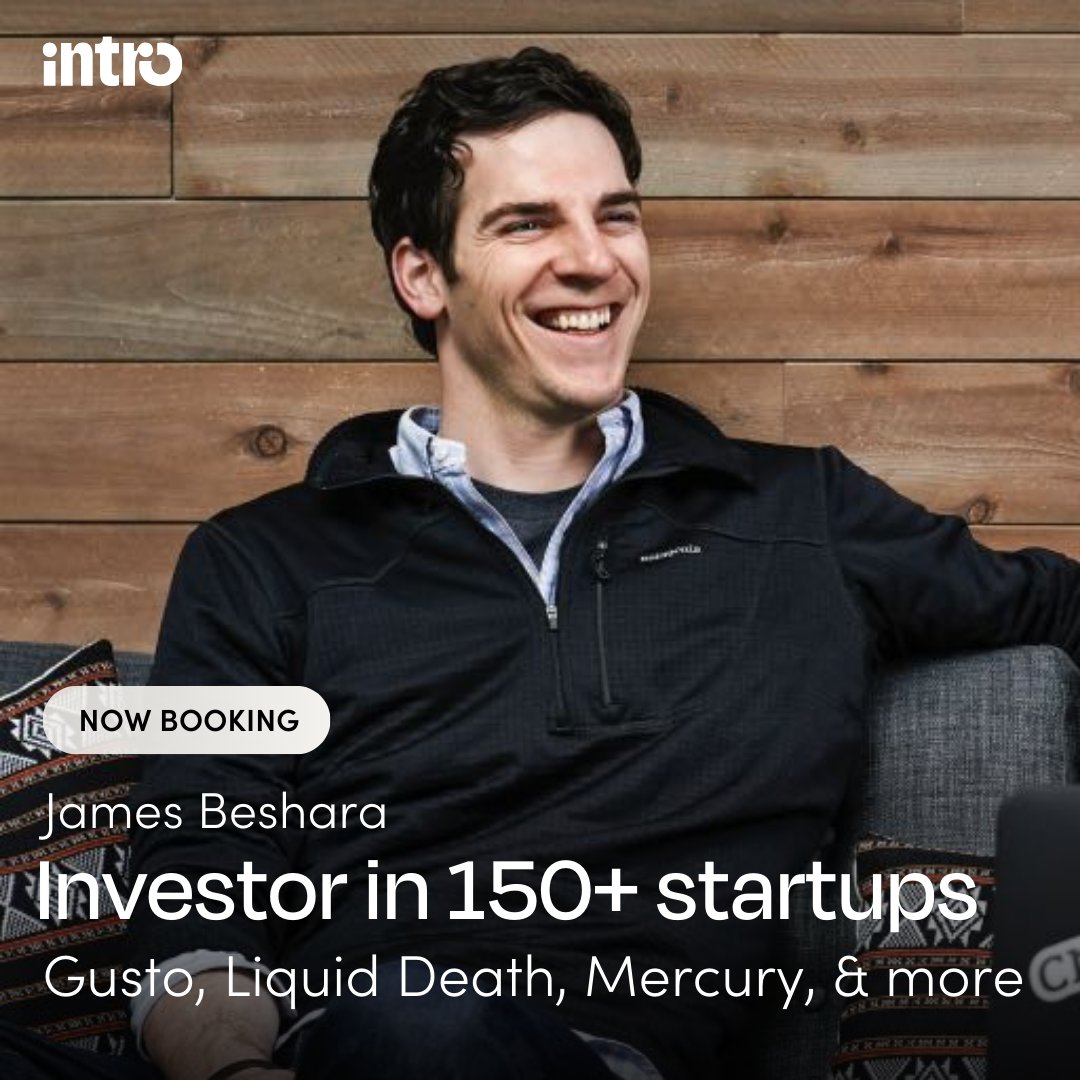
He's an early investor in 150+ startups, including Gusto, Liquid Death, and Mercury. Book @jamesbeshara to get advice on:
✔️ How to craft your pitch deck
✔️ Fundraising from angels & VCs
✔️ Strategies for startup growth
✔️ ... and more
Book me on Intro: https://t.co/x6iArKTFUl
Do your highest priority work first thing in the morning." - Jensen Huang (CEO of Nvidia)
--
Follow @useintro to get connected to the world's most successful founders and investors.
The founder of @solana is now on Intro! Book Raj to get advice on:
✔️ Blockchain technology
✔️ Fundraising for your tech startup
✔️ Going from 0 to 1
✔️ Scaling & operations
✔️ ... and more
Book me here: https://t.co/x6iArKT84N
@alexisohanian@Reddit You're amazing!!! Thank you for everything you do for Intro 🫶 If you're a startup founder, I highly recommend working with @sevensevensix 👏
She got laid off from her job, became an entrepreneur, and sold her last company for $235 million.
Today, Kim Perell has invested in 100+ startups, including Winnie Harlow's new suncare brand which she co-founded.
Here's her advice on pitching an investor:
1. Master your elevator pitch
You should be able to explain your idea to anyone at any time.
Kim's advice? Be concise.
If you can't explain what your business does in less than 20 seconds, your elevator pitch is too long.
The extended version of your pitch should take no more than 20 minutes.
Remember: Your first meeting with investors will be short. A clear and concise message is key.
2. Account for every possible question
Your pitch needs to address every question an investor could have.
Questions like:
- What is the market need, and who is demanding it?
- How does your idea solve that need?
- How will your business idea make money?
- What have other companies in the space sold for?
- How much capital will you need, and how will you use it?
Investors want to know what they will get out of their investment, so be prepared to answer some tough questions.
3. Convince investors to believe in you
Your biggest challenge is convincing investors to believe in your ability to execute, so tell them your story.
What have you done that proves you can make this happen?
Businesses may change and trends may pivot ��� investors need to be confident that you can pivot, too.
Surround yourself with a team that supplements any perceived weaknesses. Balance realism and passion so potential investors can see that you will persevere, no matter what it takes.
If you don't feel confident in yourself, how do you expect investors to be confident in you? Exude confidence, even if you're not 100% sure how to answer a question.
Key takeaways:
1. Master your elevator pitch
2. Prepare for every possible question
3. Be confident
Want to get feedback on your pitch? Book Kim Perell on Intro.
--
Inspired? Repost and follow @useintro to learn how the world's most successful entrepreneurs built $100M+ businesses.
@omooretweets So true! It's natural to want to hold onto something that's "kind of working". I love the way Nikita made it very clear how to tell the distinction.
"If your product is working, you'll know. If there's any uncertainty, it's not working." - Nikita Bier ($100M+ in exits to Discord & Meta)
--
Follow @useintro to learn how the world's most successful founders built $100M+ businesses.
The co-founder of Foursquare is now on Intro! Schedule a call with @dens if you want advice on:
✔️ Fundraising from top VCs
✔️ Building a viral tech startup
✔️ How to go from 0 to 1
✔️ Growth & Scaling
✔️ ... and more
Book me on Intro: https://t.co/PMntO9p2Al