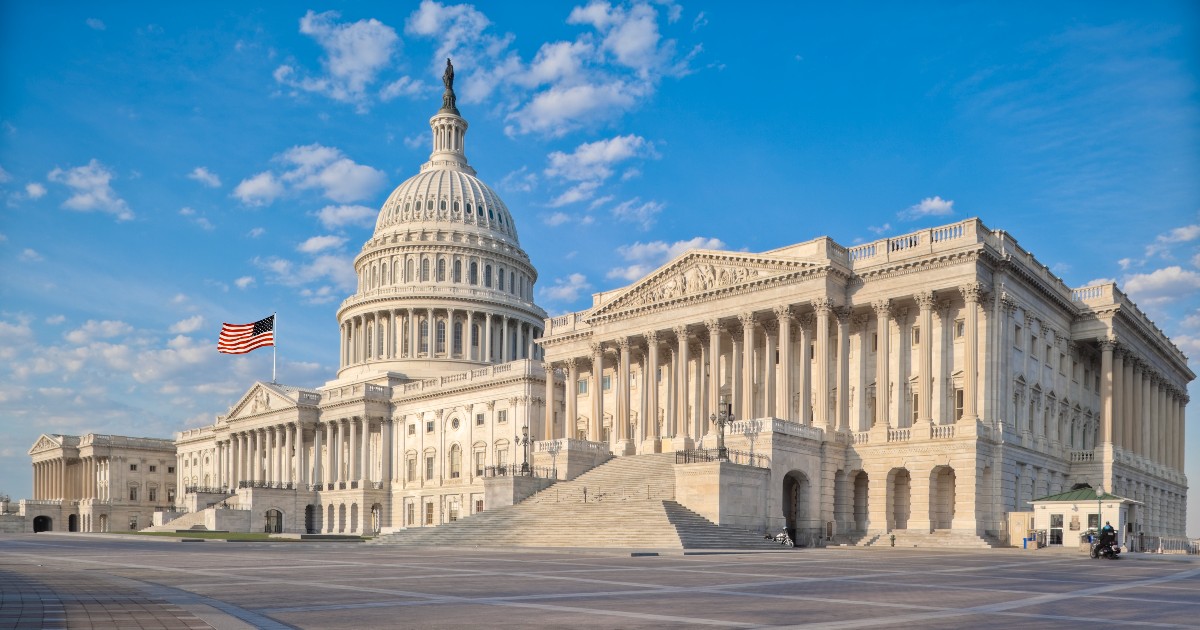
🇺🇸 September 14, 2001. Ground Zero.
President Bush climbed onto a wrecked fire truck with a retired FDNY man named Bob Beckwith and a bullhorn.
A worker in the pile yelled that he could not hear him.
Bush: “I can hear you! I can hear you! The rest of the world hears you! And the people who knocked these buildings down will hear all of us soon!”
Video from National Archives
@colin_dunlap It’s great that everyone says this, but the amount of abuse and violence we take in a daily basis is staggering. I wish everyone would back up their words with actions. And no I’m not talking about you. I’m talking about society in general. 😢
The Emergency Nurses Week Planning Guide is now available!
Visit https://t.co/ywGiREj1Km to download the planning guide and start planning for this year's EN Week. The guide has templates, graphics, content and ideas to help you get started.
ENA partner Elsevier recently launched its Ebola Information Center with free access to nearly 4,000 Ebola-related research articles, book chapters and clinical resources. The open availability of this information to clinicians follows the World Health Organization declaration of Ebola as a public health emergency of international concern.
Accessible on Science Direct, this content brings together Elsevier’s resources with those provided by major health and government organizations, such as WHO and the CDC, all of use by nurses and physicians. It also includes resources designed specifically for patients and their families. https://t.co/cG0xQA0nVv
On this 10th annual Hospitals Against Violence #HAVhope Friday, ENA applauds the HAV initiative’s work to help facilities mitigate and prevent violence against health care workers.
What steps has your facility taken to lessen workplace violence?
https://t.co/xmVzaudj7p
Scientists at Stanford Medicine have proposed an explanation for the rare cases of myocarditis that can occur after mRNA COVID-19 vaccination. The research points to a two-step inflammatory process involving the cytokines CXCL10 and IFN-gamma.
According to the study, vaccine-activated immune cells, particularly macrophages, produce high levels of CXCL10. This molecule then stimulates T cells to release IFN-gamma, creating a potent inflammatory signal that can damage heart muscle cells. The team confirmed this pathway through experiments using human heart tissue models, immune cells, and mice.
Importantly, blocking CXCL10 and IFN-gamma reduced signs of heart injury in laboratory models while largely preserving the protective immune response generated by the vaccine. The researchers also tested genistein, a natural compound found in soybeans, which showed anti-inflammatory effects in the models, though further clinical studies are required.
Myocarditis following mRNA vaccination is very rare, occurring in approximately 1 in 140,000 people after the first dose and 1 in 32,000 after the second, with higher rates observed in young males. Most cases are mild and resolve with full recovery. The study notes that COVID-19 infection itself carries a significantly higher risk of myocarditis, roughly 10 times greater than vaccination.
This work may inform the development of safer future mRNA vaccines while underscoring the established benefits of current ones in preventing severe COVID-19 outcomes.
[Cao, X., et al. (2025). Inhibition of CXCL10 and IFN-γ ameliorates myocarditis in preclinical models of SARS-CoV-2 mRNA vaccination. Science Translational Medicine, 17(828)]
Effective May 20, 2026 at 11:59 PM Eastern Daylight Time (EDT), CDC initiated public health entry screening for travelers arriving from the Democratic Republic of the Congo (DRC), South Sudan, and Uganda. Effective May 22, 2026 at 11:59 PM EDT, operations have expanded to include Hartsfield-Jackson Atlanta International Airport (ATL). CDC’s Port Health Protection system operates 24 hours a day, 7 days a week, 365 days a year to support these and other public health response activities at U.S. ports of entry.
Public health entry screening serves as an important part of CDC’s layered prevention approach. In combination with existing public health measures already in place to identify symptomatic travelers, these efforts help slow and reduce the potential spread of disease into the United States.
Travelers who have been in the DRC, South Sudan, or Uganda within 21 days prior to arriving in the United States will be escorted to a designated airport screening area. There, travelers will answer public health screening questions and may undergo additional assessment as needed.
https://t.co/aINGCIbFlO
Health care workers make up 10% of the national workforce but account for 48% of missed workdays due to assault, according to the Bureau of Labor Statistics.
Workplace violence in the emergency department leads to nurses becoming patients - or former nurses.
Learn about ENA-supported bills that address prevention and prosecution, and encourage your own senators and representatives to take action. https://t.co/YiUprZuXwR
ENA research into workplace violence revealed that among 999 nurses who had worked in an emergency department within the prior two weeks, nearly 20 percent experienced physical violence.
They suffered bruises, concussions, fractured bones and in one case internal organ damage, according to the data presented at Emergency Nursing 2025.
Read stories of efforts to prevent and mitigate workplace violence. https://t.co/JdtwsIpxvd




![Rainmaker1973's tweet photo. Scientists at Stanford Medicine have proposed an explanation for the rare cases of myocarditis that can occur after mRNA COVID-19 vaccination. The research points to a two-step inflammatory process involving the cytokines CXCL10 and IFN-gamma.
According to the study, vaccine-activated immune cells, particularly macrophages, produce high levels of CXCL10. This molecule then stimulates T cells to release IFN-gamma, creating a potent inflammatory signal that can damage heart muscle cells. The team confirmed this pathway through experiments using human heart tissue models, immune cells, and mice.
Importantly, blocking CXCL10 and IFN-gamma reduced signs of heart injury in laboratory models while largely preserving the protective immune response generated by the vaccine. The researchers also tested genistein, a natural compound found in soybeans, which showed anti-inflammatory effects in the models, though further clinical studies are required.
Myocarditis following mRNA vaccination is very rare, occurring in approximately 1 in 140,000 people after the first dose and 1 in 32,000 after the second, with higher rates observed in young males. Most cases are mild and resolve with full recovery. The study notes that COVID-19 infection itself carries a significantly higher risk of myocarditis, roughly 10 times greater than vaccination.
This work may inform the development of safer future mRNA vaccines while underscoring the established benefits of current ones in preventing severe COVID-19 outcomes.
[Cao, X., et al. (2025). Inhibition of CXCL10 and IFN-γ ameliorates myocarditis in preclinical models of SARS-CoV-2 mRNA vaccination. Science Translational Medicine, 17(828)]](https://pbs.twimg.com/media/HI_-smYWAAAbca8.jpg)