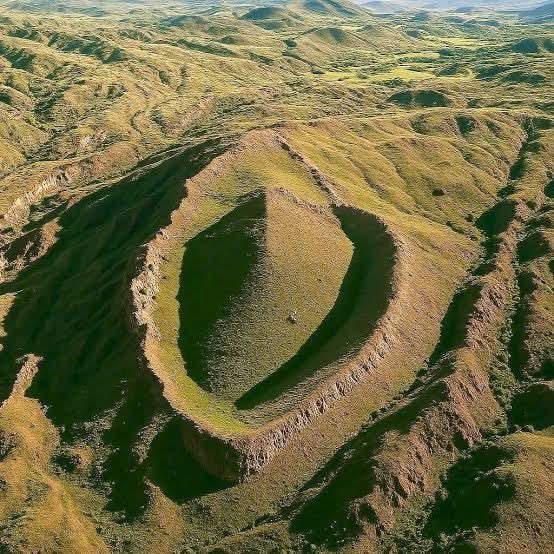
🚨 TARİHİN TOZLU SAYFALARINDAN BİLİME IŞIK! Nuh’un Gemisinden haber var. 🗞️
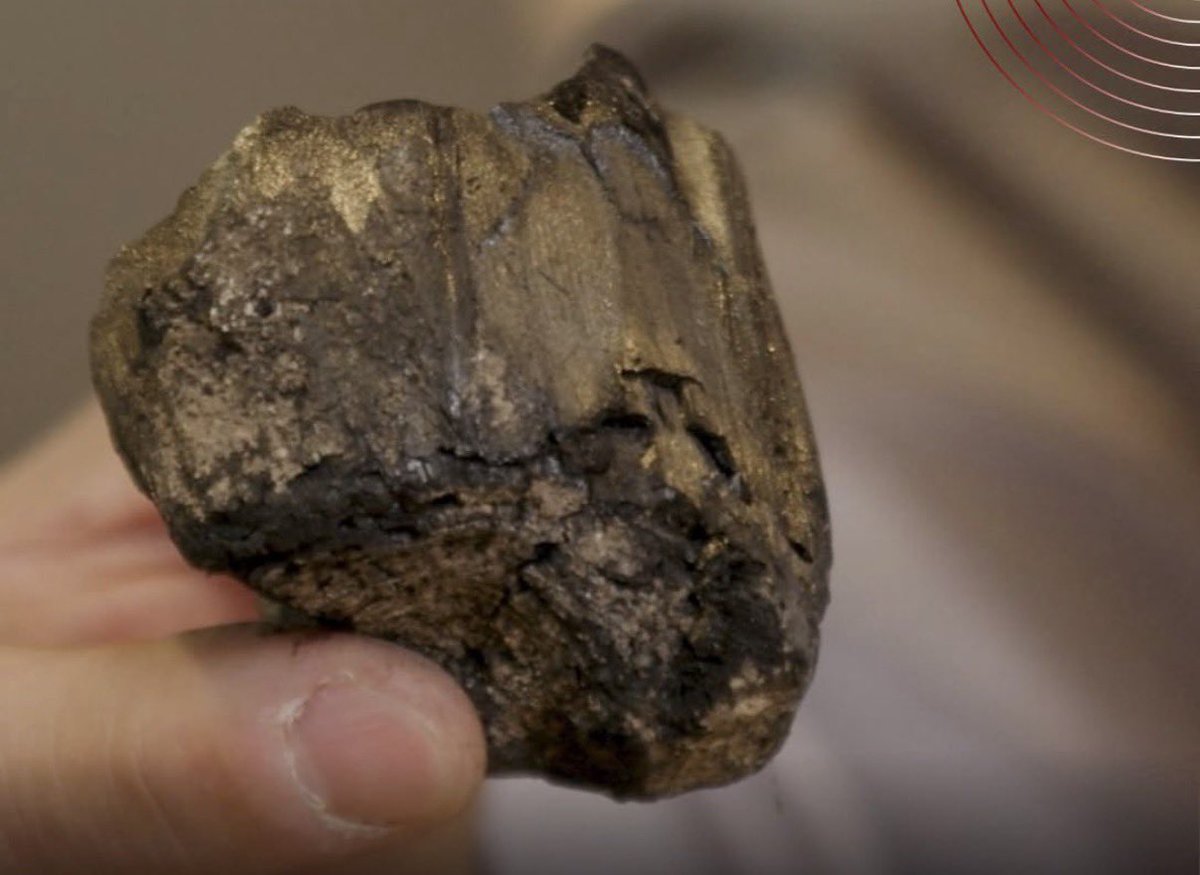
Ağrı Doğubayazıt’taki Durupınar Formasyonu’nda bulunan ahşap kalıntıların ABD’deki Karbon-14 analiz sonuçları belli oldu: MÖ 2200-2400!
Kazı Başkanı Prof. Dr. Cenker Atilla, bu tarihin Nuh Tufanı hesaplamalarıyla örtüştüğünü duyurdu. Gözler şimdi İsviçre ve TÜBİTAK’tan gelecek teyitte! 🌍🔍
Krantz, Johnson, and the 1982 Mill Creek Casts
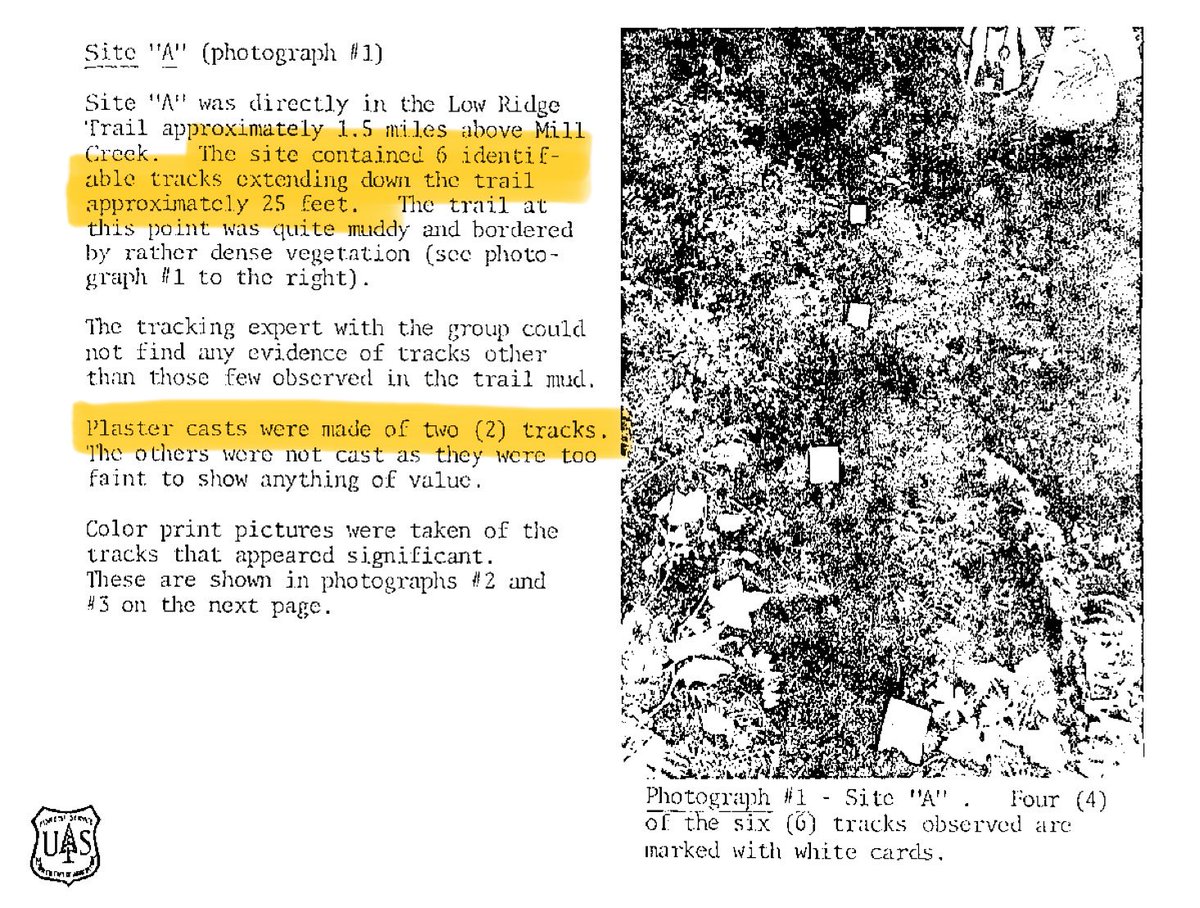
The 1982 Mill Creek tracks are back in play after the U.S. Forest Service posted the original investigation files — Rodney Johnson’s June 18 memo, Joel Hardin’s assessment, and the photographs — in its FOIA reading room.
In mid-June 1982, Forest Service patrolman Paul Freeman reported a large reddish-brown biped near Walla Walla in the Mill Creek Municipal Watershed. Additional trackways were found shortly afterward.
Wildlife biologist Rodney Johnson and Border Patrol tracker Joel Hardin examined the sites. They documented roughly six prints over 25 feet at one muddy trail and about 18 prints over 40 feet at a bog beside Low Creek Trail. Prints measured approximately 15 inches.
Johnson made plaster casts on site and his notes list the observations that led him to reject a large biped: a roughly four-foot stride that did not change with slope and showed no slippage; tracks shallower than the investigators’ boot prints in the same mud; fine forest litter that appeared brushed aside before the impressions were made; and trackways that began and ended abruptly.
Hardin called it a clever attempt to involve the agency in a hoax and suggested an artificial foot coated in soft plaster or rubber.
Grover Krantz later examined plaster casts from those same tracks. In his 1983 paper he described dermal ridges and sweat pores consistent with higher-primate friction skin, along with morphological details he considered incompatible with a simple artificial foot. He concluded the evidence pointed to a living large primate.
Jeff Meldrum, whose work centers on primate foot morphology, studied the broader Freeman-associated casts (including dermal-ridge examples from that period) and aligned with Krantz on the anatomical features. His own pivotal field experience came in 1996 when he examined a long line of fresh tracks in the same general area; the midtarsal flexibility, pressure ridges, and variation between successive prints were what he found most compelling. He noted that the quality of the 1982 specimens was never matched in later finds attributed to Freeman.
These are the same tracks — examined in the field by Johnson and Hardin, and via casts by Krantz — and the examiners still disagreed. Johnson and Hardin weighted the ground-level inconsistencies. Krantz and Meldrum weighted the dermal-ridge and morphological detail.
I respect both readings. I lean toward the Krantz/Meldrum interpretation of the 1982 Mill Creek tracks as genuine. That is a lean, not a declaration. The field observations that troubled Johnson and Hardin are not trivial, and the later credibility questions surrounding Freeman are part of the public record. The dermal ridges and foot morphology that convinced two researchers focused on primate anatomy still carry more weight for me.
The released memos and photos are there for anyone who wants to read the primary documents. Curious how others are weighing the same material. 👣🪶
“Consciousness change will be what saves us if it can happen fast enough.”
Graham Hancock’s research looks deep into the past, but his warning here concerns the present. He believes humanity’s destructive capabilities have outpaced its ability to overcome tribal divisions.
“I think we’re the first to have embraced these horrific weapons whereby a planetary apocalypse can be brought upon us by our own behavior.”
“We’re so tribal that we regard our particular tribe as having a right to wipe out other tribes.”
“This has to change.”
“I think the only hope is an elevation of consciousness.”
Can we change before we destroy ourselves?
Good morning world! Well, whenever there is morning time where u live ;)
Just a photo from the dark side of the moon, enhanced by ASTRID Photo Lab, next to the original.
P(직접풀기)=NP(답을 알고 검증하기)
검증하기(NP): 누가 비밀번호가 8392라고 알려주면, 직접 숫자를 맞춰서 열어보는 데 딱 1초면 됨. (개쉬움)
직접 풀기(P): 비밀번호를 모른 채 0000부터 9999까지 일일이 돌려보며 찾아내려면 시간이 엄청나게 오래 걸림. (개어려움)
예시 ex)
문제: 1부터 100까지 전부 더한 답은 뭘까요?
과거 방식: 1 + 2 + 3 + ᆢ + 100을 하나씩 계산기로 두들겨. 숫자가 1억 개가 되면 시간이 엄청나게 걸림.
🏎지름길 발견 (가우스 법): 양끝의 숫자를 짝지어 보면 (1+100), (2+99), (3+98) 모두 101이 되고, 이런 쌍이 50개 있다는 규칙을 발견, 그러면 숫자가 1억 개든 1조 개든 101 × 50처럼 곱셈 한 번으로 순식간에 답이나옴.
누군가 "P = NP가 맞다! 지름길이 있다!"라고 증명해 버리면,
세상의 모든 자물쇠와 암호를 순식간에 열 수 있는 마스터키가 생기는 셈이라 전 세계 보안 시스템이 무너짐.
All the signs that 'prove' Armageddon is on our doorstep: No one believed my warnings 12 years ago, but now all these prophecies are coming eerily true https://t.co/kzWaYM0Du5
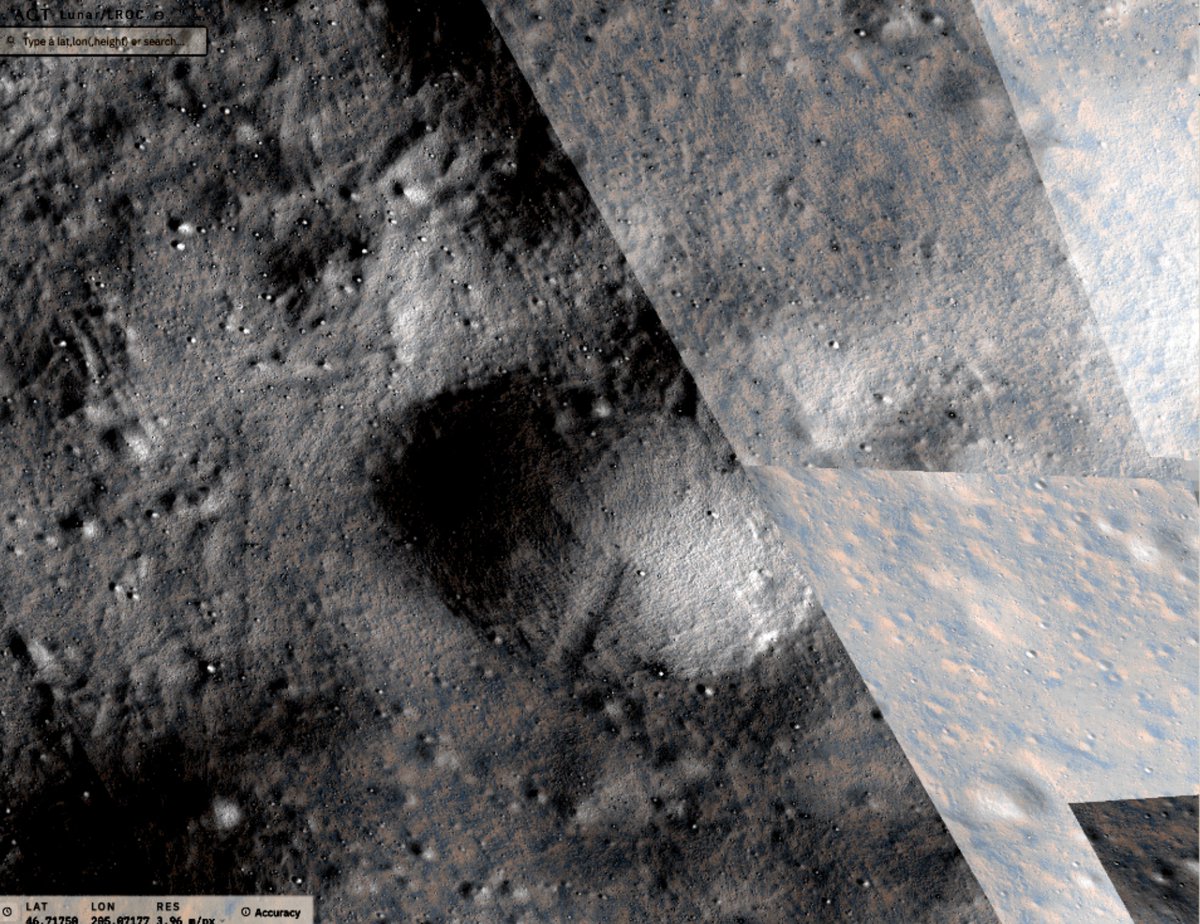
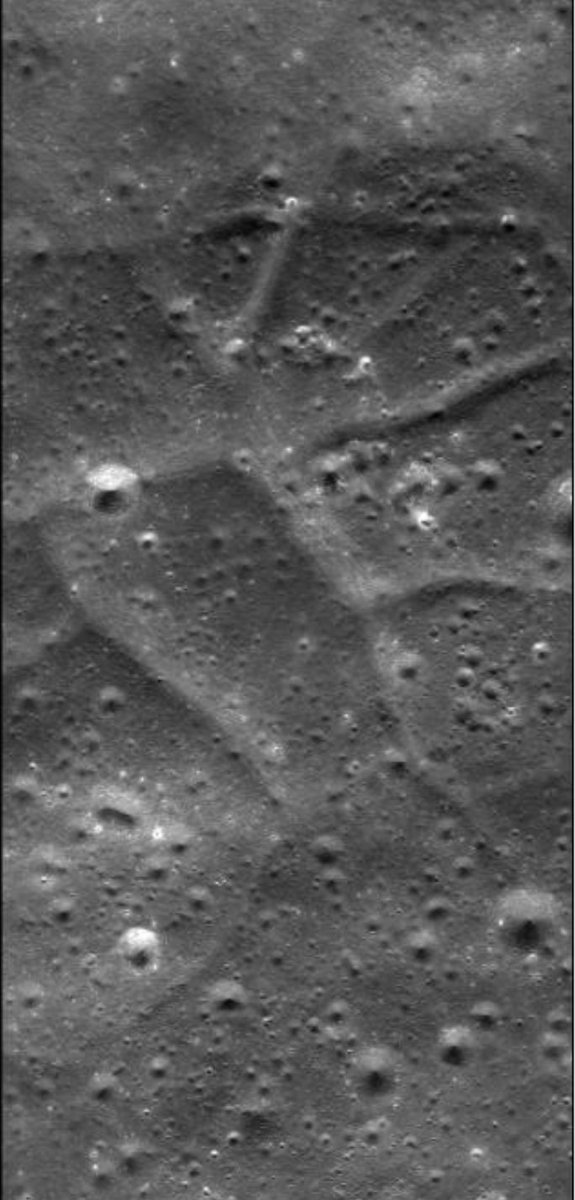
Hey @CrazySwedeX, the two links below are the highest-resolution LROC images of this feature (see also screenshots attached from the two links). Notice the prominence of the triangular feature and the other rectilinear features. The entire feature appears to be around 3-4 kilometers (1.85 to 2.50 miles) width and 4-5 kilometers (2.50 to 3.10 miles) length.
https://t.co/rhrRAemNkG
https://t.co/xsuTTdVR1s