https://t.co/oazqLSpSZn
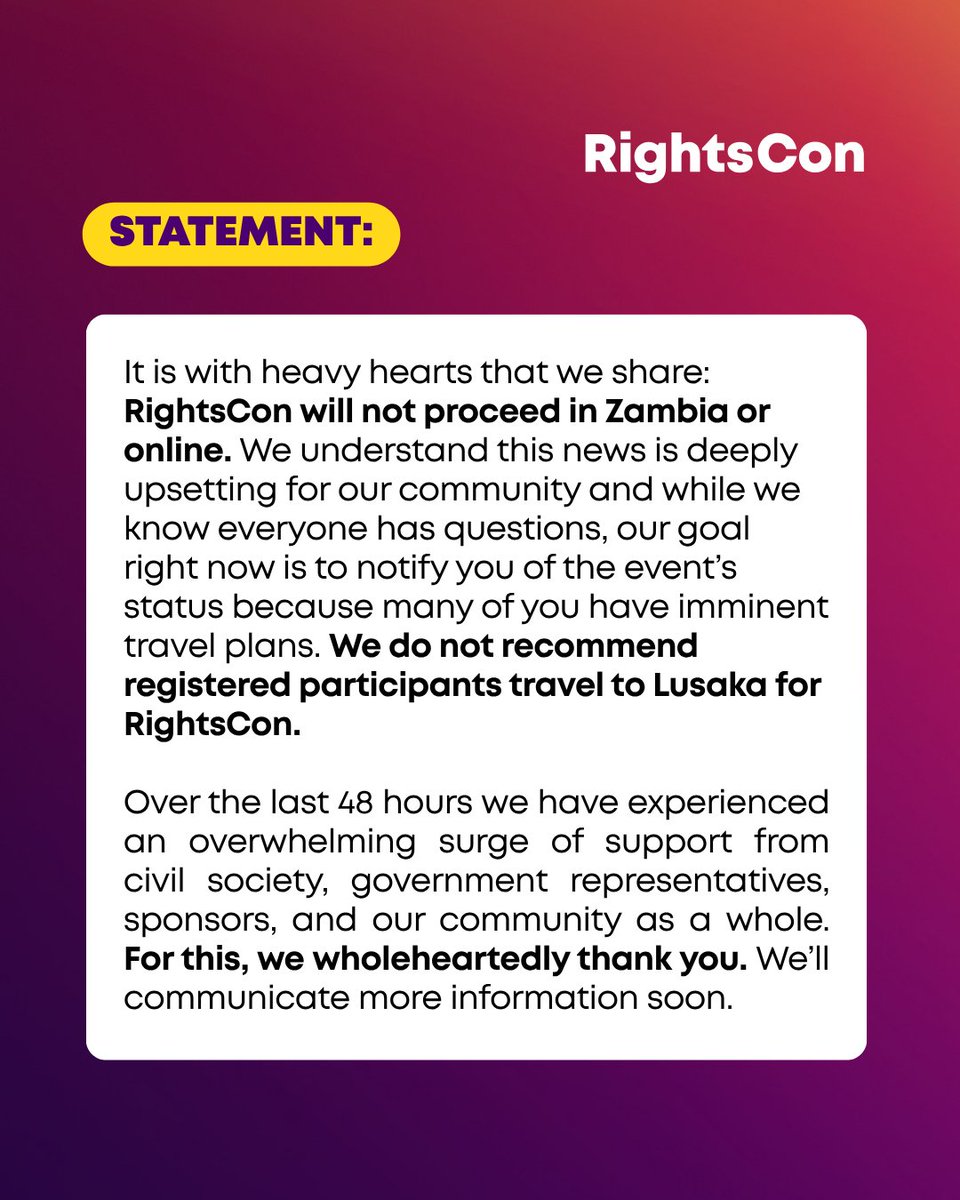
The emphasis on the pressure exerted by the Chinese on the Zambian authorities about admitting delegates from Taiwan to explain the sudden cancellation of the conference should be placed in its proper context. In my view, this excuse is simply the perfect pretext that Zambia needed to conceal the real reason behind the decision: domestic politics. Timing was particularly key, here. Throughout next week, Zambia’s parliament, which is due to stand dissolved on 13 May ahead of the general election, will be sitting to consider not less than 70 bills including a series of more repressive proposed legislation that seek to arrest human rights. It would have been very awkward for the government to discuss and pass these anti-human rights laws while the people in the neighbouring building are denouncing them! This is not to say the Chinese factor did not play a role; it is to situate it into its proper context. It is most absurd to suggest that a conference of over 2000 delegates would have been called off simply because one or two participants from Taiwan, who could have been denied entry visas or sent back on arrival, were going to attend. Zambia had agency and it is most irresponsible to treat the country as a weak sovereign.
The cancellation of the RightsCon summit must be understood within the broader context of the ongoing deterioration of human rights in Zambia under the Hichilema administration. This period has been marked by severe restrictions on the rights to peaceful assembly, free speech, and freedom of association, as well as the retention of repressive laws and the introduction of new cyber legislation that undermines human rights.
In addition, there have been frequent arrests of government critics and political opponents on charges such as criminal libel, sedition, unlawful assembly, and violations of broadly defined hate speech laws. The official justification for cancelling the conference cites concerns regarding the “invited speakers” and “thematic issues.” However, it is plausible that the main motivation was the government’s apprehension that the event would draw international attention to its systematic efforts to undermine human rights. Such scrutiny would have challenged the government’s narrative of an improved human rights environment since Hichilema’s election.
Ironically, by cancelling the summit, the authorities have inadvertently intensified international focus on the shrinking civic and political space in Zambia. For a country seeking a seat on the UN Human Rights Council, these actions demonstrate its unsuitability for such a role. As under the previous administration, human rights in Zambia remain precarious.
A terrible way to wake up and start the week! Dave Farber was one of 3-4 "Grandfathers of the Internet". He not only created code that is still used today, he inspired and trained dozens of students who became key players in the evolution of the Net https://t.co/1sxzfIk3qQ
#JSAC2026 is starting tomorrow, 21 January! 21 Jan is the training day (Japanese only), followed by the main conference on 22–23 Jan. We look forward to seeing you all there! ^YU https://t.co/eJ8elMMX5m
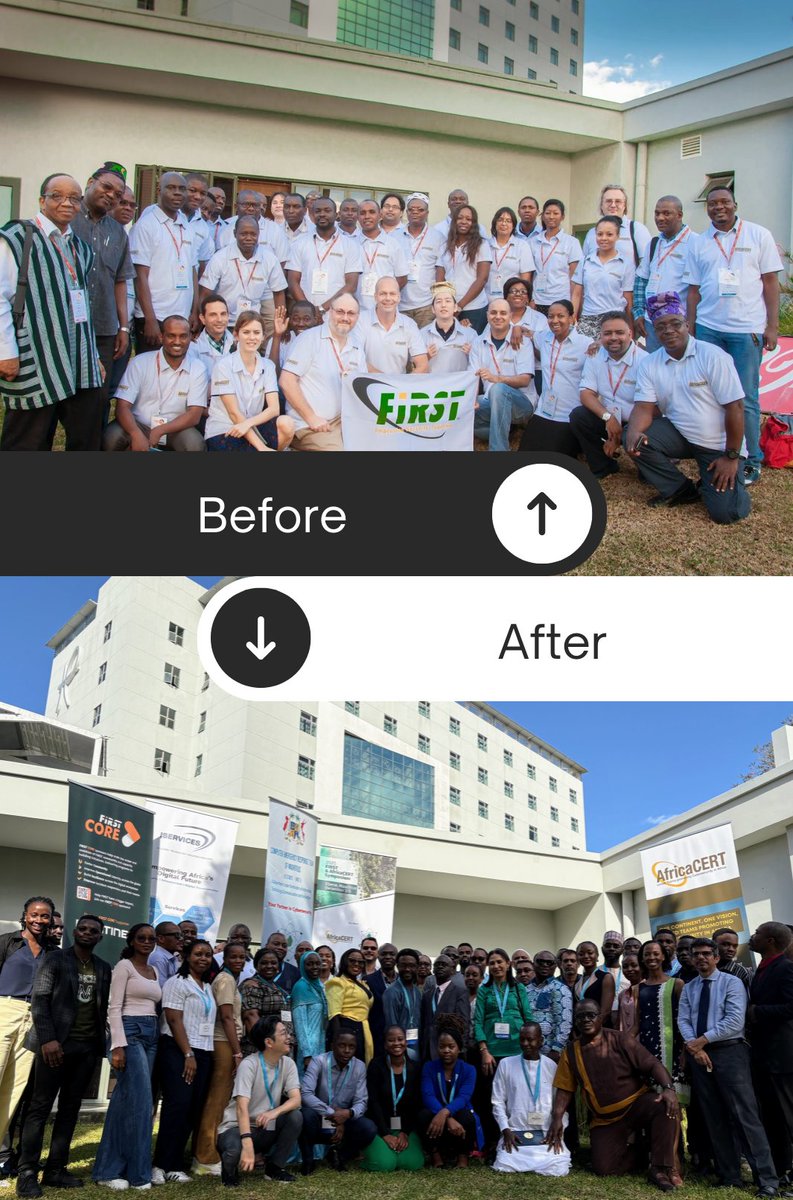
Just returned from the 2025 @FIRSTdotOrg & @AfricaCERT Symposium held in Mauritius with nearly 200 participants from across Africa, incl. the Minister of ICT.
Great to see FIRST’s decade-long efforts in CSIRT capacity-building, now community grows under the UK-supported CORE program.
Africa is full of talented, driven young professionals. Sure to see you in Kenya next year!
“Cable resilience is far more than a technical matter—it underpins national security, economic competitiveness and the Philippines’ ambition to become a regional digital hub.” https://t.co/M8Vl3ASLAG
Eight teams, one global stage — #icctokyo2025.
Congrats to Team Europe for the spot!
Win or lose, everyone earned something for the future.
Honored to serve as a Jury member.