Good point here by @HamidRezaAz : "All things considered, the only genuinely effective option for both sides appears to be a return to diplomacy and the pursuit of a negotiated settlement."
#Iran
You don't have to be an intelligence officer to understand that bombing Iran to soften its negotiation stance is like fornication to preserve virginity
The biggest winner of the Hormuz Strait closure has been Syria. Iran spent tens of billions of dollars and the lives of tens of thousands of Shia militiamen from Iraq, Lebanon, Pakistan and Afghanistan to prop up the Assad regime.
Imagens que não apareceram nas transmissões oficiais dos jogadores argentinos agredindo os espanhóis, após perderem o jogo, mesmo com a ajuda da arbitragem.
Western Iran analysts or Iranian analysts based in the West rarely support the Iranian regime. Yet time and again, those of us who try to explain what we see rather than what we might want to see are accused of being pro regime. Analysis is not advocacy. Explaining the regime’s calculations, constraints, or its resilience does not mean justifying its actions, ignoring Iranian society, or endorsing its rule.
Most serious scholars do not work for Tehran, cannot regularly return to Iran, and do not have privileged access. We spend our time trying to interpret incomplete evidence as carefully and objectively as possible.
Our conclusions should be challenged on the basis of evidence and method, not dismissed as pro regime simply because they do not satisfy opponents of the Islamic Republic be it in the region, the diaspora or the West.
The rich diversity of work on Iran is something I am proud to see. It reflects a broad and increasingly sophisticated field. @CH_MENAP just last week we convened a fantastic day-long research discussion on Iran and the war. There was no consensus view, but there was thoughtful, respectful, and dynamic discussion among participants from across the analytical spectrum. That is what a serious academic and analytical community should look like.
A Few Words on #Iran’s “Strategy”
🔹Iran’s military response to the U.S. campaign over the past two days has escalated both in intensity and in the range of targets. Even so, its approach continues to exhibit two defining characteristics. First, it remains essentially reactive. Second, it remains proportionate – at least according to Iran’s own understanding of proportionality. These two features, however, also mean that Iran’s actions remain insufficient to wrest the initiative away from the United States.
🔹The core of Iran’s “strategy” remains its effort to preserve control over the Strait of Hormuz for as long as necessary, in the expectation that rising oil prices and declining energy reserves will eventually compel President Trump either to back down or to accept a weaker deal. In other words, what we are witnessing is a tactical adaptation designed to sustain the Strait of Hormuz as a strategic stronghold, rather than the emergence of a genuinely new military strategy.
🔹The underlying reason lies in the asymmetry between Iran and the United States in two key areas: military capability and pain threshold. Despite the continued targeting of U.S. military bases, Washington retains the capacity to deploy additional forces and escalate the conflict further. Of course, this does not mean that such escalation would necessarily succeed – it most likely would not – but the capability nevertheless exists.
🔹The asymmetry is even more pronounced when it comes to pain thresholds. The United States is striking Iranian territory, whereas Tehran lacks the ability to target the U.S. homeland. As a result, military escalation, regardless of its operational success, is inherently more costly for Iran because it exacerbates the country’s economic difficulties and domestic social pressures. Compare this with the war in Ukraine, for example, where Ukraine is able to inflict pain directly on enemy territory. This helps explain why Iran has continued to avoid full-scale escalation and has instead maintained a fundamentally reactive posture.
🔹Iran’s calculation is that rising energy prices will eventually impose sufficient costs on the United States to force it to withdraw from the conflict. That said, this approach should not be viewed as fixed or permanent. If Tehran concludes that Washington has decided to return to an all-out war – that is, if it once again perceives an existential threat – it is likely to abandon its current approach and seek to cash in its Strait of Hormuz card sooner by targeting regional energy infrastructure.
🔹In any case, the conflict has now become a contest against time and a war of endurance. The decisive question will be whether Iran’s deteriorating economic and infrastructural conditions outpace the rise in energy prices driven by instability in the Strait of Hormuz, or vice versa.
🔹To reiterate, neither side appears to possess a comprehensive strategy for achieving victory – or for managing the post-victory phase. Beyond relying on the passage of time and pursuing gradual escalation to preserve their respective positions, both sides remain strategically constrained.
This is the most insightful, useful article I've read in a long while.
Money quote: "Trump’s approach makes opponents less likely to comply with his demands, both by revealing the limits of U.S. capabilities and resolve and by undermining the credibility of U.S. assurances that targets will be left alone if they acquiesce."
https://t.co/MwQ3AIbBnH
The US has created a major escalation attacking Iran's critical national infrastructure last night to which Iran responded by attacking the very livelihood of the Gulf: the desalination infrastructure
This is a warning shot of what could come should the US foolishly think it can put boots on the ground on islands or Bandar Abbas
Huge response to our documentary on Minab school strike tonight. Raised in Congress and the White House already. Superbly directed by the brilliant @FloraFmb
Watch here:
https://t.co/I82q0SH4I1
"Sztab Generalny odpowiada: „Nie udzielimy wam żadnych informacji na temat strat osobowych". Najciekawsze fragmenty konferencji prasowej M. Fedorowa i podcastu S. Sternenki.
Wczoraj M. Fedorow - po dymisji ze stanowiska szefa MON w związku z jego konfliktem z gen. Syrskim - zorganizował konferencję prasową, na której przekazał kilka ciekawych informacji o funkcjonowaniu MON-u i relacji z Naczelnym Dowódcą ZSU i SG. Dodatkowe informacje dopowiedział dzisiaj rano podczas podcastu jeden z bliższych współpracowników Fedorowa, bloger S. Sternenko. Poniżej najciekawsze fragmenty wypowiedzi obu tych osób.
O przetargu na dostawy amunicji kalibru 155 mm.
Fedorow:
"Drugi krok, jaki zrobiliśmy, to uruchomienie otwartych przetargów. W pierwszym rzucie kupiliśmy amunicję 155 mm dalekiego zasięgu [chodzi zapewne o pociski M109A1/A2/A3 ze zwiększonym zasięgiem]. Zaoszczędziliśmy, wyobraźcie sobie. Pięć firm w przetargu. Była jedna znana firma, w której niedawno były przeszukania [chodzi zapewne o Ukrainian Armor - dopisek mój] . Ona tam jakoś wychodziła z publicznym przekazem, że rzekomo niszczymy artylerię. My po prostu zrezygnowaliśmy z amunicji 155 mm krótkiego zasięgu [chodzi zapewne o standardowe pociski M107 - dopisek mój], a zaczęliśmy kupować 155 mm dalekiego zasięgu. Oni myśleli, że będą mogli jakoś albo się dogadać, albo, nie wiem, coś się zmieni, przetarg się nie uda... A potem jednak zrozumieli, że przetarg trwa i wszystko jest w porządku. Dołączyli jako szósta firma i obniżyli cenę o 1000 dolarów na każdym pocisku. To jest przykład, Zaoszczędziliśmy ponad 100 milionów dolarów na przetargu na amunicję artyleryjską. "
O zaprzestaniu ataków na mosty na Czonharze przy wejściu na Krym.
Fedorow:
„Code 9.2 [475 Pułk Szturmowy - dopisek mój]. Flint to człowiek, który, nawiasem mówiąc, brał udział w odbiciu Kupiańska. Przerzucili go w rejon Zaporoża, gdzie zaczął niszczyć mosty z Krymu, prowadzić izolację rejonu działań za pomocą dronów, zaczął eliminować sprzęt. Niesamowity profesjonalista. A potem zabrali go stamtąd pod pretekstem, że jest potrzebny gdzie indziej. (...) Zabrali go z Zaporoża, bo odnosił tam sukcesy i kojarzy się ze mną. W tym tkwi wielki problem”
Sternenko:
"Jest jeden z pododdziałów, który efektywnie zaczął niszczyć mosty na północy Krymu. Pamiętacie, były u nas takie uderzenia na północny Krym, kiedy niszczono Rosjanom mosty i oni płakali: "Ojej, co to będzie teraz z logistyką". A potem, być może zauważyliście, przestano uderzać w te mosty na północy Krymu. A wiecie, dlaczego tak się stało? Ponieważ dowódca pododdziału, który to zorganizował, nie był w stu procentach człowiekiem Syrskiego. I kiedy zaczął odnosić sukcesy, zadając te uderzenia, Syrski wysłał go na inny kierunek. Bo po co niszczyć logistykę przeciwnika, skoro robi to człowiek nie w stu procentach lojalny wobec Syrskiego? Tak to się właśnie odbywa."
O utajnieniu przez ukr SG danych na temat strat osobowych.
Sternenko:
"Wyniszczanie zasobów ludzkich bez analizy to zapewne wizytówka pana Syrskiego, ponieważ on nawet nie próbuje analizować strat, jakie ponoszą pododdziały po wykonaniu jego „genialnych” zadań. Za czasów poprzednich ministrów obrony, a przynajmniej do jednego z nich przyszedłem i powiedziałem: "Przeprowadźcie audyt strat" Musimy rozumieć, ilu ludzi traci wojsko".(...) Wtedy tego nie zrobiono, ale zaczęto to robić, gdy w Ministerstwie Obrony pojawił się M. Fedorow. Powiem tak, że w niektórych formacjach należących do "Gwardii Osobistej" Syrskiego sytuacja jest na tyle zła, że nie będę teraz mówić, ile dokładnie czasu nam zostało, ale nie zostało go zbyt wiele, jeśli nadal będziemy tak traktować ludzi. "
(...)
"Bardzo ważne jest liczenie strat, aby rozumieć efektywność jakiejkolwiek operacji, efektywność jakiegokolwiek dowódcy. Ale nikt tego nie robił. A kiedy zaczęto to robić... Co więcej, możecie sobie wyobrazić sytuację, że Sztab Generalny nie przekazuje Ministerstwu Obrony informacji o stratach? A taka sytuacja ma miejsce, przynajmniej miała. Czyli Ministerstwo Obrony, które również powinno liczyć straty, rozumieć je i zajmować się planowaniem, zwraca się do Sztabu Generalnego i mówi: „Powiedzcie nam, proszę, jakie są straty za dany okres albo w danej formacji”, a Sztab Generalny odpowiada: „Nie udzielimy wam żadnych informacji”. Koniec. No i to jest praca. Myślę, że Sztab Generalny sam nie wie, jakie ma straty."
After this video, Fedorov was dismissed.
He published this video just three weeks ago.
And after that, his career at the Ministry of Defense came to an end.
In the video, he speaks about the intense pressure he faced when he took office and began clearing the Ministry of Defense of corrupt schemes.
Billions of dollars were at stake.
He said that his team, together with law enforcement agencies, conducted an investigation, identified individuals and companies considered suspicious, and required everyone to undergo polygraph testing.
Those who passed remained in their positions. Those who failed were dismissed.
He also held a meeting with about a thousand Ministry of Defense employees and gave them a clear warning:
> "If even one person or one company among you thinks about running procurement schemes in the Ministry of Defense, I will personally do everything possible to make sure you end up in prison."
So...
They did not go to prison.
Instead, corrupt interests united and found ways to influence Zelensky so that he would dismiss Fedorov.
As a result...
Corruption and procurement schemes are returning to the Ministry of Defense.
Ukraine and the Ministry of Defense have lost.
And that is something people need to understand.
US forces radioed a message to ships near the strait Tuesday saying ‘the southern route of the strait remains open’
“F— off,” one sailor is heard over marine radio, according to a recording reviewed by @wsj https://t.co/tlEOXkFHPY
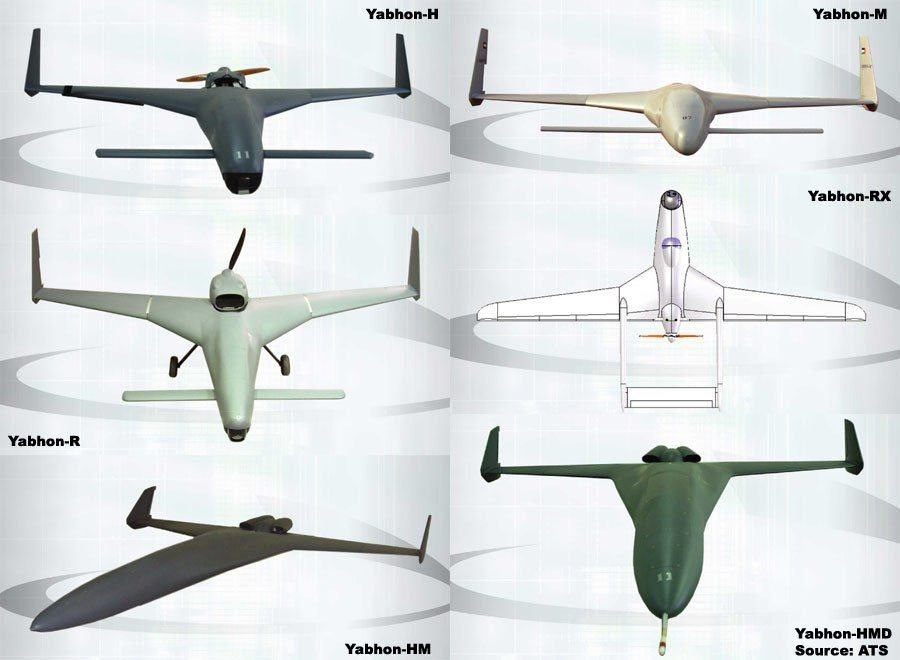
Emirati drone from Yabhon family in area, as claimed, Iranian port Bandar Abbas. Many such kamikaze drones from this familiy were used by UAE for attacks agaist Iran in March-April. If this is new video, means the UAE again has secretly joined the war against Iran.
It's easy in the West to romanticize Ukraine given what it's been through and what it's withstood. But that tendency is quickly erased the minute you talk to Ukrainians. These are near-universal complaints and criticisms about the state of the AFU. And if you really want to indulge in romanticism, consider how much better Ukraine would be doing on the battlefield now, when it is doing reasonably well, if these problems were seriously addressed and corrected.
‼️FIRST PRESS CONFERENCE OF FEDOROV AFTER HIS DISMISSAL: When the President said he had no plans to replace Syrskyi, that was his decision as Commander-in-Chief. I fully accepted that decision and said, “I will learn to work with him because, ultimately, our client is the Ukrainian people.” I was patient and ready to work calmly—until the Commander-in-Chief (Syrskyi) issued an ultimatum.
—————————————————
“When the President said he had no plans to replace Syrskyi, that was his decision as Commander-in-Chief. And I fully agreed with that decision and said: I will learn to work with him, because our client is still the Ukrainian people, not someone else. And so you have to work with it. But we ran into the fact that all the initiatives we propose, they started getting blocked. And Syrskyi, considering all the problems we talked about today, is not really personally willing to openly talk about the problems. He is willing to attend meetings personally, weave intrigues, and believe that someone is orchestrating a media campaign against him, yet he fails to see the problem with the actions being taken. And this ultimately led him to issue an ultimatum, as you and I already know. And instead of figuring out how to asymmetrically overpower Russia, which is the Commander's task, he figured out how to split the country, where we are today. And there's a big problem here, because by my nature, I'm not the type to complain (to snitch) about the problems that exist. I'm an analyst, I came in, and I'm like: if we want to win, we need to do this. But I didn't set the conditions— either me, or Syrskyi. I said: let's just outmaneuver Russia with a Commander like this. Because in reality, Syrskyi in 2022 saved our country, among other things. He led the Kyiv operation, took a part in it, led the Kharkiv operation, took part in Kherson operation, and many other operations. We can't, we simply can't just say about such a commander that he's, well, underperforming. But the war has changed completely. Drones are changing everything, completely reshaping the architecture, because some new drone features appear at least four times a year, and 20-30 things are changing in the technologies per year. The management system has changed, and we need to change with it. We can't keep riding on what worked back then. We need to understand what was good back then and what we need to do now to defeat Russia, since the Ukrainian people remain our client in this work. And I don’t think this is a matter of ego. I think there are some other reasons for that. But at that moment, I was ready. As I said, many documents weren’t signed, and I spoke about it openly. If we want to play by bureaucratic rules, then let’s do it. They told me, “Don’t touch it.” And I was patient and ready to work calmly, until the Commander-in-Chief (Syrskyi) issued an ultimatum” - Former Minister of Defense of Ukraine, Mykhailo Fedorov.
Elbridge Colby wants the benefits of an empire without any of the responsibilities.
Elbridge Colby's latest lecturing of US allies shows just how out of touch Washington is with the reality of its own decline. He wants to have it both ways, but his logic is falling apart.
The current Under Secretary of Defense for Policy, Elbridge Colby, has a track record defined by failing to deliver his promised pivot to Asia and advocating for policies that cost countless Ukrainian lives.
Despite this, he is currently trying to tell middle powers how to manage their defense. During both of Trump's terms, the US urged Europe and other allies to spend more and stop relying on American taxpayers. It was a reasonable point, and allies are finally taking steps to increase their defense capabilities.
But the moment these countries try to build a collective middle power strategy, Colby starts warning them against it. In a recent X thread, he argued that allies should not build up their own defense industrial bases because they cannot compete with the US. He wants them to spend more, but only to buy American weapons, ensuring they stay entirely dependent on US goodwill.
You simply cannot have it both ways. In the past, relying on US weapons made sense because the US guaranteed security. But Colby is asking allies to maintain their dependence while the US actively disengages, reduces European troop levels, cuts aid to Ukraine, starts trade wars, and appeases shared adversaries. If the US is going to behave like an unreliable partner, why would Denmark, Canada, or any European country spend billions on US weapons instead of investing in their own domestic industries and cutting their dependence?
You cannot destroy your own geopolitical leverage and still expect allies to blindly follow your demands.
Trust is a currency, and the US has spent the last 18 months destroying it. Had Washington stood by Ukraine and maintained its commitments, it would have the leverage to negotiate. Instead, they destroyed their own influence, and no one is going to sacrifice their own industrial sovereignty for a partner that is already walking out the door
This article is quite a useful read for those who believe that russia will not dare open a new front against NATO members as long as it continues its war in Ukraine.
This observation is particularly spot-on when it comes to the way that the russians are likely to be assessing the level of readiness of NATO armed Forces in case of such an attack:
"NATO militaries are not pursuing the larger force sizes that would enable them to hold the line, or the mass adoption of drones and drone formations within their force structure that would allow them to achieve effects similar to those of the Ukrainian Armed Forces" https://t.co/ORRmJASBeI
Pleased to share our latest with @ForeignPolicy co-authored with @DrRGeistPinfold:
We argue "the Gulf states are only as strong as their weakest link."
Iran doesn't have to defeat the Gulf. It just has to exploit its weakest members. Iranian predatorial aggression on Kuwait and Bahrain reveals why bilateral hedging (with Israel or Iran) and solo deterrence have both failed. Without genuine collective security, every Gulf capital is exposed. https://t.co/MNhLo25Wfi


![Thorkill65's tweet photo. "Sztab Generalny odpowiada: „Nie udzielimy wam żadnych informacji na temat strat osobowych". Najciekawsze fragmenty konferencji prasowej M. Fedorowa i podcastu S. Sternenki.
Wczoraj M. Fedorow - po dymisji ze stanowiska szefa MON w związku z jego konfliktem z gen. Syrskim - zorganizował konferencję prasową, na której przekazał kilka ciekawych informacji o funkcjonowaniu MON-u i relacji z Naczelnym Dowódcą ZSU i SG. Dodatkowe informacje dopowiedział dzisiaj rano podczas podcastu jeden z bliższych współpracowników Fedorowa, bloger S. Sternenko. Poniżej najciekawsze fragmenty wypowiedzi obu tych osób.
O przetargu na dostawy amunicji kalibru 155 mm.
Fedorow:
"Drugi krok, jaki zrobiliśmy, to uruchomienie otwartych przetargów. W pierwszym rzucie kupiliśmy amunicję 155 mm dalekiego zasięgu [chodzi zapewne o pociski M109A1/A2/A3 ze zwiększonym zasięgiem]. Zaoszczędziliśmy, wyobraźcie sobie. Pięć firm w przetargu. Była jedna znana firma, w której niedawno były przeszukania [chodzi zapewne o Ukrainian Armor - dopisek mój] . Ona tam jakoś wychodziła z publicznym przekazem, że rzekomo niszczymy artylerię. My po prostu zrezygnowaliśmy z amunicji 155 mm krótkiego zasięgu [chodzi zapewne o standardowe pociski M107 - dopisek mój], a zaczęliśmy kupować 155 mm dalekiego zasięgu. Oni myśleli, że będą mogli jakoś albo się dogadać, albo, nie wiem, coś się zmieni, przetarg się nie uda... A potem jednak zrozumieli, że przetarg trwa i wszystko jest w porządku. Dołączyli jako szósta firma i obniżyli cenę o 1000 dolarów na każdym pocisku. To jest przykład, Zaoszczędziliśmy ponad 100 milionów dolarów na przetargu na amunicję artyleryjską. "
O zaprzestaniu ataków na mosty na Czonharze przy wejściu na Krym.
Fedorow:
„Code 9.2 [475 Pułk Szturmowy - dopisek mój]. Flint to człowiek, który, nawiasem mówiąc, brał udział w odbiciu Kupiańska. Przerzucili go w rejon Zaporoża, gdzie zaczął niszczyć mosty z Krymu, prowadzić izolację rejonu działań za pomocą dronów, zaczął eliminować sprzęt. Niesamowity profesjonalista. A potem zabrali go stamtąd pod pretekstem, że jest potrzebny gdzie indziej. (...) Zabrali go z Zaporoża, bo odnosił tam sukcesy i kojarzy się ze mną. W tym tkwi wielki problem”
Sternenko:
"Jest jeden z pododdziałów, który efektywnie zaczął niszczyć mosty na północy Krymu. Pamiętacie, były u nas takie uderzenia na północny Krym, kiedy niszczono Rosjanom mosty i oni płakali: "Ojej, co to będzie teraz z logistyką". A potem, być może zauważyliście, przestano uderzać w te mosty na północy Krymu. A wiecie, dlaczego tak się stało? Ponieważ dowódca pododdziału, który to zorganizował, nie był w stu procentach człowiekiem Syrskiego. I kiedy zaczął odnosić sukcesy, zadając te uderzenia, Syrski wysłał go na inny kierunek. Bo po co niszczyć logistykę przeciwnika, skoro robi to człowiek nie w stu procentach lojalny wobec Syrskiego? Tak to się właśnie odbywa."
O utajnieniu przez ukr SG danych na temat strat osobowych.
Sternenko:
"Wyniszczanie zasobów ludzkich bez analizy to zapewne wizytówka pana Syrskiego, ponieważ on nawet nie próbuje analizować strat, jakie ponoszą pododdziały po wykonaniu jego „genialnych” zadań. Za czasów poprzednich ministrów obrony, a przynajmniej do jednego z nich przyszedłem i powiedziałem: "Przeprowadźcie audyt strat" Musimy rozumieć, ilu ludzi traci wojsko".(...) Wtedy tego nie zrobiono, ale zaczęto to robić, gdy w Ministerstwie Obrony pojawił się M. Fedorow. Powiem tak, że w niektórych formacjach należących do "Gwardii Osobistej" Syrskiego sytuacja jest na tyle zła, że nie będę teraz mówić, ile dokładnie czasu nam zostało, ale nie zostało go zbyt wiele, jeśli nadal będziemy tak traktować ludzi. "
(...)
"Bardzo ważne jest liczenie strat, aby rozumieć efektywność jakiejkolwiek operacji, efektywność jakiegokolwiek dowódcy. Ale nikt tego nie robił. A kiedy zaczęto to robić... Co więcej, możecie sobie wyobrazić sytuację, że Sztab Generalny nie przekazuje Ministerstwu Obrony informacji o stratach? A taka sytuacja ma miejsce, przynajmniej miała. Czyli Ministerstwo Obrony, które również powinno liczyć straty, rozumieć je i zajmować się planowaniem, zwraca się do Sztabu Generalnego i mówi: „Powiedzcie nam, proszę, jakie są straty za dany okres albo w danej formacji”, a Sztab Generalny odpowiada: „Nie udzielimy wam żadnych informacji”. Koniec. No i to jest praca. Myślę, że Sztab Generalny sam nie wie, jakie ma straty."](https://pbs.twimg.com/media/HNbwGFzXsAAWX2u.jpg)


![Thorkill65's tweet photo. "Sztab Generalny odpowiada: „Nie udzielimy wam żadnych informacji na temat strat osobowych". Najciekawsze fragmenty konferencji prasowej M. Fedorowa i podcastu S. Sternenki.
Wczoraj M. Fedorow - po dymisji ze stanowiska szefa MON w związku z jego konfliktem z gen. Syrskim - zorganizował konferencję prasową, na której przekazał kilka ciekawych informacji o funkcjonowaniu MON-u i relacji z Naczelnym Dowódcą ZSU i SG. Dodatkowe informacje dopowiedział dzisiaj rano podczas podcastu jeden z bliższych współpracowników Fedorowa, bloger S. Sternenko. Poniżej najciekawsze fragmenty wypowiedzi obu tych osób.
O przetargu na dostawy amunicji kalibru 155 mm.
Fedorow:
"Drugi krok, jaki zrobiliśmy, to uruchomienie otwartych przetargów. W pierwszym rzucie kupiliśmy amunicję 155 mm dalekiego zasięgu [chodzi zapewne o pociski M109A1/A2/A3 ze zwiększonym zasięgiem]. Zaoszczędziliśmy, wyobraźcie sobie. Pięć firm w przetargu. Była jedna znana firma, w której niedawno były przeszukania [chodzi zapewne o Ukrainian Armor - dopisek mój] . Ona tam jakoś wychodziła z publicznym przekazem, że rzekomo niszczymy artylerię. My po prostu zrezygnowaliśmy z amunicji 155 mm krótkiego zasięgu [chodzi zapewne o standardowe pociski M107 - dopisek mój], a zaczęliśmy kupować 155 mm dalekiego zasięgu. Oni myśleli, że będą mogli jakoś albo się dogadać, albo, nie wiem, coś się zmieni, przetarg się nie uda... A potem jednak zrozumieli, że przetarg trwa i wszystko jest w porządku. Dołączyli jako szósta firma i obniżyli cenę o 1000 dolarów na każdym pocisku. To jest przykład, Zaoszczędziliśmy ponad 100 milionów dolarów na przetargu na amunicję artyleryjską. "
O zaprzestaniu ataków na mosty na Czonharze przy wejściu na Krym.
Fedorow:
„Code 9.2 [475 Pułk Szturmowy - dopisek mój]. Flint to człowiek, który, nawiasem mówiąc, brał udział w odbiciu Kupiańska. Przerzucili go w rejon Zaporoża, gdzie zaczął niszczyć mosty z Krymu, prowadzić izolację rejonu działań za pomocą dronów, zaczął eliminować sprzęt. Niesamowity profesjonalista. A potem zabrali go stamtąd pod pretekstem, że jest potrzebny gdzie indziej. (...) Zabrali go z Zaporoża, bo odnosił tam sukcesy i kojarzy się ze mną. W tym tkwi wielki problem”
Sternenko:
"Jest jeden z pododdziałów, który efektywnie zaczął niszczyć mosty na północy Krymu. Pamiętacie, były u nas takie uderzenia na północny Krym, kiedy niszczono Rosjanom mosty i oni płakali: "Ojej, co to będzie teraz z logistyką". A potem, być może zauważyliście, przestano uderzać w te mosty na północy Krymu. A wiecie, dlaczego tak się stało? Ponieważ dowódca pododdziału, który to zorganizował, nie był w stu procentach człowiekiem Syrskiego. I kiedy zaczął odnosić sukcesy, zadając te uderzenia, Syrski wysłał go na inny kierunek. Bo po co niszczyć logistykę przeciwnika, skoro robi to człowiek nie w stu procentach lojalny wobec Syrskiego? Tak to się właśnie odbywa."
O utajnieniu przez ukr SG danych na temat strat osobowych.
Sternenko:
"Wyniszczanie zasobów ludzkich bez analizy to zapewne wizytówka pana Syrskiego, ponieważ on nawet nie próbuje analizować strat, jakie ponoszą pododdziały po wykonaniu jego „genialnych” zadań. Za czasów poprzednich ministrów obrony, a przynajmniej do jednego z nich przyszedłem i powiedziałem: "Przeprowadźcie audyt strat" Musimy rozumieć, ilu ludzi traci wojsko".(...) Wtedy tego nie zrobiono, ale zaczęto to robić, gdy w Ministerstwie Obrony pojawił się M. Fedorow. Powiem tak, że w niektórych formacjach należących do "Gwardii Osobistej" Syrskiego sytuacja jest na tyle zła, że nie będę teraz mówić, ile dokładnie czasu nam zostało, ale nie zostało go zbyt wiele, jeśli nadal będziemy tak traktować ludzi. "
(...)
"Bardzo ważne jest liczenie strat, aby rozumieć efektywność jakiejkolwiek operacji, efektywność jakiegokolwiek dowódcy. Ale nikt tego nie robił. A kiedy zaczęto to robić... Co więcej, możecie sobie wyobrazić sytuację, że Sztab Generalny nie przekazuje Ministerstwu Obrony informacji o stratach? A taka sytuacja ma miejsce, przynajmniej miała. Czyli Ministerstwo Obrony, które również powinno liczyć straty, rozumieć je i zajmować się planowaniem, zwraca się do Sztabu Generalnego i mówi: „Powiedzcie nam, proszę, jakie są straty za dany okres albo w danej formacji”, a Sztab Generalny odpowiada: „Nie udzielimy wam żadnych informacji”. Koniec. No i to jest praca. Myślę, że Sztab Generalny sam nie wie, jakie ma straty."](https://pbs.twimg.com/media/HNbwHKuXgAAjDRd.jpg)