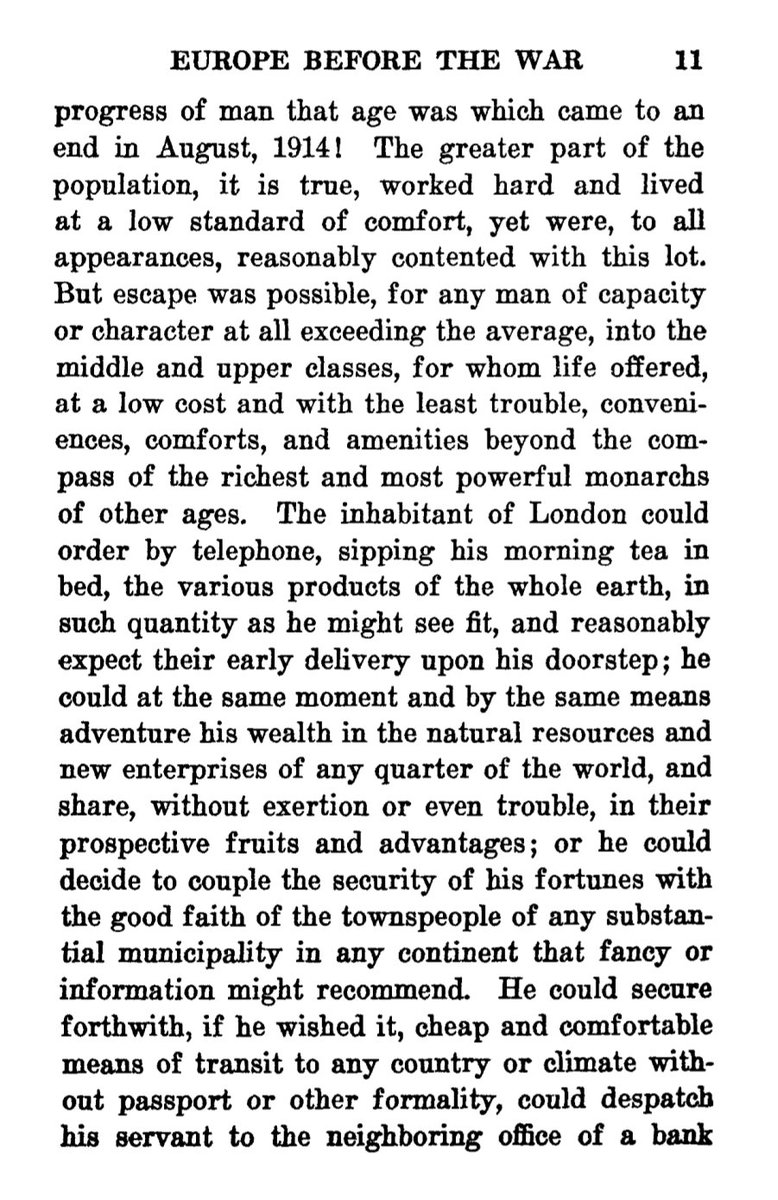
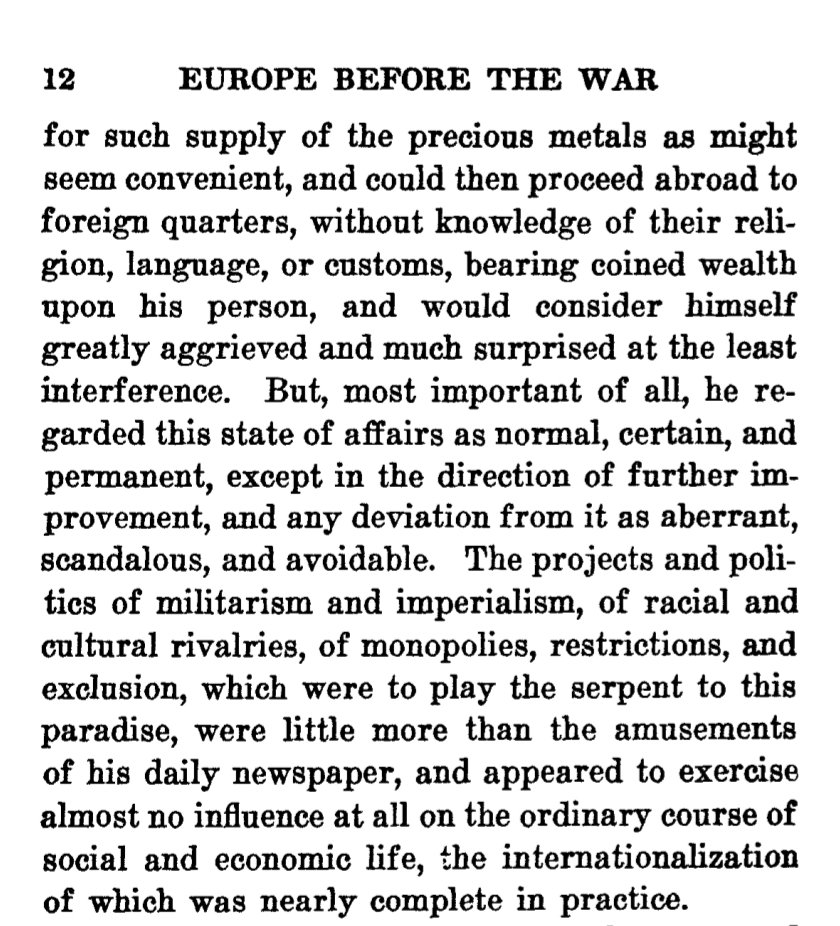
Sometimes I worry that I'm going to spend the second half of my life explaining the period between the end of the Cold War and the global financial crisis to young people the way Keynes described international life before the beginning of the First World War
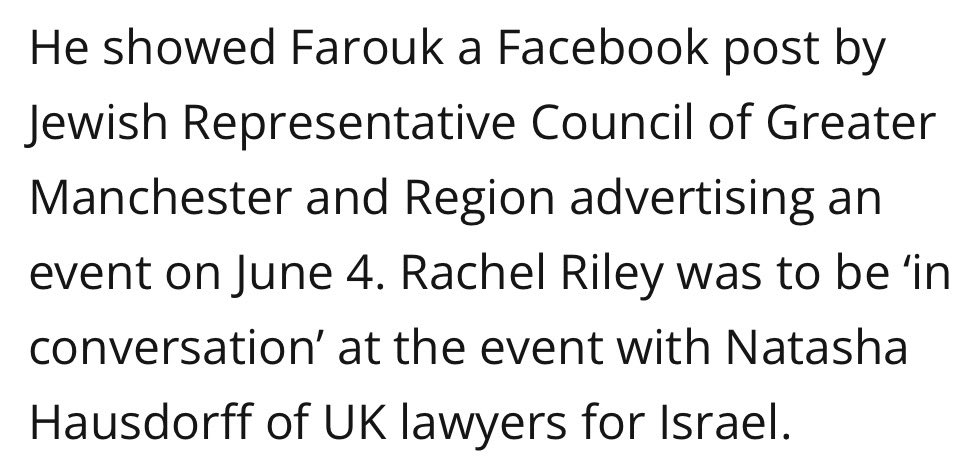
Antisemitic terrorist Walid Saadaoui discussed attacking Rachel Riley with undercover agent Farouk which shows how the hate directed at her in wider antisemitic ‘activism’ has made her a target by those prepared to turn words into action.
The sort of people who cheerleaded for a political orthodoxy that gutted our industrial base, delegitimised the validity of the nation state and shredded our armed services turning round and saying that anyone who points this out is a Putin apologist is frankly beneath contempt
They didn’t know what was happening but Boris and Sofia Gurman, 69 and 61 saw a man twice their size with a shotgun and decided to tackle him. Can you imagine the courage and bravery you’d need to do that. Don’t forget them.
@Joe___Allen The funniest was this podcast with @OliDugmore coming out the same day the NCA announced they had picked up *920* people for offences related to front shops and the BBC interviewed the fixers who explained all the mechanisms https://t.co/cCJHw9uDvG
NEW I was asked by @Telegraph to look into the growth of Turkish-style barbershops in the UK.
Aside from legit premises what emerges is a network of barbers that are fronts for organised crime, money laundering in particular.
Free to read, here: https://t.co/lVUAxwZD9l
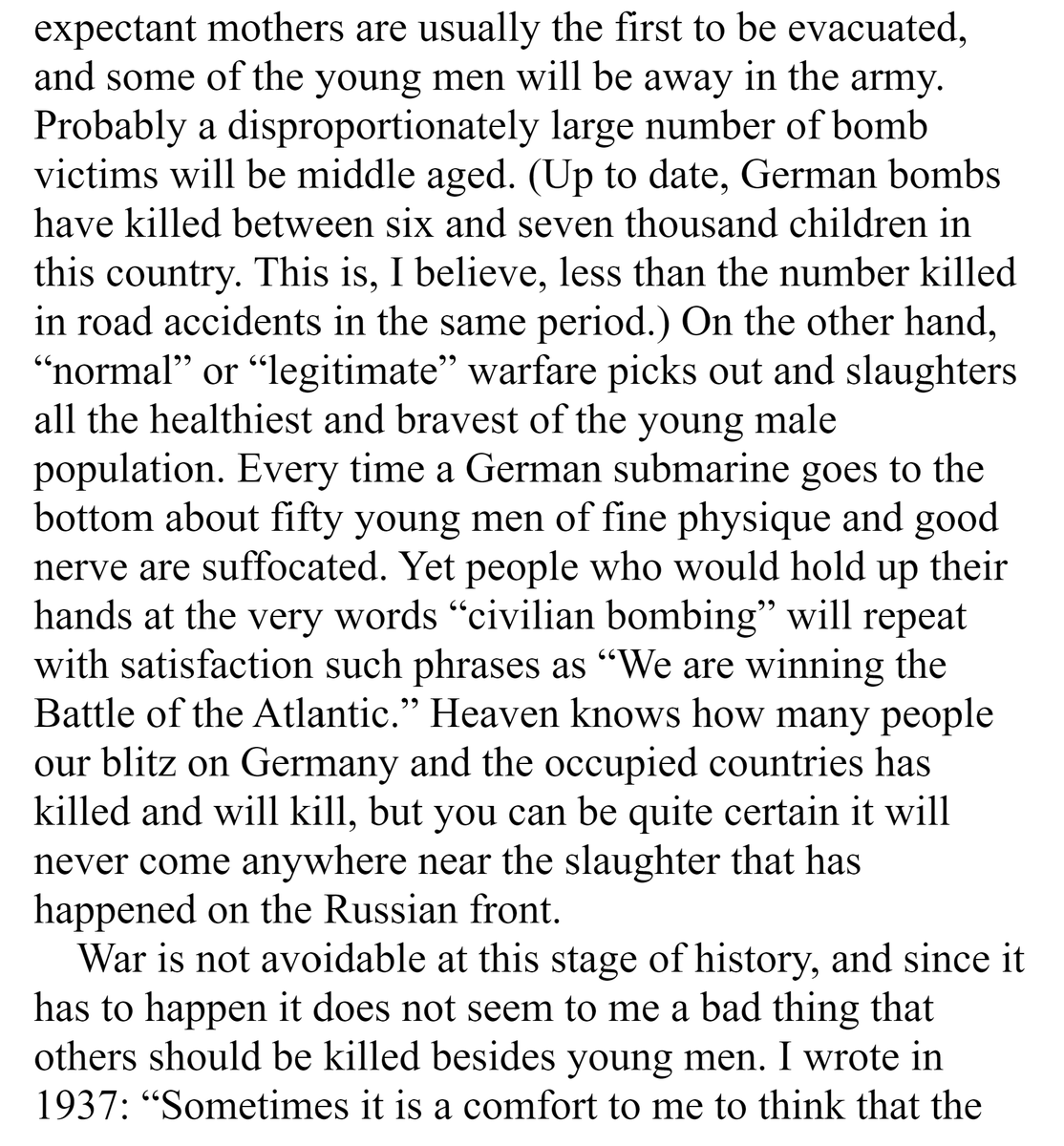
During and after the war, George Orwell wrote a weekly column for Tribune, called "As I Please". This is the one from May 19th, 1944, in which he makes a tough but convincing argument in favour of strategically bombing German cities. It's a conversation starter, certainly.
(1/3)
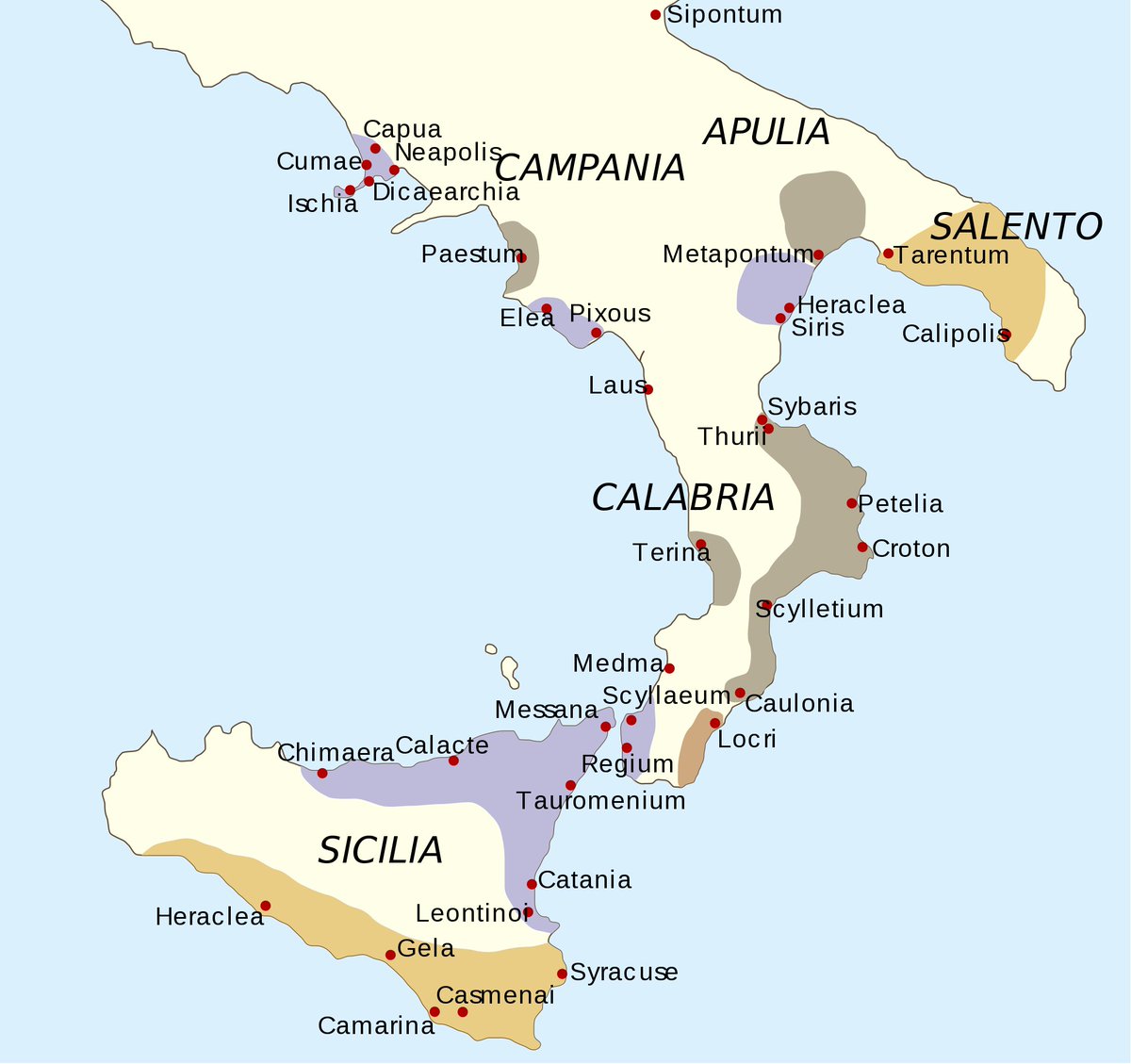
While this map shows the immense spread of Greek influence, there is a bizarre military anecdote regarding Sybaris (located in the arch of the Italian boot). The Sybarites were so obsessed with luxury-hence the modern term sybarite-that they allegedly taught their horses to dance to the sound of pipes at their feasts and public entertainments.
According to later anecdotes preserved by Athenaeus quoting Aristotle, their rivals in Croton learned this secret. During the decisive battle in 510 BC, the Crotonian army didn't just charge; their musicians began playing the specific dance tunes the horses knew. Instead of attacking, the Sybarite horses began to dance rhythmically, throwing their riders into chaos. Sybaris wasn't just defeated; according to later Greek writers, the Crotonians diverted the river Crathis over the ruined city to erase it from the map, and in any case the archaeological remains there are now buried so deeply under waterlogged sediment today.
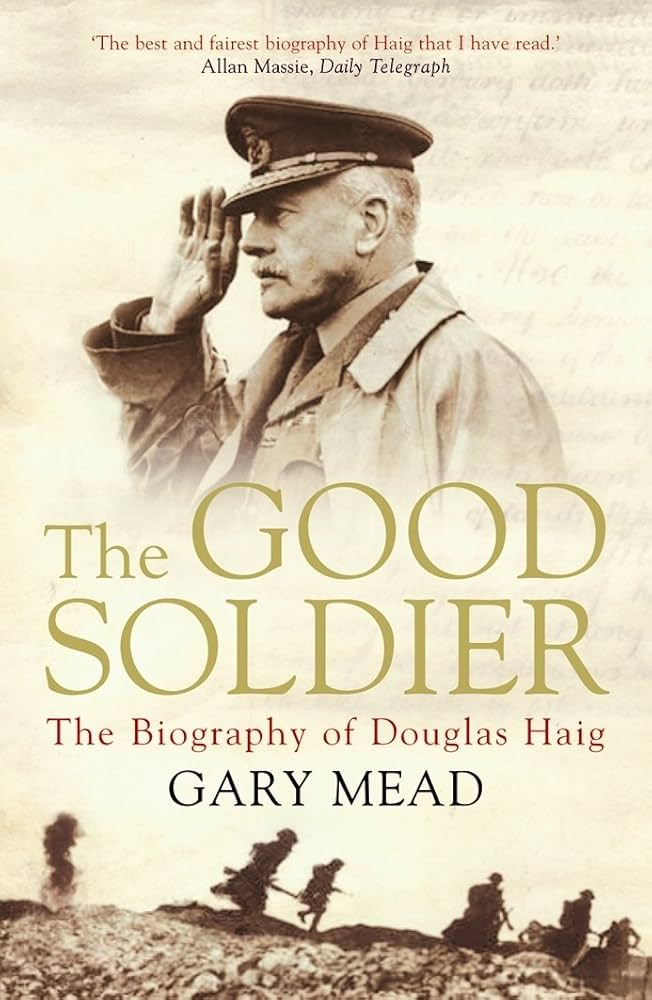
Today I'll be remembering my grandfather James Ritchie and the men of the Bucks Battalion.
In this episode of @wehavewayspod from 28th May 2020 my father Ingram takes us through what happened to the men from the Territorial Army.
#RemembranceDay
https://t.co/FU9Un2rKRk