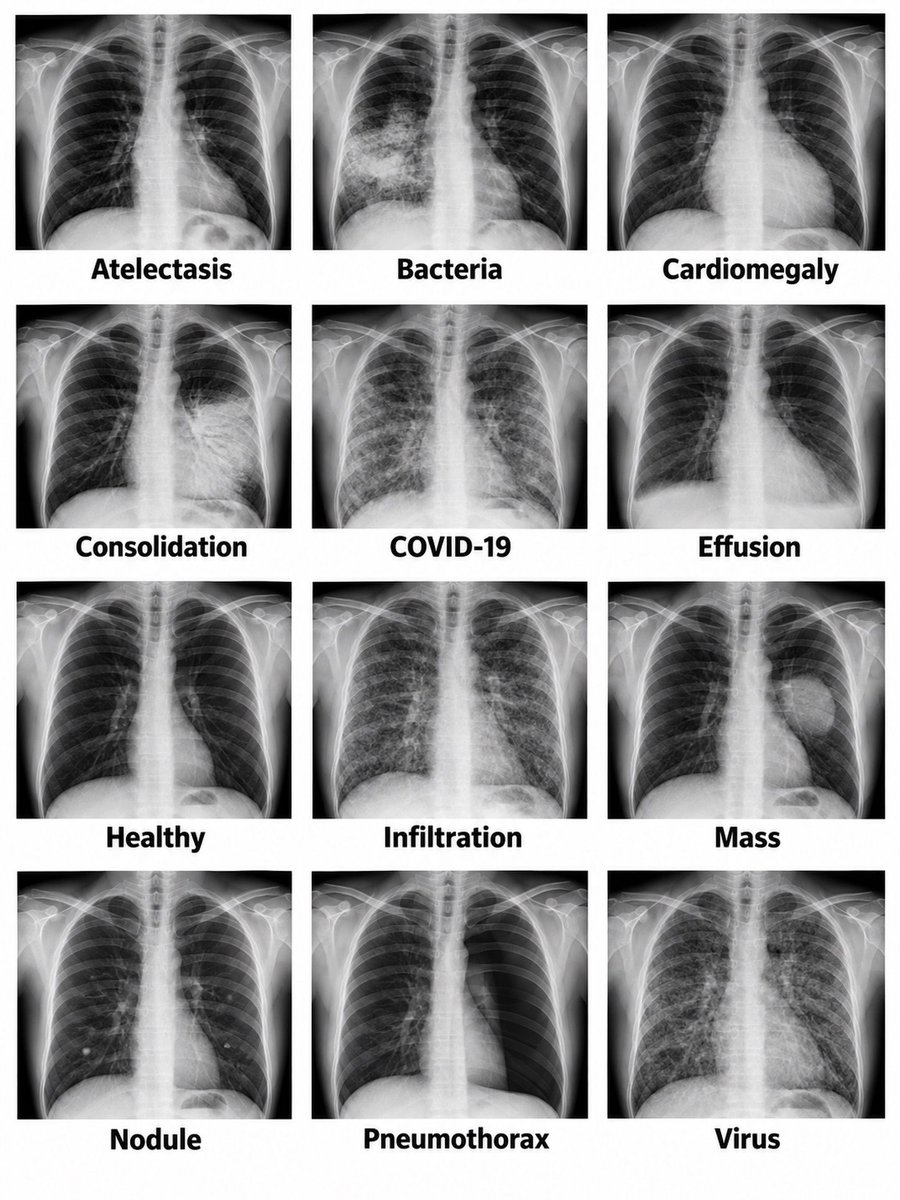
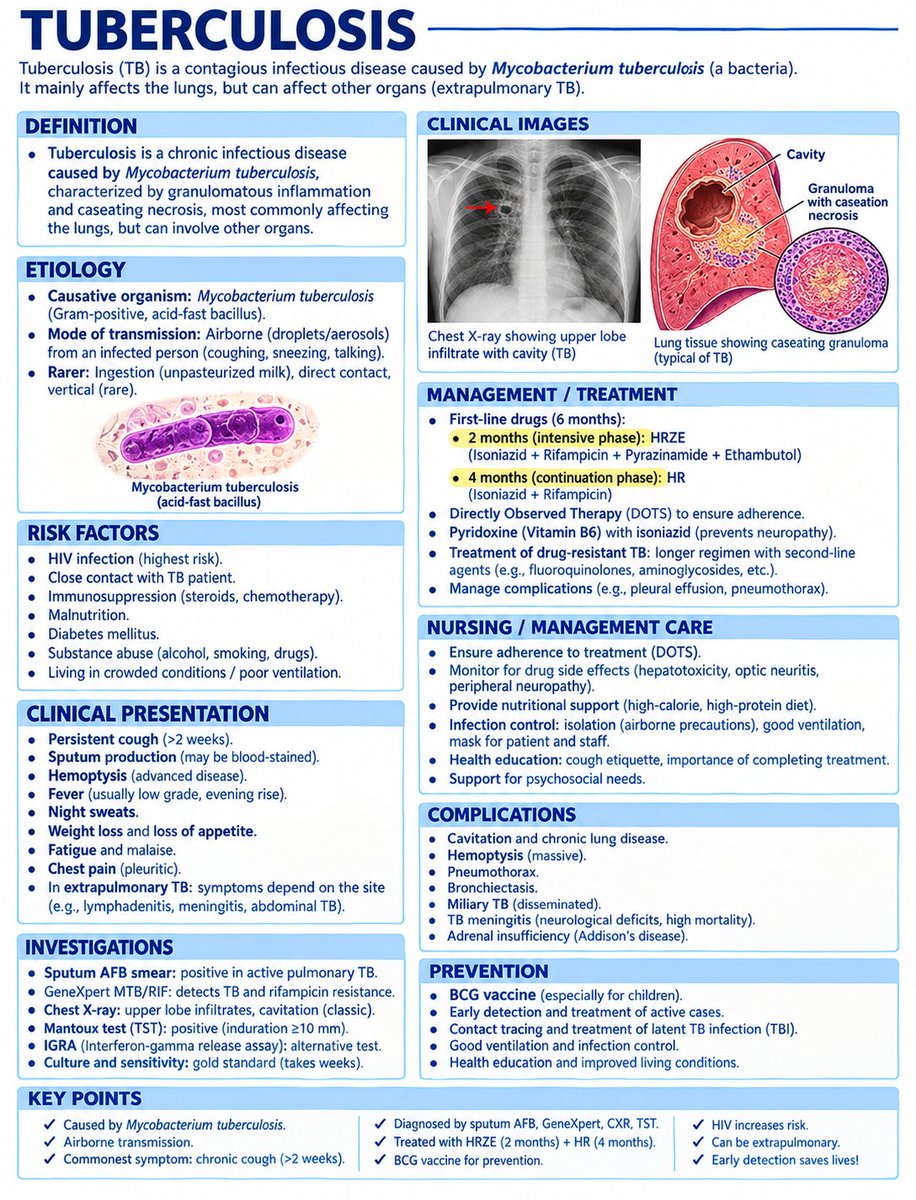
A 43 y/o smoker presents with dyspnea, cough and pleuritic chest pain.
What is the most likely radiographic finding?
A. Right upper-lobe collapse
B. Right lower-lobe consolidation
C. Pleural effusion
D. Pulmonary edema
“Banyarwanda”
in Rwanda 🇷🇼
Congo 🇨🇩 Uganda 🇺🇬 & Tanzania 🇹🇿
Looking at these “historical documents” attached.
It is a historical fact that pre-colonial Rwanda - inhabited by the Banyarwanda - was amputated of significant portions of its historical territory, leaving substantial Banyarwanda populations living outside the borders of what subsequently became Rwanda during the “colonial” occupation and at it’s independence.
I would add that what is missing here, in the documents, is one related to the territory that went to Germany and was later incorporated into German Tanganyika, which ultimately became part of Tanzania, including Zanzibar.
The territory that remained as Rwanda was placed under a different colonial status. Rwanda was governed through indirect rule rather than being administered in exactly the same manner as a conventional colony.
Across these different territories and political arrangements, and depending largely on the nature of local governance, there have been recurring acts of violence against Banyarwanda communities, although the intensity has varied considerably. In many instances, the level of violence depended on how much the central authorities were willing to tolerate … or, at times, whether they were themselves complicit in it.
For ordinary people, part of the problem may have been simple ignorance. Many did not understand why Banyarwanda communities were living among them when Rwanda existed as a country associated with the same population. Unlike many of the neighboring communities, the Banyarwanda had a state that bore the same identity as their broader community. Yet this ignorance was not the only factor. There was also, at various times, a desire to appropriate the land and wealth of Banyarwanda communities.
This was facilitated by the fact that Banyarwanda communities were often highly organized, economically active, and socially cohesive characteristics deeply rooted in their culture and civilization. Their organization and prosperity could consequently become a source of resentment, competition, and ultimately hostility.
Evidence of this pattern can already be found in 1965. An airgram written by a U.S. Department of State official provides a detailed account of violence committed by local communities against Banyarwanda populations in Congo.
Another part of the historical record explains how, in Uganda, some Banyarwanda adopted the name “Bafumbira” as a way of navigating the political and social pressures surrounding their identity. (Note, that by then there had also been an influx of Rwandan refugees who had fled Rwanda as a result of early acts of Genocide under Belgian rule before independence.)
A similar process occurred in South Kivu, in the Democratic Republic of Congo, where Banyarwanda communities in South Kivu came to be known as Banyamulenge.
These recurring episodes of violence and the political pressures surrounding Banyarwanda identity cannot be understood independently of the history of colonization and its aftermath. The colonial division of territories separated communities that had previously belonged to interconnected political, cultural, and social spaces, creating borders that did not necessarily correspond to the realities of the populations living across them.
It is also important to challenge the assumption that these conflicts were fundamentally the result of “scarcity of land.” In many of these territories, the problem has not been an absolute lack of land. Rather, the deeper issue has been the way land, identity, citizenship, and political power have been governed.
The recurring violence against Banyarwanda communities is therefore better understood in the context of colonial legacies and post-colonial failures of governance - particularly the manipulation of identity, exclusionary politics, unequal access to land and resources, and the willingness of authorities to tolerate or participate in violence against particular communities.
Dodoma ikifika 2040 huko utakua mji mzuri sana. Mji umepangwa vizuri hakuna slums wala sijui mambo ya Mkurabita. Vijana wenye kupenda kuishi miji mizuri tafuteni plots Dodoma. ��🏿