Dean & Prof. @FletcherSchool, Director @policy_climate, Co-director @cierp_fletcher, @CarnegieEndow: innovation, low-carbon transition, development. RT≠endorse
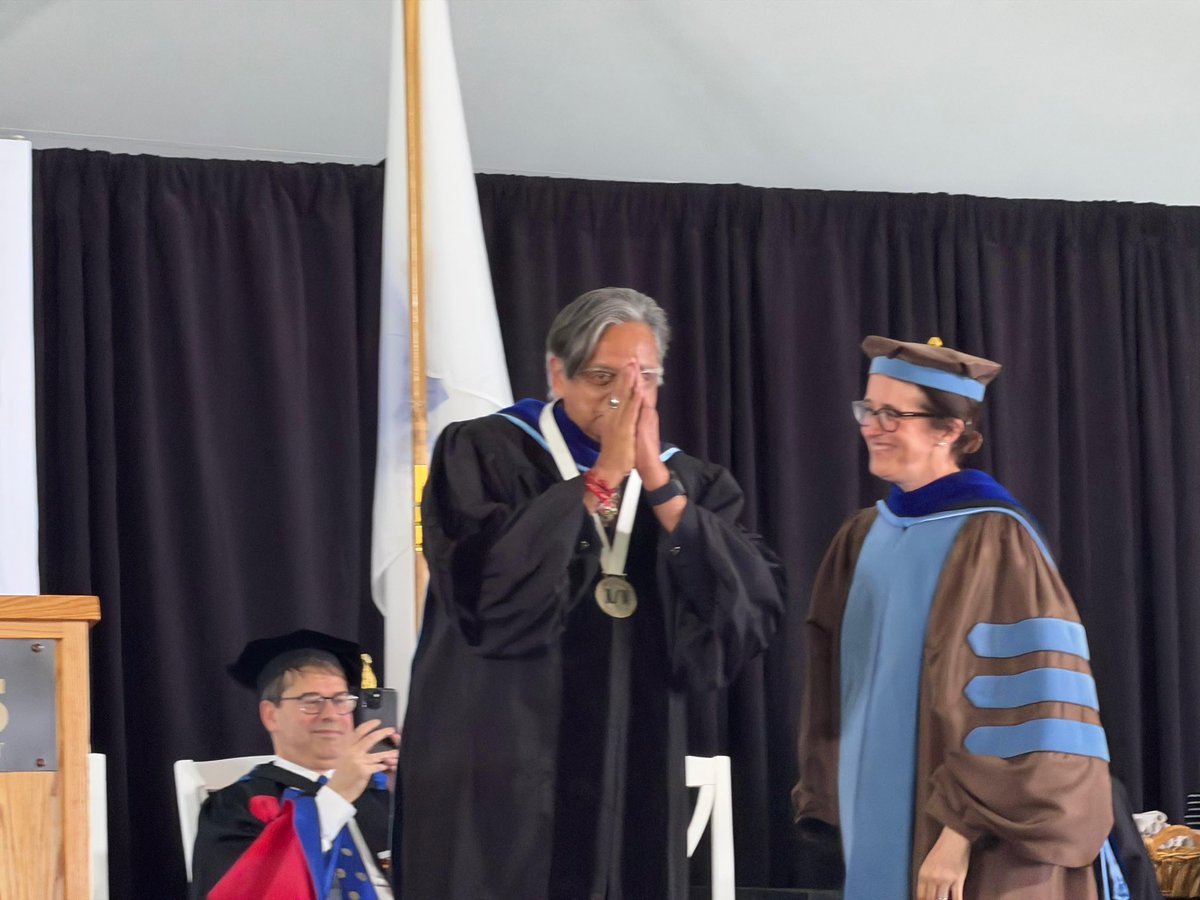
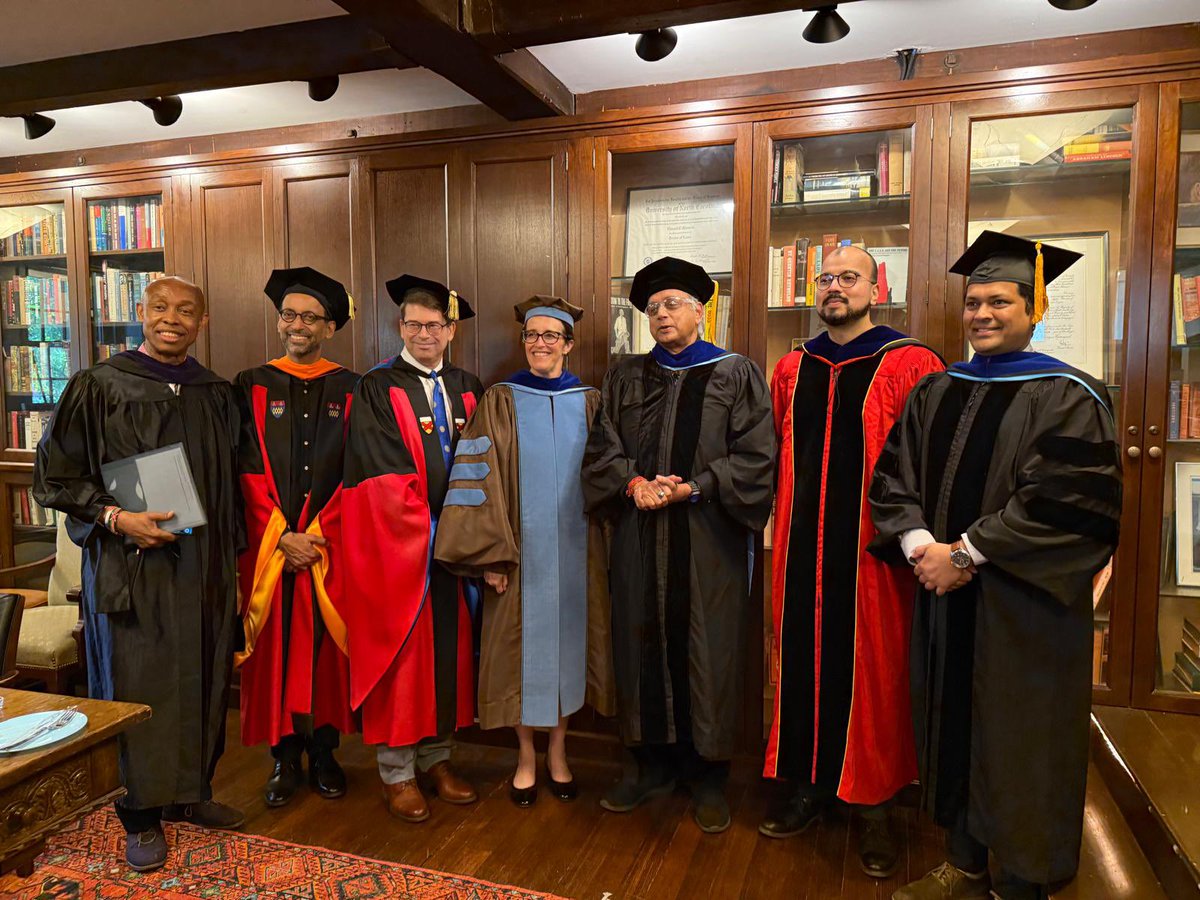
It was a whirlwind of fun, reminiscing, and thoughtful conversations about the state of the world. Thank you @ShashiTharoor for making the trip and coming home to @FletcherSchool
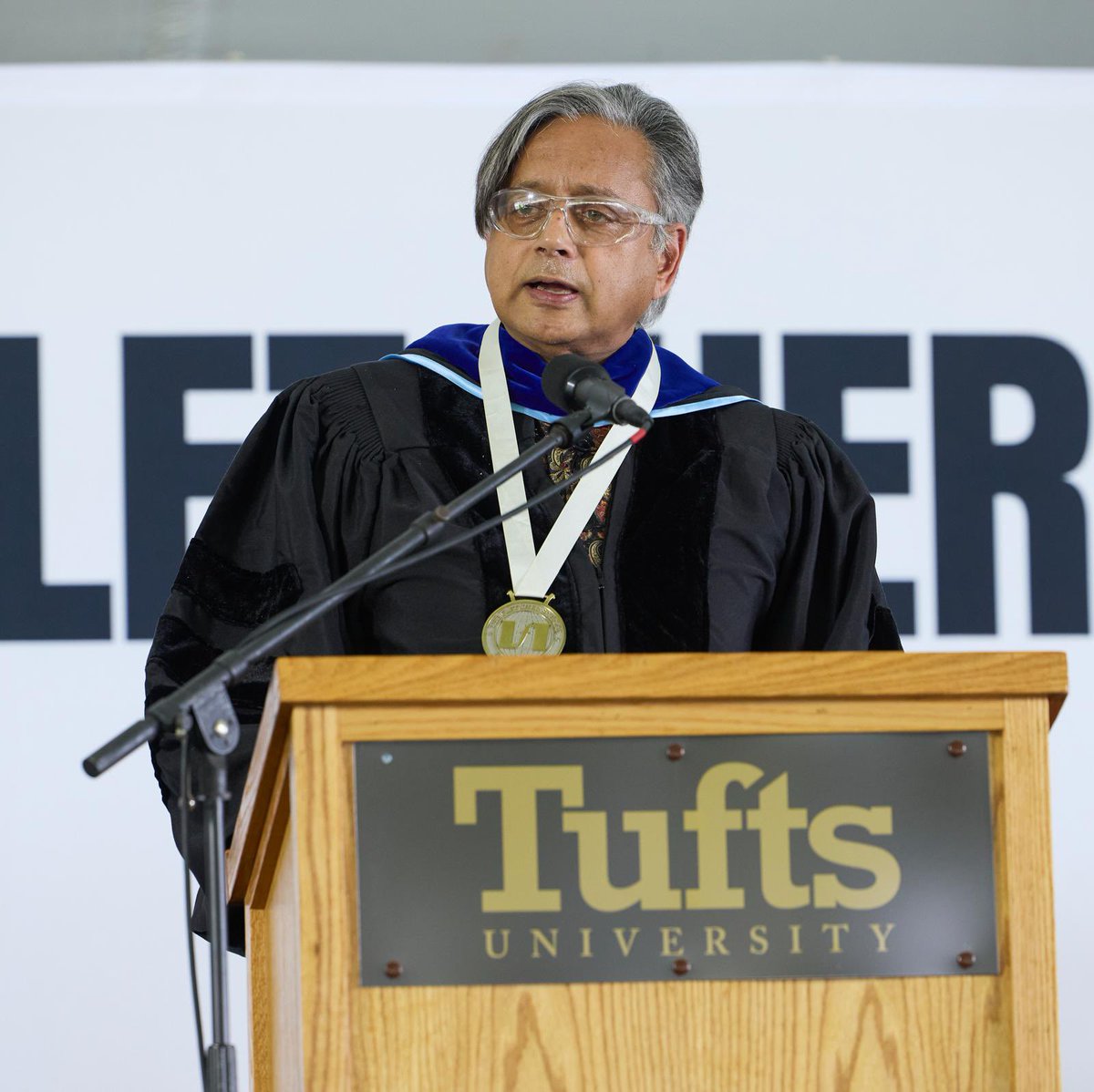
1/5 It has been a profoundly emotional three days for me at the @FletcherSchool ; a whirlwind of memory, gratitude, and an almost overwhelming sense of completion. To return to the very halls I first entered as a wide-eyed nineteen-year-old in 1975, and to stand there half a century later as the Commencement speaker, is an experience for which words are completely inadequate.
1/5 It has been a profoundly emotional three days for me at the @FletcherSchool ; a whirlwind of memory, gratitude, and an almost overwhelming sense of completion. To return to the very halls I first entered as a wide-eyed nineteen-year-old in 1975, and to stand there half a century later as the Commencement speaker, is an experience for which words are completely inadequate.
What is the role of the United States in international affairs? Is it creating a vacuum or a void? Is it a disruptor? I tackle this question with a focus on #climate#change in the new winter issue of @ForeignPolicy https://t.co/MGKbERLX77
Common themes include:
-Coordination shortfalls between federal/central and state/local govt's
-Weak enforcement
-Institutional capacity or accountability gaps
-Misaligned incentives
-Competing goals
-Inadequate finance
-Data, MRV, information systems weaknesses
-Skills gaps
Brazil has declared #COP30 to be the "implementation" COP. You might wonder, how are countries doing on implementing their climate targets?
Six new policy briefs from @policy_climate provide answers here: https://t.co/473XRh8zat
The six countries are: #Brazil#China, #India, #Indonesia, #Mexico, and #SouthAfrica. Of course implementation gaps can be found in places like the #USA (!) too, but our study focused on this set of countries.
New article out today on whether or not #China is on track to achieve its #carbon neutrality target. This is an important question because China is the world's largest GHG emitter on an aggregate basis. We find China is on track to peak before 2030 but. . .
policy gaps remain that must be addressed if China is to achieve net zero. We identify #stringency gaps, #coverage gaps, and #implementation gaps. Full article available open access here: https://t.co/tWYHduRgug
It’s hard to imagine @FletcherSchool without you @tomdannenbaum. You’ve made important contributions to the school and our wider community. We look forward to remaining connected through collaborations in research and our Center for International Law & Governance.
Today is my final day on the faculty of the @FletcherSchool
I have spent 8 years mystified at how fortunate I have been to work with such extraordinary colleagues and inspiring students. I am filled with gratitude for the privilege.
This is a special place. I will miss it.
🙏
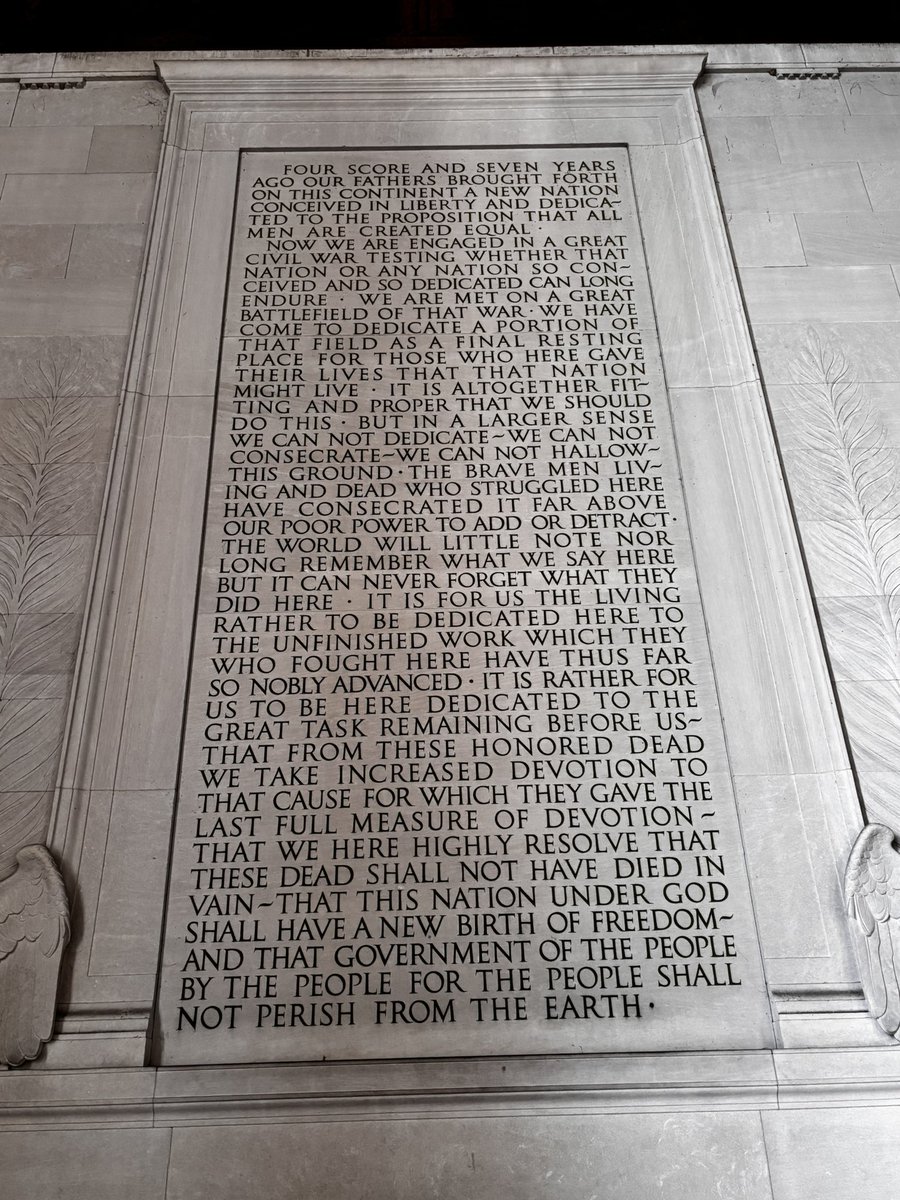
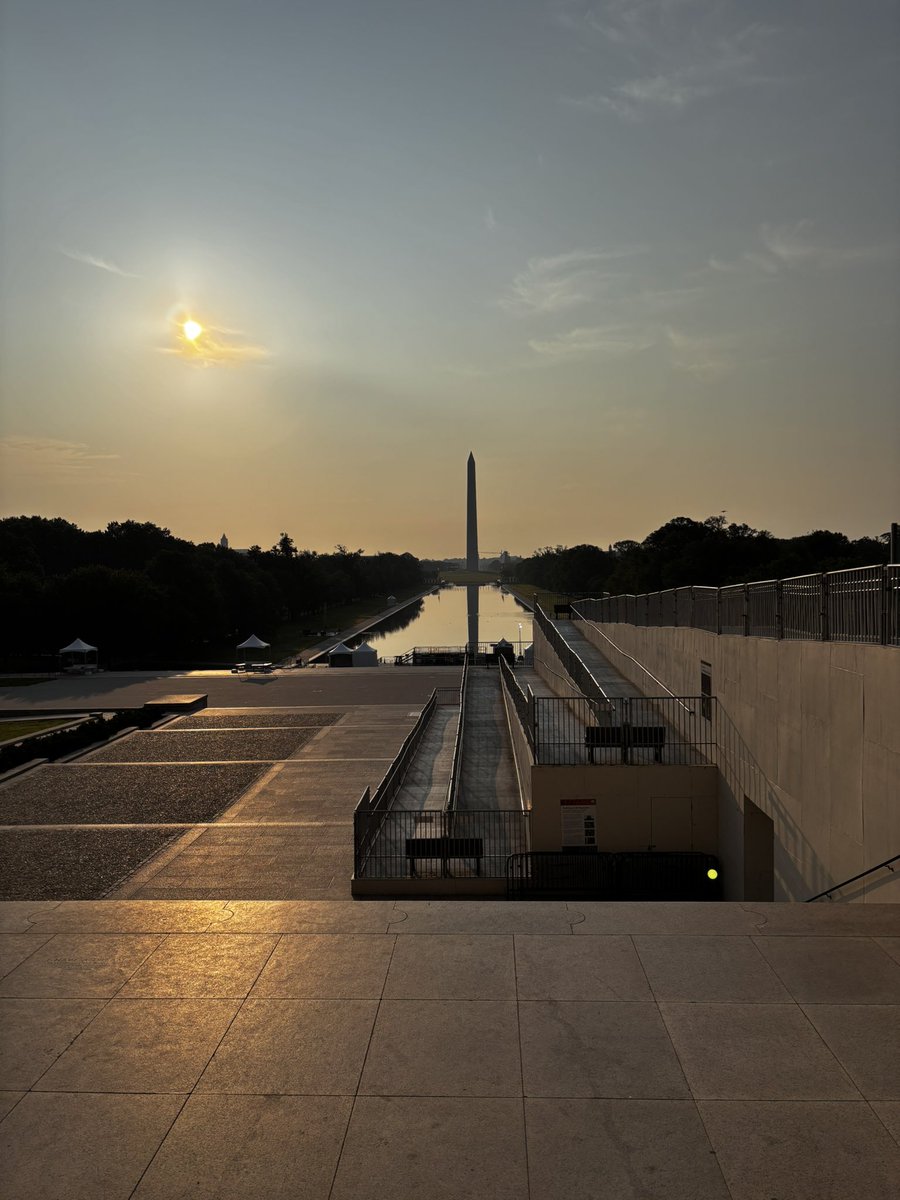
Early morning walk this morning in #WashingtonDC and moved by the eternal words of Abraham Lincoln that “government of the people, by the people, for the people, shall not perish from this earth.”
Joe Nye was a key influence for me and generations of others. I will remember him not only for his compelling, world-altering theories, but also for his leadership, kindness, friendship, and respectfulness. He will be missed.
Fletcher mourns the passing of Professor Joseph Nye and reflects upon his legacy as the pioneer of the study of soft power. The Fletcher students and faculty who knew Professor Nye will remember him as one of the great minds of his generation.
Thank you to the @CarnegieEndow for hosting an important conversation on bipartisanship & U.S. foreign policy. Grateful to Senator @ChrisCoons for his insights & to @DanDrezner for helping lead the discussion. Thoughtful engagement is critical as the U.S. navigates global challenges.
As the U.S. navigates a new chapter in foreign policy under Trump 2.0, what role will bipartisanship play? Can Democrats and Republicans find common ground on global engagement, and how should they manage internal divisions on key issues?
Join @ChrisCoons, Kelly S. Gallagher & @dandrezner of @FletcherSchool for a discussion on the future of U.S. foreign policy, congressional oversight, & America’s global role.
🗓️ Feb. 20 @ 4:30 PM EST in person & live online: https://t.co/K1TsPuXrJB
As the U.S. navigates a new chapter in foreign policy under Trump 2.0, what role will bipartisanship play? Can Democrats and Republicans find common ground on global engagement, and how should they manage internal divisions on key issues?
Join @ChrisCoons, Kelly S. Gallagher & @dandrezner of @FletcherSchool for a discussion on the future of U.S. foreign policy, congressional oversight, & America’s global role.
🗓️ Feb. 20 @ 4:30 PM EST in person & live online: https://t.co/K1TsPuXrJB
As we look ahead to #COP30 in Brazil and updated #NDCs from all countries it is crucial to identify country-level policy gaps and implementation gaps. Please see @policy_climate's national climate policy inventories https://t.co/bQZosTpxuf and related policy briefs.
(6/6)
My take on #COP29:
2024 is shaping up to be the hottest year for Earth on record, as reported by the WMO (https://t.co/294XJ4GxOx). This year, the Earth exceeded 1.5 degrees C above pre-industrial global average temperatures for the first time. This is notable because 1.5 degrees C is the lower limit that previous negotiators had set in the context of the 2015 Paris Agreement.
(1/6)
China seemed to anticipate demands that it make transparent contributions but got away with only needing to make voluntary commitments. Vice Premier Ding Xuexiang said in his speech that “Since 2016, China has provided and mobilized funds of more than Yuan 177 billion ($24.50 billion), effectively supporting other developing countries in coping with climate change.” According to https://t.co/SeNL9CC6FG, “China's annual average contribution was around $2.7 billion. In 2022, developed countries contributed a total of $115.9 billion in climate finance, with the US government providing about 5%, or $5.8 billion”https://t.co/wHheDClMA5
(5/6)