Ni ule boi wa poems
Ati.
Ulitoka dubai ukaniArabia siku
Sahii uko doha juu uliniqatar
Forehead size ya pyramid za egypt
Kwenye mlikua ile siku na Cairo
Nakuombea,upate pesa urudi Nai
Niko sure nitakua nimebuy ndai
Nikubebe mpaka kwa majani chai
Tulale ukinitoa tai
Usireply bebi
AWD | FWD | RWD | 4WD
Did you know that your car might have four wheels but only two of them are actually moving you?
Have you noticed that most people focus on the brand name, fuel efficiency, interior design, and resale value when buying a car?
Meanwhile, they completely ignore how the machine actually touches the ground. Regardless of the environment or terrain you're driving in, the Drive System is what determines if you stay in control or end up in a ditch.
Mainly there are four common Automotive Drive Systems
1. FWD (Front-Wheel Drive)
Think of your car like a person pulling a heavy cart behind them. The engine sends every bit of power to the two front wheels. Because the heavy engine is sitting right on top of those wheels, the weight helps them grip the road and pull the rest of the car along. It is the most common setup because it is cheap to build and great for fuel economy. If you live in the city with good roads and no heavy car usage, this works fine.
2. RWD (Rear-Wheel Drive)
This setup does the opposite of FWD. Instead of pulling the car from the front, the car pushes from the back. Now because the front wheels only handle the steering and the back wheels handle the power, the car feels incredibly balanced and sharp.
It is why almost every luxury car or sports car uses it. But be warned. On a slippery or sandy road, cars with this setup can lose grip more easily and fishtail/spin out (though modern traction control helps a lot in many cars).
3. AWD (All-Wheel Drive)
AWD is for people who want the car to do the critical thinking for them. It is a smart system that is usually always-on or automatic (some are on-demand and kick in when needed).
In this setup, a computer monitors every single tyre, and if one wheel hits a patch of oil or a puddle and starts to slip, the computer instantly shifts the power to the other three wheels that still have a grip.
You don't press any buttons. The car just silently saves you. Car owners with this setup are usually confident. But the extra machinery involved makes the car heavier and consumes more fuel.
4. 4WD (Four-Wheel Drive)
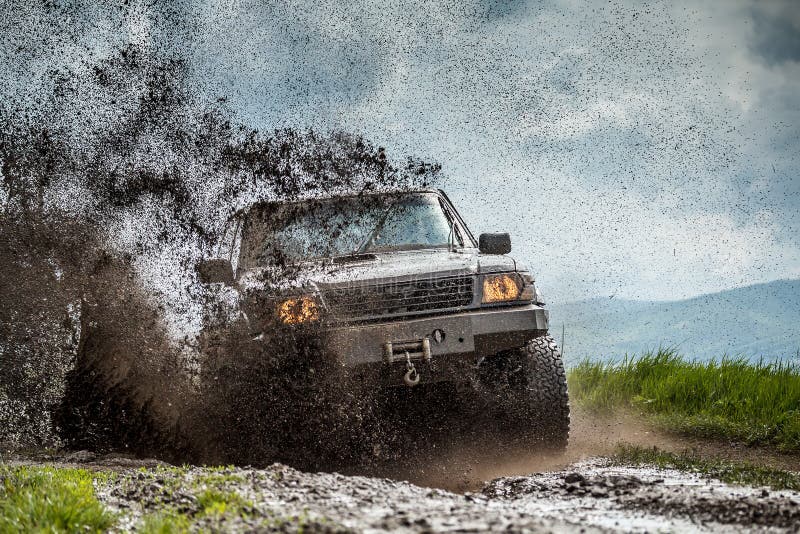
A lot of people confuse this with AWD, but 4WD is a different beast entirely. It is not a computer system. It is a mechanical one built for off-road. You usually have to engage it manually with a switch or a lever. It locks all four wheels together so they move at the exact same speed, no matter what.
It is designed for deep mud, heavy sand, or climbing rocks. If you use 4WD on a regular smooth road, you will literally feel the car fighting you. People often pay a high amount for AWD or 4WD just in case, but for the most part of your life, on a paved road, a simple FWD car is lighter, faster, and much cheaper to maintain.
Unless you need tough vehicle use or you live in a place with heavy snow and rugged terrain, you are likely paying for power that you will never actually use.
Tell me, what drive system is your car?
INALEGWU.
Tanzania and Uganda unveil the largest 'ship ever built locally on Lake Victoria. MV New Mwanza, can carry 1,200 passengers, 400 tonnes of cargo, and over 20 vehicles—making it the biggest domestically manufactured freshwater passenger & cargo ship in East Africa
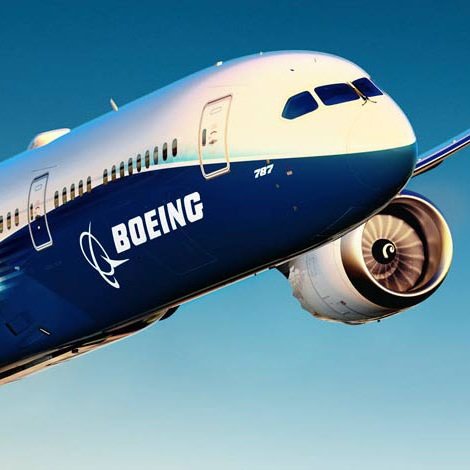
🚨 In 2012, Boeing engineers ran a unique test to improve in-flight Wi‑Fi.
They filled a decommissioned plane with bags of potatoes to act like passengers. Potatoes were used because they absorb and reflect Wi‑Fi signals similarly to human bodies.
This allowed engineers to see how signals spread in a full cabin. The experiment helped them adjust antennas and access points for better coverage.
IF YOU HAVE A CAR, DON'T SKIP THIS‼️
You’ve been parking your automatic car the wrong way for years, and it is slowly destroying your transmission.
Most people just pull into a spot, slam the gear into P (Park), and then pull the handbrake. If you’re doing this, you are literally asking your gearbox to hold the entire weight of your car.
Here is the Right way to do it in 5 steps:
1. Come to a full stop with your foot on the brake.
2. Shift the gear to N (Neutral).
3. Pull your Handbrake (or engage the electronic parking brake).
4. Take your foot off the brake pedal. Let the car settle on the handbrake.
5. Now, push your foot back on the brake and shift into P (Park).
Why should you do this?
Inside your transmission, there’s a tiny metal pin called a Parking Pawl. When you put the car in Park (P) without using the handbrake first, that tiny pin is the only thing stopping your car from rolling away.
If you are parked on a hill or a slope, the stress on that pin is massive. Have you ever noticed that loud, painful CLUNK sound when you try to shift out of Park on a hill or slope? That’s the sound of your transmission screaming. You are literally forcing the gears to grind against that pinned-up weight.
Over time, you’re rounding off the edges of that metal pin or, worse, snapping it.
The handbrake was designed to hold the weight of the car. The transmission was designed to shift gears. Stop making the gearbox do the heavy lifting. Except of course you want to replace it regularly (that's not cheap).
You're welcome 🤝🏾
INALEGWU.
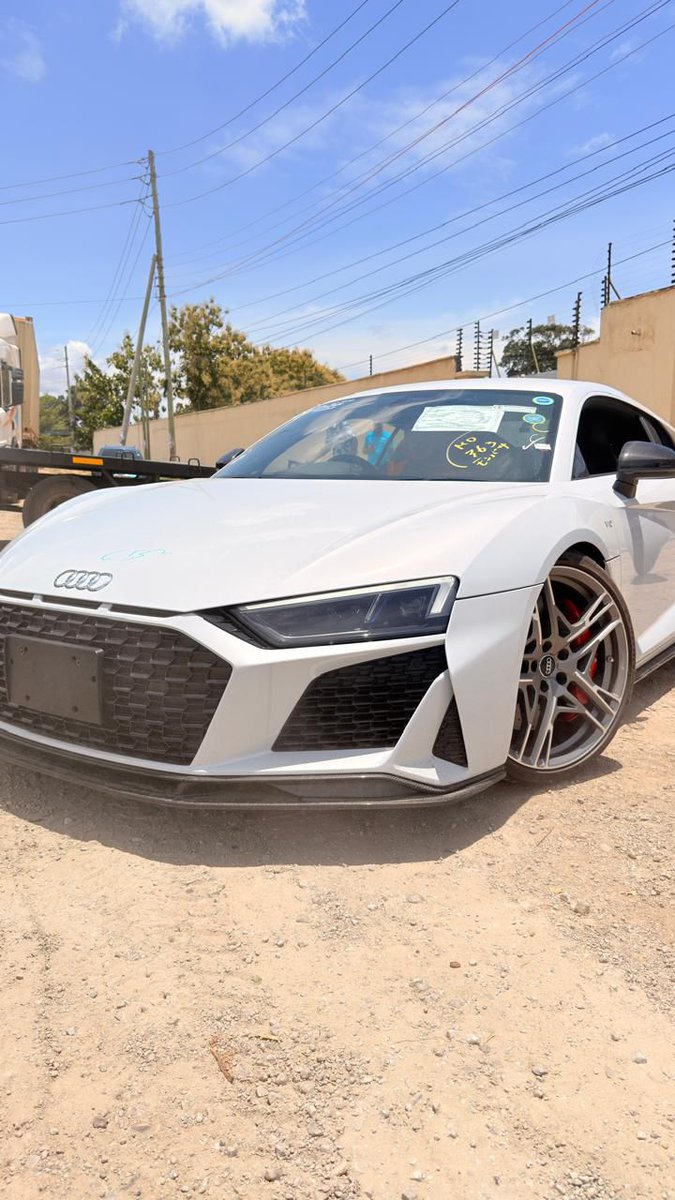
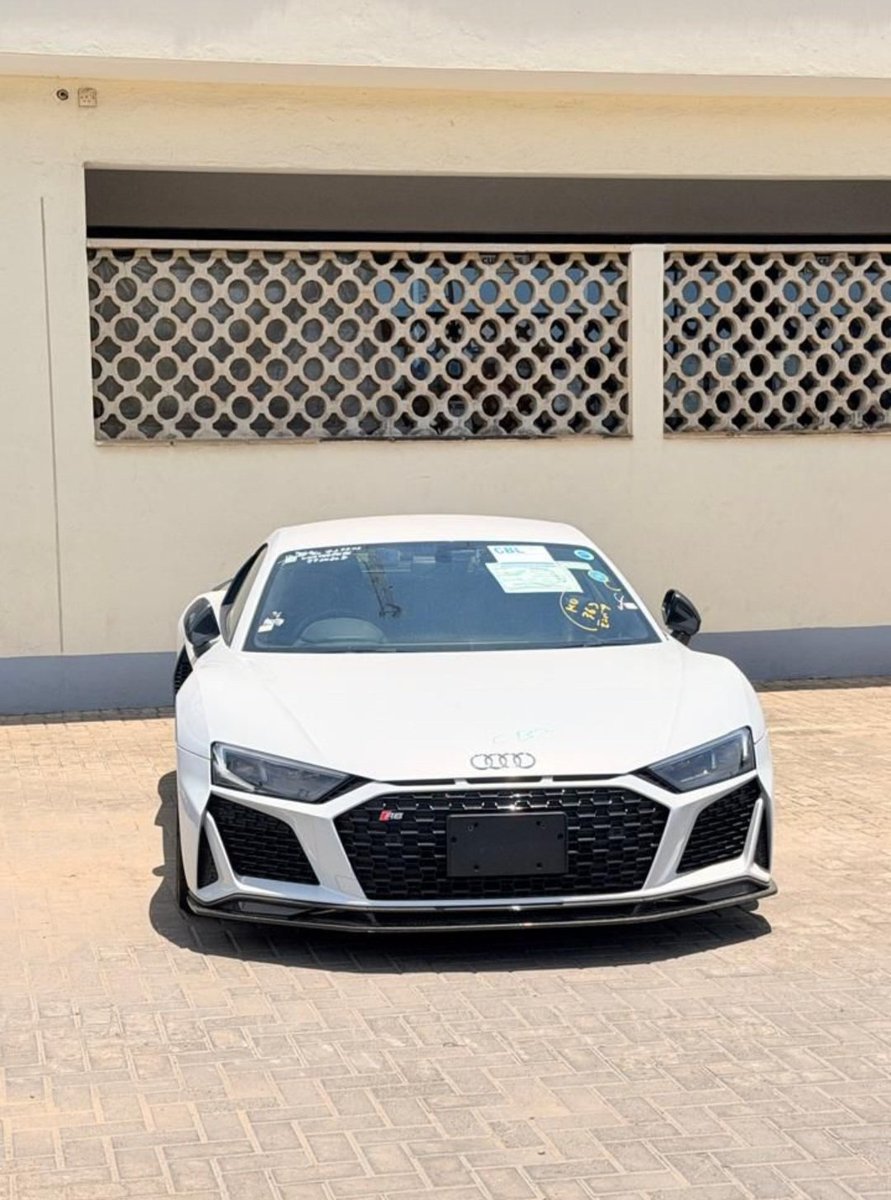
The first Audi R8 in East Africa just landed in kenya 🔥
The racing scene is getting spicier everyday 👌
Here are some key specs:
*Engine and Performance*
- Engine: 5.2L V10 Petrol
- Power: 532-612 hp
- Torque: 540-580 Nm
- 0-100 km/h: 3.2-3.7 seconds
- Top Speed: 331 km/h