Vancouver 🇨🇦 is ridiculously beautiful. Mountain view at the end of city centre streets. ⛰️
Phenomenal coffee ☕️ @TreesOrganic
It’s been a quick in and out for a really fun game last night ⚽️ 🇦🇺 🇹🇷 but we already can’t wait to come back. Stunning city. #fifaworldcup
David Hockney—the Bradford-born painter who invented California for the British sensibility—has died aged 88. Vogue looks back on the life and legacy of one of the greatest artists of our time. https://t.co/4OozhbIyro
Rest in peace, Anthony Stewart Head 🕊️. Here’s a clip of him as Giles in Buffy the Vampire Slayer performing a cover of Behind Blue Eyes by The Who. A beautiful performance that fans will never forget. 💙
Sad to hear Anthony Head has passed away.
The Gold Blend “will they, won’t they” ad campaign was a cultural phenomenon, an ongoing saga that lasted for 6 years, captivating audiences of 30 million. The inevitable kiss even made front page news. A landmark TV moment.
RIP Anthony
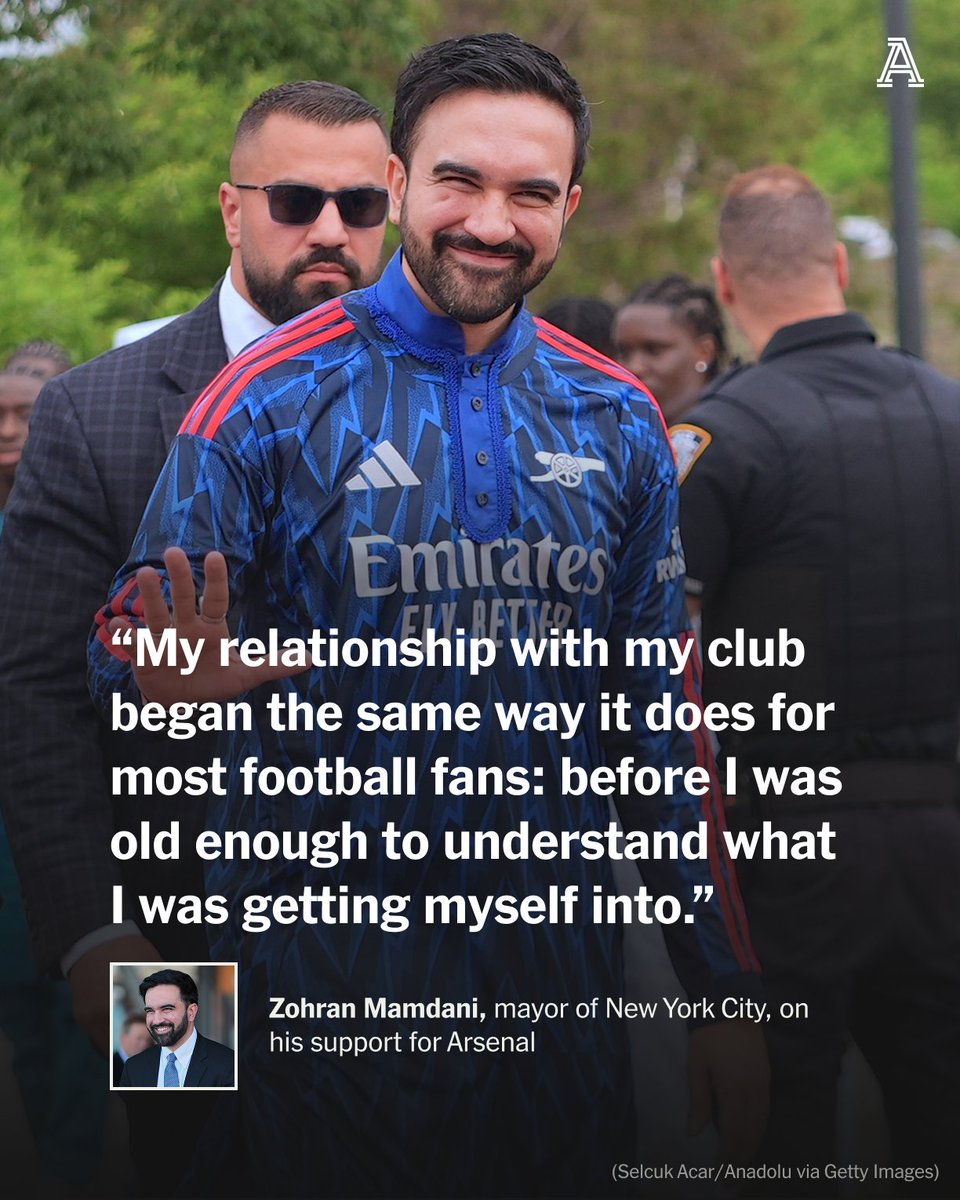
“My relationship with my club began the same way it does for most football fans: before I was old enough to understand what I was getting myself into. When I was nine, my uncle introduced me to a team with a cannon on its shirt, a grizzled captain named Tony Adams, and players like Nwankwo Kanu who had been born in Africa but now lived somewhere else, just like me. Arsenal felt familiar before I even understood why.
“And then there was the manager, a man who I initially thought had been named after the club and then believed that somehow the club must have been named after him. Arsene Wenger may have struggled with his raincoat, but rarely with his orchestra. The football his teams played sang.
“But what was once the nostalgia of the past has become the beauty of the present.
“We won. We are champions of England. And we are just one game away from being crowned champions of Europe too.”
@ZohranKMamdani, mayor of New York City, writes for The Athletic on what Arsenal means to him.
FREE READ 🔗 https://t.co/ge64qWmVuz
Congratulations to all the Arsenal fans and in particular one
@M8Arteta put the club on his shoulders, trusted the process, and shaped everything around him. He never doubted that, at some point, despite, and because of, the endless hours of work, the big rewards would come.
Here it is 🏆
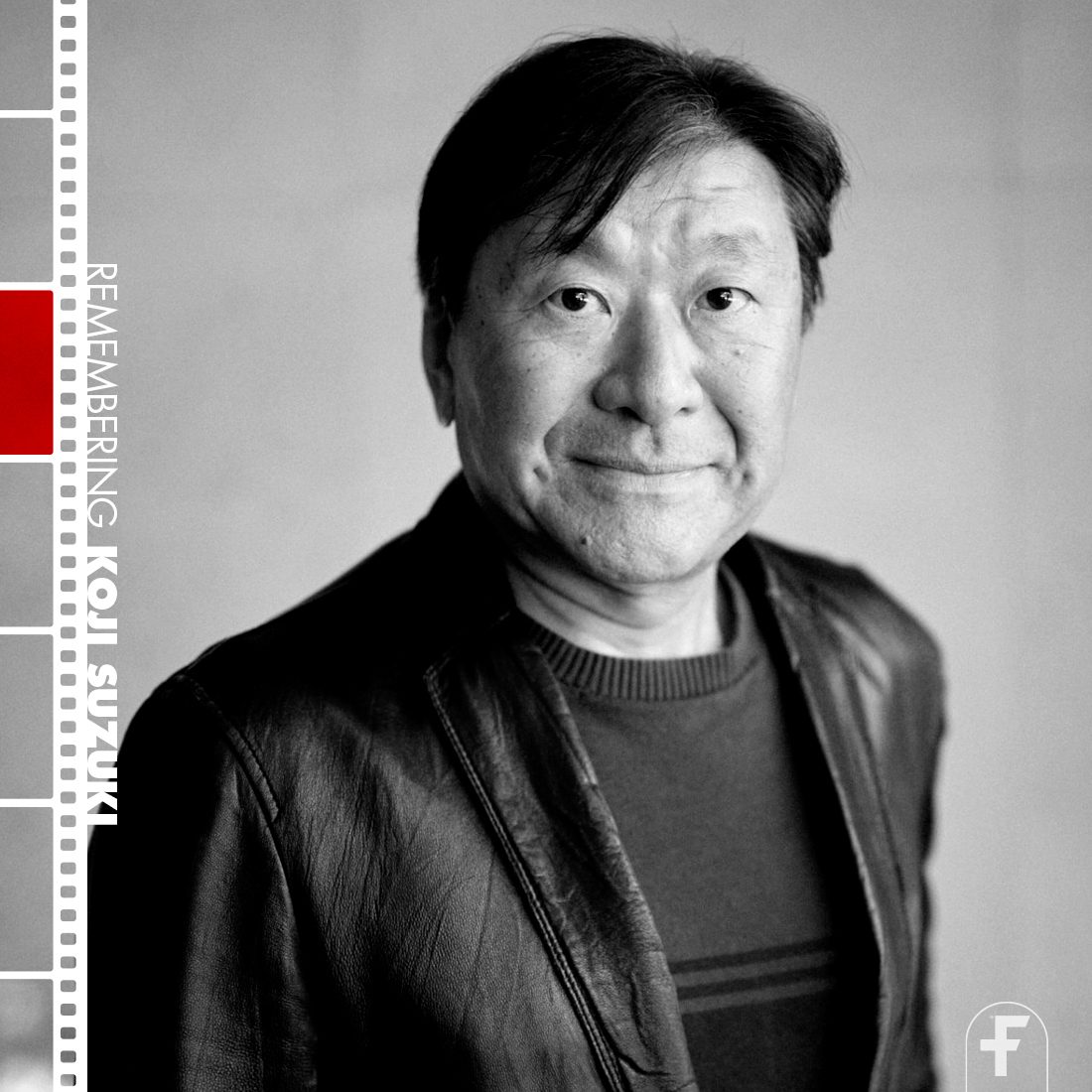
Fango mourns the passing of Kōji Suzuki, who became a household name in horror as the author of the RING trilogy, comprised of the novels RING, SPIRAL, and LOOP, which have been adapted into iconic films, manga, television series, and video games. We send our condolences to his friends, family, and fans.
Pancreatic cancer mRNA vaccine shows lasting results in an early trial. Scientists caution that more research is needed, but nearly all of the patients who responded to the personalized vaccine are still alive six years later.
https://t.co/13GBL8ujOV
It is with great sadness that we announce the death of Lord Robert Skidelsky, historian, economist, and a founding member of CAF.
Robert was a steadfast defender of free speech and academic freedom, and a shining exemplar of intellectual independence. He was also among the first to recognise the emerging dangers of “safetyism” on campus, an issue he addressed with characteristic clarity in a speech delivered in the House of Lords on 26 November 2015. We reproduce it below in full:
I shall draw your Lordships’ attention to two threats to free speech on the campus. In four minutes I have time for only two threats, but I think that they cover most of the ground.
The first threat comes from the Government. The state has a duty to protect its citizens from terrorism. The Government have conceived of that duty in part as preventing university students from being what they call “radicalised”. The Counter-Terrorism and Security Act 2015 requires universities to “prevent individuals from being drawn into terrorism”.
This is construed as part of their duty to “care” for “vulnerable” students. Universities are required to assess the risks of students being drawn into terrorism and extremism, and to train staff how to assess those risks and “challenge extremist ideas”. Universities must seek government guidance on which speakers to allow on campus. In this guidance terrorism and extremism are frequently conflated, as the noble Lords, Lord Pannick and Lord Lester, have pointed out, although very occasionally the drafters remember that one can hold extremist views without being a terrorist.
I turn to the second threat. The National Union of Students has opposed the Counter-Terrorism and Security Act on the grounds that it will lead to mass campus surveillance and the criminalisation of Muslims and black people. The universities should be kept as “open democratic spaces”. All this would carry more conviction if student bodies were not themselves a big threat to free speech on the campus. Student unions in many universities run “no platform” policies for speakers whose views they consider reprehensible, even though they are legal. For the NUS—and this is the key—keeping students “safe” is paramount. Bristol University Students’ Union runs a “safe space” policy aimed at ensuring students’ safety from harassment. However, keeping students safe turns out to include keeping them “safe from radicalisation”. So, despite the verbal skirmishes, the Government and students are quite united on the need to protect students from harmful ideas, differing only slightly in their definition of what they regard as harmful.
I must come clean: I hate the doublespeak that runs through the public pronouncements that I have read on this topic. How Orwell would have shuddered. The facts are pretty clear: universities have a statutory duty to uphold free speech and are bound by the Public Order Act to ban incitement to racial and religious hatred. So they have a duty to uphold free speech within the law. Similarly, the security forces have a duty to keep the country safe from terrorism wherever it sprouts—prevention does not stop or continue on the campus. What I deny is that university students are an especially vulnerable species needing special protection against being abused or radicalised. Students are adults: they can vote, fight and die for their country, drive, drink alcohol and so on. Why should they be treated as adults in one branch of life and as children in another?
In particular, I think it is an abuse of thought and language to extend the good liberal notion of protecting people against harms to the decidedly unliberal notion of protecting them against harmful ideas.
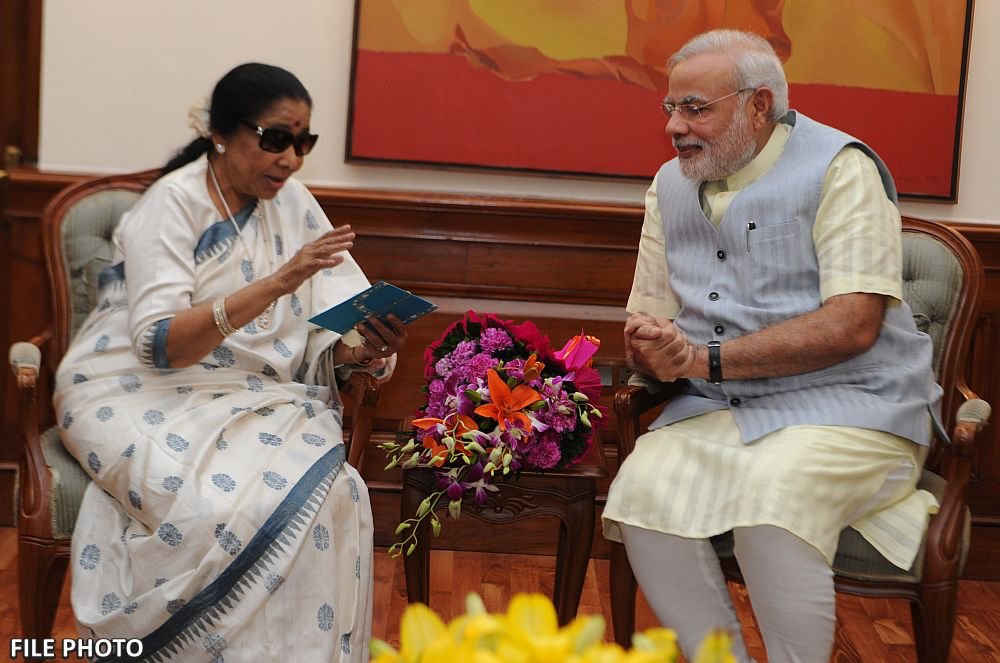
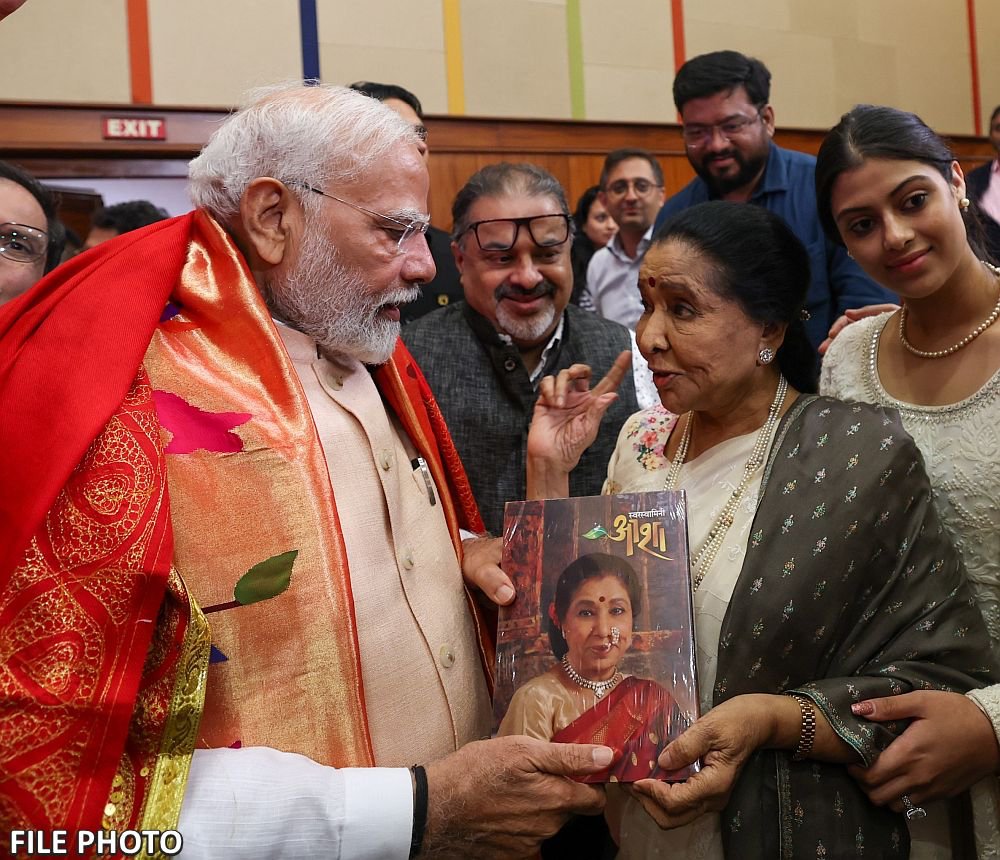
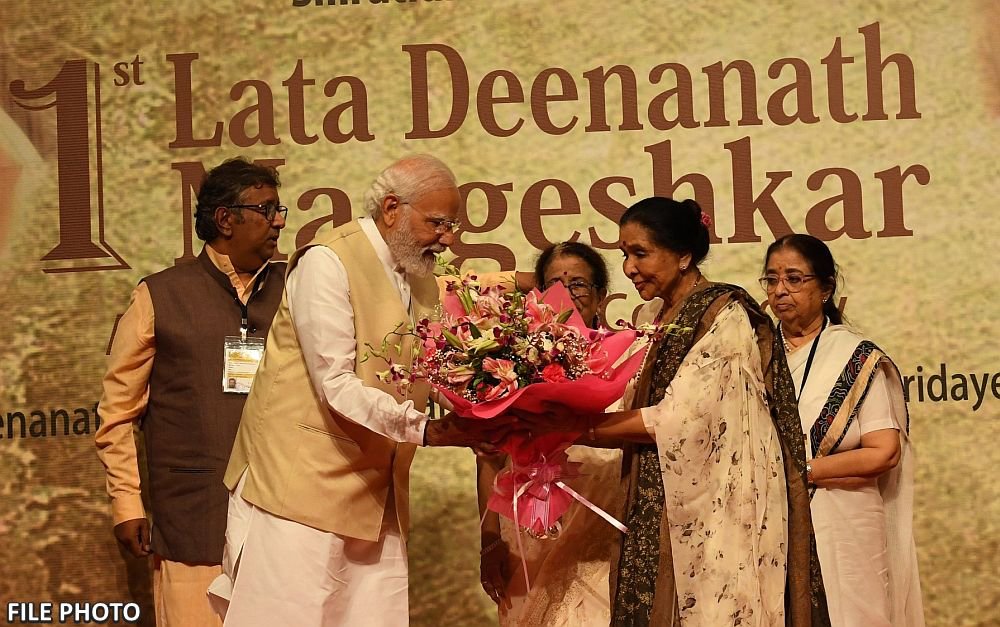
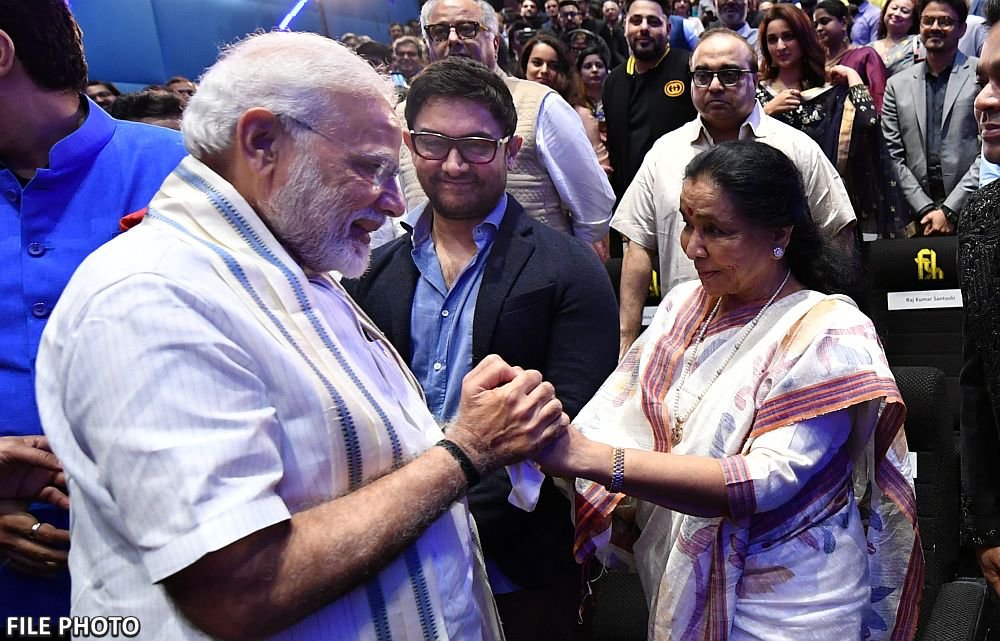
भारतातील सर्वात ख्यातनाम आणि अष्टपैलू आवाजांपैकी एक असलेल्या आशा भोसले जी यांच्या निधनाने अतिशय दुःख झाले. त्यांच्या अनेक दशकांच्या अद्वितीय संगीत प्रवासाने आपल्या सांस्कृतिक वारशाला समृद्ध केले आणि जगभरातील असंख्य लोकांच्या मनाला स्पर्श केला. भावपूर्ण गीतांपासून ते जोशपूर्ण संगीत रचनांपर्यंत, त्यांच्या आवाजात कालातीत तेज होते. त्यांच्याशी झालेल्या संवादांच्या आठवणी मी सदैव जपून ठेवेन.
त्यांच्या कुटुंबीयांना, चाहत्यांना आणि संगीतप्रेमींना माझ्या भावपूर्ण संवेदना. त्या पुढील पिढ्यांना प्रेरणा देत राहतील आणि त्यांची गाणी सदैव लोकांच्या आयुष्यात गुंजत राहतील.
RIP Angela Pleasence. A stunningly humane actress capable of telling the audience the internal struggles of being human, merely by a facial expression.