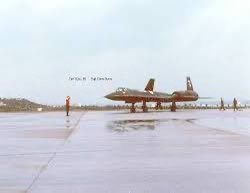
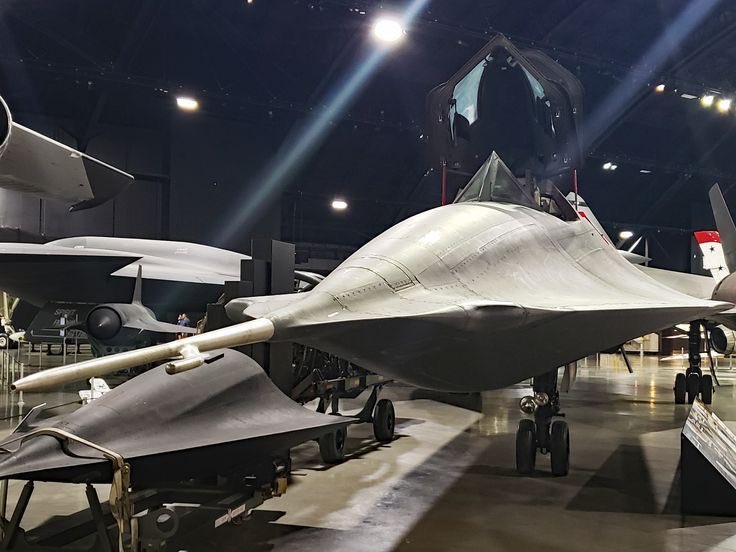
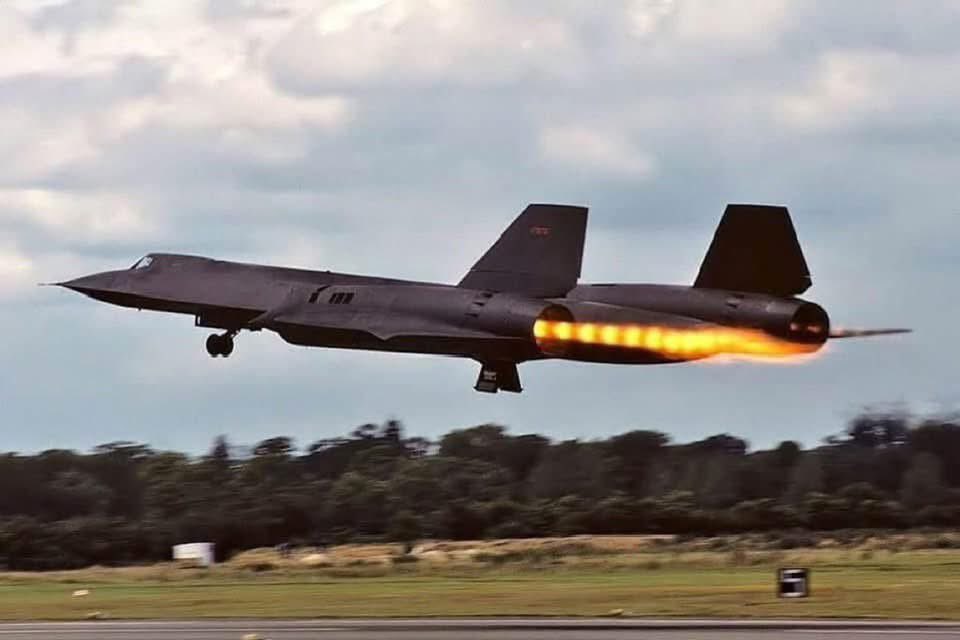
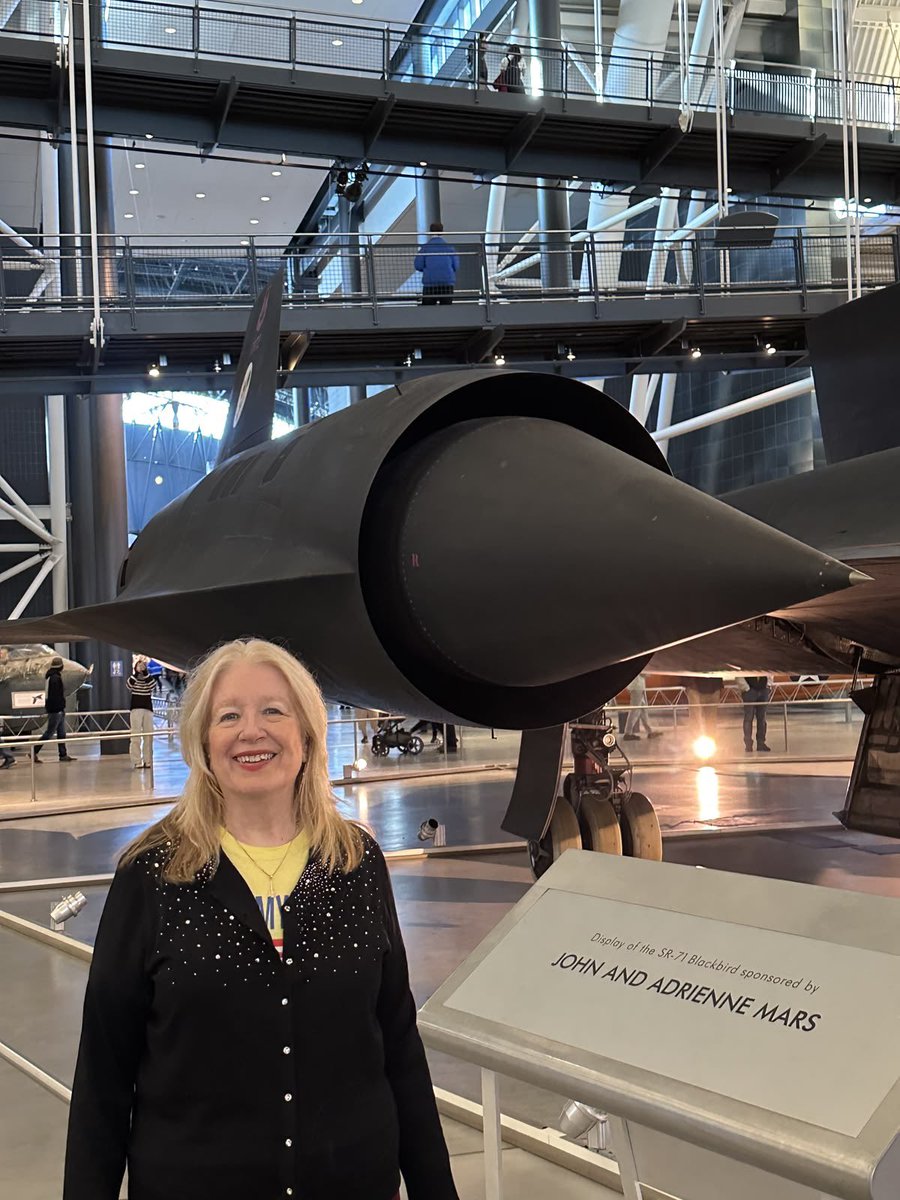
What if we need new SR 71 fuel?
How would shell oil making more JP-7 fuel;( If needed)
it was developed by Shell Oil and chemist Clarence Brown Eichman in 1955.
Lockheed's Skunk Works team, led by Kelly Johnson, designed the Lockheed SR-71 Blackbird to use specialized fuel, but petroleum refiners handled chemical production entirely.
Why JP-7 Was Needed
• Extreme Heat: At Mach 3+, air friction heated the aircraft skin to over 600°F. Normal jet fuel would have boiled or spontaneously detonated.
• Heat Sink: Lockheed engineers used the stable JP-7 as a coolant. It absorbed heat from the engines, hydraulics, and avionics before being routed to the burners for thrust.
• High Flash Point: JP-7 was so stable that dropping a lit match into a puddle of it would extinguish the match.
How It Was Produced
• Petroleum Refining: Shell Oil manufactured the high-flashpoint, low-volatility kerosene blend to meet military specification MIL-DTL-38219
To manufacture new SR-71 parts today, modern aerospace facilities utilize cutting-edge metallurgy that bypasses the rigid, subtractive machining limits of the 1960s.
Modern Titanium Fabrication Techniques
•Additive Manufacturing (3D Printing): Techniques like Laser Powder Bed Fusion (LPBF) and Electron Beam Melting (EBM) build complex titanium components layer-by-layer directly from CAD models. This eliminates the massive waste of traditional machining (where up to 90% of a titanium block was cut away) and allows for internal cooling channels that were impossible to engineer during the Cold War.
•Direct Energy Deposition (DED): For large-scale components like the SR-71's structural spars or fuselage ribs, Wire Arc Additive Manufacturing (WAAM) or Laser-Metal Deposition melts titanium wire or powder via a robotic arm to rapidly build large, near-net-shape structures that only require minimal final machining.
•Superplastic Forming and Diffusion Bonding (SPF/DB): Titanium becomes highly ductile at elevated temperatures. Modern presses blow argon gas into sheets of titanium inside a heated die to stretch it into complex aerodynamic skin panels (Superplastic Forming). Simultaneously, atomic bonds can fuse separate sheets together without weld lines (Diffusion Bonding), ensuring structural integrity at Mach 3+ thermal thresholds.
•High-Efficiency Machining (HEM): For parts that still require milling, modern multi-axis CNC machines use advanced trochoidal toolpaths and liquid nitrogen (cryogenic) cooling. This keeps the titanium and the solid-carbide tools cool, entirely preventing the work-hardening and chemical embrittlement issues that plagued original Lockheed machinists.
it’s much easier today to manufacture titanium parts than it was in the early 1960s
Linda Sheffield
Pakistan Medyası:
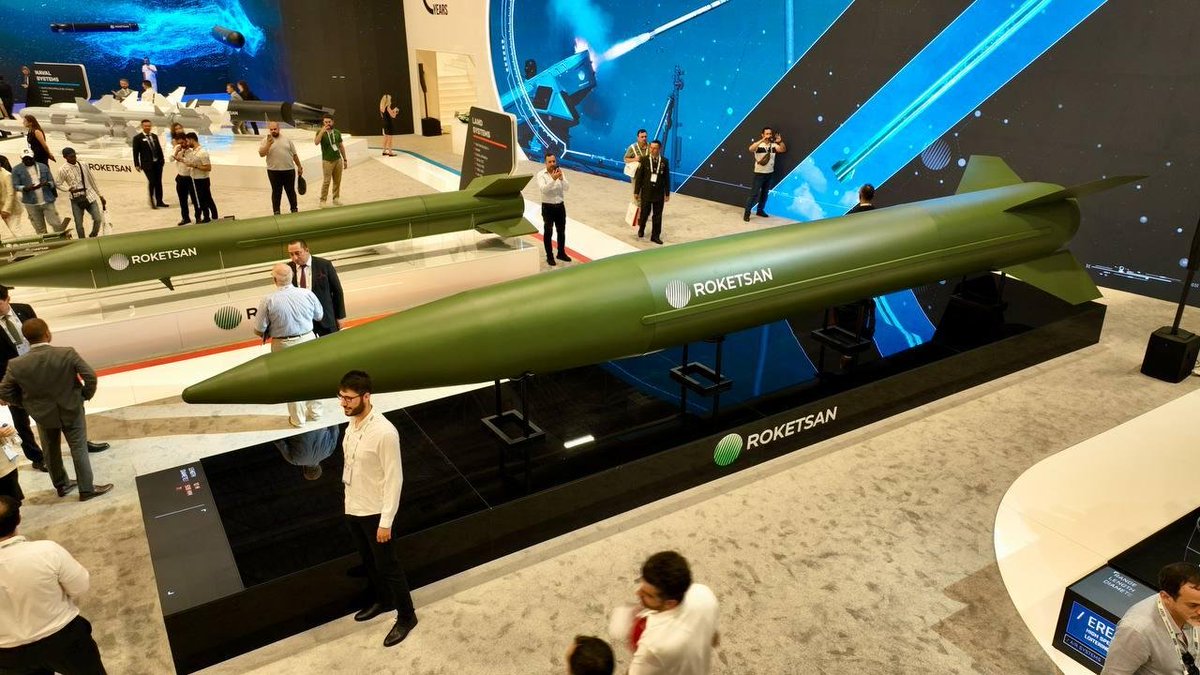
“Türkiye, tüm İsrail'i kolayca yok edebilecek "TAYFUN" hipersonik uzun menzilli füze geliştiriyor.
Menzili 1500 km'ye kadar ve hızı saatte 12000 km…”
Los comentarios lo resumen todo, gente que quiere creer y es feliz y por otro lado, gente hasta los huevos del humo turco. Fabrica, prueba, demuestra y luego nos vendes la moto.
Durdurabilecek Hava Savunma Sistemi yok!
Türkiye, envanterinde hipersonik balistik füze bulunan az sayıda ülke arasına giriyor!
ROKETSAN Genel Müdürü Murat İkinci:
Tayfun blok-4 çok yakında envantere girecek.
Gelecekte hipersoniğin de ötesine geçen teknolojiler bile ortaya çıkabilir.
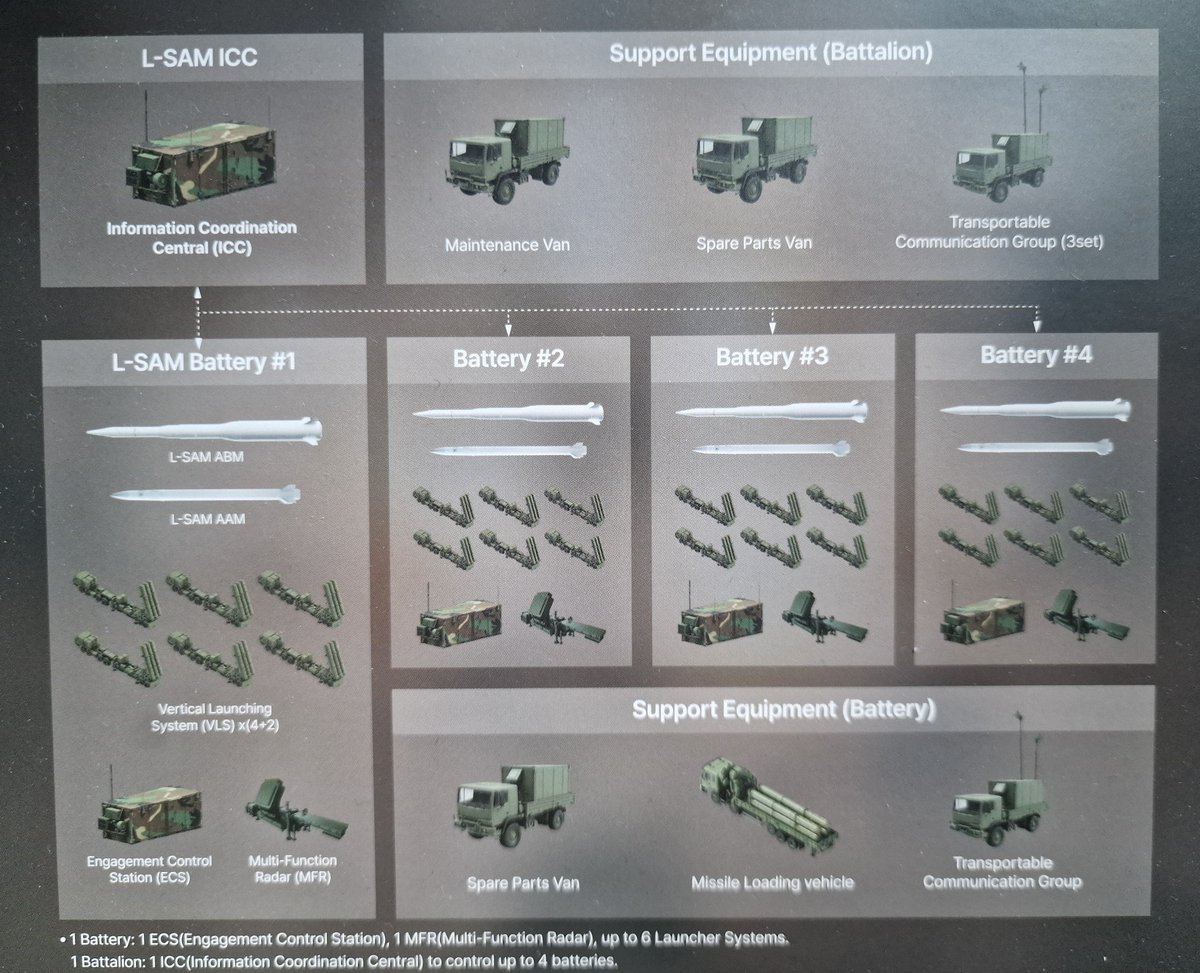
1/Koreański LIG Nex1 zaprezentował ostatnio przykałdową strukturę dywizjonu obrony powietrznej (AD battalion) z systemem L-SAM z czterema bateriami (fire unit - pl.ogniowy) i podstawowym zabezpieczeniem.
@lainus86 Sin ser muy fan de los americanos al menos tienen algo muy importante, experiencia, más que nadie, trayectoria y concursos competitivos. Cosa que no tiene Turquía, que intentáis poner a la altura del f-35 y del super Hornet o F16 al kaan y al hurjet, es de coña.
@srb_mustafa@lainus86 Me parece estupendo que Turquía fabrique sus juguetes y creo que eso es la envidia de todos. Pero que los fabrique y diga que son buenísimos, no quiere decir que lo sean. Hay muchas cosas que ni están en servicio y ya las ponen como venta alternativa a productos top.
@Came6715Ha@Tucuquere_nac@Infodefensa Hasta donde yo se la tiene, peraun no puede usarse, como dices forma parte del siguiente paquete de actualización, pero tenerla la tiene.
@gerike_paul Pues bien, solo nos falta vender un poco de humo como hacen los turcos con sus cosas y decir que es lo mejor que ha construido el hombre hasta la fecha.
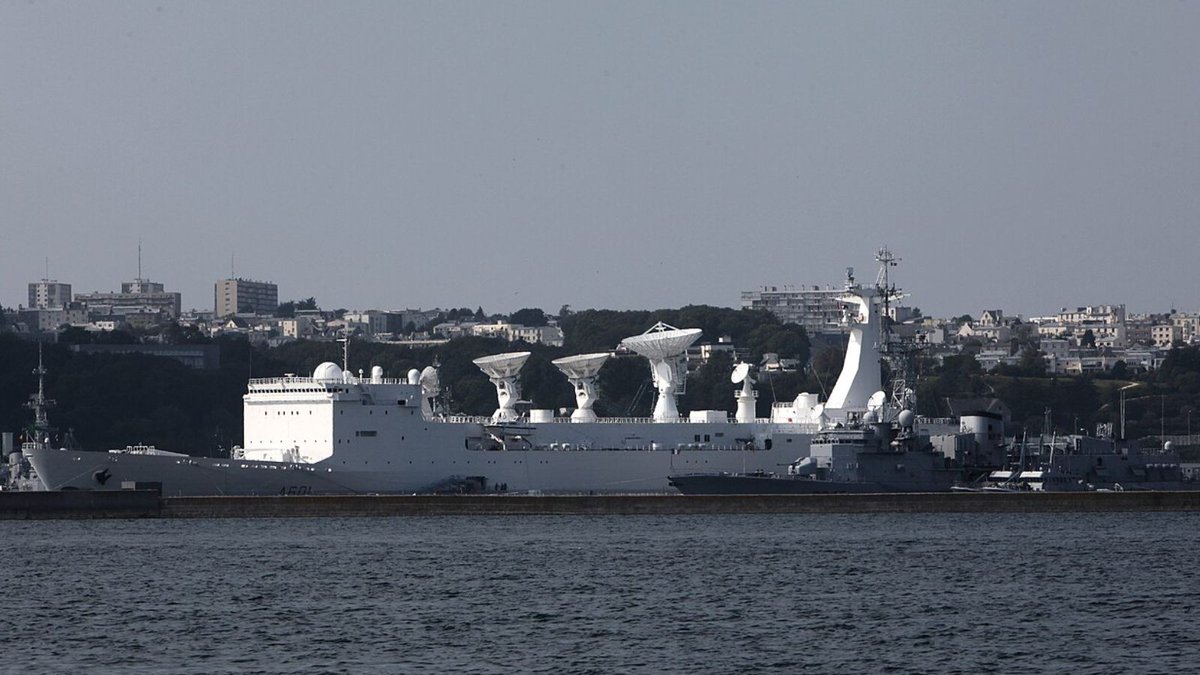
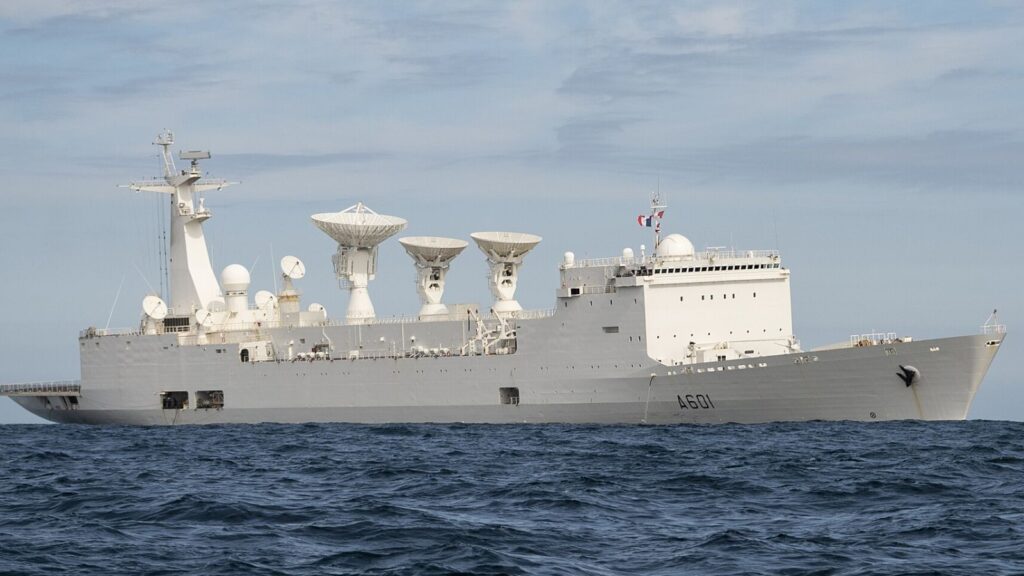
⚓🇫🇷 𝗖𝗲 𝗻𝗮𝘃𝗶𝗿𝗲 𝗳𝗿𝗮𝗻𝗰̧𝗮𝗶𝘀 𝘀𝘂𝗿𝗻𝗼𝗺𝗺𝗲́ 𝗹𝗮 « 𝗿𝗲𝗶𝗻𝗲 𝗱𝗲𝘀 𝗾𝘂𝗮𝗶𝘀 » 𝗲𝘀𝘁 𝗹𝗲 𝗱𝗲𝘂𝘅𝗶𝗲̀𝗺𝗲 𝗽𝗹𝘂𝘀 𝗹𝗼𝗻𝗴 𝗱𝗲 𝗹𝗮 𝗠𝗮𝗿𝗶𝗻𝗲 𝗻𝗮𝘁𝗶𝗼𝗻𝗮𝗹𝗲 𝗱𝗲𝗿𝗿𝗶𝗲̀𝗿𝗲 𝗹𝗲 𝗖𝗵𝗮𝗿𝗹𝗲𝘀 𝗱𝗲 𝗚𝗮𝘂𝗹𝗹𝗲 : 𝗟𝗲 𝗠𝗼𝗻𝗴𝗲
Il passe une bonne partie de son temps amarré à Brest, au point d’avoir gagné le surnom de « reine des quais ». Pourtant, lorsque le Monge prend la mer, c’est notamment pour vérifier quelque chose d’essentiel : que les missiles nucléaires français atteindraient bien leur cible.
Lors d’un tir d’essai de M51, le bâtiment se positionne à des milliers de kilomètres du lancement, dans la zone où les têtes inertes doivent retomber après 15 à 20 minutes de vol. Ses instruments mesurent alors vitesse, trajectoire, rentrée atmosphérique et point d’impact avec une grande précision.
Et le navire est un sacré morceau : 225,6 mètres de long, 21 400 tonnes à pleine charge et 191 personnes à bord, dont environ 70 scientifiques et ingénieurs. Son immense radar Normandie pèse à lui seul 62 tonnes et possède une antenne de 14 mètres de diamètre.
Mis en service en 1992, le Monge continue pourtant d’être modernisé. Une de ses antennes de trajectographie doit être remplacée par un nouveau radar afin de suivre l’évolution des missiles M51, tandis que la Marine envisage de prolonger ce bâtiment unique en Europe jusque vers 2040.
Notre article complet :
👉 https://t.co/hBiL68Jl2j
#MarineNationale #Monge #Défense #France #navire #bateau