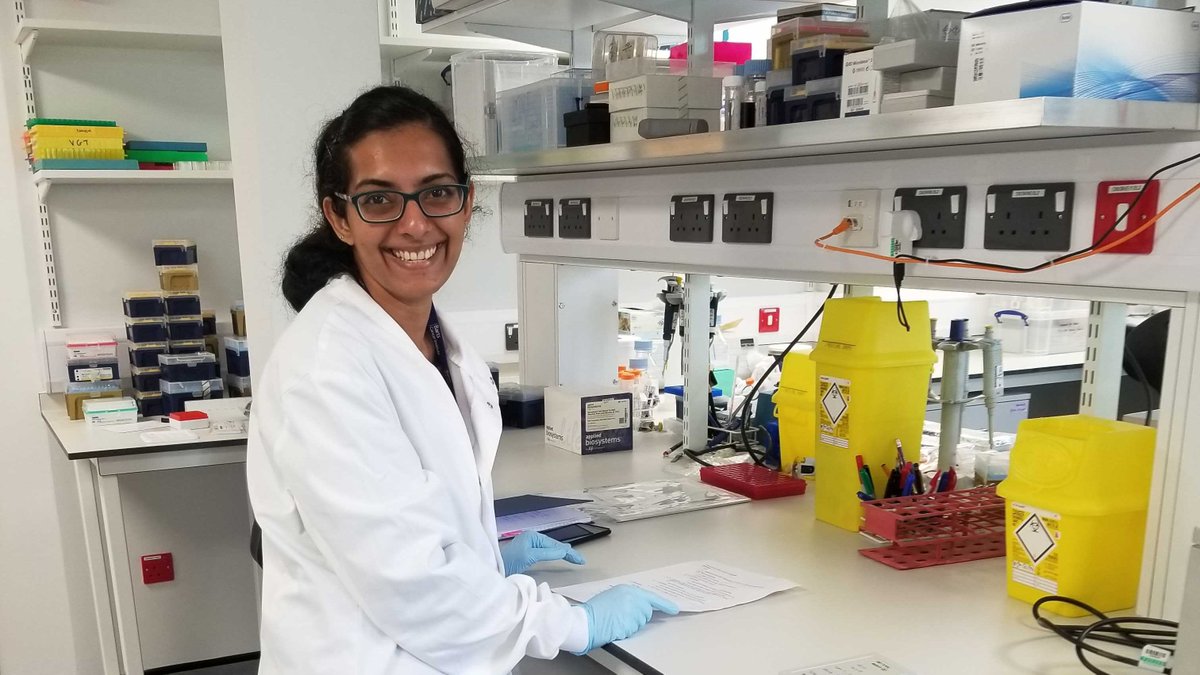
Anthropologist interested in human reproductive ecology, hormones, migration and health, also cultural variation in social cognition. @QMULBartsTheLon @QMULWHRI
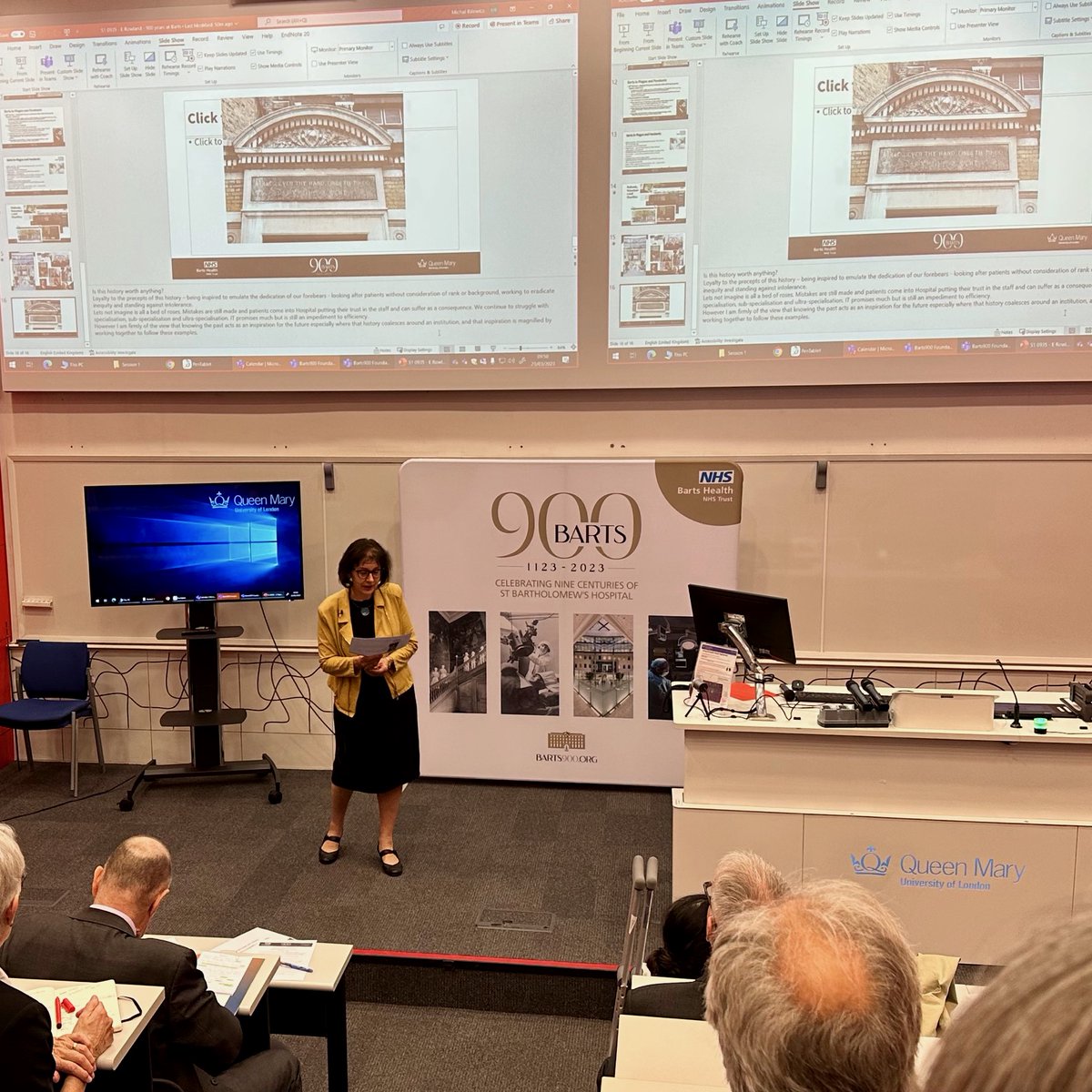
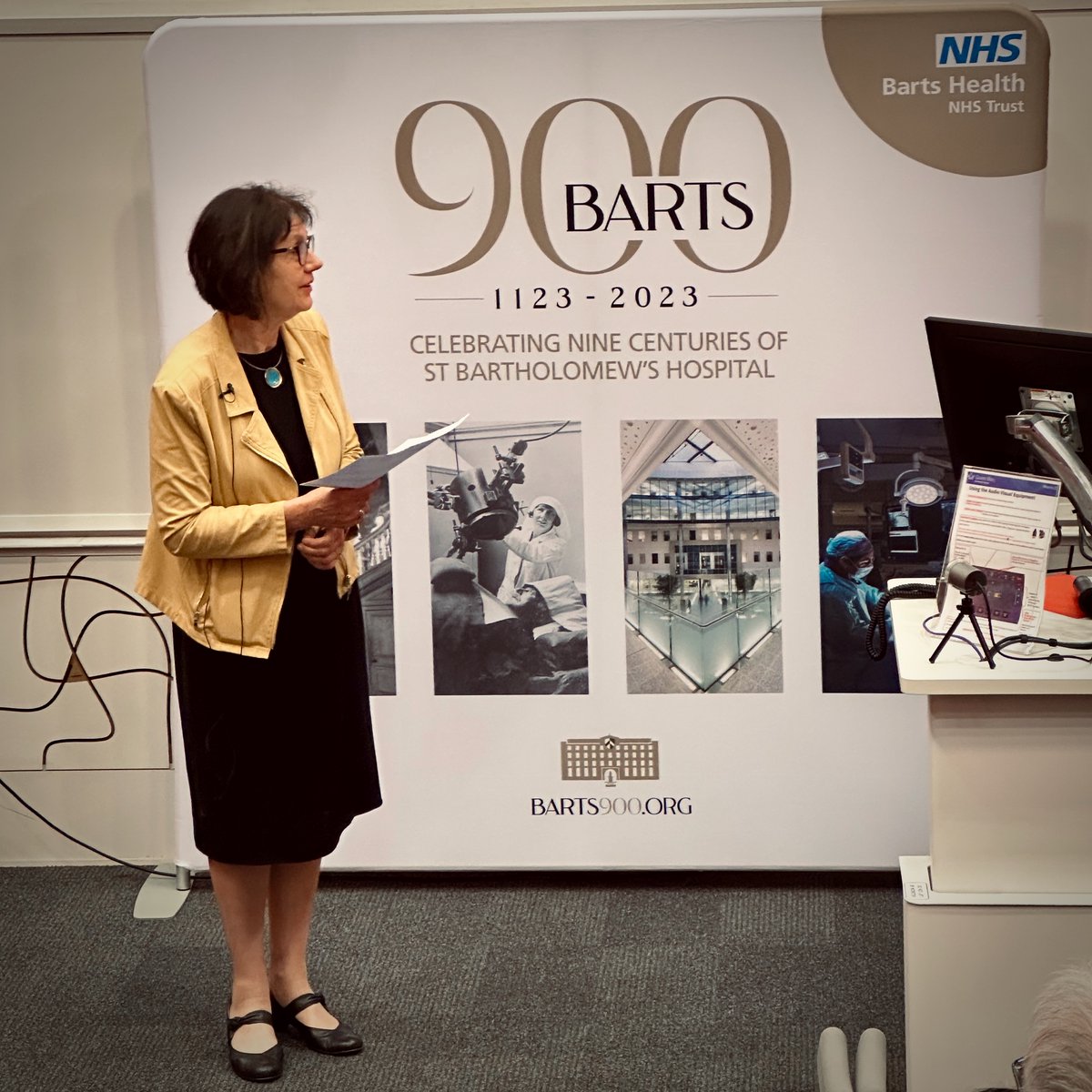
Happy 900th birthday @BartsHospital you don't look a day over 899! Marta joining in on the #Barts900 celebrations today, congratulating our august institution for 900 years of Transforming Healthcare https://t.co/ITGuzupWJE
Was just informed on #outlook that “The #comingsoon feature will be going away shortly” as a reminder of the existential dread all software buttons, indeed all of us, must face.
Hope when tempted towards hopelessness. A friend in Moscow, inside a police van, arrested last weekend for protesting the war. She and these other brave women are taking a stand, using their voices and an inspiration on #InternationalWomensDay#НетВойне https://t.co/HgbtI7Z4oO
Superb @Soc_Endo podcast on how hormones affect our height destinies, and what that has to do with the legend of the Irish giants. Featuring @QMULWHRI Profs Márta Korbonits & Helen Storr https://t.co/7srmTQxPDH
Super pleased to see ever resourceful #qmul colleague and @KorbonitsL alumnus @vinaya_sn into the finals of 3 Minute Thesis competition. Go Vinaya! #3MT#vitae20
On 16th September, Clinical Research Fellow @vinaya_sn will be taking part in the final of the 2020 Vitae Three Minute Thesis #3MT competition. Find out more about Vinaya's research and the competition here: https://t.co/qqTmnAJjB5 #vitae20
Extraordinarily well presented discourse on #genomics and #race that is soundly grounded in science. Recommended listening to anyone containing genes. https://t.co/LriGWmgWUH
Good piece on condition that’s much more common than I knew before joining @KorbonitsL and gets limited media coverage. #XXY#DSD#klinefelter “Klinefelter syndrome: many men have an extra X chromosome – but it is rarely diagnosed”
https://t.co/EJnlI3Lyzg
In which I'm quoted twice, once with my name even spelled correctly. Obsession w/ "boosting your levels" of #testosterone pointless, but OK if prompts reg. exercise, improved diet. https://t.co/PxvnQQJT4C via @Telegraph
Excellent perspective by Alun Williams from @ManMetUni on how #testosterone is “fetishised” by science and sport in the appalling ham-fisted ruling on #CasterSemenya covered by @BBCRadio4 Inside Science https://t.co/Z5WwKzMvFP
We did a science! Like most papers, it's not going to change the world. Unlike most papers, it's preregistered, open access, open data/analysis, no P-values, non-student sample +findings communicated to participants first #bethechange Thanks to @amesoudi https://t.co/GDepHRnQ6l
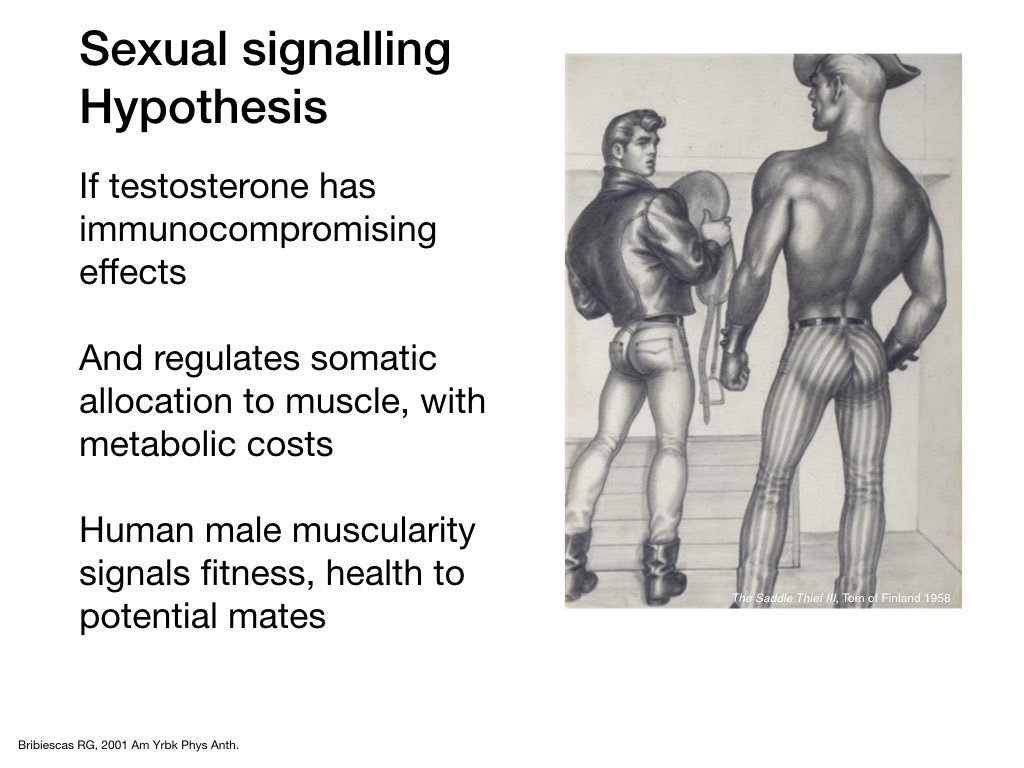
@maaf_owen @RebeccaSear I’d included two alternative perspectives on male muscularity as a factor in mate choice. The latter illustrated by #tom_of_finland
I love it when someone announces exactly the thing I was wishing for! The fab #SoftwareSustainability folk @SoftwareSaved teaming with @HDR_UK to address the digital skills shortage in #HealthDataScience through short training courses https://t.co/WtLGjRmGfR
Word of the day: #sesquizygotic And that's not even the most mindbending aspect of this case. I think it means these are #chimeric genetically #hermaphroditic siblings? And then there's the word score it would generate playing #Scrabble
@barnowlcj @GKountourides @OxfordBioAnth@Oxford_HumSci@oxford_anthro In fairness, I didn’t measure muscularity of women in my study so lack my own measures of dimorphism. Focussed on comparative variation between men in lean muscle wrt testosterone, and anabolic properties of this hormone as potential explanation of inter-population variation
@barnowlcj @GKountourides @OxfordBioAnth@Oxford_HumSci@oxford_anthro While I'd be surprised to see higher levels of muscularity in women than men within a population, can imagine conditions where the sexual dimorphism in muscularity would be quite low.
@barnowlcj @GKountourides @OxfordBioAnth@Oxford_HumSci@oxford_anthro Linked Lassek & Gaulin 2009 paper attributes 70% of variance in muscle mass and upper body strength in humans to sex differences, upper-body muscle mass "similar in magnitude to gorillas, the most sexually dimorphic primate (Zihlman & McFarland, 2000)" https://t.co/GY5ftaqpx0