@PeytonElroy You should check out Dr. Dawn Mussallem. There’s a few great podcasts she’s on, one being the Mel Robbins show. Worth checking out for a balanced approach strategy. There’s some great information from her. Good luck with the whole situation.
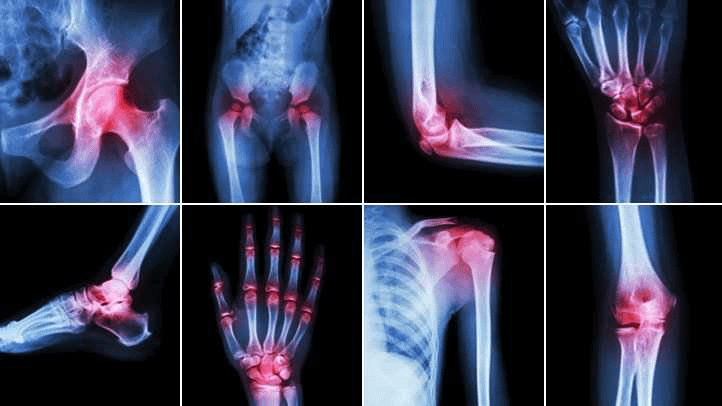
Every person over 35 blames aging for their stiff, aching joints.
Turns out it's not age... it's years of neglect catching up.
Here are 8 simple fixes to rebuild your joints and feel 25 again🧵:
@stayfreeCanada2 Everything west of Ontario should leave. Those liberals can have the brainwashed, mentally ill, blue haired creeps in their own fantasy land. Let’s build the new Dubai, where we invest our own money into our lands, and take care of our own people before giving a dime abroad.
Just did some late night screening. There are few stocks meeting my buy criteria. The market needs some time to repair. But in time, a new bull market will emerge led by new names. Now is the time to roll up your sleeves and put in the work so you are prepared to act decisively without hesitation.
First, let me say, I'm not a Trump fan... I'm a fan of doing what's best for the country with a long-term horizon in mind.
There are those who argue that we no longer need a manufacturing base in our economy—that it's an outdated sector, and we can comfortably rely on technology and emerging industries to drive growth. But the real question is: Do we want to stake our entire economic future on an undiversified economy?
In my mind, the answer, much like with investing, is no.
Just as a prudent investor wouldn't put all their capital into one or two stocks, a healthy economy shouldn't be overly dependent on a narrow list of industries. Diversification is essential, not just in portfolios but in national economic strategy.
A shift toward a narrowly concentrated economy—one heavily reliant on tech—leaves us vulnerable. We've seen how this plays out: in the dot-com crash of 2000, when overexposure to specific sectors magnified the damage and led to a drawn-out bear market and long-lasting carnage.
A robust manufacturing base provides balance, resilience, and stability. Abandoning it completely risks creating an economy that is dynamic—but dangerously fragile. AI provides opportunities, but it is also accelerating the trajectory of narrowly based structure and adding to the risks.
Do we really want everything to be "cyber" and virtual? Because that's the direction we are going, and fast!
Tough decisions are rarely celebrated in real time—especially in the political arena. They're often unpopular, uncomfortable, and met with skepticism. It's only in hindsight, after they succeed, that they’re recognized as bold or necessary.
It's easy to be a pessimist in the face of tough decisions, and it is even easier to cling to the status quo. But real, meaningful change demands time, discomfort, and above all, courage.
The tariffs President Trump is implementing aim to address several structural challenges—chief among them, revitalizing America’s manufacturing base. Agree or disagree with the policy or how it's being implemented, it stands as one of the most decisive and courageous economic moves made by a U.S. President in modern history. And for the sake of our country, I hope he is successful.
Your comments are welcome. Try to keep them intelligent.
Up to 60% of the population has an MTHFR gene mutation.
That means you CANNOT process folic acid effectively.
You need methylfolate—not the synthetic stuff added to your cereal and bread.
Otherwise, you could be damaging your mental health with every breakfast.
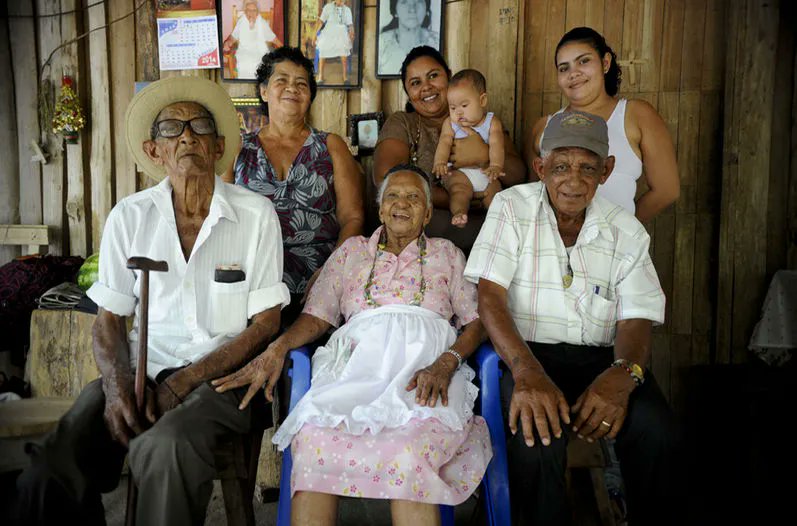
Costa Rica has a "Blue Zone" where people routinely live past 100.
No supplements. No gyms. No calorie counting.
Yet they outlive Americans by decades.
5 longevity practices from Nicoya's centenarians to improve your lifespan: