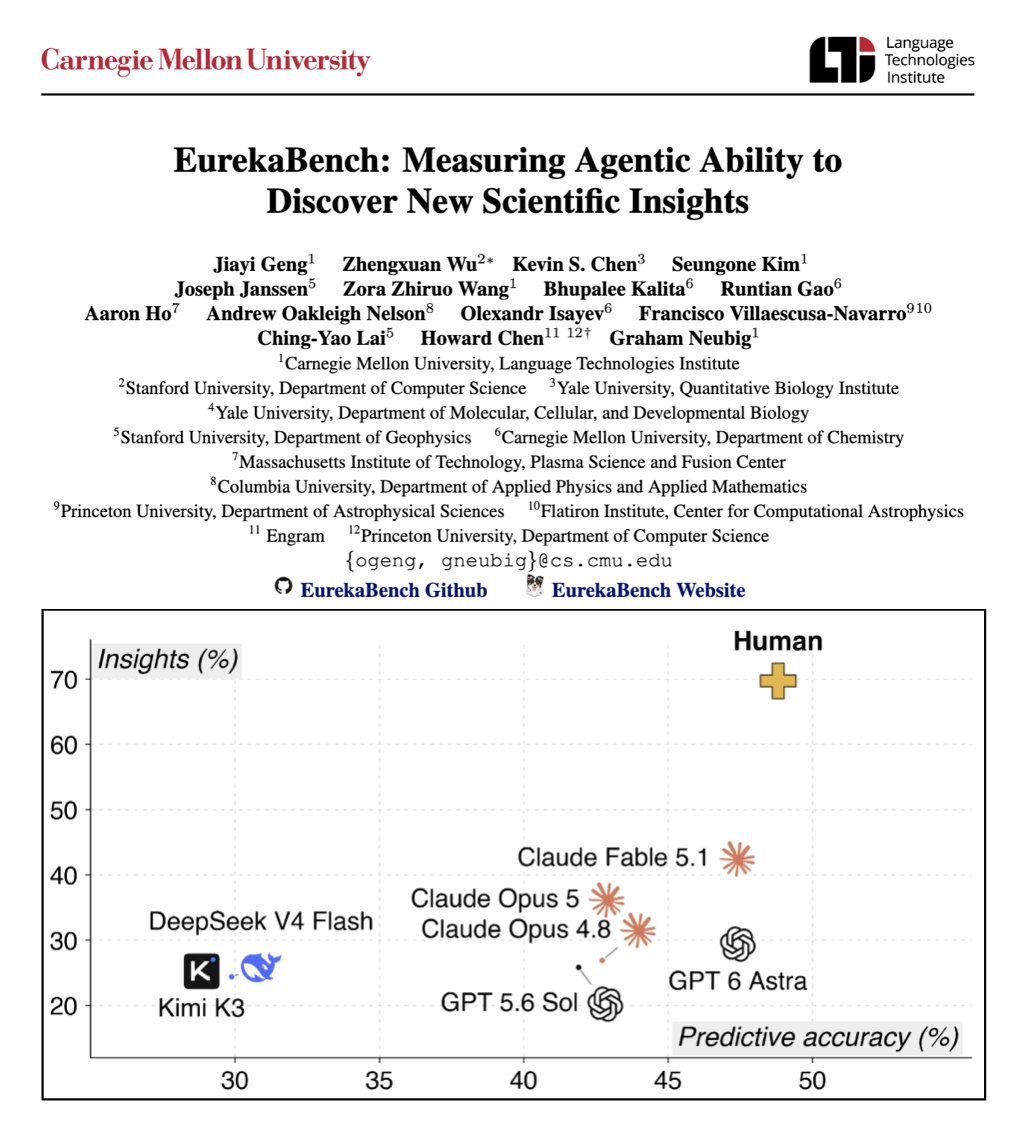
AI scientist agents are great at optimizing and finding solutions through endless trial and error. But is that really what science is about?
As Terrance Tao eloquently put, the role of math and science should be more than that – they are "lighthouses" that guide and inspire exploration through understanding and insights. Can AI agents discover novel insights through experimentation?
To study these gaps, we worked with domain experts to introduce EurekaBench, a benchmark spanning 6 science domains that evaluates an agent’s ability to discover genuinely new scientific insights.
(1/n)
How do living organisms use information to navigate up sensory gradients?
New preprint from @kevinschen13, with Damon Clark and @EmonetLab, shows that navigation works best with a feedback loop: information flows both forward from signal to action, and back from action to signal.
Out @eLife! @kevinschen13 & @contact_rui_wu report a new method to study odor guided navigation of worms & fly larvae on agar. Metal oxide sensors characterize the odor landscape experienced by the animal. In collab w/ Marc Gershow @NYUPhysics Congrats! https://t.co/eEwdQBFhOY
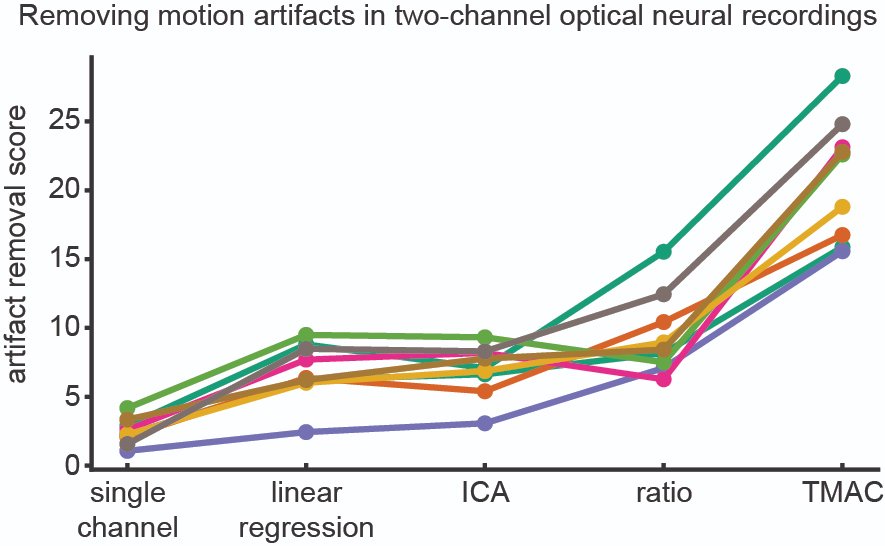
Do you perform optical imaging in behaving animals? An animal's behavior can introduce motion artifacts into fluorescent time traces. Our new method TMAC works by correcting artifacts *after* spatial alignment (1/4)
@jpillowtime@AndrewLeifer@kevinschen13
https://t.co/oBpqVkBy2t
My new preprint with @jpillowtime@AndrewLeifer@kevinschen13! An animal's movements during optical neural recordings can induce motion artifacts in the data. We introduce TMAC, a method that uses an activity-independent channel to remove these artifacts.
https://t.co/jatx1zpWX3
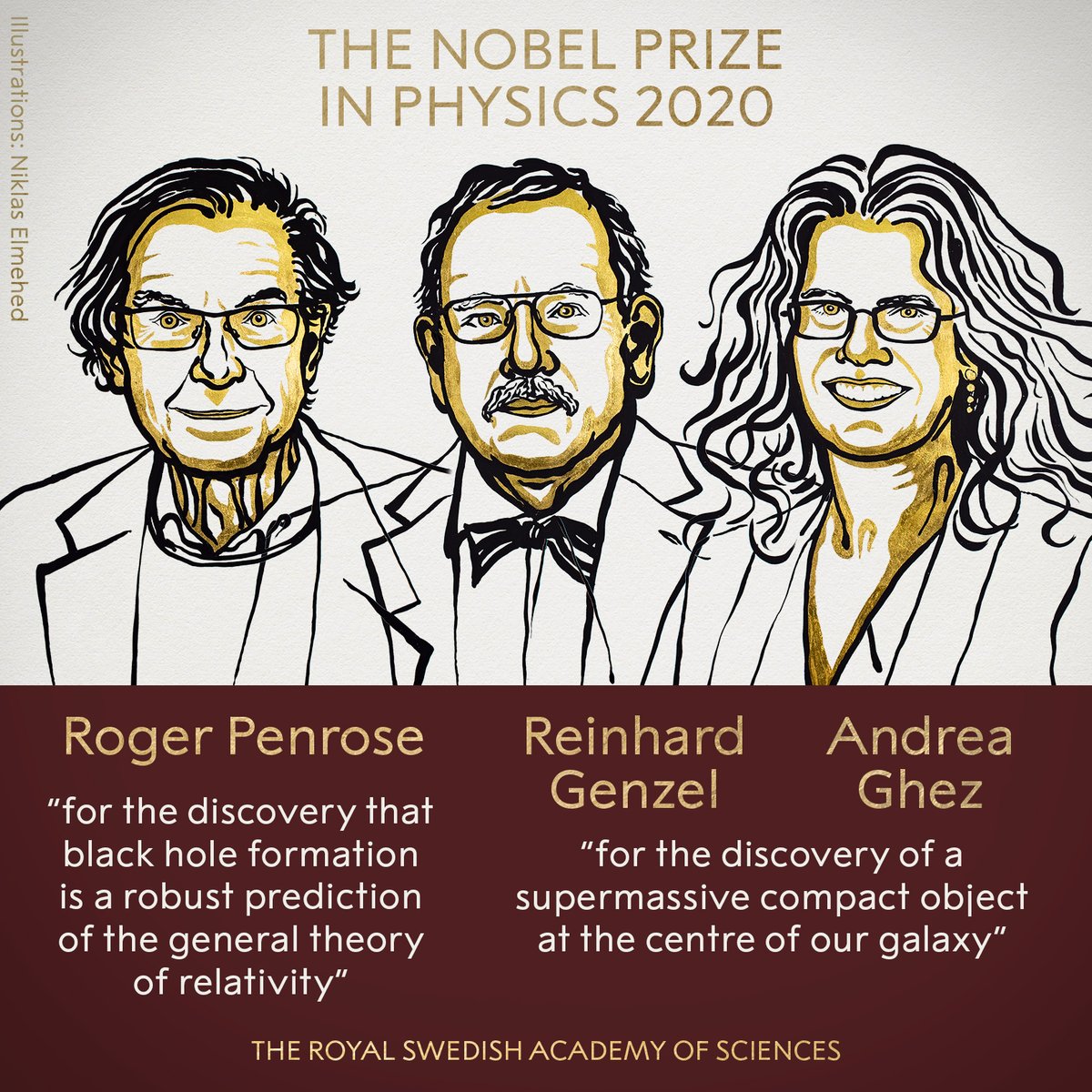
BREAKING NEWS:
The Royal Swedish Academy of Sciences has decided to award the 2020 #NobelPrize in Physics with one half to Roger Penrose and the other half jointly to Reinhard Genzel and Andrea Ghez.
BREAKING NEWS:
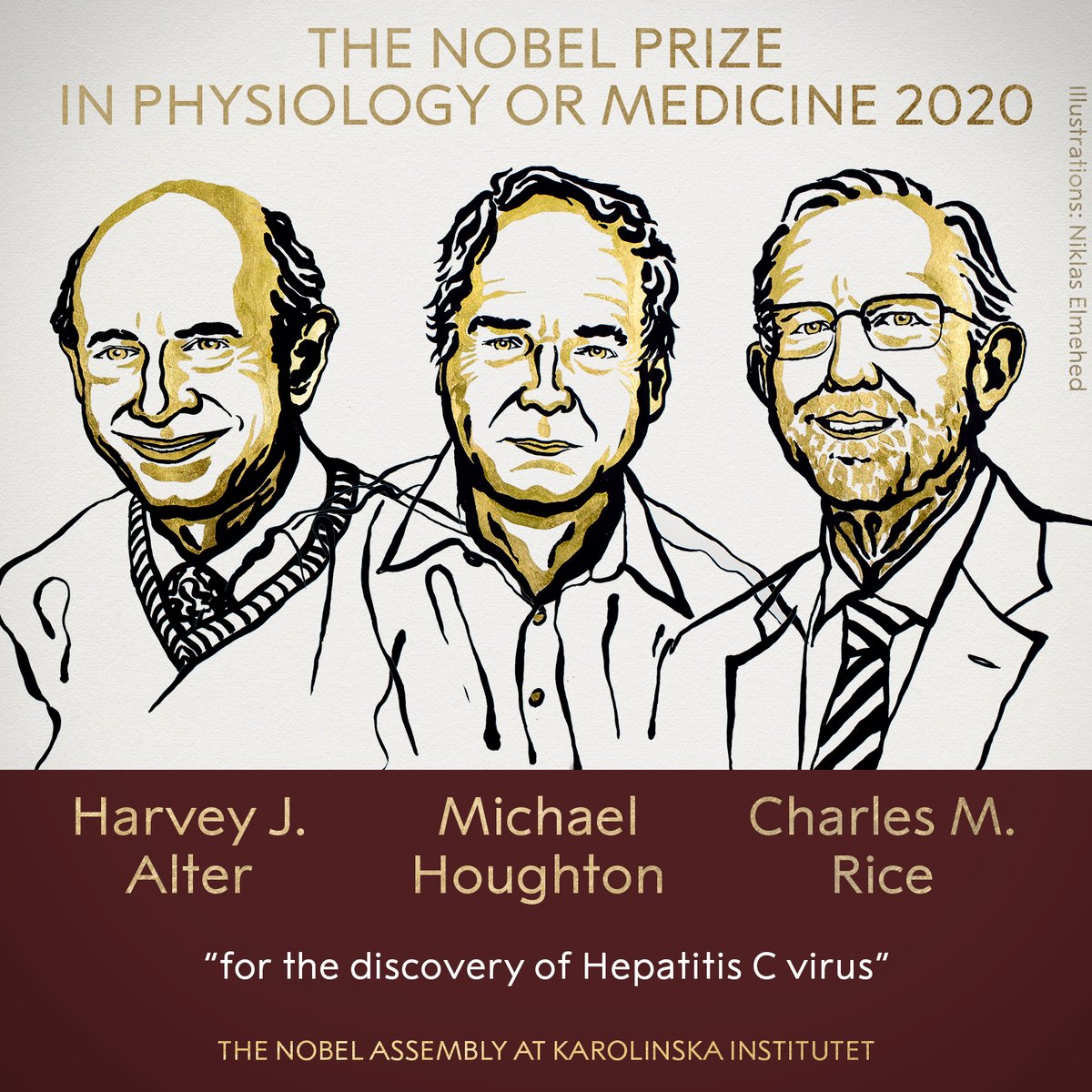
The 2020 #NobelPrize in Physiology or Medicine has been awarded jointly to Harvey J. Alter, Michael Houghton and Charles M. Rice “for the discovery of Hepatitis C virus.”
Excited to share our preprint on Directed evolution of microbial communities!! https://t.co/f5SrbM6HVL
No work can describe how much I enjoyed working with co-first @Oxfordvila and @asanchez_lab!!
Sad news. Horace Barlow, one of the great thinkers about the brain, has passed away. Born 8 Dec 1921, he saw almost a full century, and taught us about vision, perceptual inference, neural coding, learning, and more. #neuroscience#vision#NeuralNetworks
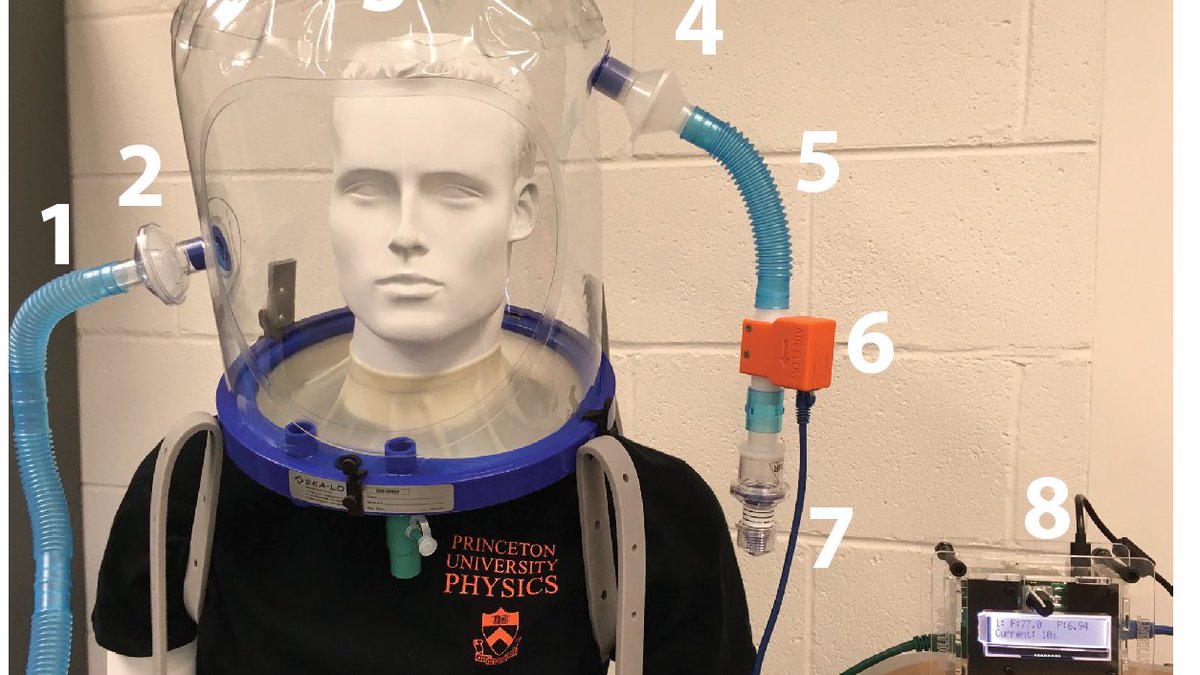
Grateful to be part of amazing @Princeton team developing monitoring system for COVID patients. Preprint: "Inexpensive multi-patient respiratory monitor for helmet ventilation during COVID-19 pandemic" w/ source, CAD and assembly video.
https://t.co/fctqTJpeMF
The #PrincetonU Board of Trustees has voted to remove Woodrow Wilson’s name from the School of Public Policy and International Affairs and residential college. https://t.co/rt17hfDCk2
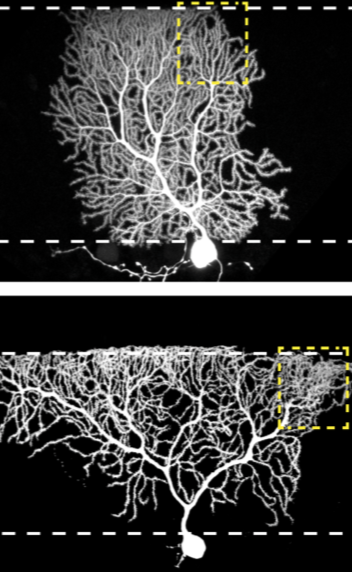
A new preprint, brought to you largely by immigrants: Experiments reveal a connection between synapse formation and dendritic growth; impairing synapse formation turns Purkinje cell dendrites from squares to triangles. Modeling captures it & suggests why! https://t.co/K2tMA8cRQk
Albert Einstein giving a lecture on relativity in 1946 (after the war, before the civil rights movement). His peers criticized this appearance. The press purposefully didn't cover it. He simply wanted to inspire young minds with the beauty and power of science.
New from @jason_z_kim "Teaching Recurrent Neural Networks to Modify Chaotic Memories by Example" https://t.co/p6zTp2wwma. Principles for how neural systems sustain, manipulate, & extrapolate dramatic changes in complex temporal data simply by perceiving & imitating examples.
My rotation project in the Sanchez lab is out on bioRxiv! This work also serves as my first experimental project using microbes and it was a lot of fun! Many thanks for the amazing supervision by @metaboli3am and @asanchez_lab!!
https://t.co/C1oXhdptPB
How does brain wiring change after birth? We tried to answer that question by mapping the wiring diagrams, or connectomes, of eight C. elegans brains across different life stages.
See our preprint (and this thread) for the insights we found: https://t.co/OpWa9UYWPZ
1/9
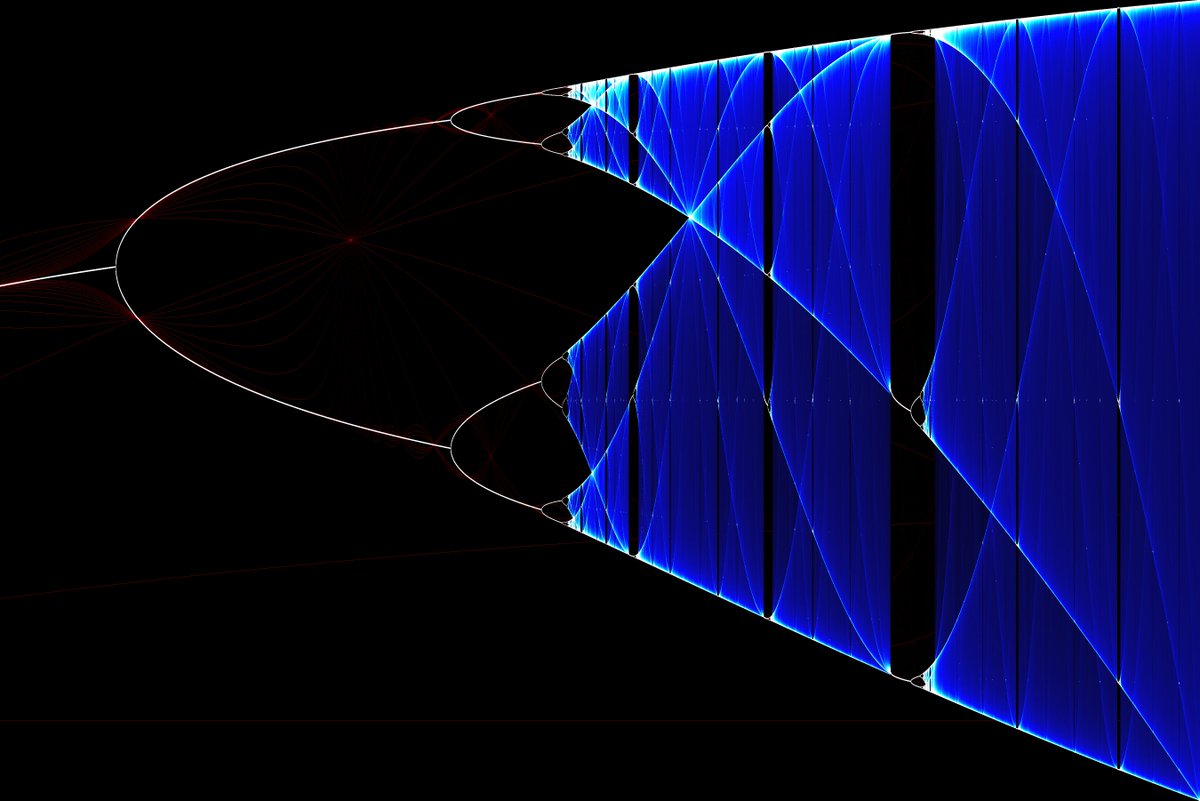
Sad news today. Farewell to Robert May. Science Board member at @sfiscience. He made huge contributions to the study of ecological complexity, including chaos theory, epidemiology, virus dynamics, biodiversity and evolution. https://t.co/Kq6OtU2j0L
If you have good contacts in underserved countries, communities etc, please help us get out the word for neuromatch academy (https://t.co/Knq9jibIq0), the online 3 week summer school where neuroscientists learn computation. Application deadline 4/27. Participants so far: