Flight Sim msfs 2020 & 2024! DCS A-10 C F/A-18c, AH-64D 800mm Hex Multi-Rotor Pilot! Space Shuttle & NASA #1 STAR WARS FAN! Music LOVERBOY! 3D Print Prusa mk4s!
The jumpers started at 8:46.
Networks had the tape. They hid Americans choosing the air over the fire.
Then they spent 25 years treating the word Islam like a crime. The footage was “too graphic.” The truth was forbidden.
This day is stamped in my heart forever...
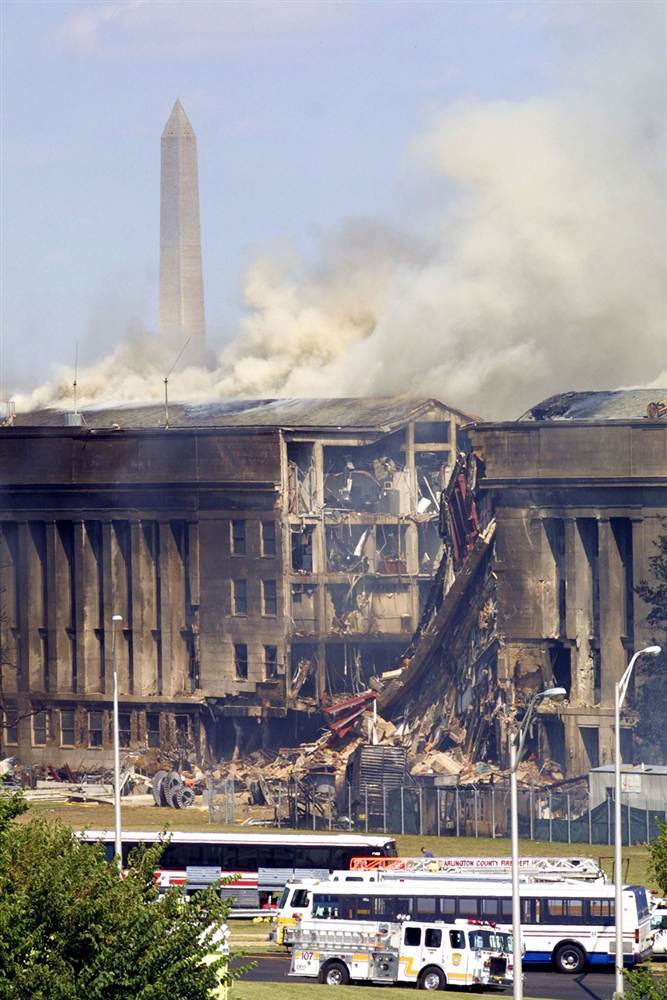
The Pentagon attack isn’t posted about as much as the other 9/11 targets, so it’s important to remember the 64 passengers and crew of AA Flight 77, plus the 125 people killed inside the Pentagon.
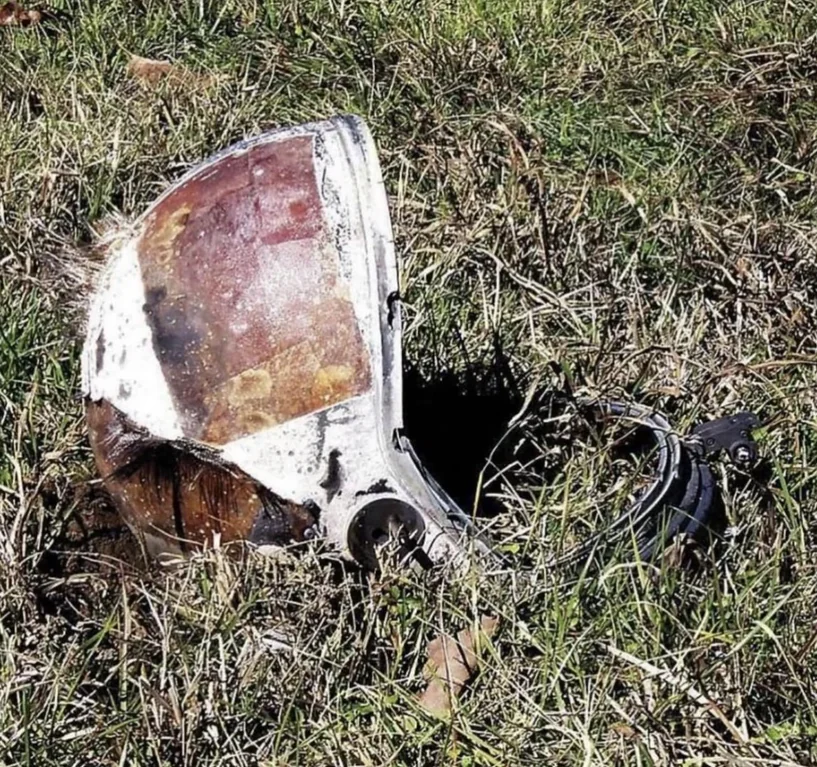
A helmet in a Texas field.
On February 1, 2003, Space Shuttle Columbia broke apart during reentry. In the weeks that followed, searchers walked pastures and fence lines across East Texas, gathering what the sky had given back. Among the wreckage was an astronaut’s helmet — white, scarred, unmistakable — lying in ordinary grass on ordinary farmland.
It was not a relic from another century. It had been above the atmosphere that same morning. Seven people had been coming home. The helmet did not tell the whole story. It only made the distance between orbit and Earth suddenly, unbearably small.
When the Museum received our V-2, it was painted black and white. It was displayed that way for decades. Before putting it back on display in “RTX Living in the Space Age," we repainted it to a more accurate camouflage green. Read more on the blog: https://t.co/tWEz3fpM2K
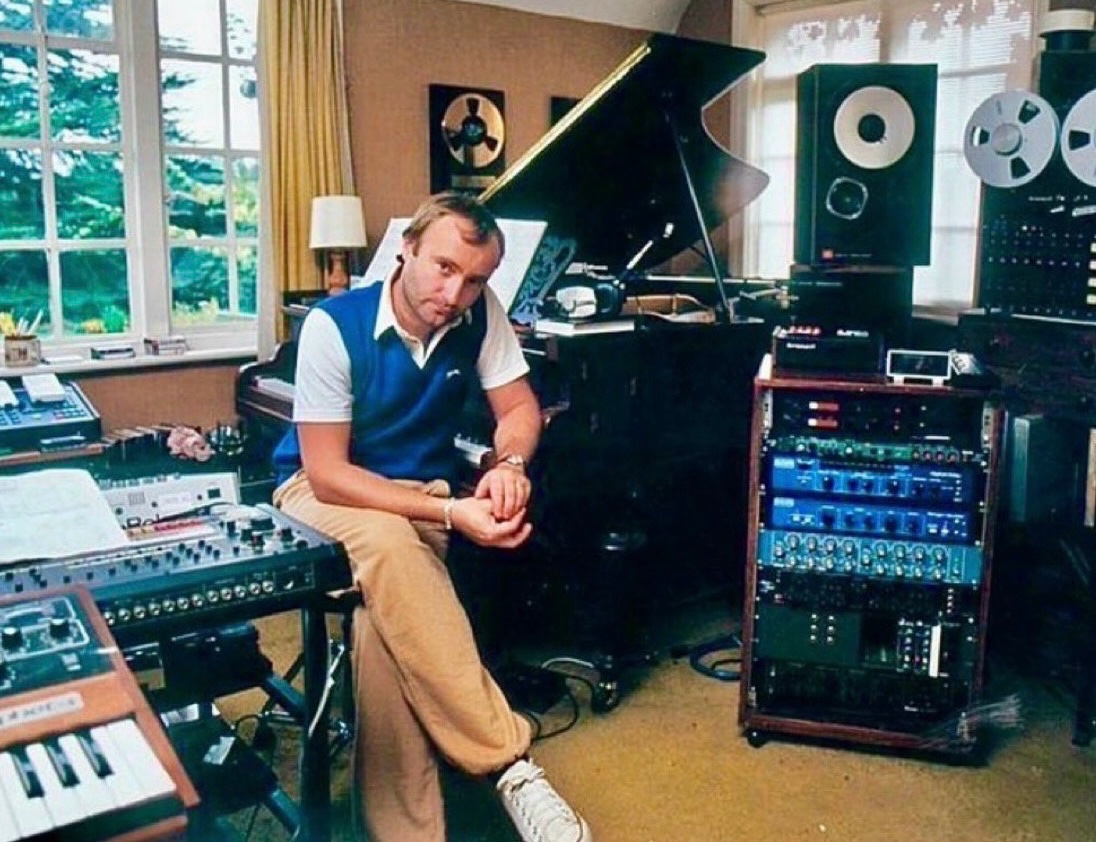
In the late 1970s, Phil Collins was going through a personal hell.
His first wife, Andrea Bertorelli, left him and took their children with her, leaving him completely devastated. At the time, he was the drummer and lead singer of Genesis, but his pain drove him to write his own songs, almost like desperate messages addressed to her, in the hope of winning her back.
Collins took one of those songs, “In the Air Tonight,” to his Genesis bandmates, but they rejected it, deeming it too simple. Determined not to let it go to waste, he recorded it himself using a newly purchased Roland drum machine, unaware that that raw sound would become his signature.
In 1981, he released “Face Value,” his debut solo album, with that very song as the lead single. The album was an instant hit, reaching number one in the United Kingdom, and transformed Collins from a progressive rock drummer into one of the most recognizable voices in 1980s pop rock.
In The 1980s Before You Walked Into a McDonald’s, Your Burger Was Already Cooked.
In a 1980s McDonald's the cashier never punched your order back to a kitchen. Your burger was already cooked before you walked in the door. A shouting expediter and a ruthless 10-minute trash timer ran the whole show.
Before the late-90s "Made for You" system that builds sandwiches on demand, the chain ran a tightly orchestrated batch-cooking machine built around one piece of equipment: the production bin.
The production bin was a long heated metal shelf that physically split the grill from the front counter. It was a localized inventory buffer. Cashiers simply turned around, grabbed a pre-wrapped burger from the bin, and handed it to the customer. No ticket. No wait.
To keep that buffer full during peak hours McDonald's used a verbal "call" system run by an expediter, usually the manager. The expediter stood at the bin and ignored the registers. They watched the wrapped food disappear from the holding area and used "build charts" (historical sales data for that exact hour of that exact day) to know how many Big Macs, Quarter Pounders, and regular hamburgers had to be standing by. When the bin dropped below target they shouted batch orders to the grill: "Six Macs, four Quarters, ten regular!"
Holding cooked food created a quality problem. Sit too long and the bun dried out and the meat went south. The fix was numbered metal or plastic tags placed next to each row of sandwiches. The numbers matched minutes on a clock face in five-minute steps. If the minute hand passed the tag before the burger sold (the hard limit was usually 10 minutes) the entire remaining row went into the waste bucket.
It was a high-risk, high-reward inventory model that chose speed over waste. During a lunch rush the constant shouts, falling bin levels, and rapid batch cooking let a well-run 1980s McDonald's take an order and put a hot meal in a customer's hand in 30 seconds.