If it seems overwhelming (which it can be given how much plastic is used nowadays). Try taking out one plastic item at a time and give yourself time to adjust your routine. Getting friends or family to join you can help as well! #NoExcuseForSingleUse
I like to think that as an environmentally-conscious, recent marine biology masters graduate, citizen of earth, I do my part to avoid the plastics that harm our oceans, like single-use water bottles, grocery bags, and straws (most of the time). But I think there's more I can do.
So, I'm challenging myself through @projectaware's Single Use Plastic Pledge to avoid other forms of plastic like plastic wrap, shampoo bottles, zip-lock bags, and plastic coffee cups/lids. And I challenge anyone who thinks they can too. https://t.co/LVLKhIKVH2
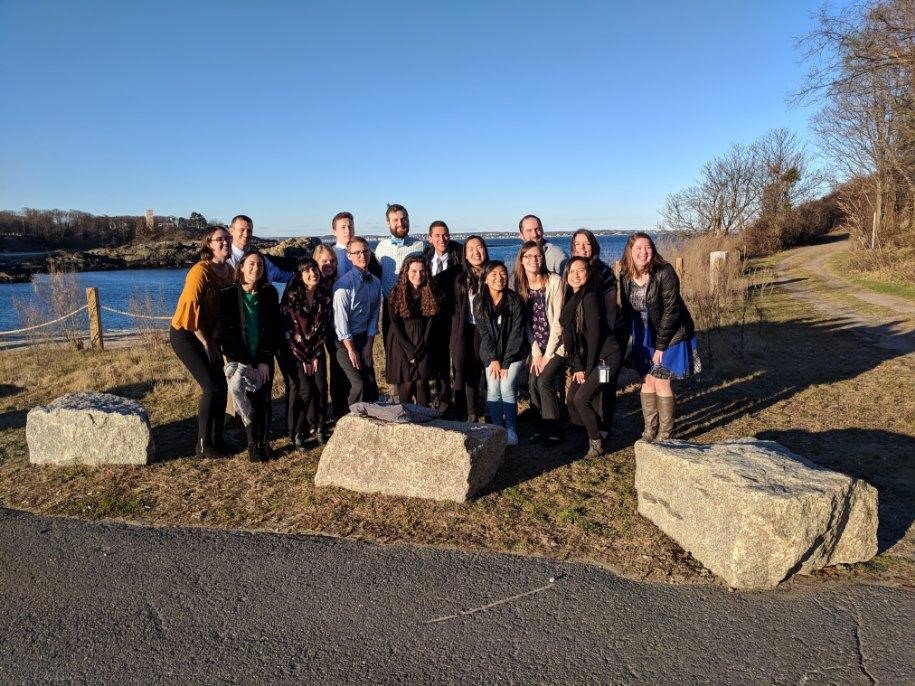
Still can't believe I'm a master of marine biology! I feel so lucky to have spent most of this process with such an amazing group of people. I'm so proud of what we've all accomplished! #ThreeSeas36forLife#cuidado#GOTC
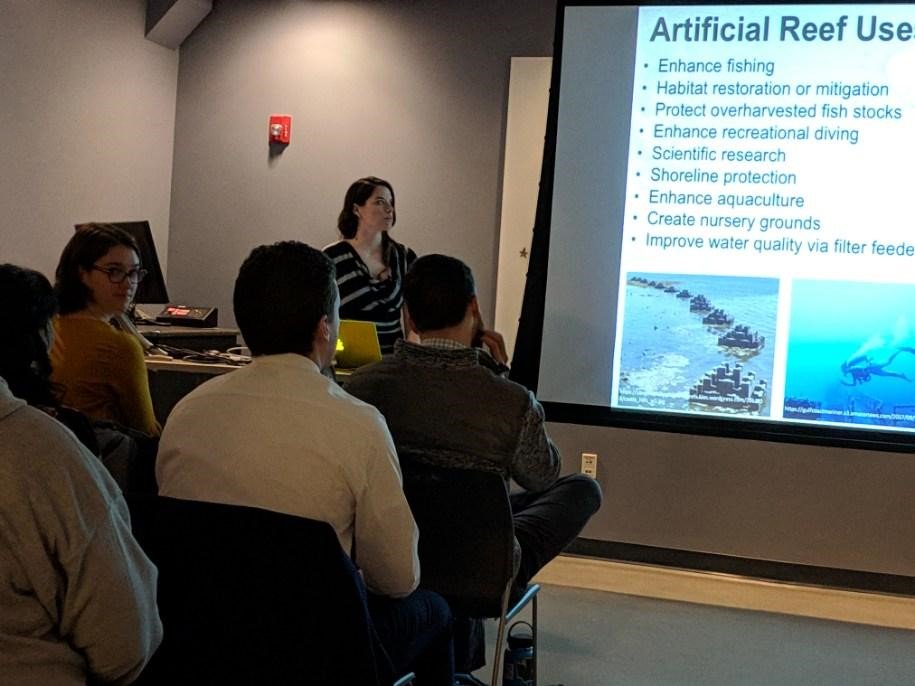
First conference, first poster! Great opportunity to present our preliminary artificial reef site selection data at the @NEERS_science fall meeting. #gradschool#science
So psyched to finally see one of these guys! Mola molas, or the ocean sunfish, are one of the funkiest looking fish species. They can look injured at the surface but that's just their way of warming up. And no its not a baby whale...or a tuna...or a sea turtle #WorldAnimalDay
When threatened, the flying gurnard quickly fans out a set of pectoral fins that look like wings. Learn more about this unique fish, via @azula https://t.co/tEszbPCuIY
Had a cool ride the other day aboard @NOAAFish_NEFSC 's R/V Gloria Michelle. This vessel has been conducting trawling resource surveys throughout coastal Massachusetts. #resourceassessment#noaa
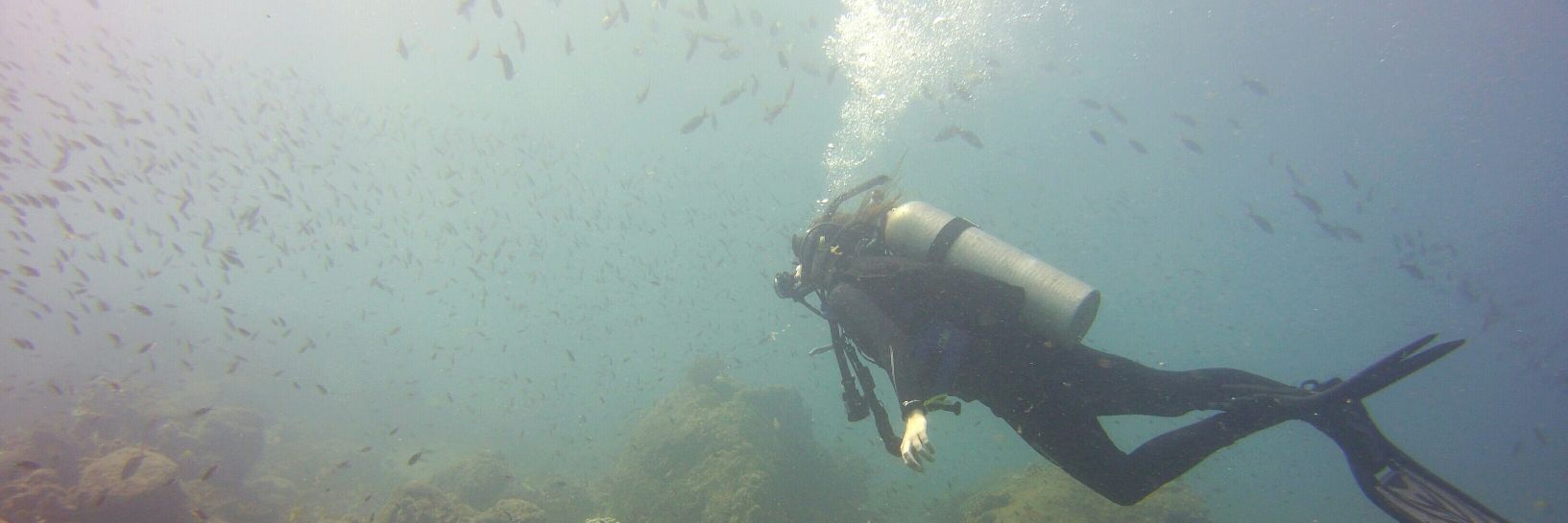
the next part of my graduate research project with @MassDMF involves transect surveys at our chosen sites. on each transect we take substrate, algae, invertebrate, and fish data. from these we will choose reef sites to permit! #gradschool#artificialreefs
Connor Capizzano, grad student at the @CenterOceanLife and @UMassBoston presents a great overview of his work estimating fish mortality in the Gulf of Maine Groundfish fishery at #AFS148 today. Well done Connor!
helping out with a citizen science project mapping eelgrass with @MassDMF looking in areas with historical eelgrass presence as well as new areas #citizenscience
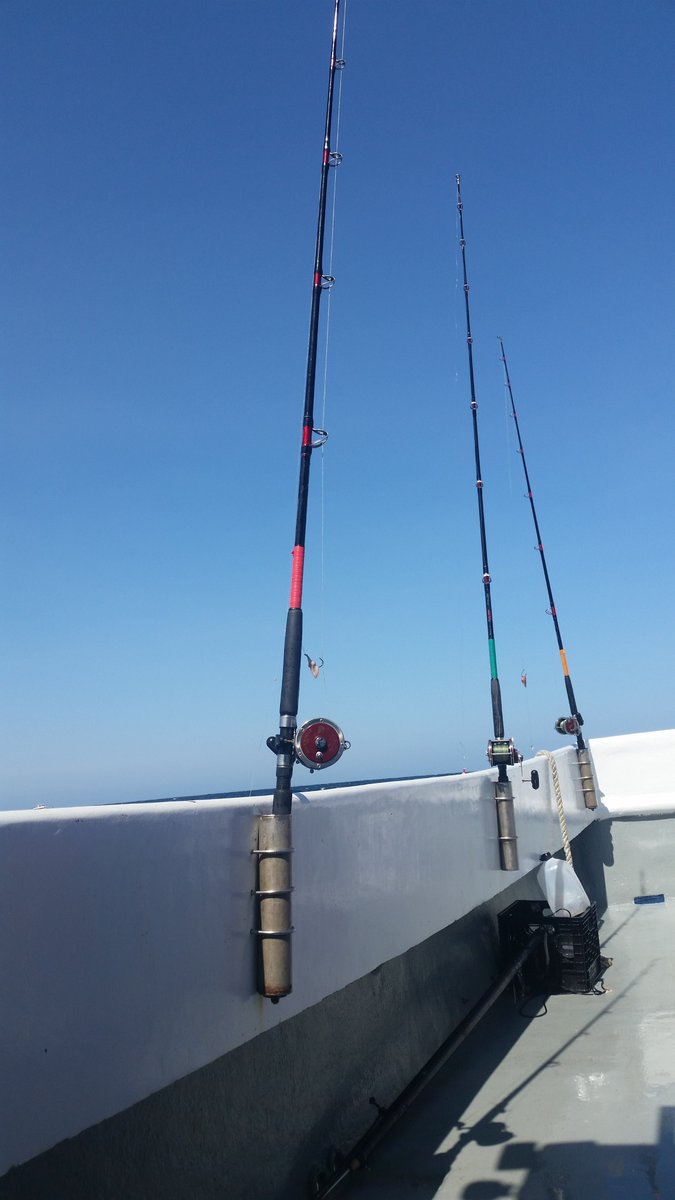
I had never caught a fish before yesterday...super cool going out on the water with @CenterOceanLife to learn more about fishery discard mortality #fishing#fishsci
went out to the Boston Harbor Islands the other day to collect baseline erosion data with @NatlParkService. proud to say I remember my algaes from #zoobots. #gradschool
#3Cs36 learned about this resident orca population in class this spring. it's quite shocking to see the detrimental effects of food scarcity on these whales. #overfishing#southernresidentkillerwhales
Orca J35 has finally dropped her dead calf, which she'd been carrying for at least 17 days and 1,000 miles—an unprecedented show of mourning https://t.co/w3uqorgyAc https://t.co/I3ANzTQkY2
Today we are thrilled to announce the release of a major update to marine life and habitat data and maps available @NEOceanData. Thousands of updated maps of #marinemammals, #birds and #fish reflect recent observations, new species, and new species groups: https://t.co/PFAmGeaYDP
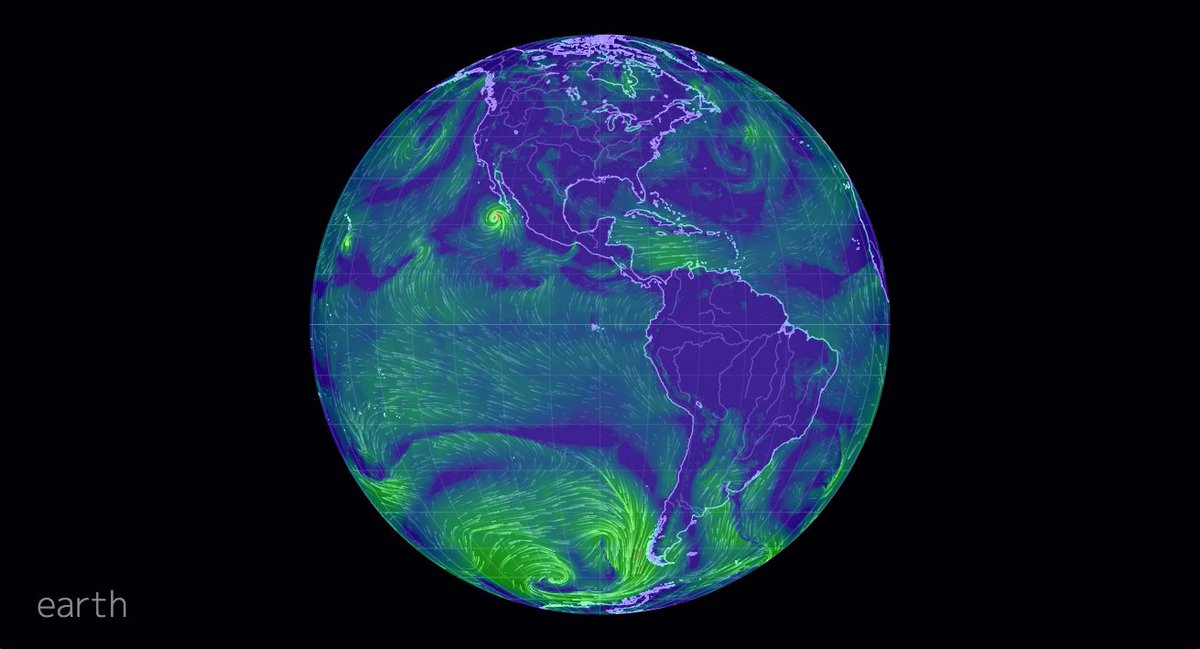
Have you been to Earth lately? No, not that one. This one: real-time animated winds, currents and other data, based on real observations and predictions run on a supercomputer -- https://t.co/YlB6GJ6DuO