Terraform is beautiful. Every concept has a story, you just don't know it yet.
You write your first Terraform file. VPC, EC2, S3. It works. Terraform saves the state in a file called terraform.tfstate sitting right next to your code.
Simple. It works. You feel like a genius.
Then your colleague runs terraform apply on their laptop. Now you have two state files. Both out of sync. Nobody knows what's actually deployed. You just broke production with a plan command.
So you move to remote state. State lives in an S3 bucket now. One source of truth. Everyone on the team reads from the same file.
But two people run terraform apply at the same time. Both read the same state. Both make changes. One overwrites the other. Infrastructure is now in an unknown state at 2am.
So you add state locking with DynamoDB. One apply runs at a time. The second one waits. No more race conditions. No more 2am mysteries.
Now your team has been clicking in the AWS console for months. Load balancers, security groups, RDS instances. None of it is in Terraform. You want to bring it all under control but you cannot delete and recreate production.
So you use terraform import. You point Terraform at the existing resource. It reads the real state and writes it into your state file. No downtime. No recreation. The resource is now managed by Terraform.
But someone still goes into the console and changes a security group rule manually. Terraform does not know. Next apply reverts it silently. Or worse, it conflicts and breaks something.
So you run terraform plan in CI on every pull request. Drift gets caught before it causes damage. The console becomes read only for humans.
Your dev and prod environments are now identical in code but different in size. You want one codebase, not two copies drifting apart.
So you use workspaces. Same code. Different state. Dev gets small instances. Prod gets Multi-AZ. You toggle with one command.
Infrastructure is now code. Reviewed. Versioned. Tested. Deployed like software.
That is the whole point of Terraform.
"I shot him first!"
No you didn't. The server is just too fucking slow.
You'll spend $1000 on a 240Hz monitor just to play on servers slower than a government worker.
📡 SERVER TICK RATES
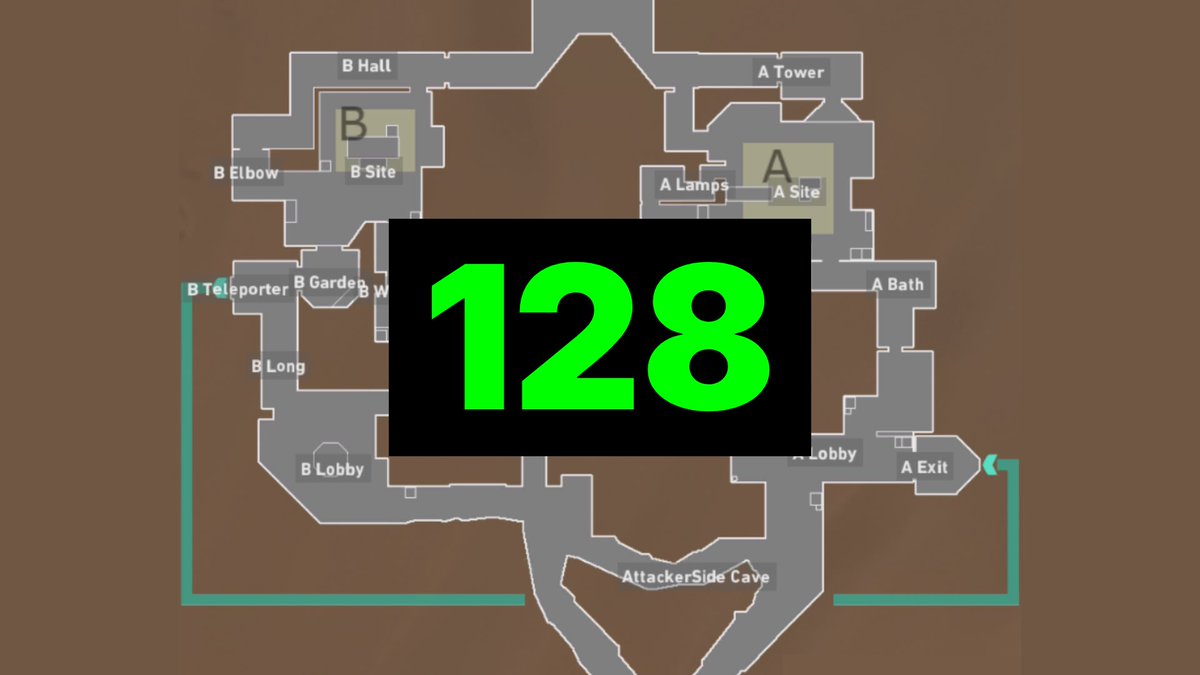
128 Hz — Valorant
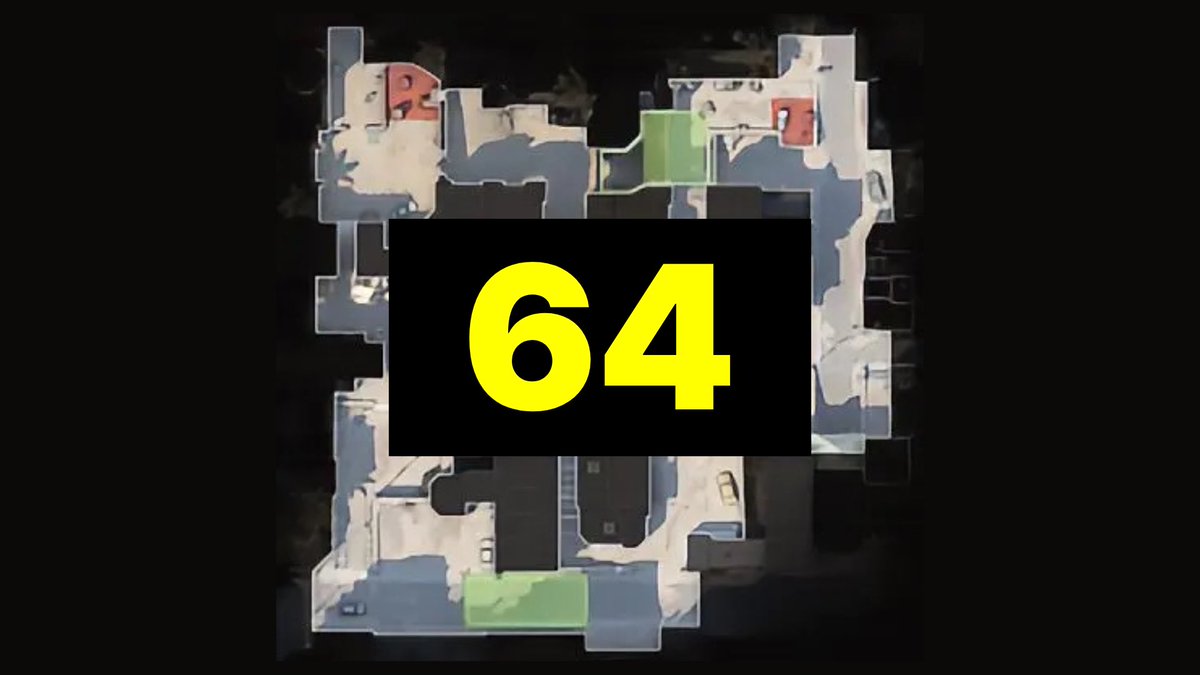
64 Hz — CS2
64 Hz — Overwatch
64 Hz — R6 Siege
60 Hz — COD
60 Hz — Battlefield 6
60 Hz — PUBG
60 Hz — Marvel Rivals
60 Hz — The Finals
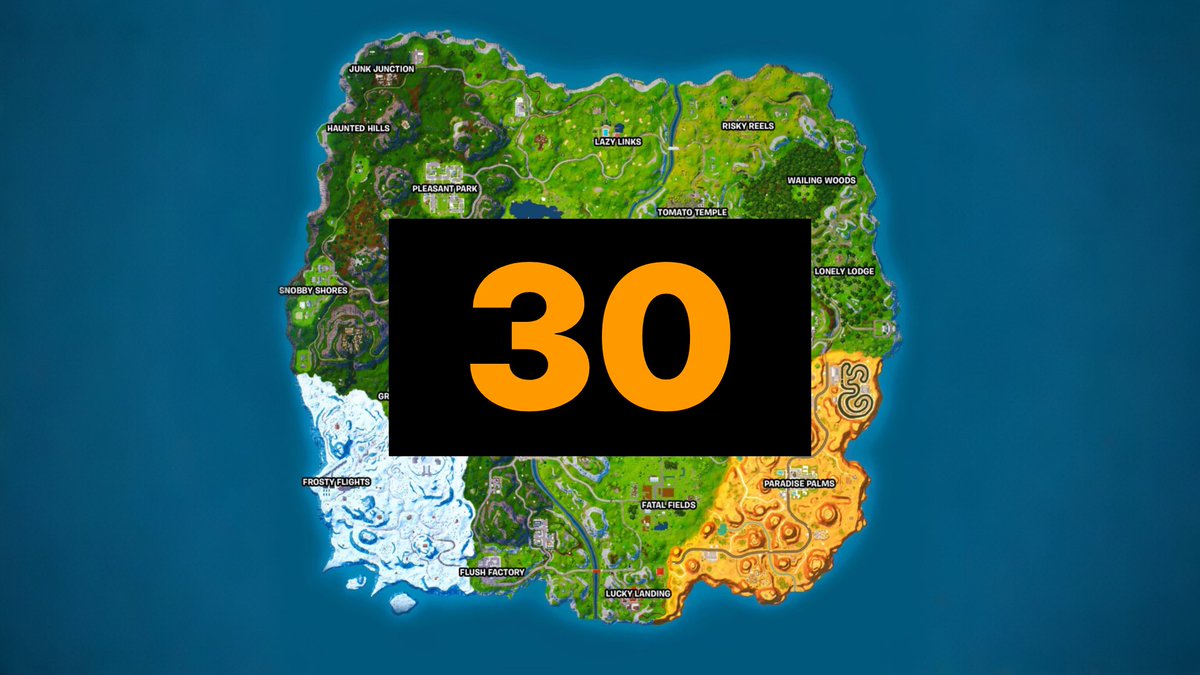
30 Hz — Fortnite
20 Hz — Apex Legends
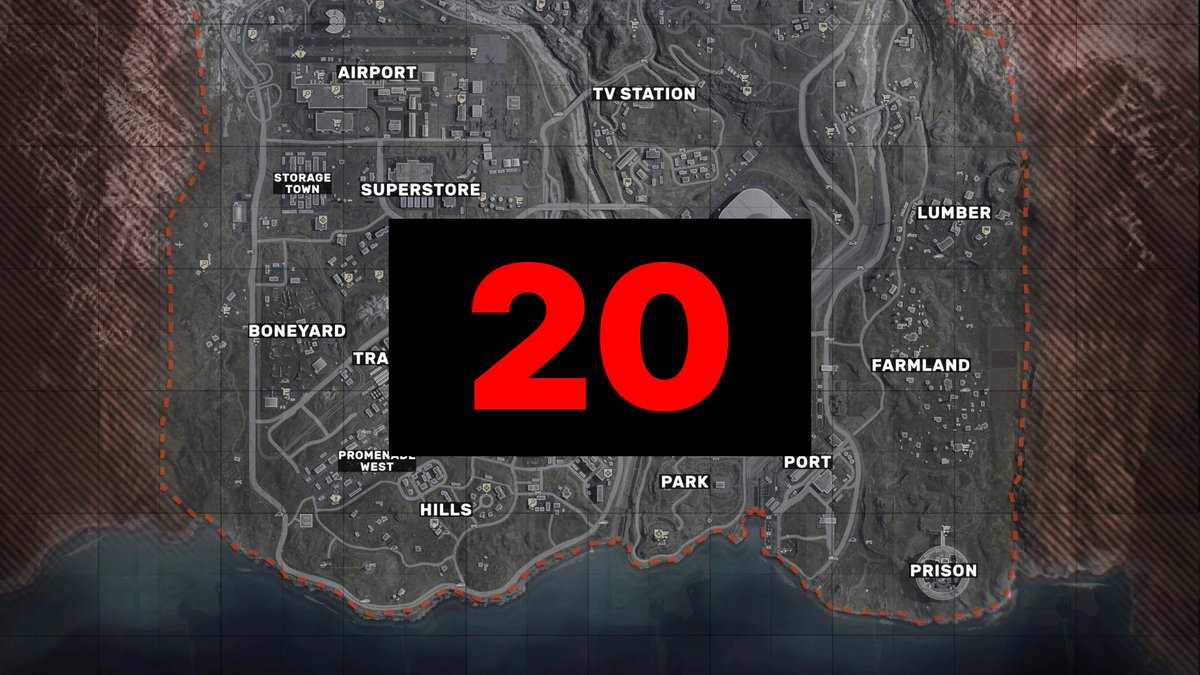
20 Hz — Call of Duty: Warzone
In Apex and Warzone, the server updates only once every 50 milliseconds.
Even if you're playing on a $2,000 rig with a 1ms monitor, your bullets will still be bottlenecked by servers that feel like they're from 2007.
If you die while already behind cover, it’s not magic. It’s the server the devs didn't want to spend more money on.