Sobha Singh - The Man Who Owned Half of Delhi (Aadhi Dilli Ka Malik)
In the early decades of the 20th century, as the British Empire decided to shift India’s capital from Calcutta to Delhi, the city that would become New Delhi was still an idea - unformed, uncertain, and unfinished.
Among the very few Indians trusted with turning that imperial vision into stone was Sir Sobha Singh (1888–1978).
Born in Hadali (now in Pakistan), Sobha Singh rose from modest beginnings to become the most influential contractor and real-estate developer of his time.
Working closely with the Public Works Department, he played a decisive role in constructing Lutyens’ Delhi - including large parts of the areas around Rashtrapati Bhavan, India Gate, Vijay Chowk, Connaught Place, and the Secretariat buildings.
Through early land acquisitions and private development, he came to own vast portions of central Delhi, earning him the enduring title “Aadhi Dilli ka Malik.”
Sobha Singh was not merely a builder but a city-maker. He became the first Indian President of the New Delhi Municipal Council, helped introduce Delhi’s first apartment complex (Sujan Singh Park), and shaped the city’s urban character for generations to come.
Beyond Delhi, his influence extended to national projects such as the Bhakra–Nangal Dam, a cornerstone of independent India’s infrastructure.
Despite immense wealth and power, Sobha Singh avoided personal glorification. Much of his estate was later placed in charitable trusts, and few structures bear his name. Yet modern Delhi - its avenues, institutions, and skyline - remains his most enduring memorial.
He avoided politics yet shaped policy. Opposed chaos in post-Partition urban planning. Funded Bhakra-Nangal when others abandoned it.
Left most of his wealth to charity. He named nothing after himself. History named him anyway.
Delhi stands today on land, stone, and silence Sobha Singh left behind.
Aadhi Dilli ka Malik - the man who taught India how to build power quietly.
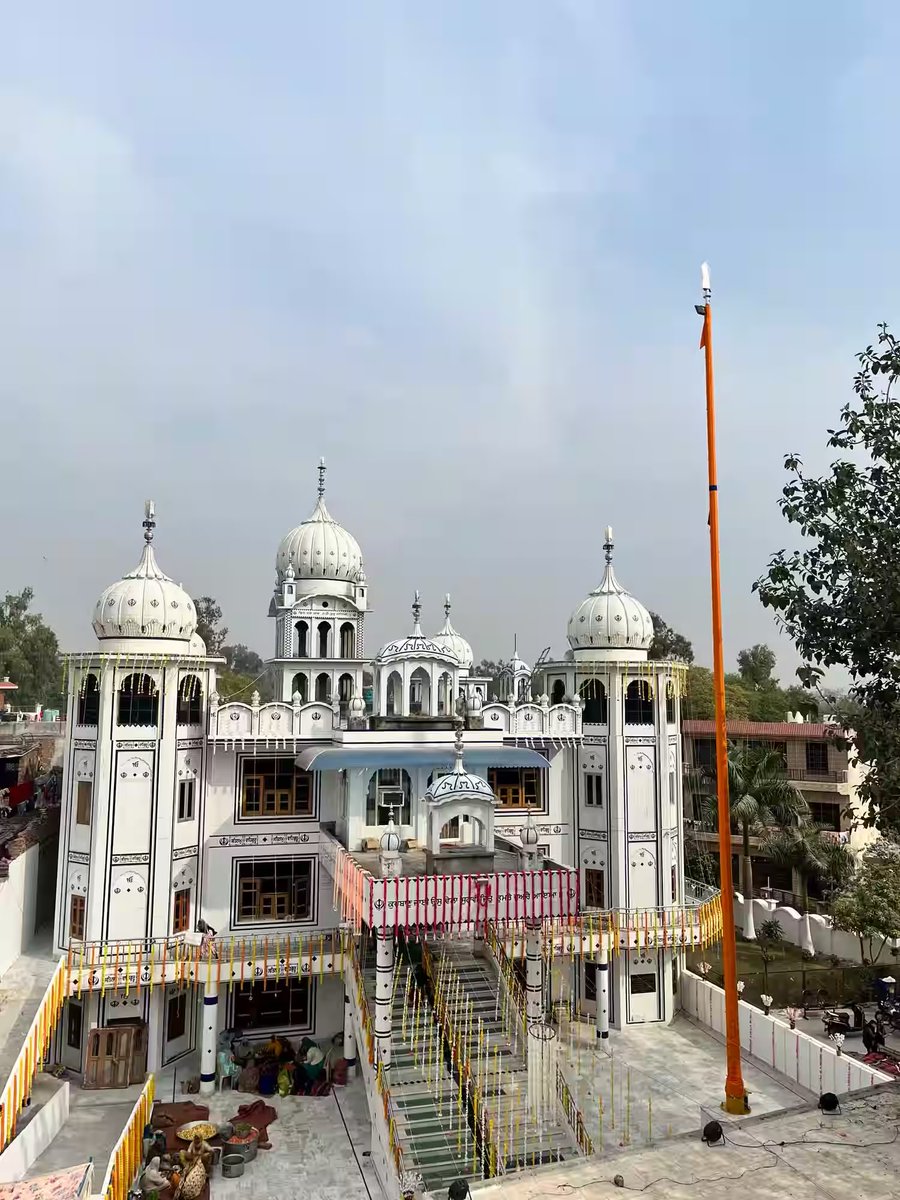
The village headman, Jhalam Singh, a Hindu Rajput, grew enraged when the Harijans of the village began adopting Sikhism en masse, viewing it as a threat to his authority, for Sikhism conferred higher status and the right to bear arms. In fury, he attacked the preacher with a burning log, forcing him to flee. Yet before his departure, the preacher established a gurdwara opposite the home of a Beant Singh.
@TheAnfieldBuzz@markgoldbridge He may be getting robbed off now but 10-20-30 years down the line people will remember him because not many will be able to do what he has done.
@TheAnfieldBuzz@markgoldbridge Salah can only do what’s he meant to do. He plays a game, contributes by scoring/ assisting as he’s meant to do and most importantly, he wins games which is the reason to win titles.
His name will be mentioned for decades to come because it’s in the record books.
@dharmicakaali@SikhsInCourt He does make sense. Colonised Sikhs (followers of singh Sabha’s Christianised philosophy) will make you believe there is only black and white and no in between. Prior to Singh Sabha there was no forced monogamy in Sikhi. The law abiding colonised Sikhs accept everything blindly.
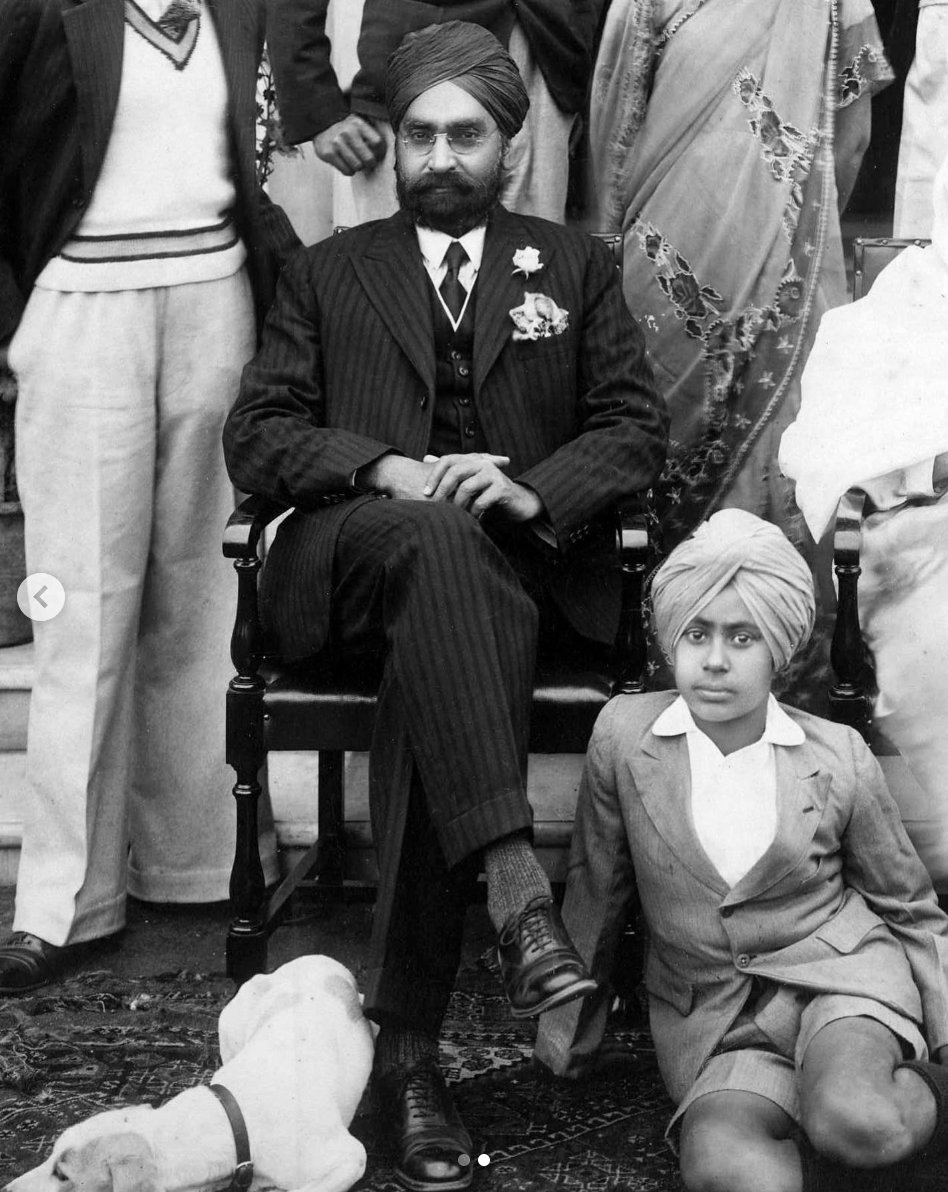
Captain Sardar Ajit Singh Butalia and his wife Sardarni Narinder Kaur
Early September 1947, wearing a round turban to disguise himself, Sardar Ajit Singh left his ancestral village Butala Sardar Jhanda Singh near Gujranwala with his wife, who donned a burka.
#SoldiersBeyondWar