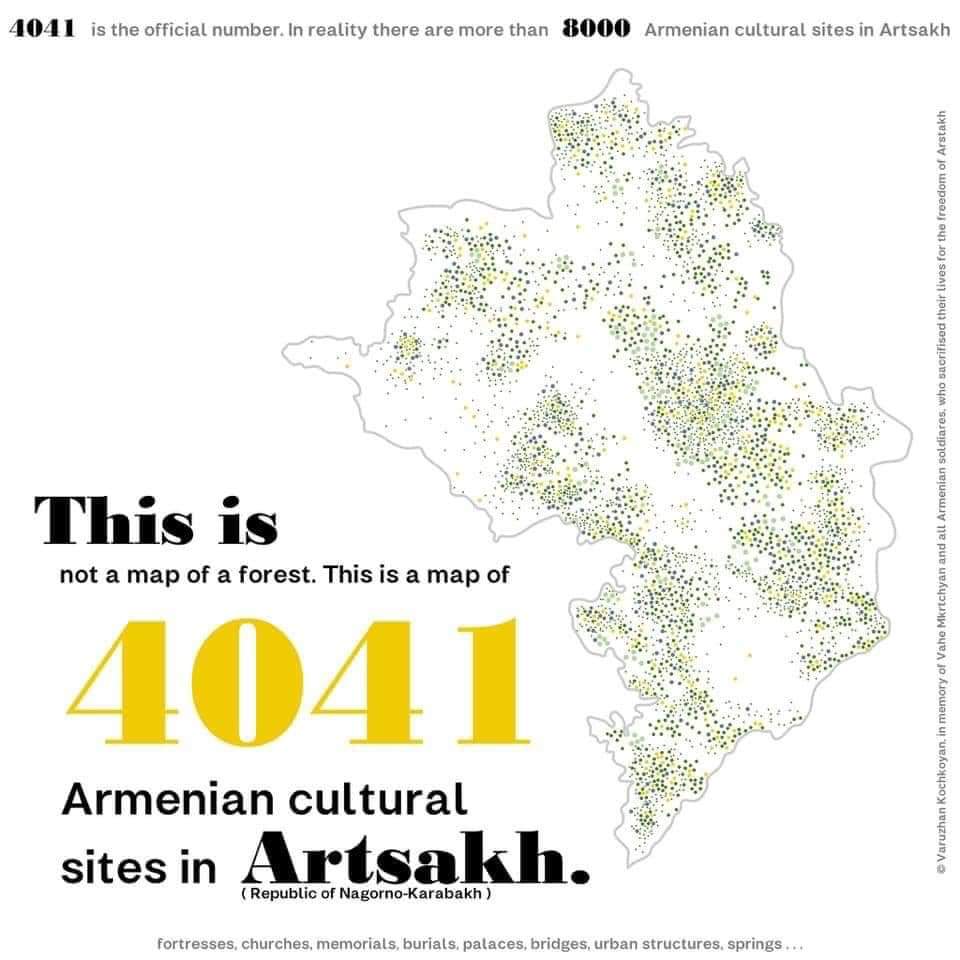
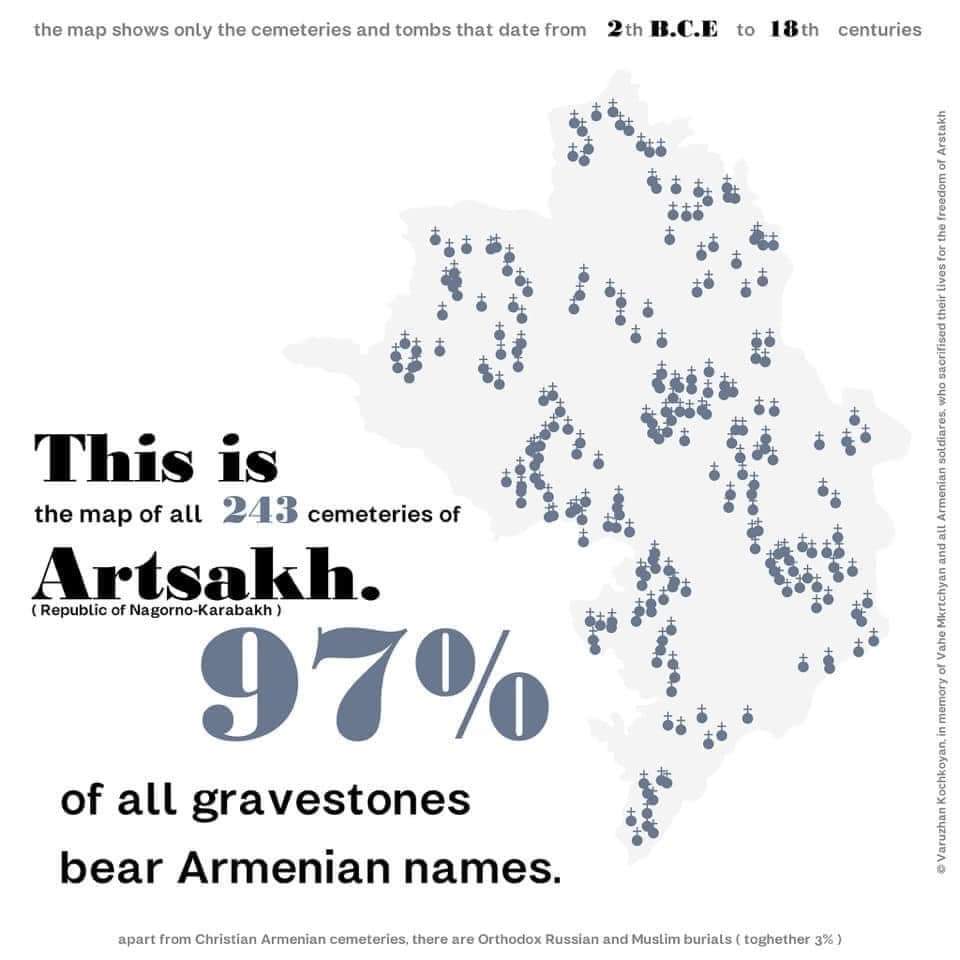
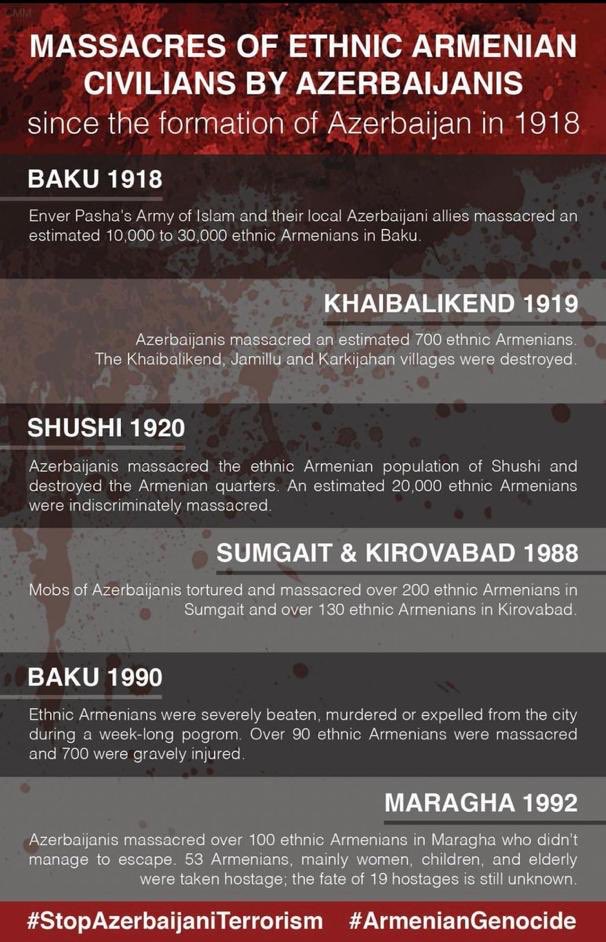
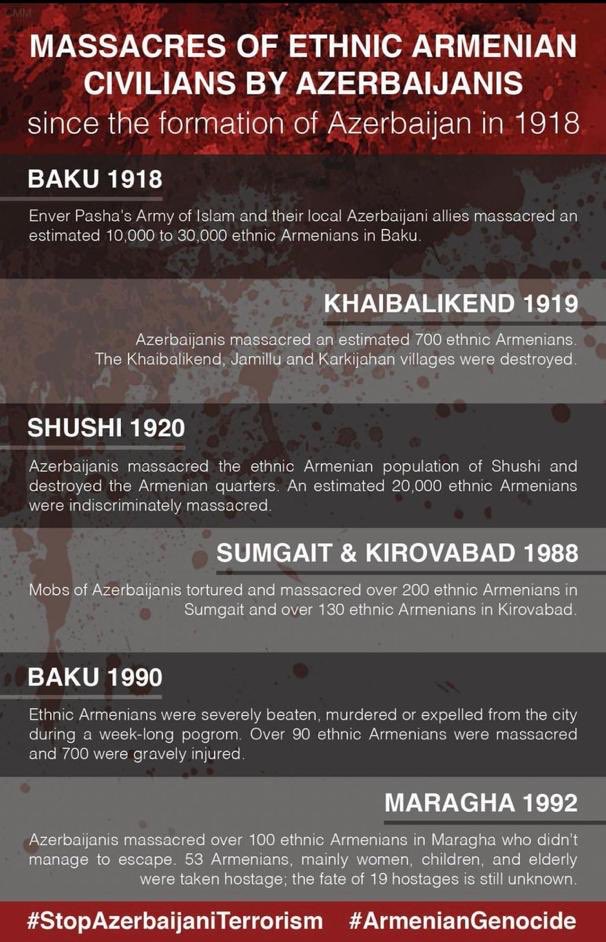
A khachkar, also known as an Armenian cross-stone is a carved, memorial stele bearing a cross, and often with additional motifs such as rosettes, interlaces ...
August Hanning est soupçonné par la justice allemande d’avoir utilisé des informations classifiées du BND dans le cadre d’une activité au profit d’un service de renseignement étranger
Selon Der Spiegel, les enquêteurs soupçonnent que ce service était celui de l’Azerbaïdjan et que Hanning était en contact avec un agent azerbaïdjanais
Ces soupçons prennent un relief particulier au regard des liens anciens et documentés de Hanning avec les réseaux d’influence azerbaïdjanais en Allemagne, notamment le Deutsch-Aserbaidschanisches Forum, dont il était membre du Vorstand
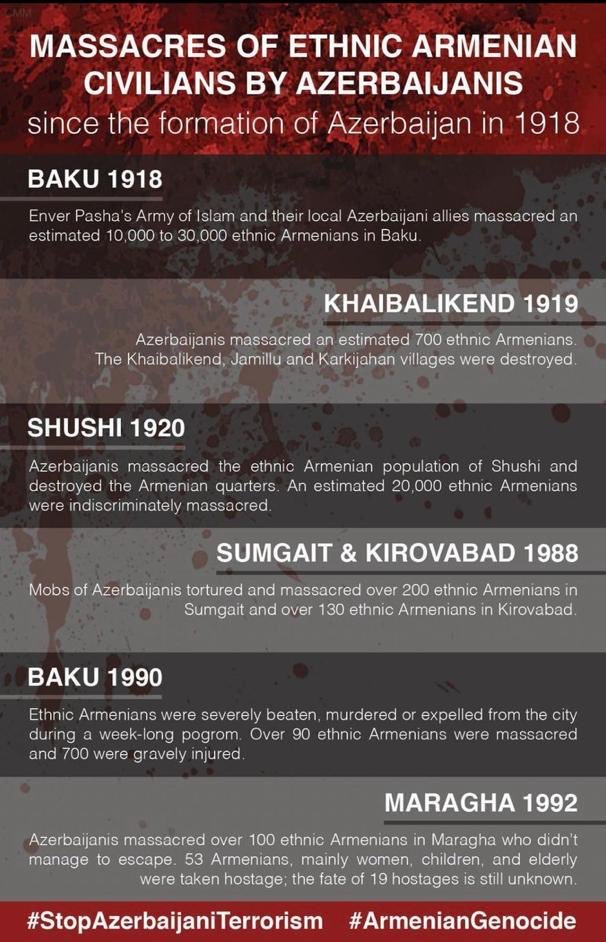
#StopAliyevDictatorship
https://t.co/eLK6QFijFq
ALERTE 🇦🇲 Un soldat azéri a franchi illégalement la frontière arménienne, est entré dans une maison du villlage de Shaki, non loin du monastère de Tatev, dans le #Syunik (sud de l'#Armenie) que rêve de conquérir Aliev, et a tiré sur 1 femme devant ses 3 enfants. Elle est blessée.
Le 🇲🇫 #MartinRyan a été libéré.Quelques jours après l'annnulation par la mairie de Paris de l'inauguration d'1 expo des otages #armeniens à Bakou et un voyage en #Artsakh,épuré de tous ses habitants #armeniens, de l'ambassadrice 🇲🇫 en Azerbaïdjan. La France à genoux devant Aliev.
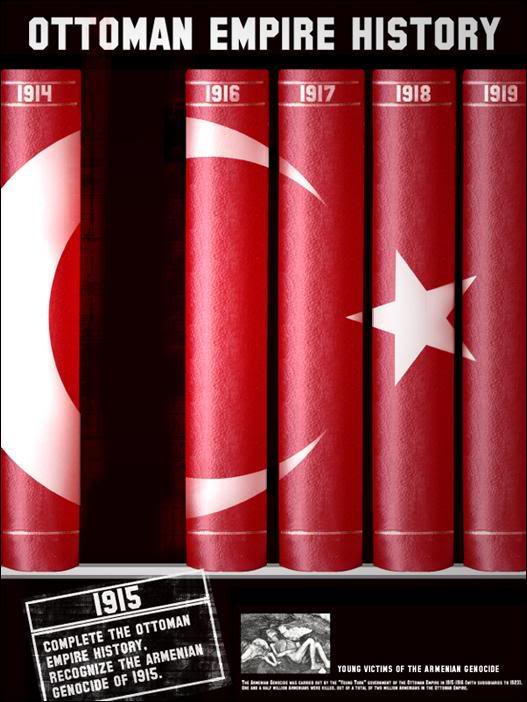
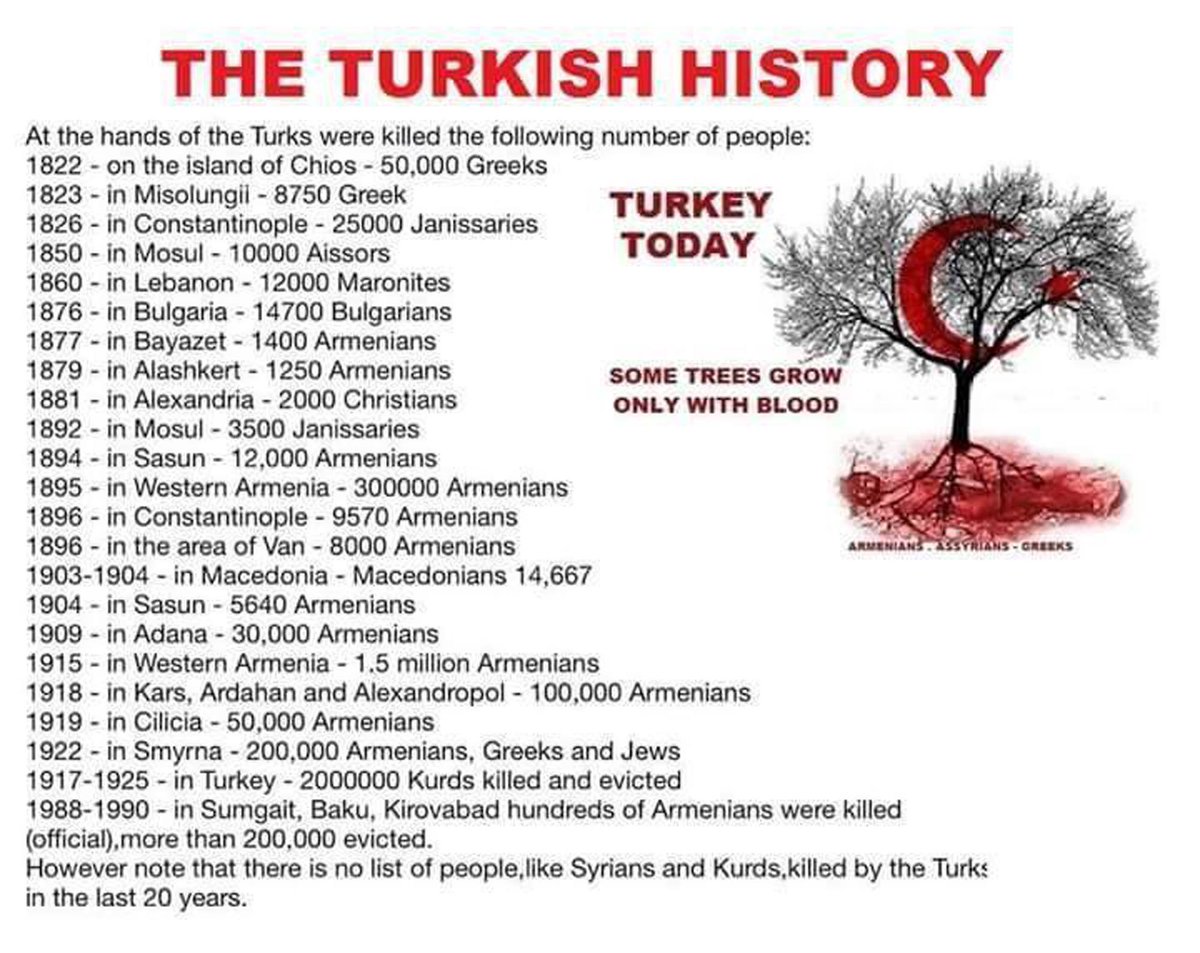
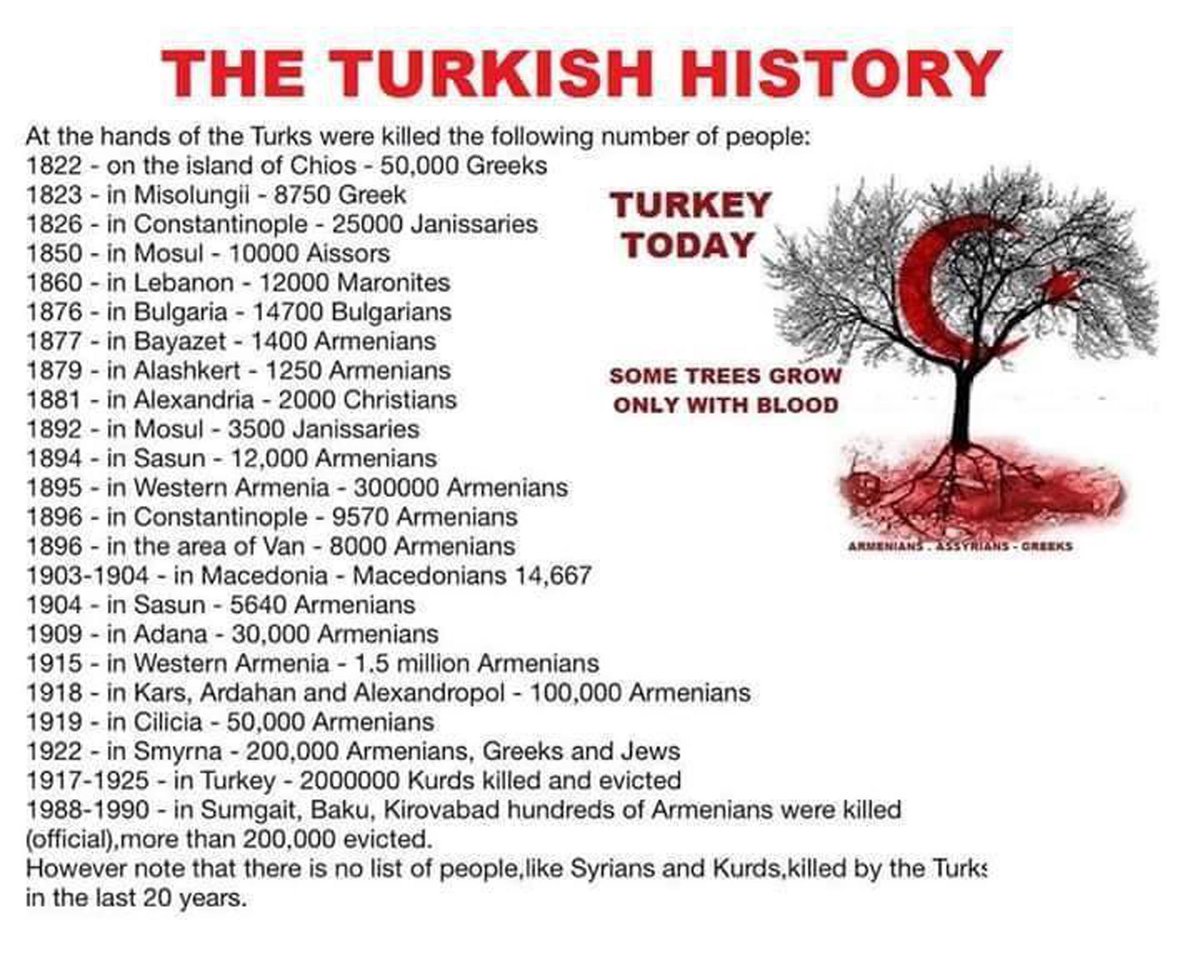
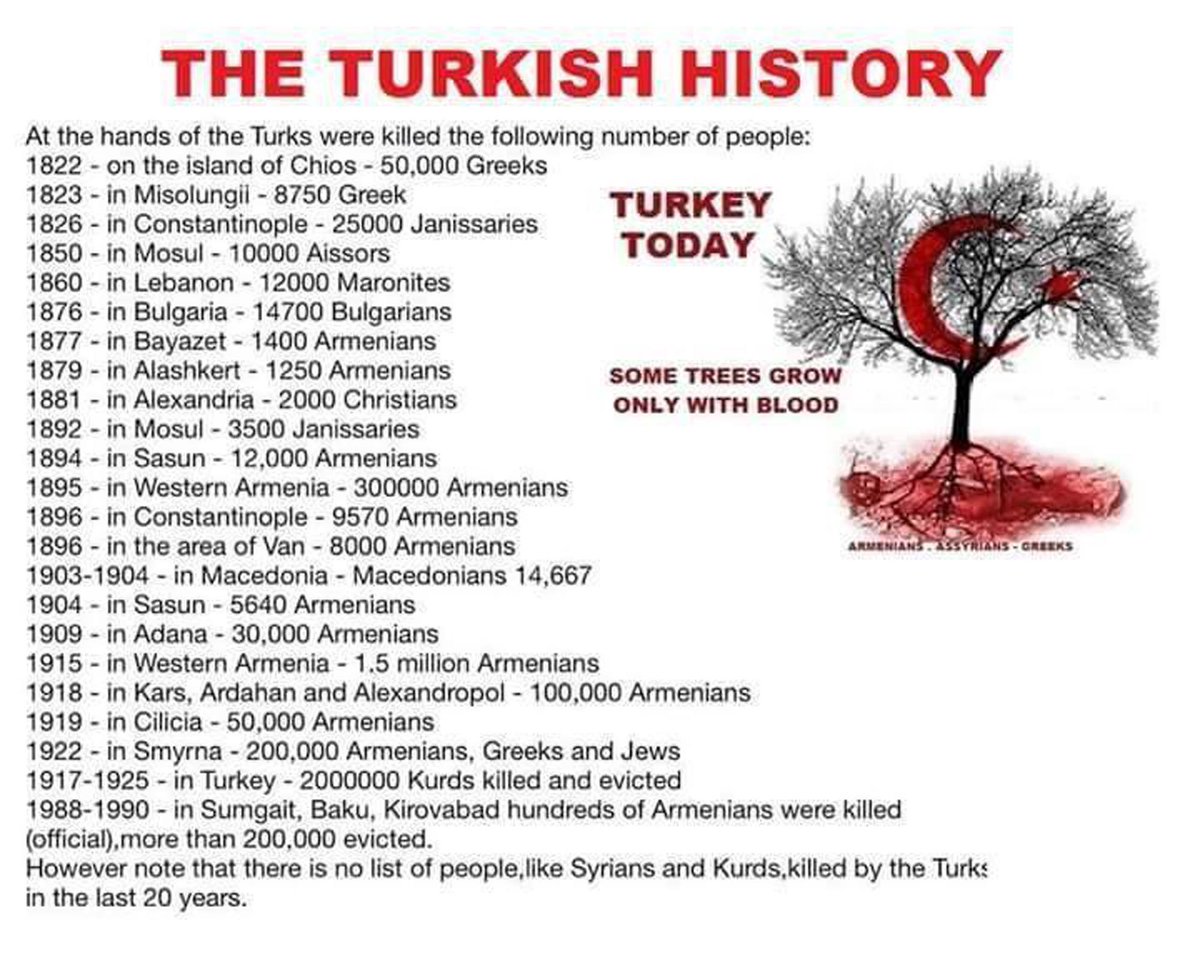
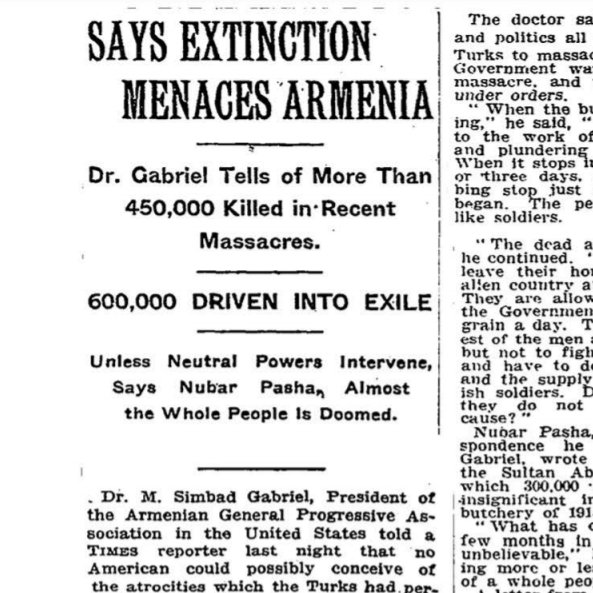
“the massacres of the Sultan Abdul Hamid in 1895, in which 300,000 Armenians fell, seemed insignificant in comparison with the butchery of 1915.”
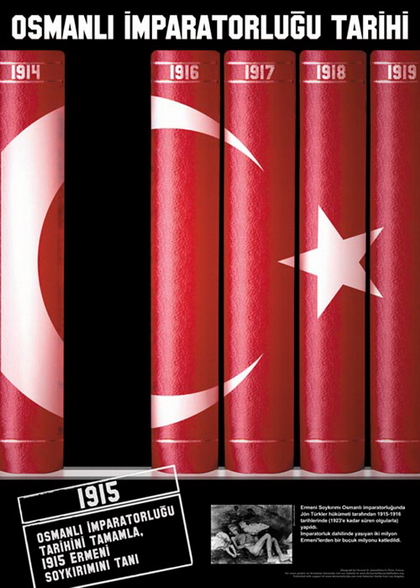
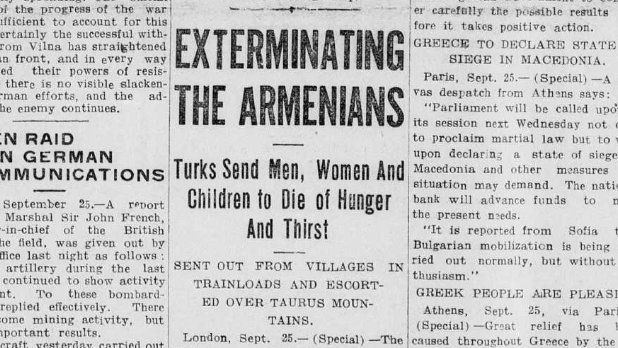
25 Sept 1915 (NYT/Others): 1000s of Armenians reported killed; deportees being sent on “journey from which none would ever return.”
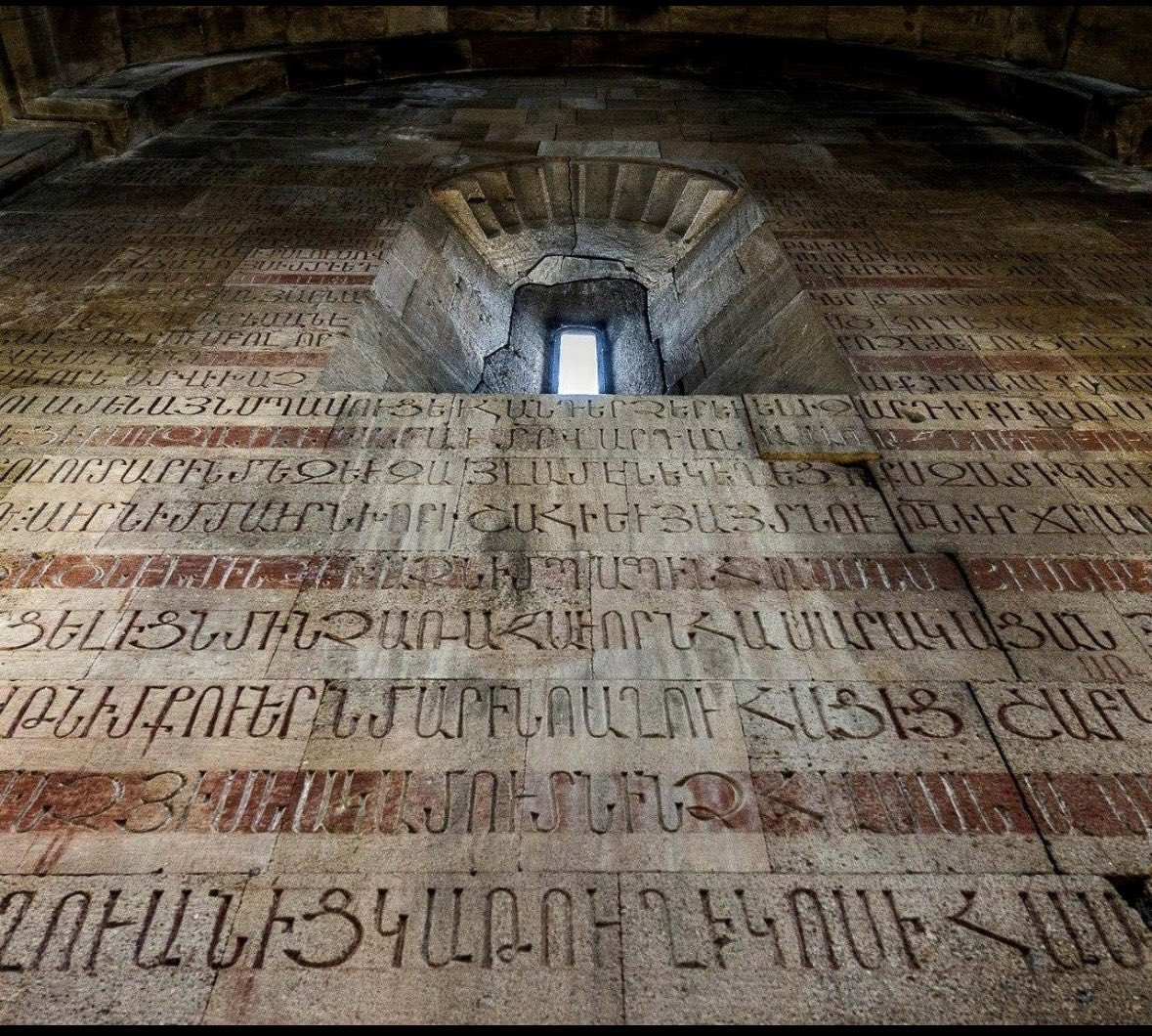
Since Hikmet Hajiyev is allergic to truth and history, allow me to explain:
This isn't Caucasian Albanian.
It is Armenian.
There are over 150 Armenian inscriptions at the Gandzasar monastery complex, among them is this particular inscription, commissioned by Prince Hasan Jalal Vahtangian the Magnificent, which reads:
“In the name of the Holy Trinity, Father, Son and the Holy Spirit, I, Jalal Dola Hasan, servant of God, son of Vahtang, grandson of Hasan the Great, the native potentate of the high and broad province of Artsakh, King of Hohanaberd, with large districts, have ordered to inscribe these lines. Father of mine, before his departure from this world, ordered me and my mother Khorishah, daughter of Sargis the Great, Prince of Princes, to erect a church and [organize] the cemetery of our forefathers in Gandzasar, building of which began in the year 765 of the Armenian Calendar (1216) with the help of the Grantor of Benefits (God); and when we erected the wall above the windows, mother of mine abandoned secular life and departed for pilgrimage to Jerusalem for the third time, where, putting on the cilice and spending many years in reclusion near the Lord’s Temple, passed away on the day of the Holy Resurrection of Christ, and there was laid to rest. As to us, we, being aware of the danger of being idle, hurried to complete the construction work with the holy blessing of Merciful God, in the year 787 (1238)...”
Source: Bishop Makar Barkhudarian. Artsakh. Baku, 1885, Chapter: Gandzasar Monastery, p. 111.