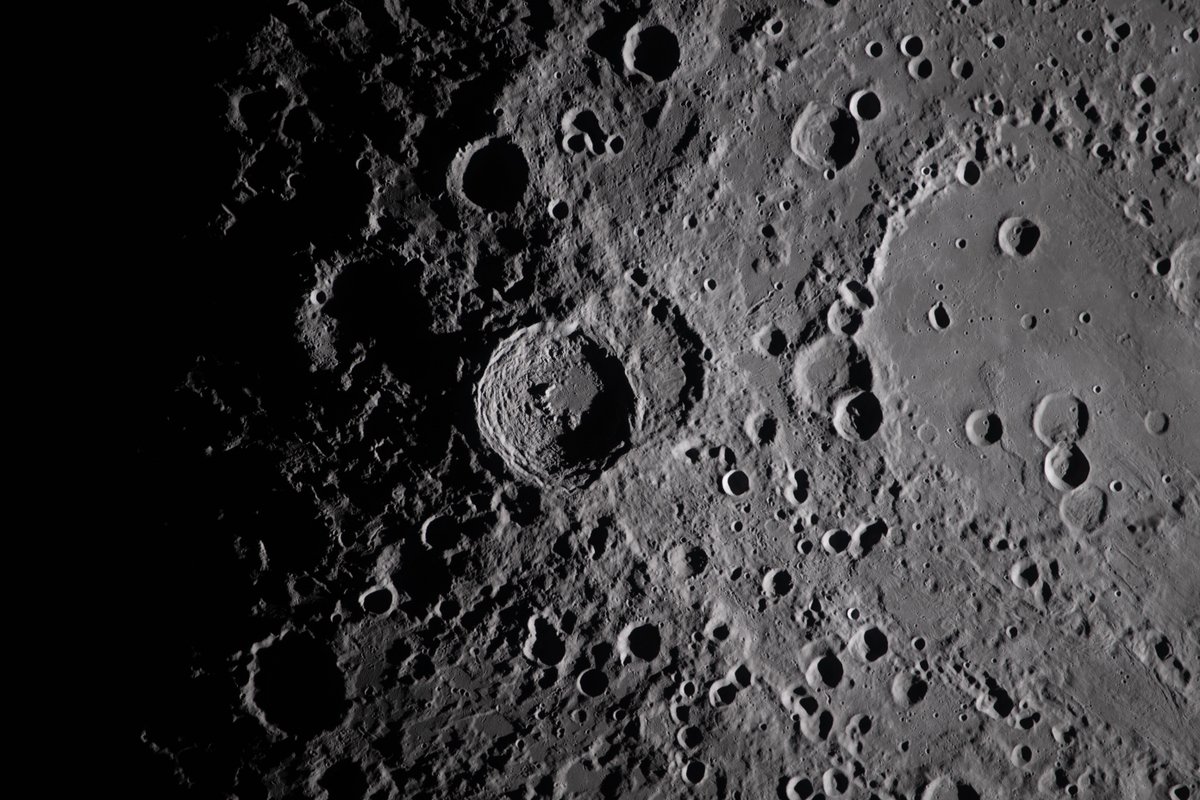
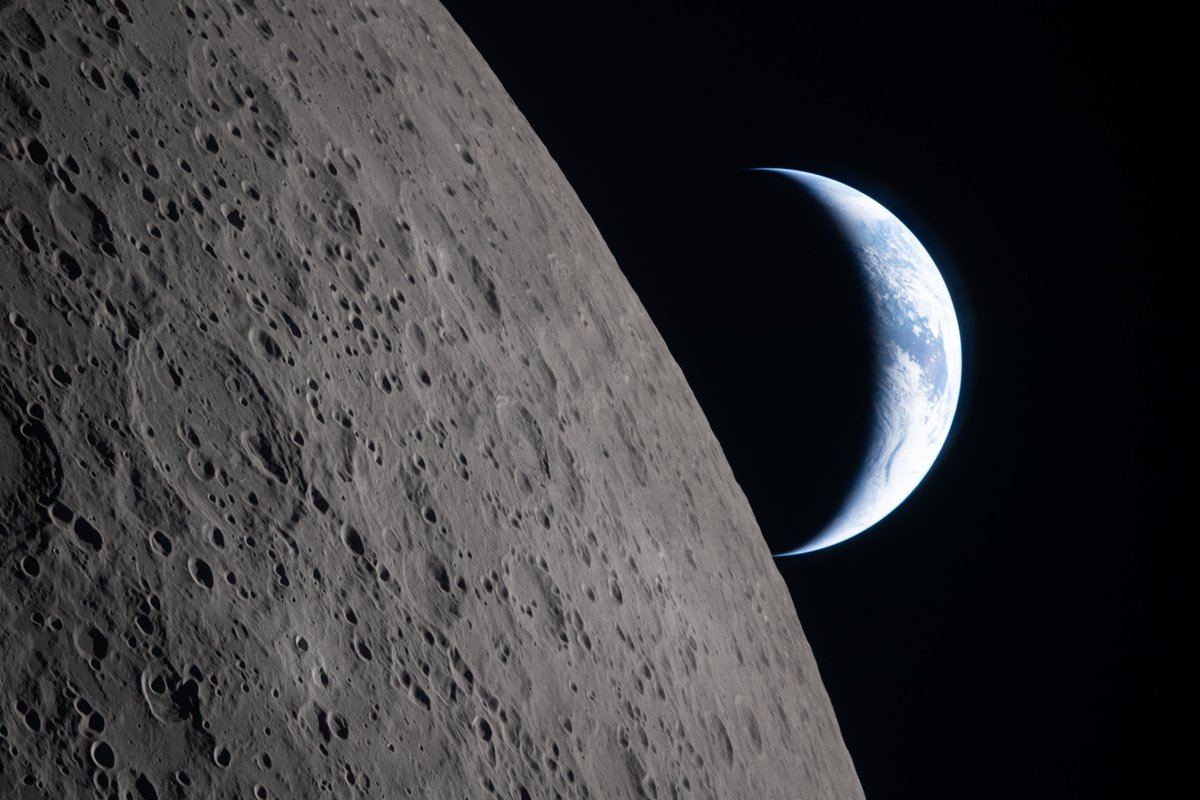
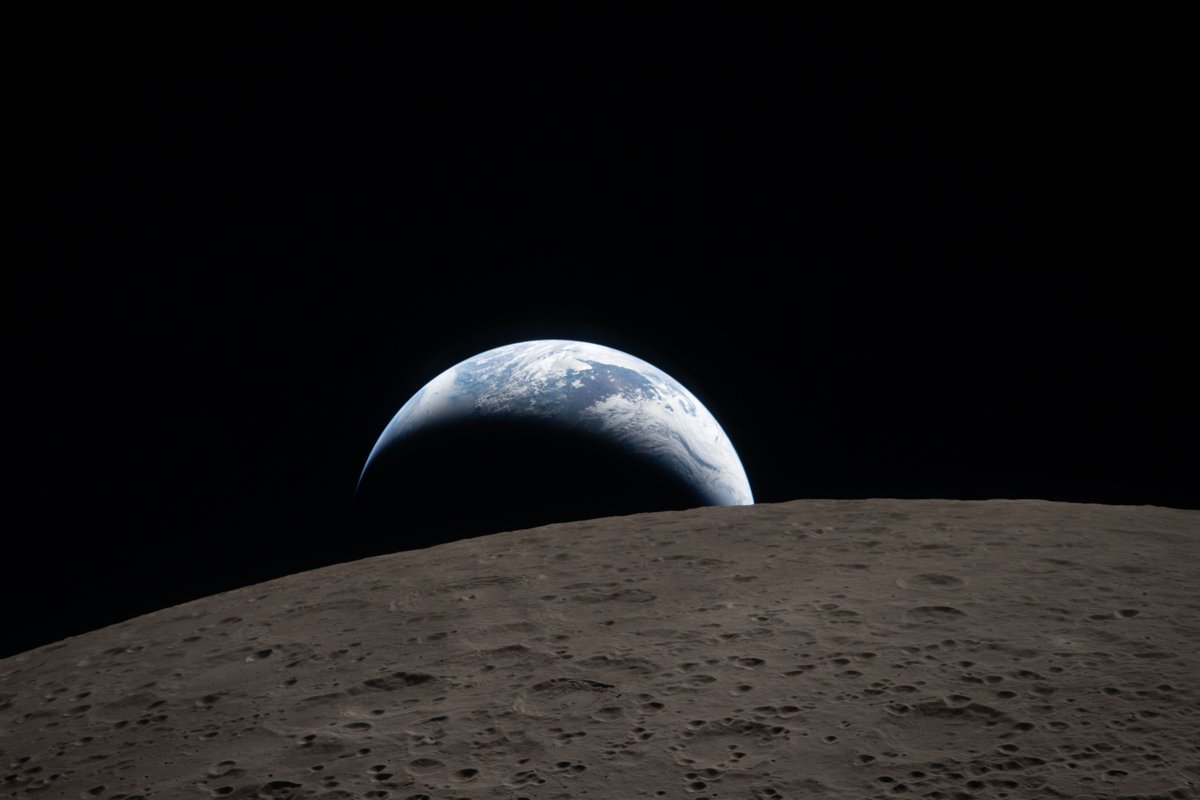
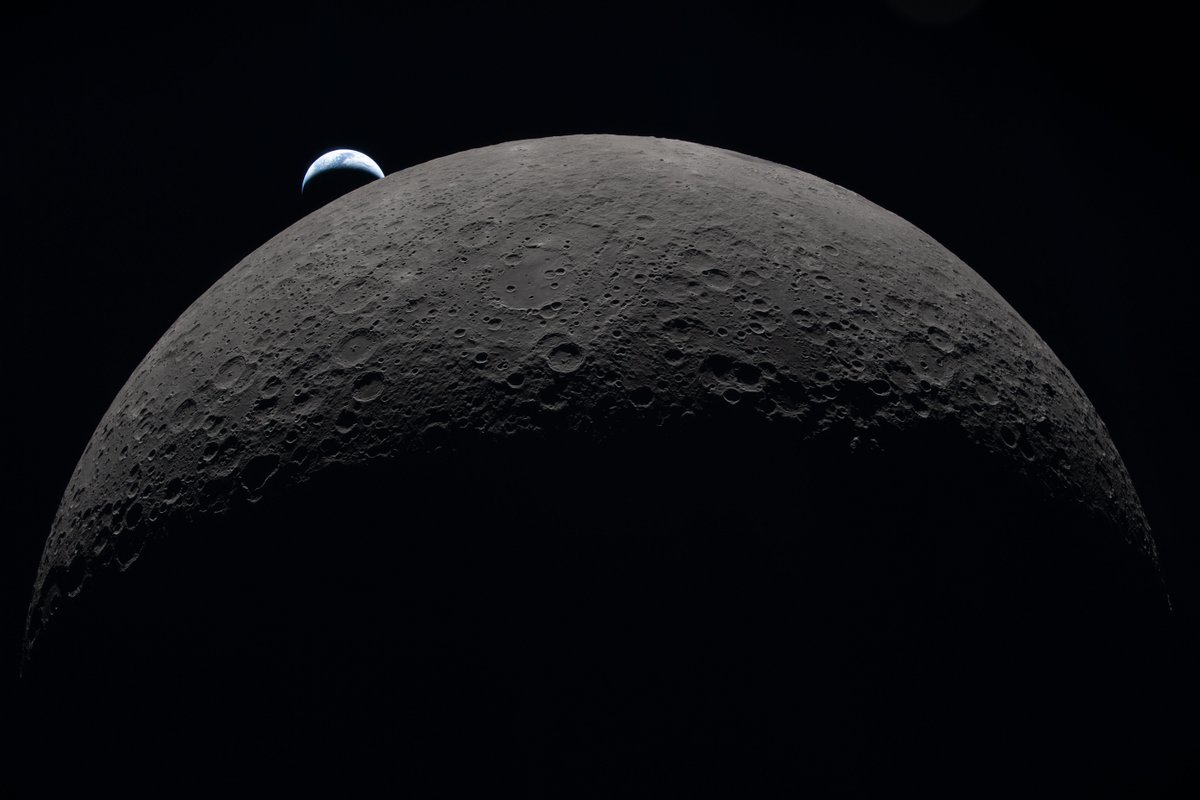
It’s my birthday today and I get the gift of breathtaking images of Earth setting and an eclipse seen from the dark side of the moon! 🌖 Thank you NASA and the Artemis II crew. https://t.co/siT5Cc9b9m
Happy Star Wars day! Throwback to this @wnpr radio interview I did about alien life and why we wonder so much about what’s out there (in a galaxy long ago and far away, perhaps?) https://t.co/lsvrH80mbB
An AI reasoning model performed better than human doctors at reaching a diagnosis. “We’re witnessing a really profound change in technology that will reshape medicine,” says study author Arjun Manrai.
https://t.co/ObgqUpJFZI
What makes you say “Wow”? That’s where you start your science storytelling. And that’s just one tip I shared in a talk last week about science communication, hosted by @APSphysics https://t.co/h0QhfEHPO4 via @YouTube
Are you a scientist or academic? Join me next week at the @APSphysics Public Engagement Community Hour. I'll be sharing how to make your science communication spark & sizzle!
🗓 April 16
⏰ 12-1:30 p.m. ET
Register for free: https://t.co/e1zSkYPpXl
Hello, Moon. It’s great to be back.
Here’s a taste of what the Artemis II astronauts photographed during their flight around the Moon. Check out more photos from the mission: https://t.co/rzM1P0QbOl
Attention fusioneers! #FusionEnergyWeek2026 is almost here. Join us for a series of events during the week of May 4–10th when we will come together to celebrate the science and technology that will make fusion the energy solution of tomorrow. Info here: https://t.co/n5bESSKUBn
How long have you been scrolling just now? Why do we do that? How bad is it really?
Read about the science of brain rot and zombie scrolling. Then take a break! 🙂https://t.co/raCtdd7SLg
The first robot scientist, named Adam, made real discoveries in biology. Now, AI is stepping far beyond lab assistants — into the role of researcher.
https://t.co/ayef45huko
The first robot scientist, named Adam, made real discoveries in biology. Now, AI is stepping far beyond lab assistants — into the role of researcher.
https://t.co/ayef45huko
Did you know that trapdoor spiders weave secret lairs? Or that mangrove trees build new land? See what I drew and learned on a trip to the rainforest of Costa Rica.
https://t.co/971L8AJSgv
Science vocab rocks! 🔬📚 🆕 on #LitLinks
Students pick a tricky science word, dig into its meaning, then create a short video, reel, or poster to teach it.
Perfect for boosting science literacy + creativity!
🔭 https://t.co/14epRxcGQg
@khulick@QuartoKids@nescbwi#STEMed
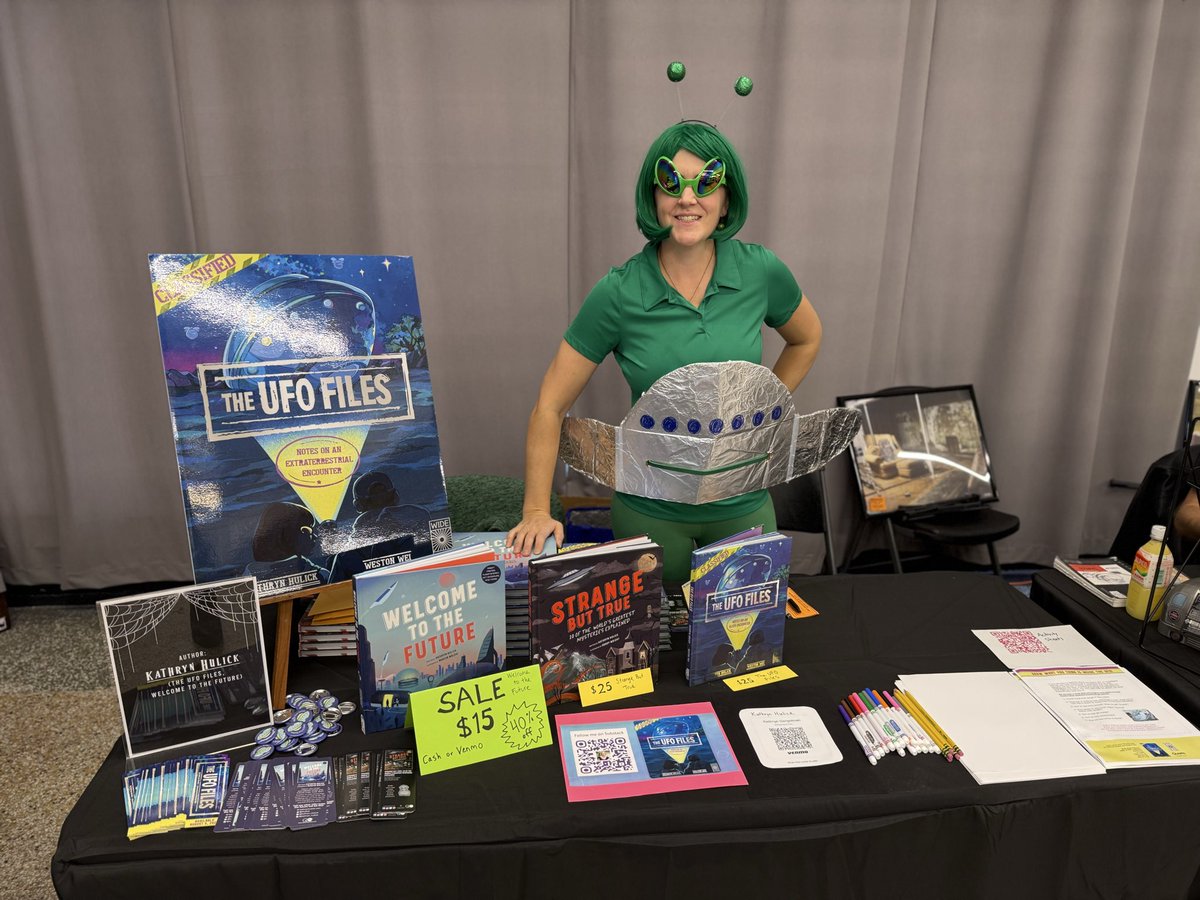
Today, I volunteered as a virtual visiting author for #WorldReadAloudDay at six classrooms around the USA. I read from my book THE UFO FILES. But first, I test your wits with a space quiz. Click the link for the quiz and full video! 👽 https://t.co/3gWX7wrAHD
While writing this, I uncovered a lot of skepticism and criticism centered around whether it's fair to compare sperm whale sounds to human language -- is this just wishful thinking?
Dolphins whistle, humpback whales sing and sperm whales click. Now, a new analysis of sperm whale codas — a unique series of clicks — suggests a previously unrecognized acoustic pattern.
https://t.co/mGQEbG65qD
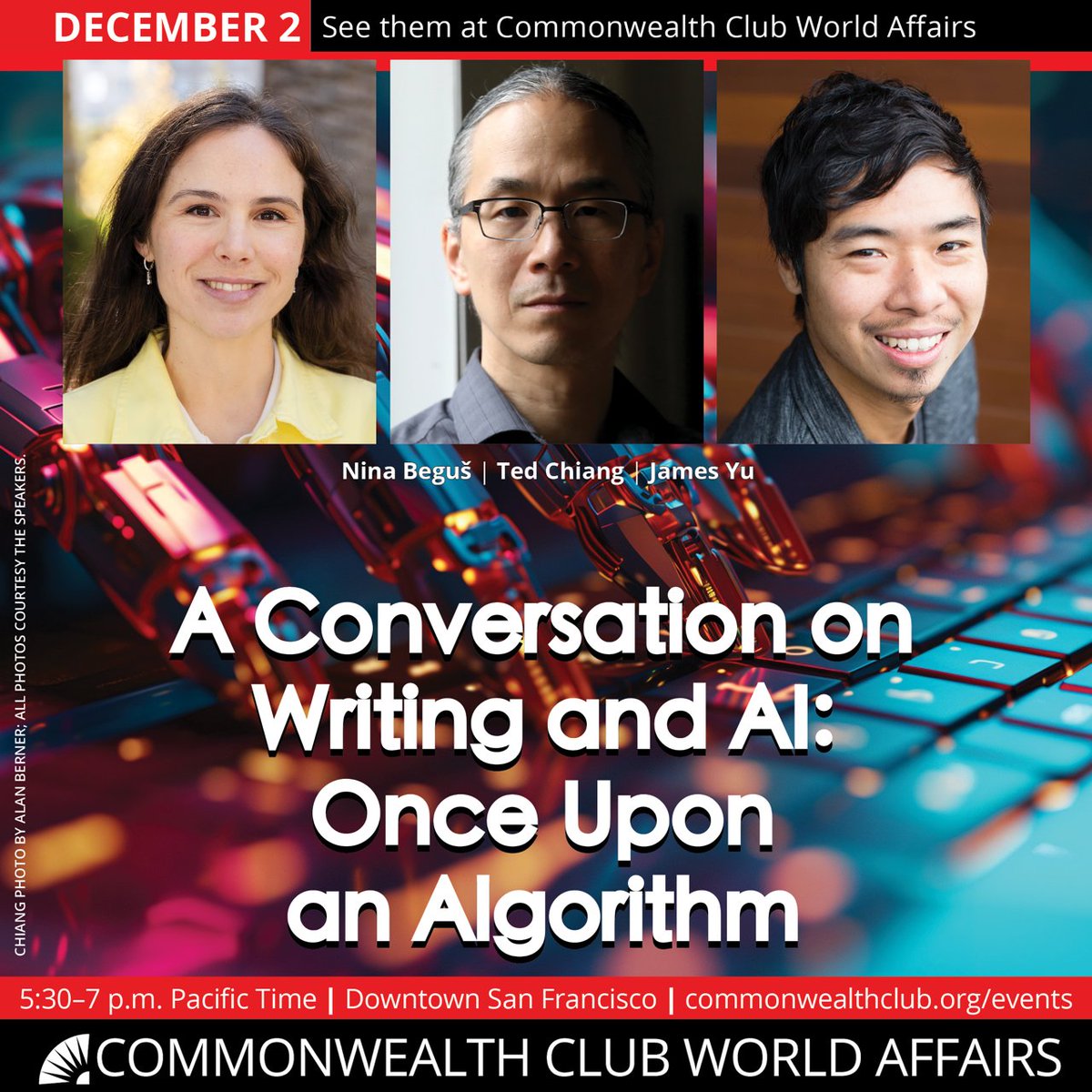
Excited to launch my book Artificial Humanities in a conversation with Ted Chiang and James Yu at the Commonwealth Club!
Fiction is the new laboratory for testing, evaluating, and developing AI.
I’m at That's Entertainment in Worcester MA today 11am-4pm with many other local creators. Come get a signed book & free comics & drawings. Join the costume contest!
"The capacity for language exists along a
continuum [...]. The idea that language
development does not require uniquely human properties becomes increasingly important as legal boundaries expand to include nonhuman species."








![begusgasper's tweet photo. "The capacity for language exists along a
continuum [...]. The idea that language
development does not require uniquely human properties becomes increasingly important as legal boundaries expand to include nonhuman species." https://t.co/7x0oxJzl5V](https://pbs.twimg.com/media/G3-QZQ8XsAAIHYd.png)


