𝗨𝗖𝗔𝗣𝗔𝗡 𝗗𝗜 𝗣𝗘𝗟𝗔𝗡𝗖𝗔𝗥𝗔𝗡 𝗕𝗘𝗥𝗦𝗔𝗠𝗔
Assalamualaikum wbth
Ta chia hau
Vanekam
Salam Sejahtera
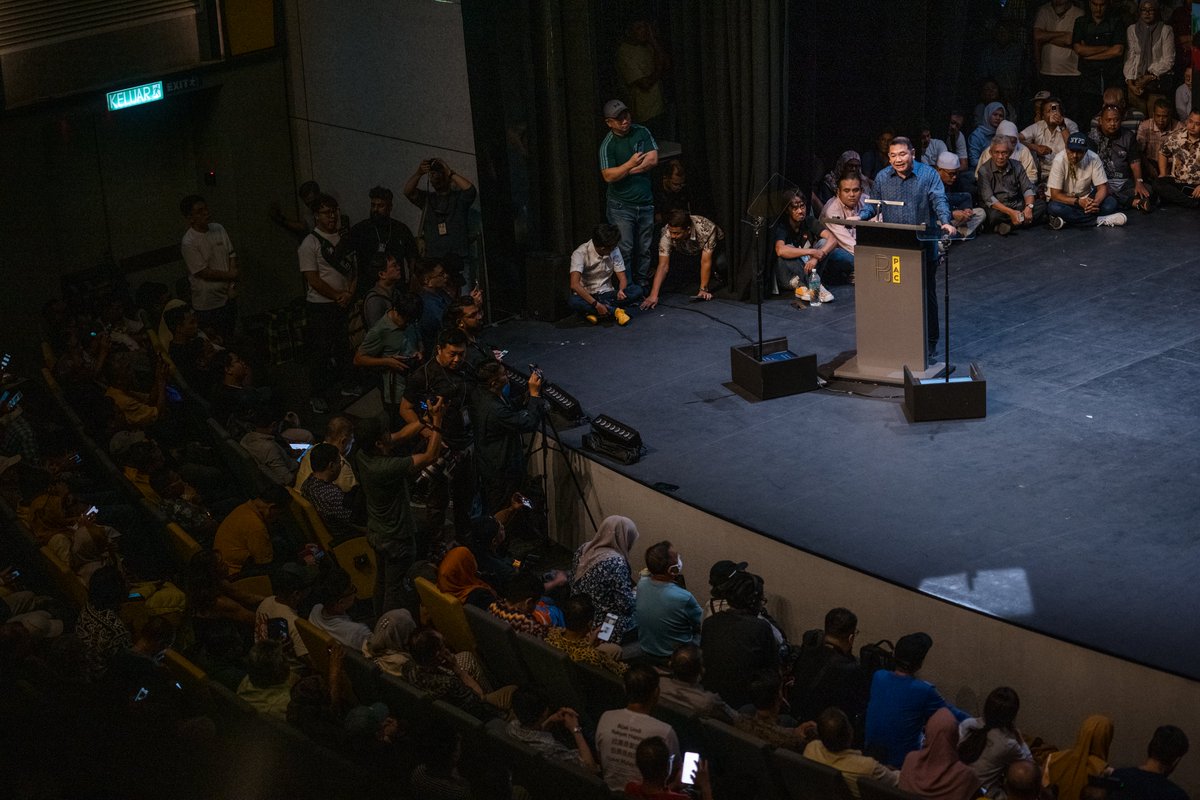
Terima kasih kepada semua yang hadir dari seluruh negara dan yang sedang menuntun. Saya minta maaf banyak-banyak sebab kami 𝘶𝘯𝘥𝘦𝘳 𝘦𝘴𝘵𝘪𝘮𝘢𝘵𝘦 kehadiran. Kami ingat paling ramai yang akan hadir ialah beberapa ratus orang sahaja, tetapi bila borang online dibuka, dalam tempoh 24 jam telah mencecah hampir 2,000 orang.
Mewakili sahabat-sahabat termasuk Saudara Nik dan beberapa orang lain yang mengusahakan acara hari ini, sekali lagi saya mohon maaf atas segala kekurangan.
Saya berharap orang ramai yang hadir, yang mengikuti live streaming, bertanya soalan yang sama yang saya selalu tanya kepada diri sendiri.
Sebenarnya kita ni nak apa? Tidak cukupkah apa yang ada? Kebanyakan dari kita ada hidup yang memadai. Kita tidak kaya tetapi kita tidak miskin. Kalau kita rasa hidup kita susah, ramai lagi yang lebih susah dari kita. Sebahagian besar dari kita tidak berniat memegang jawatan awam, kita lebih selesa dengan kehidupan yang ada.
Jadi kenapa nak susah-susah? Kenapa nak bersesak-sesak dalam dewan ini, dah lah bas tidak disediakan. Kena bayar duit sendiri ada lah.
Saya tanya soalan ini berkali-kali kepada diri saya. Dan saya ada tabiat kurang baik – saya tanya soalan dan saya jawab sendiri.
To illustrate just how nonsensically these tariffs were calculated, take the example of Lesotho, one of the poorest countries in Africa with just $2.4 billion in annual GDP, which is being struck with a 50% tariff rate under the Trump plan, the highest rate among all countries on the list.
Why? Does Lesotho apply extortionate tariffs on U.S. products and the U.S. is merely being "reciprocal" here? Not at all, despite what Trump is saying, it's NOT the way these tariffs are defined.
As a matter of fact Lesotho, as a member of the Southern African Customs Union (SACU), applies the common external tariff structure established by this regional trade bloc.
Which means it applies the same tariffs on U.S. products as South Africa does, as well as the 3 other members of the bloc: Namibia, Eswatini and Botswana.
So since the tariffs charged by these 5 countries on U.S. products are exactly the same, they must all be struck with a 50% tariff rate by the U.S., right? Not at all: South Africa is getting 30%, Namibia 21%, Botswana 37% and Eswatini just 10%, the lowest rate possible among all countries.
So what gives? Again, the way these tariffs are calculated has absolutely zero relationship with actual tariffs imposed by these countries on U.S. products. Instead, they appear to be simply derived from trade deficit calculations.
Looking at Lesotho specifically, every year the U.S. imports approximately $236 million in goods from Lesotho (primarily diamonds, textiles and apparel) while exporting only about $7 million worth of goods to Lesotho (https://t.co/uHvem6nH2o).
Why do they export so little? Again this is an extremely poor country where 56.2% of the population lives with less than $3.65 a day (https://t.co/GEho8xFjAp), i.e. $1,300 a year. They simply can't afford U.S. products, no-one is going to buy an iPhone or a Tesla on that sort of income...
The way the tariffs are ACTUALLY calculated appears to be based on a simplistic and economically senseless formula: you take the trade deficit the U.S. has with a country, divide it by that country's exports to the U.S and declare this - falsely - "the tariff they charge on the U.S."
And then as Trump did in his speech last night, you magnanimously declare that you'll only "reciprocate" by charging half that "tariff" on them.
As such, for Lesotho, the calculation goes like this: ($236M - $7M)/$235M = 97%. That's the "tariff" Lesotho is deemed to charge this U.S. and half of that, i.e. roughly 50% is what the U.S. "reciprocates" with.
It's extremely easy to see why this makes no sense at all.
First of all, there's nothing Lesotho can do about it: they can't change tariffs they allegedly charge the U.S. to reduce the tariff rate the U.S. "reciprocates" with because, again, it's NOT based on any tariff that they charge.
Similarly they can't do much about reducing the trade deficit they have with the U.S. because, again, they simply don't have enough money to buy U.S. products.
Also the main rational Trump gave for the tariffs is to get production back to the U.S., to "bring manufacturing back". 47.3% of Lesotho's exports are diamonds: how do you bring the "manufacturing" of that "back to the U.S."? Anyone can see it makes just about zero sense.
The Lesotho example exposes the fundamental economic incoherence of these tariffs. Rather than addressing actual trade barriers, they punish countries based on trade deficits that arise from structural economic realities. All the more countries like Lesotho which pose zero competitive threat to American industry.
Worse yet, these tariffs will likely make these structural realities even worse: the U.S. is Lesotho's second most important export destination so it's a fair bet that applying 50% tariffs on their products will make people in Lesotho even poorer, and therefore even LESS able to afford U.S. products.
But perhaps the most unfair and detrimental aspect of all this is that these tariffs represent a complete reversal of longstanding U.S. development policy, and therefore a betrayal of countries - like Lesotho - who chose to follow U.S. advice in the past.
For decades the U.S. has used preferential trade access to encourage economic development in the world's poorest nations, recognizing that trade, not just aid, could get them out of poverty and ultimately put them in a position where they too could afford iPhones or Tesla.
They're now effectively penalizing countries for following previous U.S. policy, a lesson which I bet they won't forget anytime soon.
So all in all the irony is painful: in the name of fighting unfair trade, America has just demonstrated what truly unfair trade looks like.
This isn't something designed to address genuine trade issues, but simply a mechanism based on arbitrary math to punish countries for the affront of selling more to the United States than they buy.
Free e-copy of the Workers Rights Guide. Produced by Gabungan Reformasi Undang-Undang Perburuhan (Labour Law Reform Coalition). Do share with all workers in Malaysia.
https://t.co/K7P3JR7YpH
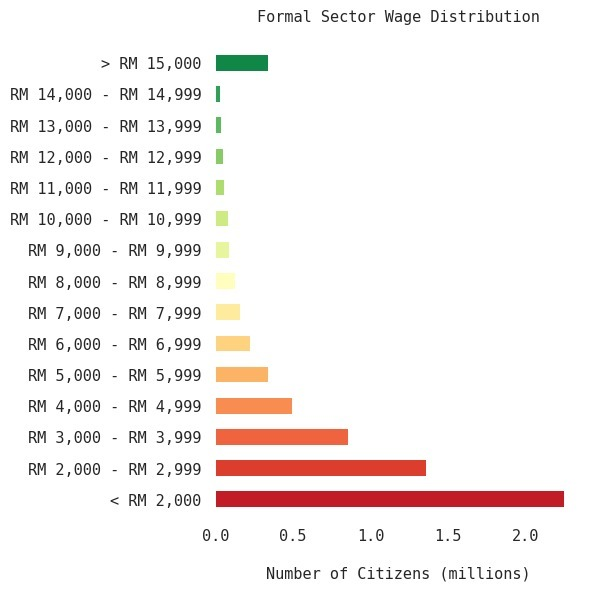
Damning data on Malaysians' salaries.
Dari data statistik gaji sektor formal DOSM yang dikeluarkan hari ini, 82% pekerja sektor formal bergaji kurang dari RM5k.
Even more worrying, 35% earn less than RM2k.
We have a serious problem, and @rafiziramli is working every day to fix it.
Dasar gaji progresif (Progressive Wage Model) is really needed now more than ever.
I can't believe it.
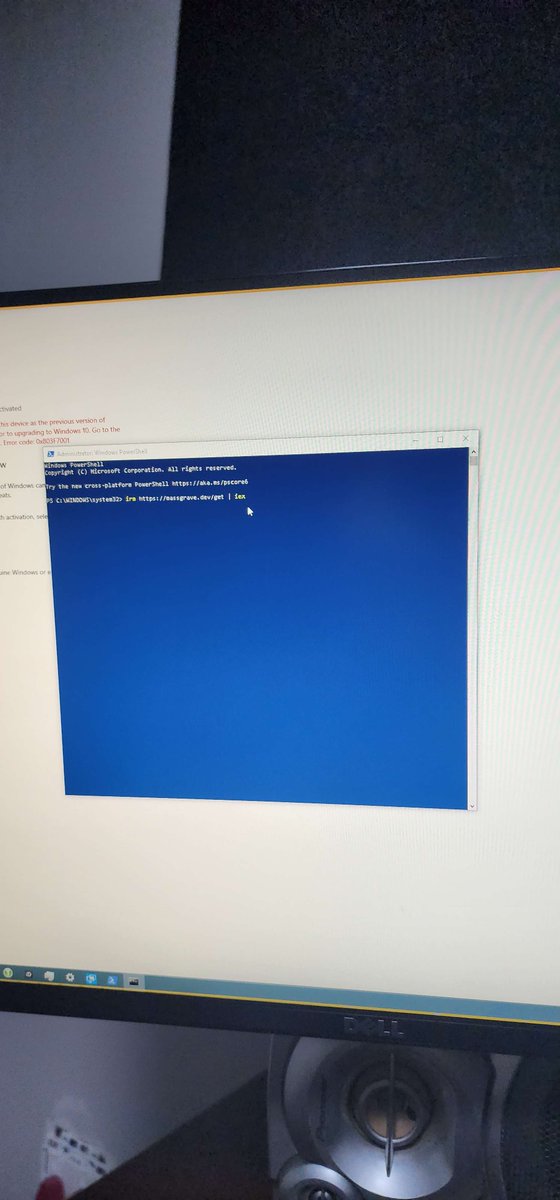
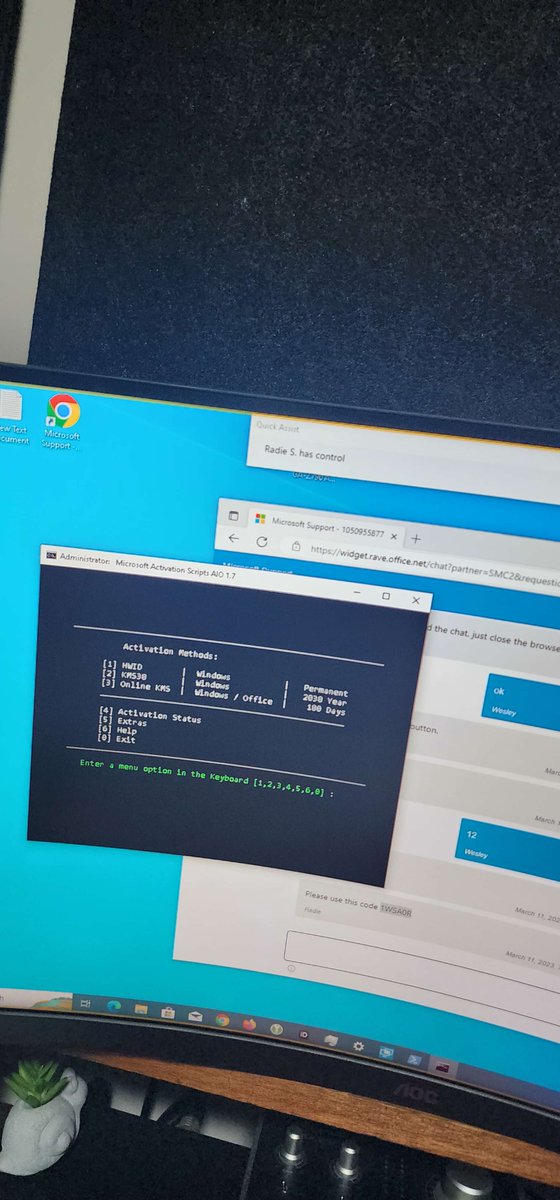
My official Microsoft Store Windows 10 Pro key wouldn't activate. Support couldn't help me yesterday.
Today it was elevated. Official Microsoft support (not a scam) logged in with Quick Assist and ran a command to activate windows.
BRO IT'S A CRACK
NO CAP
A random thought - why not measure the Malaysian-ness in us by measuring how much delicious, diverse Malaysian-themed food we consume, instead of other measurements that often ended up being bigotry to others?
@FahmiMahat@cirez06@BarrCoolidge@aiamDeen Bro, maksud artikel tu... Kanak2 austima ada kemungkinan kekurangan nutrien, bukan kekurangan nutrien menyebabkan austima kat kanak2...
Do you ever get text messages meant for someone else? Maybe sth like "Are you Linda from the pet store?" And because you're nice, you reply and say they got the wrong number.
Cindy Tsai, a lawyer, did just that. By the end of it all, she would lose about $2.5 million.